Museo de Bellas Artes
The museum is part of the Alhambra, a Spanish-Moorish fortress which dates back to the 14th century and is situated high above the rooftops of Granada, at the foot of the Sierra Nevada.
Architect:
Antonio Jiménez Torrecillas, Granada
Lighting designer:
Juan José Sendra
Photographer:
Thomas Mayer, Neuss
Place:
Granada
show at Google Maps
Lighting solutions
The Museum of Fine Arts - Museo de Bellas Artes - is housed in the building complex of Palacio V., which is part of the world-famous Alhambra. The city fortress was recaptured in 1492 during the "reconquista" - the reconquest - of Moor-occupied territories by Spanish kings. The influences of various rulers are reflected in the different styles and designs of the building: Moorish and Spanish architecture of the different eras merge to form a unit which turns the complex itself into an inimitable piece of art.
The two-storey palace and its facade decorated with an abundance of reliefs, columns and bays captivate hundreds of thousands of visitors a year. One of the highlights of the palace is the circular courtyard lined by a two-storey arcade with 32 columns each.
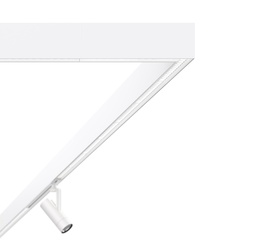
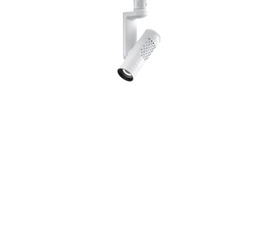
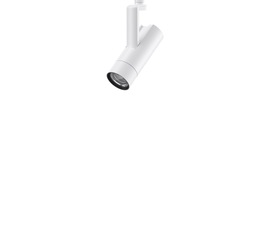
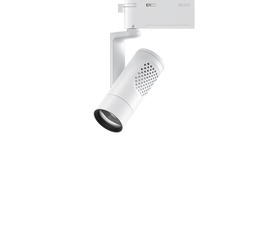
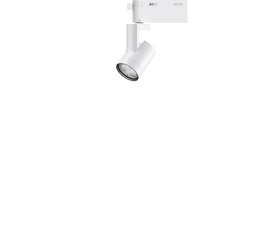
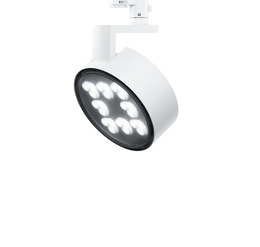
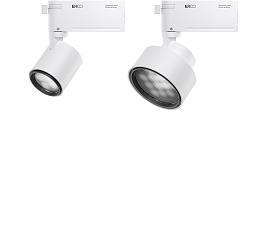
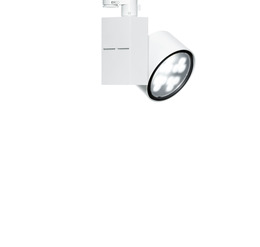
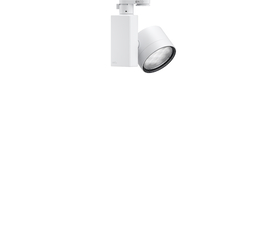
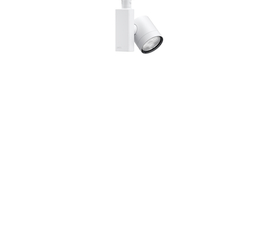
To protect the historic coffered ceilings, the designers opted for Stella spotlights mounted on Hi-trac tracks. This light structure allows wide spans to ensure as few mounting points as possible.
Stella spotlights are used to accentuate individual works; Trion uplights fitted with fluorescent lamps and concealed in partition walls, produce diffuse ambient lighting. The entire technology is installed in the curtain walls to avoid damage to the building fabric. Gauze curtains filter the incident sunlight while allowing a look outside.
Trion uplights have been used to illuminate the lower arcade for many years and provide indirect ambient lighting that creates a distinctive atmosphere.
Lighting tools used
Hi-trac track and light structure
Introduction
Product overview
Stella
Introduction
Product overview
Guide
The Guide section provides thorough information on everything from the physical bases of lighting to suggested solutions for different lighting situations. The interactive knowledge modules vividly illustrate lighting solutions that are possible with this product range.
Accentuation
Emphasising objects to attract attention
Track
Tracks as the basis for flexible lighting design
Wall-mounted luminaires
Spotlights
Flexible luminaires for tracks to produce accent lighting

Ceiling
Object
Gallerie d’Italia, Piazza Scala
Neues Museum, Berlin
Nasjonalmuseet for kunst, arkitektur og design (Museum of Architecture)
Max Ernst Museum
Lois & Richard Rosenthal Center for Contemporary Art
Exhibitions and galleries
3.504 people like ERCO