Iwami Art Museum in Shimane Arts Centre 'Grand Toit', Masuda, Shimane Prefecture, Japan

The Shimane Arts Centre, known as 'Grand Toit' (Large Roof), is a nationally acclaimed cultural venue designed by renowned architect Hiroshi Naito. The facility embodies Naito's philosophy of creating buildings that "breathe" with their cultural surroundings.
The Shimane Arts Centre, known as 'Grand Toit' (Large Roof), is a nationally acclaimed cultural venue designed by renowned architect Hiroshi Naito. The facility embodies Naito's philosophy of creating buildings that "breathe" with their cultural surroundings.

This connection to local heritage is manifested most strikingly in the building's exterior: its expansive roof and walls are clad with approximately 280,000 locally crafted Sekishu-gawara tiles. These are highly prized, traditional Japanese roof and wall tiles, fundamental to the Iwami region's cultural identity. Distinct for their durable red hue and glossy, glass-like coating, the tiles are renowned for their weather resistance and unique aesthetic quality ¬ shifting dramatically in color from shades of red and orange to hints of gold and green, depending on the sun's angle. This dynamic, light-reactive material set a high bar for the interior lighting design, which needed to support a similarly organic and changing environment.

The center functions as a dual-purpose institution, housing the Iwami Art Museum and the Iwami Arts Theatre. The primary architectural concept for the entire complex was a conscious integration of natural light wherever structurally possible. The architect deliberately utilized side windows and skylights throughout the museum, creating an interior atmosphere that organically shifts throughout the day. Consequently, ERCO—known for its museum-grade quality and precision—was chosen for the critical areas of the Exhibition Halls and main Foyer, where controlled, high-quality, and supplemental accent illumination is non-negotiable for art conservation and flexible display.
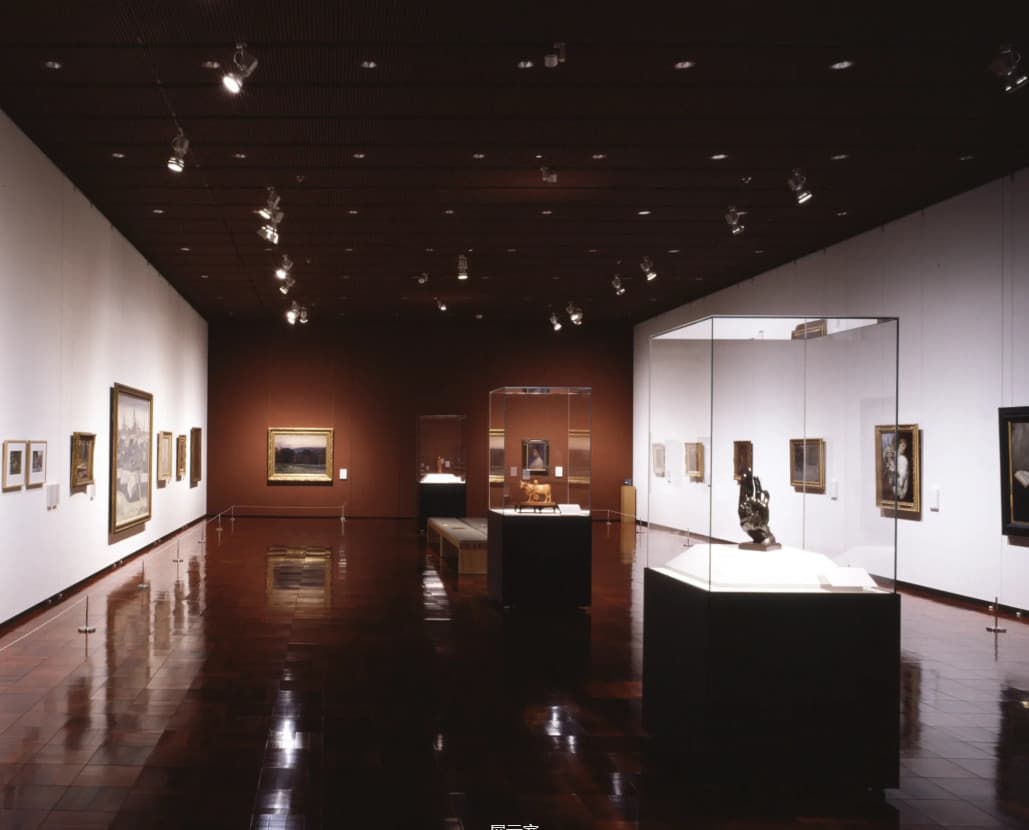
The museum's original installation relied on ERCO Eclipse QT-12 halogen spotlights. While these offered excellent light quality and precision, the halogen technology was inherently high in energy consumption, generated heat harmful to sensitive artefacts, and required high maintenance. The transition to LED was essential for sustainability and conservation. The challenge for the refurbishment was to replace the warmth and precision of the original ERCO halogen spotlights with LED technology that could maintain the same quality and control required for museum-grade accent lighting, all while seamlessly complementing the architect's primary reliance on natural light.
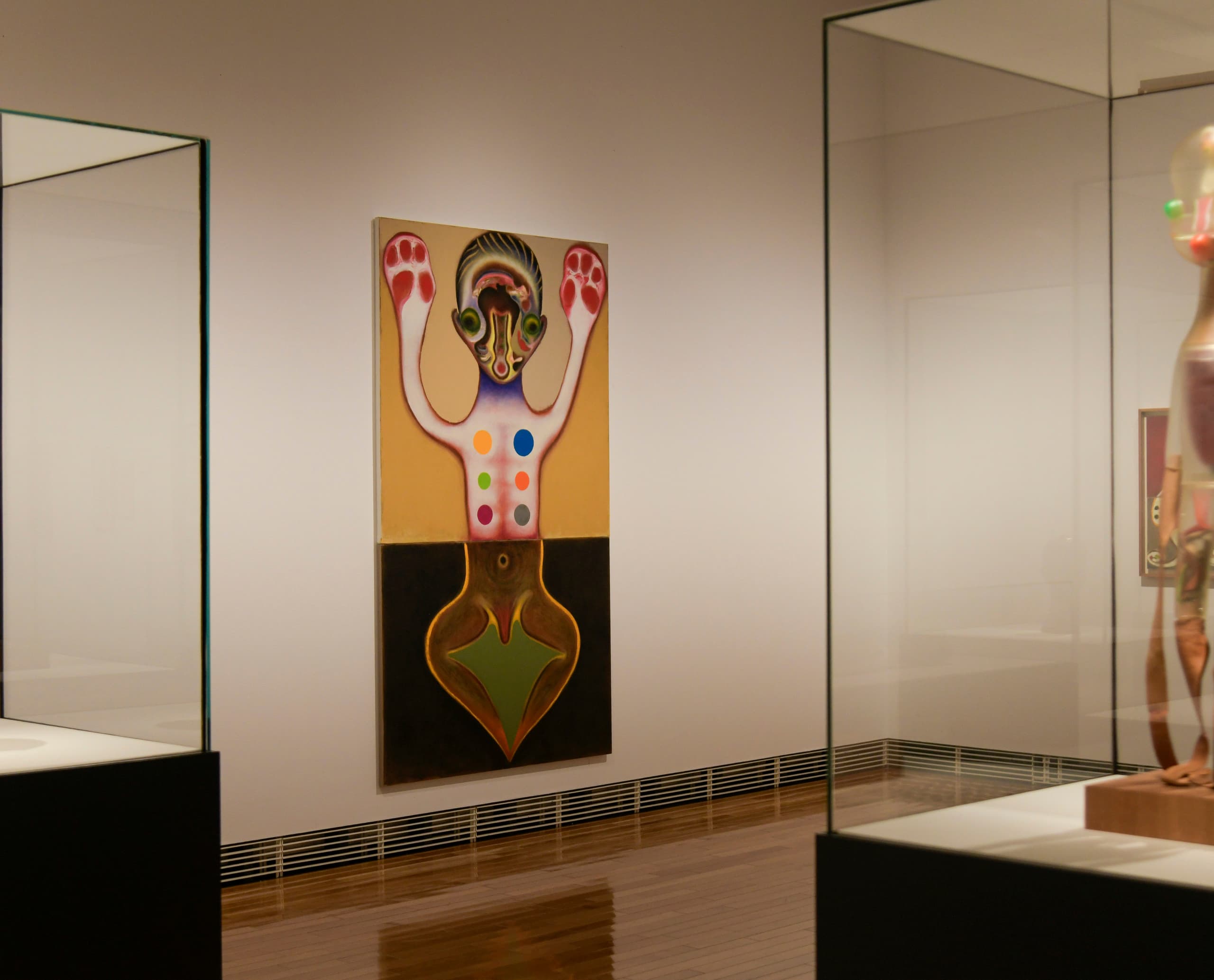
The Shimane Arts Centre chose the high-performance ERCO Optec LED spotlight range for the relighting project, utilizing existing track infrastructure. This choice ensured a modern, energy-efficient solution that upheld the high standards of light quality necessary for art display.
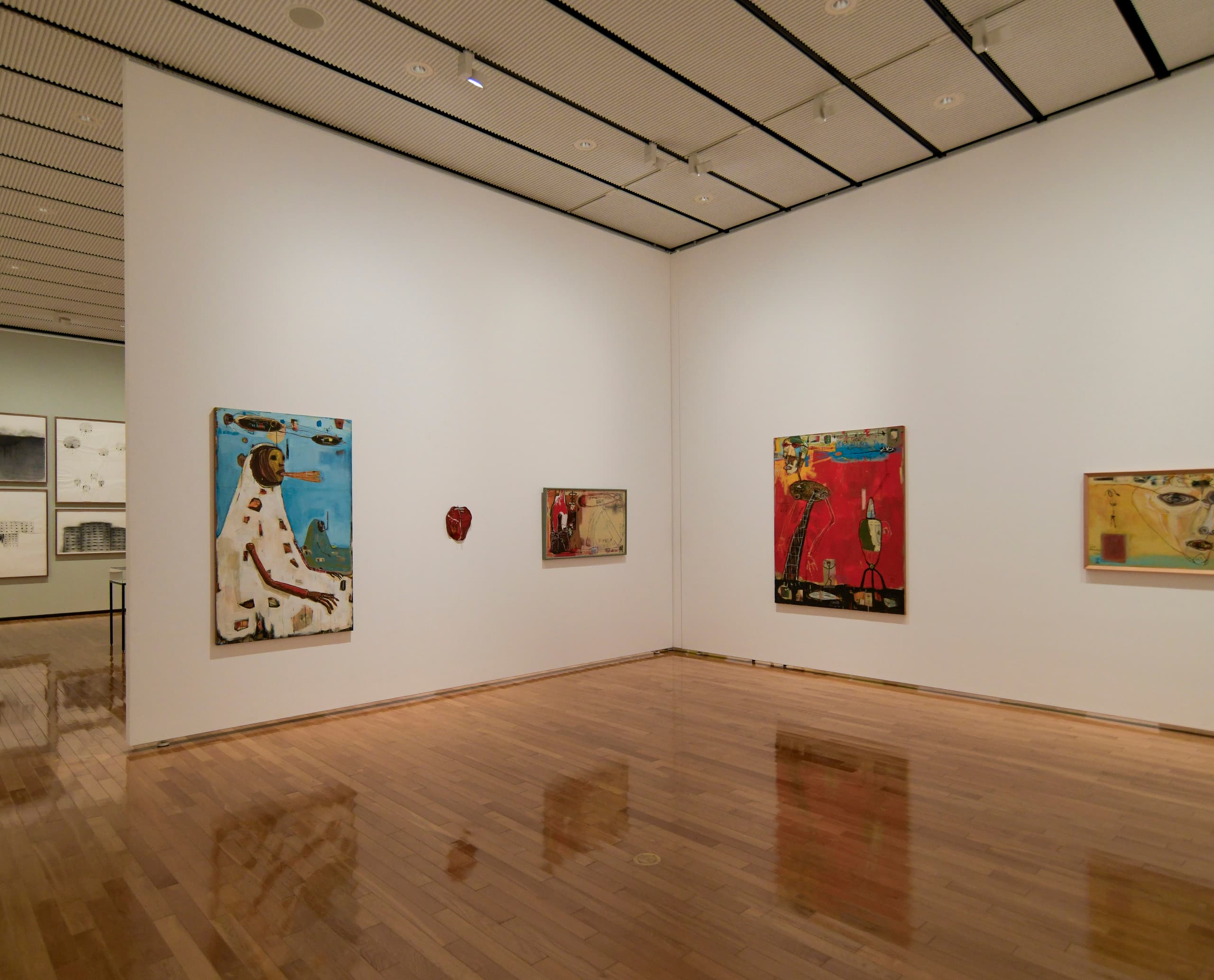
The core function of the ERCO lighting is to provide flexible, accent-focused illumination that steps in to supplement, balance, or override the incoming natural light, particularly on cloudy days or in the evening.
The museum’s capacity for diverse exhibitions, such as the major retrospective of local artist Izumi Kato (featuring more than 200 works from paintings to sculptures), is fully supported by the Optec system.

The Optec LED luminaires are strategically employed in the foyer to highlight key architectural details, information counters, and circulation areas. This accent lighting acts as a smooth, welcoming transition from the bright, dynamic exterior light to the controlled atmosphere of the galleries.
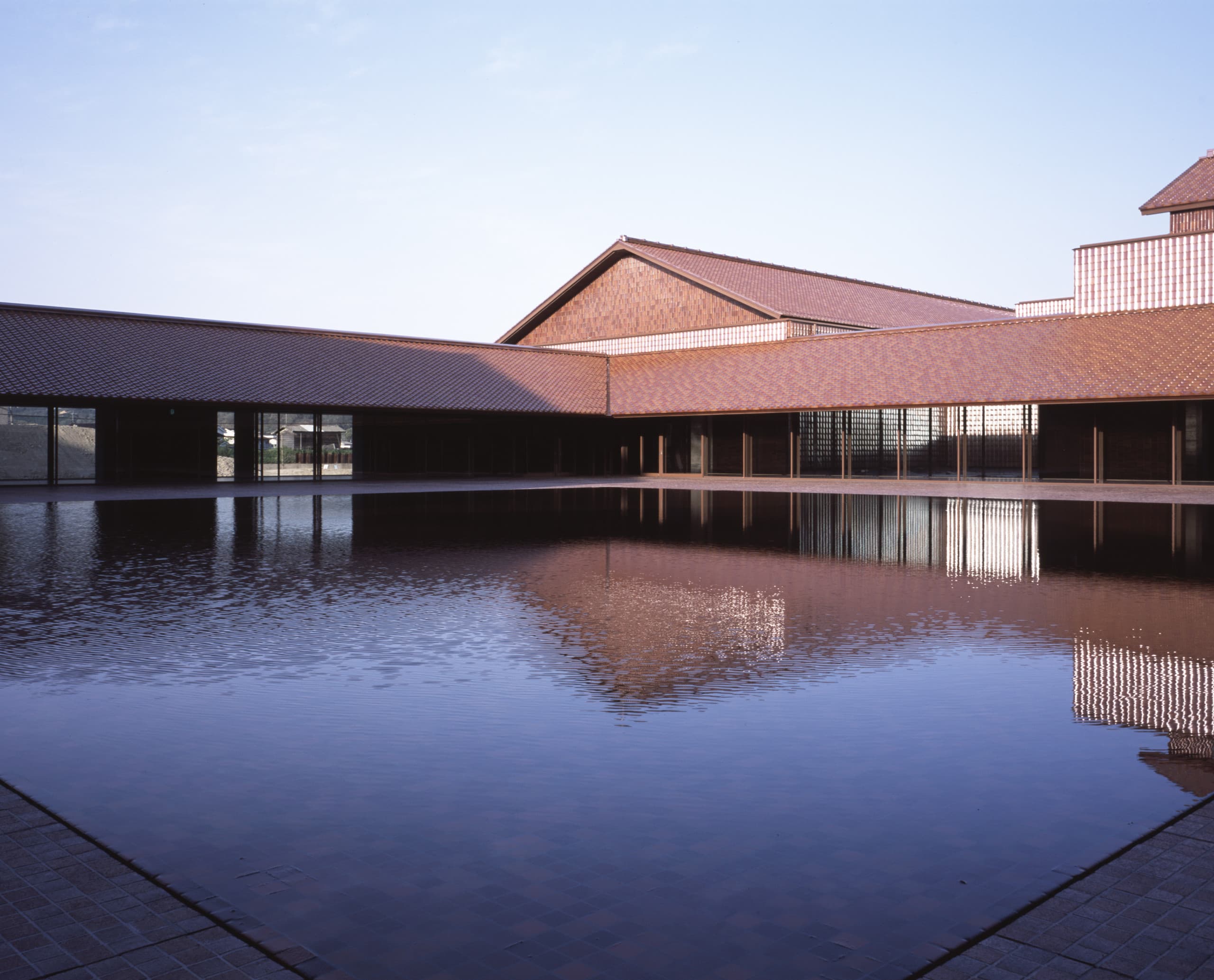
The seamless integration of the ERCO Optec LED system represents a major step in the Shimane Arts Centre's long-term operational strategy. By executing a respectful relighting that utilizes the best of modern LED technology, the museum has:
The ERCO Optec spotlights thus serve as the unseen technical force that allows the culturally sensitive architecture of Hiroshi Naito and the legacy of the Sekishu-gawara tiles to shine, ultimately focusing attention on the art and culture within.

