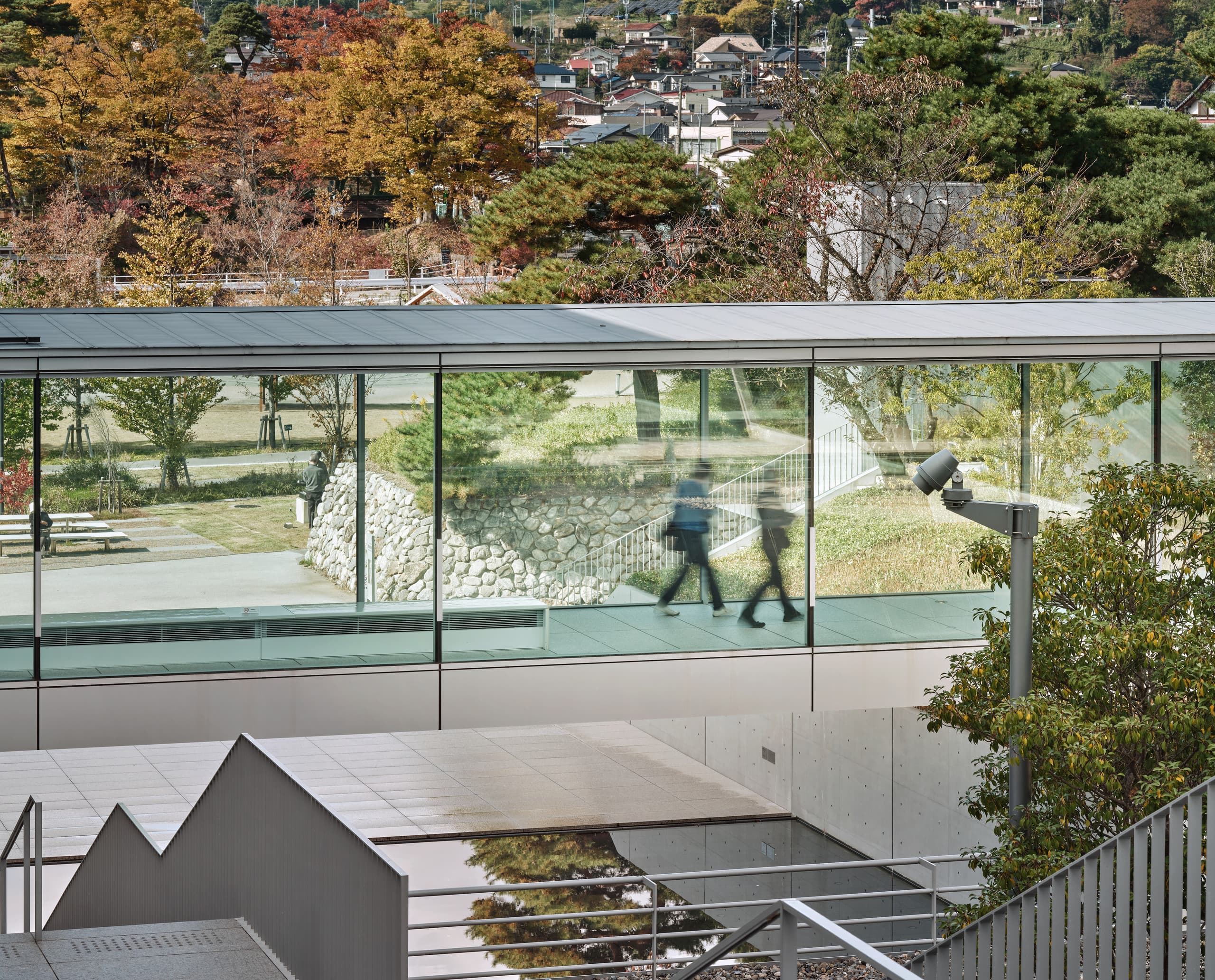
Nagano Prefectural Museum of Art: The Vision of a Landscape Museum

Opened in 2021, the Nagano Prefectural Art Museum stands as a masterclass in contextual, low-impact architecture. Designed by the acclaimed architect Hiroshi Miyazaki, the venue replaces its predecessor with an overarching structural philosophy rooted in two fundamental pillars: a "connecting museum" and a "landscape museum." To support this delicate architectural dialogue between heritage, community, and the natural world, a high-precision ERCO museum lighting infrastructure was integrated into the core exhibition environments. By treating light not as an ornament but as an invisible architectural material, the specialized lighting scheme works behind the scenes to bring Miyazaki’s structural intentions to life after dusk.
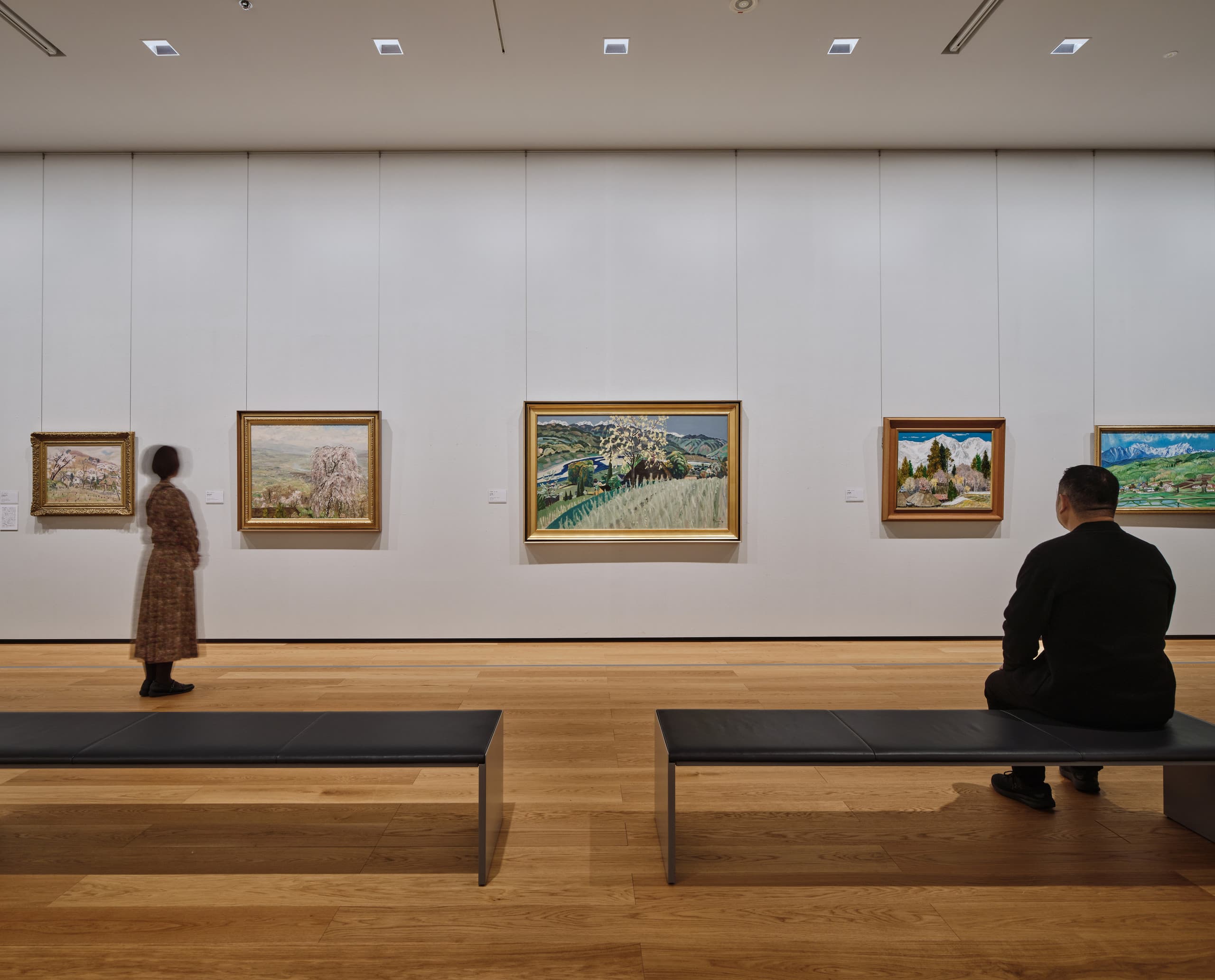
Miyazaki's architecture intentionally avoids imposing structures that clash with Nagano’s historic or natural identity, a philosophy that presented unique challenges for the lighting design. Located immediately east of the National Treasure Zenkoji Temple, the building is designed to blend effortlessly into the environment without protruding, safeguarding the historic townscape in front of the temple gate and the surrounding mountain silhouettes. On the rooftop plaza, known as the "Wind Terrace," a critical line of sight forms a direct axis to the temple’s main hall.
The illumination inside the glass envelope had to ensure that interior spill light would not cause glare or visual obstructions that could sever this sacred nighttime connection. Furthermore, the site features a dramatic 10-meter difference in elevation. Rather than fighting this steep topography, the architecture yields to the slope, integrating seamlessly with Johyama Park and the surrounding shrine groves. With no physical fences or boundaries separating the museum from public parklands and sidewalks, the indoor spaces required a balanced visual transition that respects the dark, tranquil natural setting outside.
A critical element of Miyazaki's master plan was establishing a direct architectural dialogue with the existing "Higashiyama Kaii Gallery," a refined work of modernist architecture designed by Yoshio Taniguchi and opened in 1990.
Rather than competing with Taniguchi’s masterpiece, the new design sits in a balanced juxtaposition, linked harmoniously by a cascading, terraced water feature that utilizes the site's slope. Beyond this physical connection, the design focuses intensely on connecting with people and daily life by incorporating extensive free-access zones.
These include a "pocket park" accessible 24 hours a day without a ticket, alongside spacious indoor public commons where citizens can drop by casually. Designed through ongoing dialogue with the public, the facility functions like a "community garden" or an everyday living room for citizens, featuring elements such as the rooftop area which remains open even after formal museum hours.
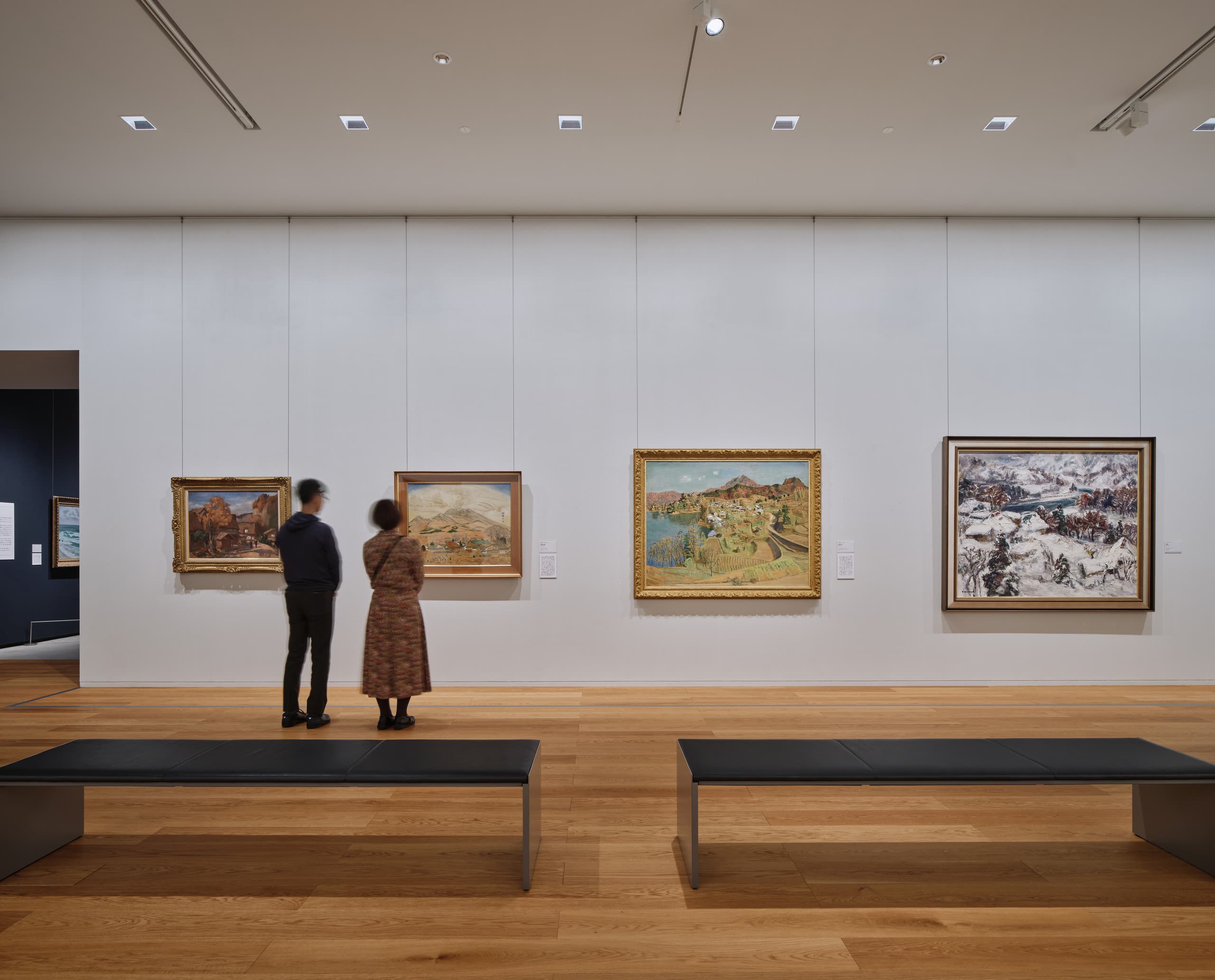
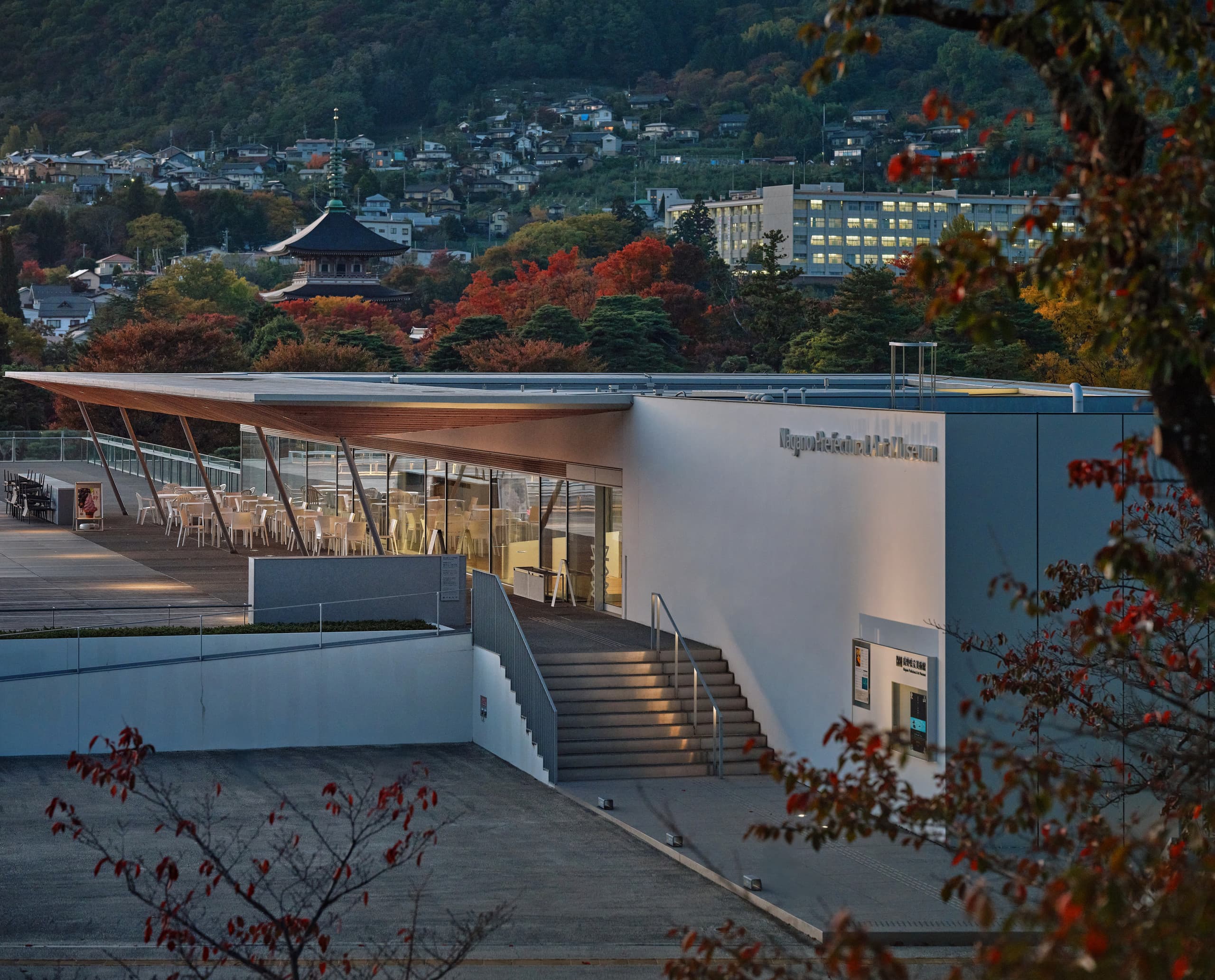
To fulfil this boundaryless, civic experience when visitors step from the open public commons into the primary gallery spaces, ERCO Quintessence Square Wallwasher Downlights were deployed as the foundational lighting infrastructure. In professional museum lighting, illuminating vertical surfaces is critical because human perception registers brightness and spatial volume primarily through vertical planes rather than floors. By providing perfectly uniform vertical illuminance from the ceiling down to the floor inside the exhibition rooms, the Quintessence recessed wallwashers visually expand the interior volumes.
This expansive effect beautifully mirrors the vast glass facades that frame Johyama Park and the adjacent terraced water features outside. By reducing the high contrast between the bright outdoor daylit scenery and the indoor exhibition walls, the architectural wallwashing prevents a restrictive "tunnel effect" and achieves true spatial continuity, creating a soft, ambient atmosphere that matches the airy nature of a true landscape museum.
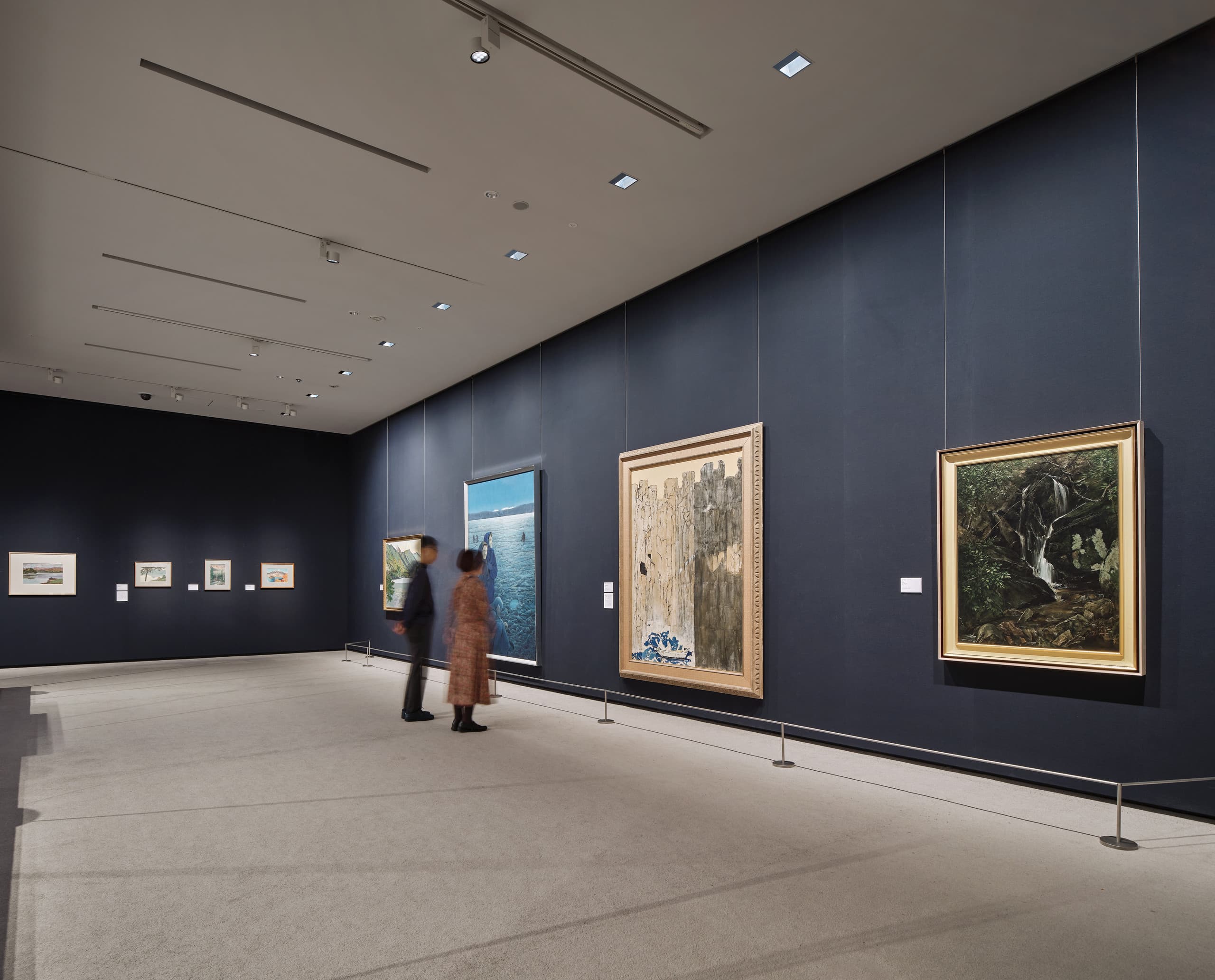
Within the protected, enclosed exhibition areas designed to shield National Treasure-class artworks, track-mounted ERCO Optec LED Spotlights were introduced to establish precise focal glow. Not all artworks react well to uniform ambient light, and many require targeted accentuation to bring out their intrinsic qualities, particularly when safeguarding sensitive, high-value historical collections. The Optec spotlights feature interchangeable, high-efficiency tertiary lenses that allow the museum's curatorial team to alter beam characteristics precisely based on the specific layout of an individual exhibition. By delivering light strictly onto specific pieces with no spill light on the surrounding frames or walls, the Optec range creates a striking sense of depth and three-dimensionality. Boasting an exceptional Colour Rendering Index (CRI), these architectural fixtures ensure that the subtle pigments of paintings and the intricate textures of sculptures are rendered with complete fidelity, drawing visitors closer to the art while keeping distracting glare entirely out of their eyes.
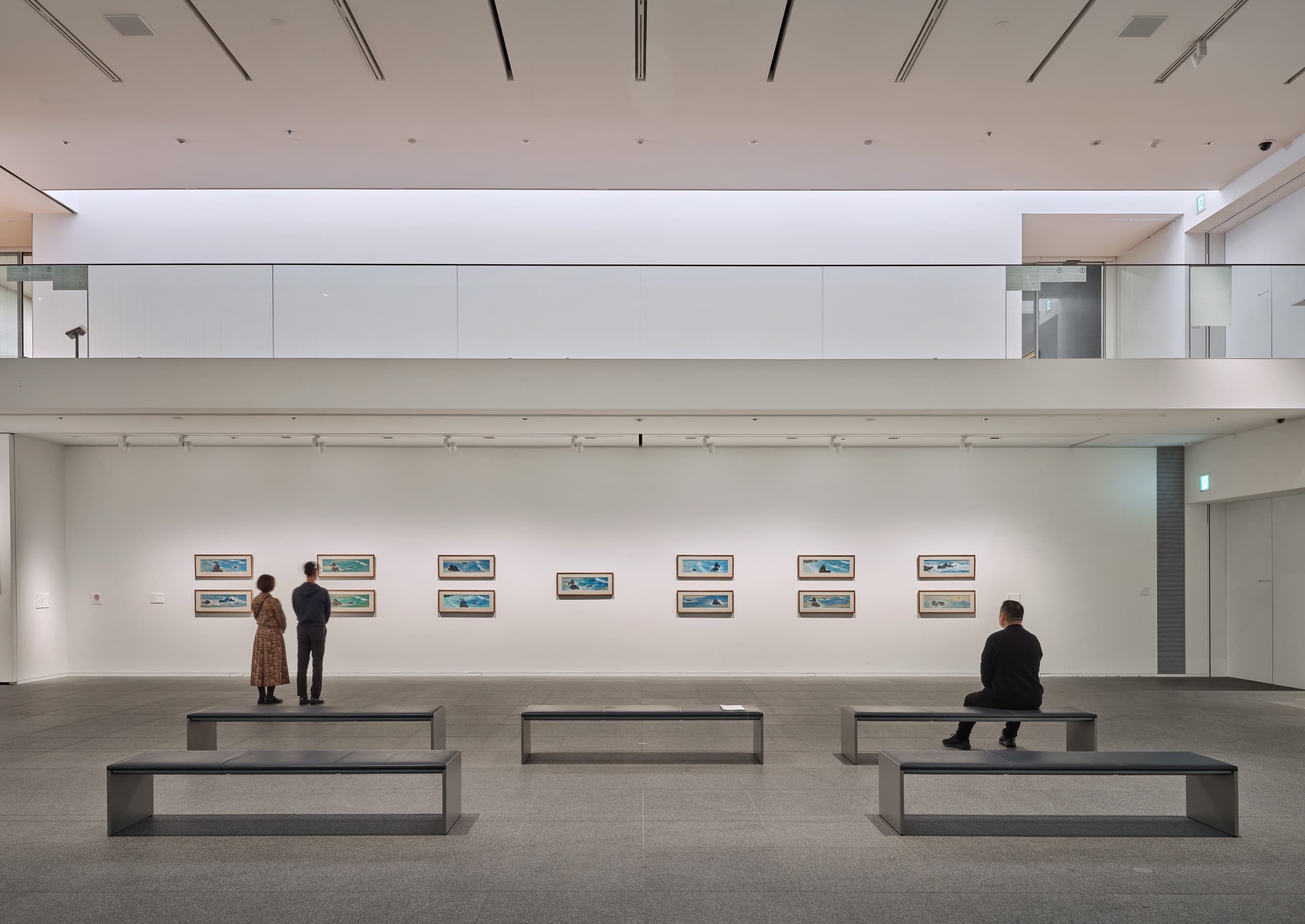

Hiroshi Miyazaki received the prestigious Japan Architecture Grand Prize and the Architectural Institute of Japan (AIJ) Prize for Design for this series of design approaches—which seamlessly integrates both the physical creation of the structure and the careful cultivation of the daily human experiences it fosters. By supporting these environmental, historical, and civic connections with the uniform vertical illumination of the Quintessence series and the adaptive curatorial control of Optec spotlights within the galleries, the lighting design subtly underscores the project’s goal: creating an open, enduring sanctuary where art, history, and community life naturally come together.