Shadow in lighting design: modeling, texturing, and structuring
Light itself is invisible. What we see is the light source and the effects of reflection and shadow. Light only takes effect when it meets objects that can reflect it.
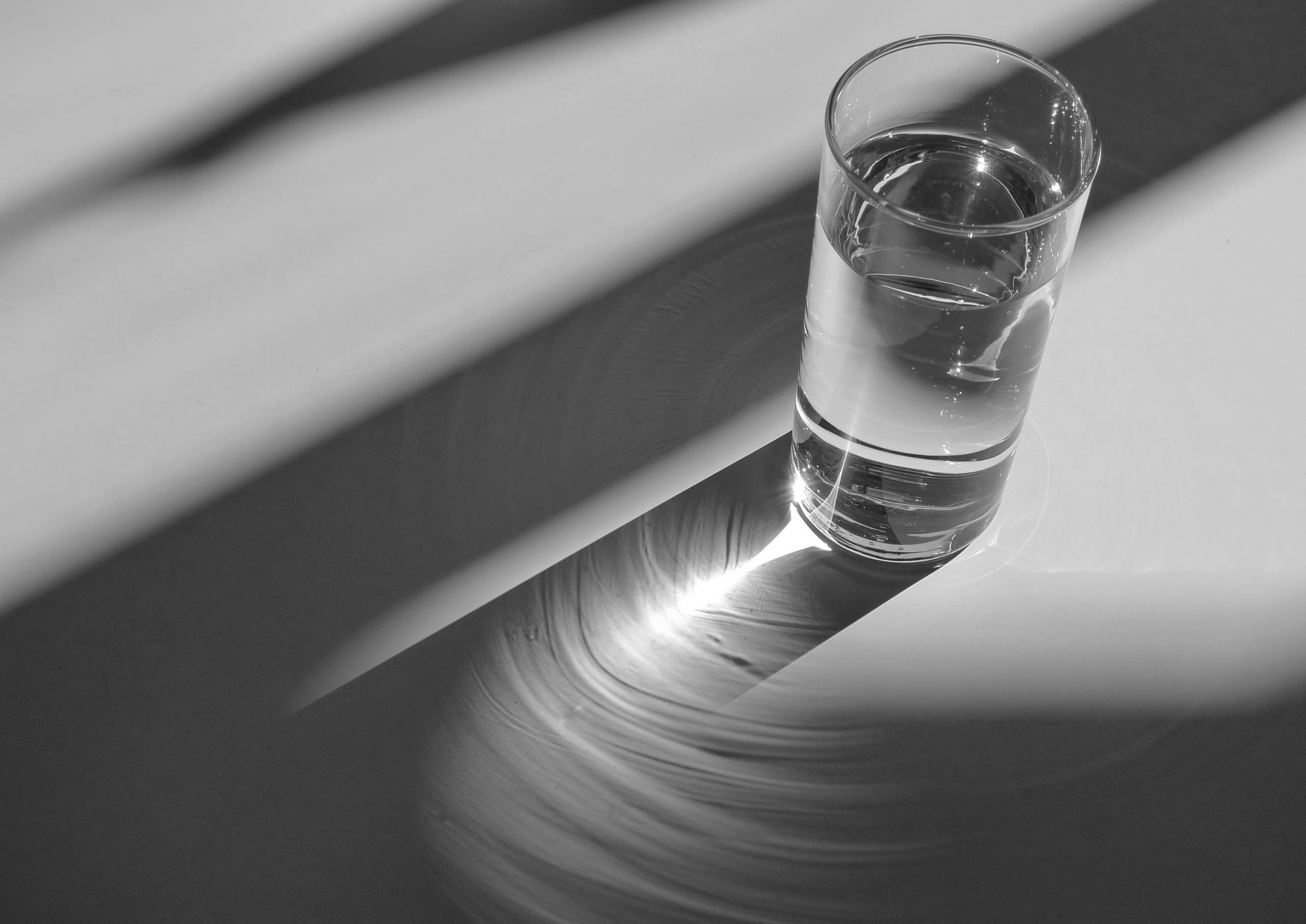
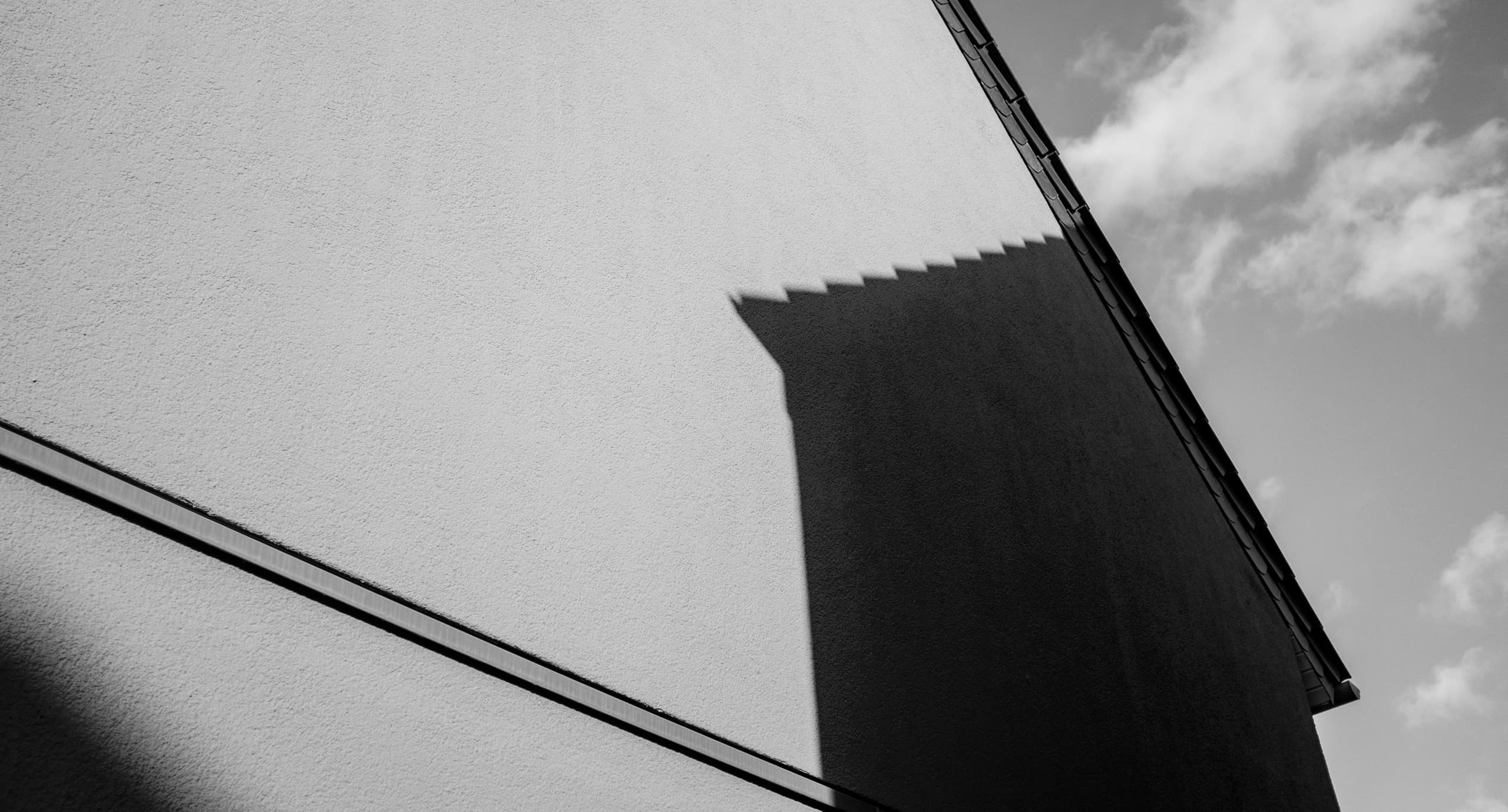
Directional front light gives objects clear modeling. Overhead light creates pronounced form shadows, while back light emphasizes the silhouette. The steeper the angle of incidence, the stronger the shadow effect on the lower surfaces.
0% of the course done!
Shadow mastered—keep it up!
This closing section is filled editorially (import ).
The most important points
- 1Test front, overhead, and back light carefully against one another, since each direction creates a completely different shadow and thus a different spatial effect.
- 2Plan for a steeper angle of incidence when you want to create stronger shadows and more plasticity on the lower surfaces of an object.
- 3When designing a light mood, try blocking out the object and looking only at its shadow—this quickly shows you whether the direction of light really works.


Next lesson