T5/T8 fluorescent lamp ban

Lamp ban 2023: How to quickly switch to efficient LED lighting solutions without time-consuming conversions
As of 2023, the ban on T8 and T5 fluorescent tubes has been in effect. Discover alternative solutions now.
Since February 2023, the EU RoHS Directive has gradually banned the sale of conventional light sources such as T5 and T8 fluorescent lamps. This means the time has come for operators of older lighting systems in offices and public buildings to switch to LED technology. Refurbishment with LED lighting solutions, however, also makes sense in other areas. Benefit from the high potential for energy saving offered by efficient LED luminaires while simultaneously getting your lighting system future-proof.
Replace fluorescent lamps with LED luminaires: That’s how easy it is
We analyze your current lighting status with you and advise you free of charge and without obligation to find a practicable LED lighting solution for your specific situation.
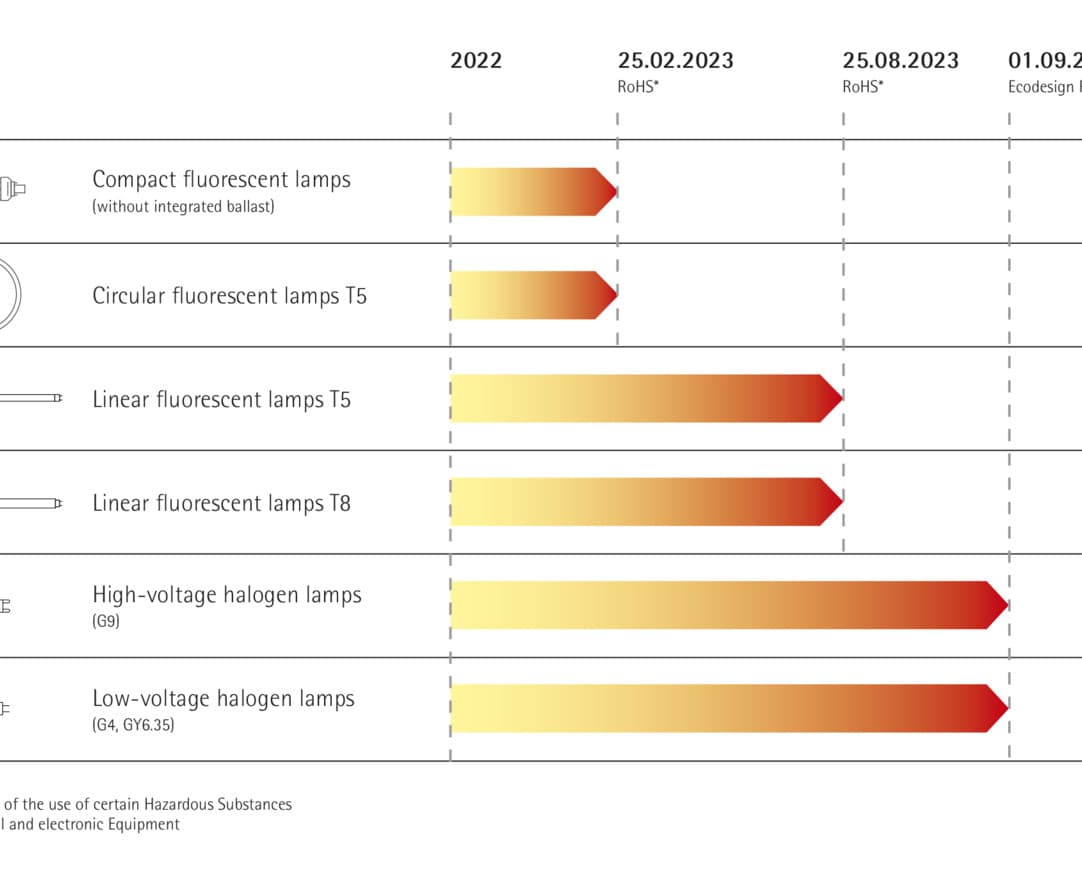
Which lamps are being banned?
The RoHS Directive has established the T8 and T5 ban as well as the halogen lamp ban since 2023. Although the use of mercury in electronic devices has been banned for many years, there have been exceptions for fluorescent tubes such as T5 and T8, compact fluorescent lamps and other special lamp types. Since August 2023, T8 and T5 fluorescent tubes, among others, may no longer be placed on the market in the EU.
Why is refurbishment with LED lighting worthwhile?
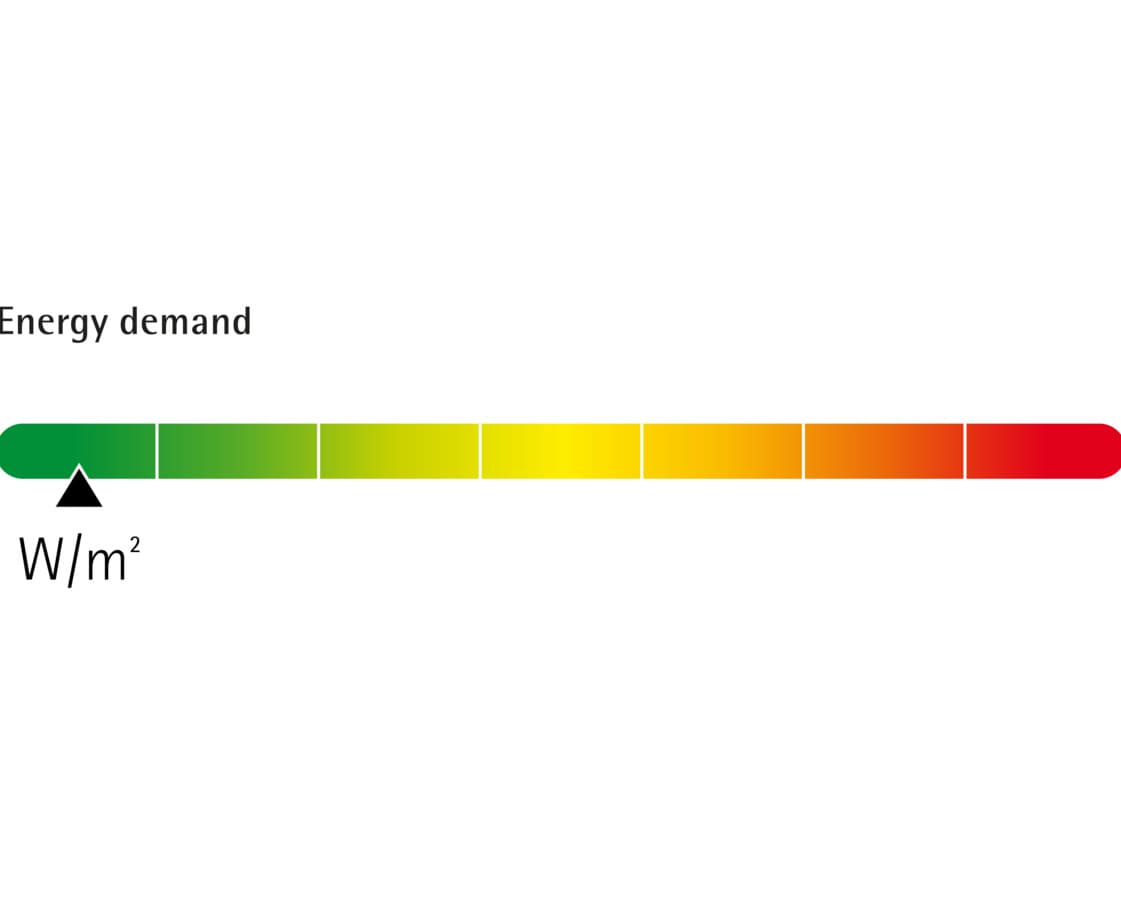
You can save a considerable portion of your electricity costs by switching to LED lighting. It is also advisable to upgrade from fluorescent lamps to LED technology to avoid maintenance problems. By switching to modern LED lighting, you will benefit from intelligent connectivity: Control via Bluetooth, the integration of sensors or technologies such as tunable white are now possible.
The advantages of refurbishing to LED with ERCO
- No conversion of the ceiling necessary: We integrate our luminaires into your existing infrastructure. Practical and economical.
- Save up to 85% energy and carbon dioxide. This is the path to achieve sustainability goals or certifications in your project.
- Long service life, low maintenance costs. Benefit from longer maintenance intervals and high functional reliability over years.
- Integrate daylight and presence sensors or program light scenes. This way you will not only reduce your energy consumption but also make your lighting smart.
- Two approaches: Replacing your existing lighting with LED or re-lighting with customized light for your needs.
Switch to LED now - supported by ERCO
To better adapt the lighting to your architecture and user activities, it makes sense to replace a grid ceiling with fluorescent tubes with LED lighting, for example. Flexible track downlights for standard-compliant task lighting and wallwashers ensure an optimum impression of brightness.
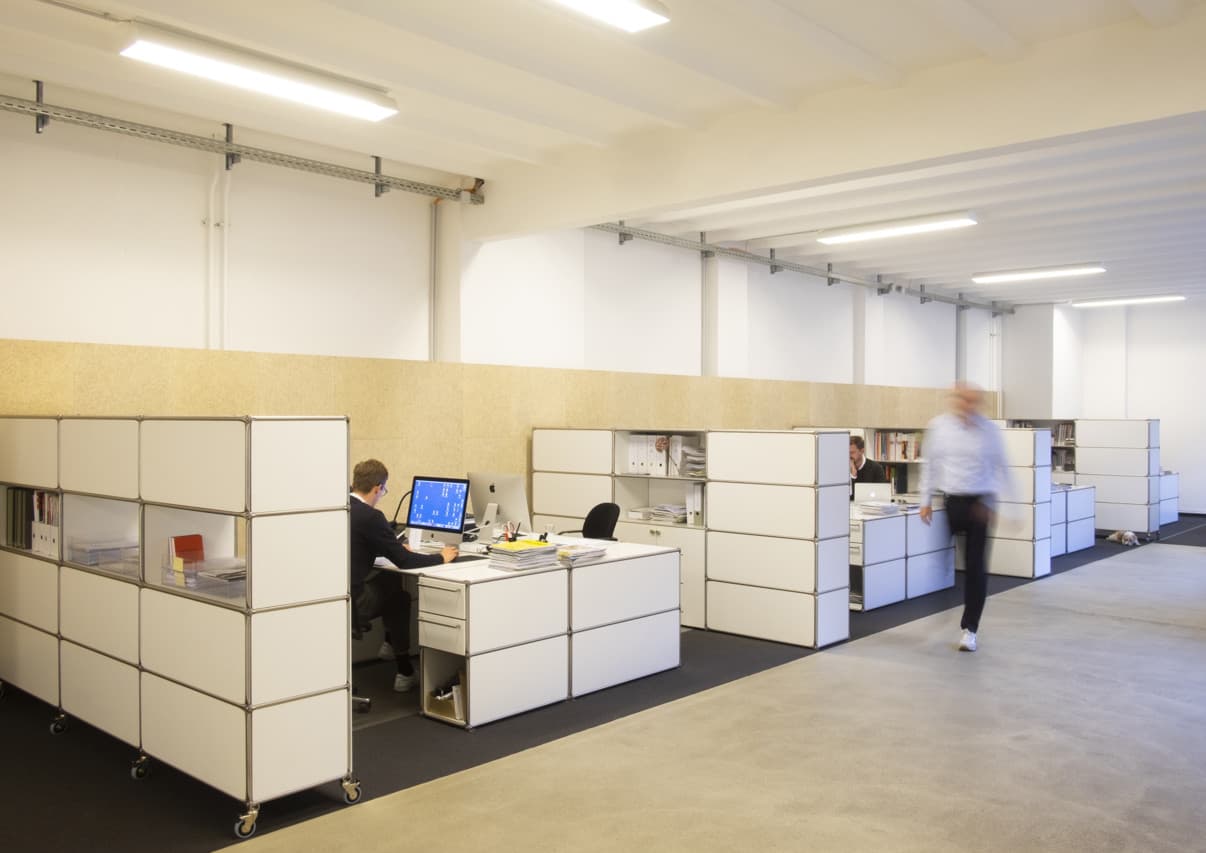
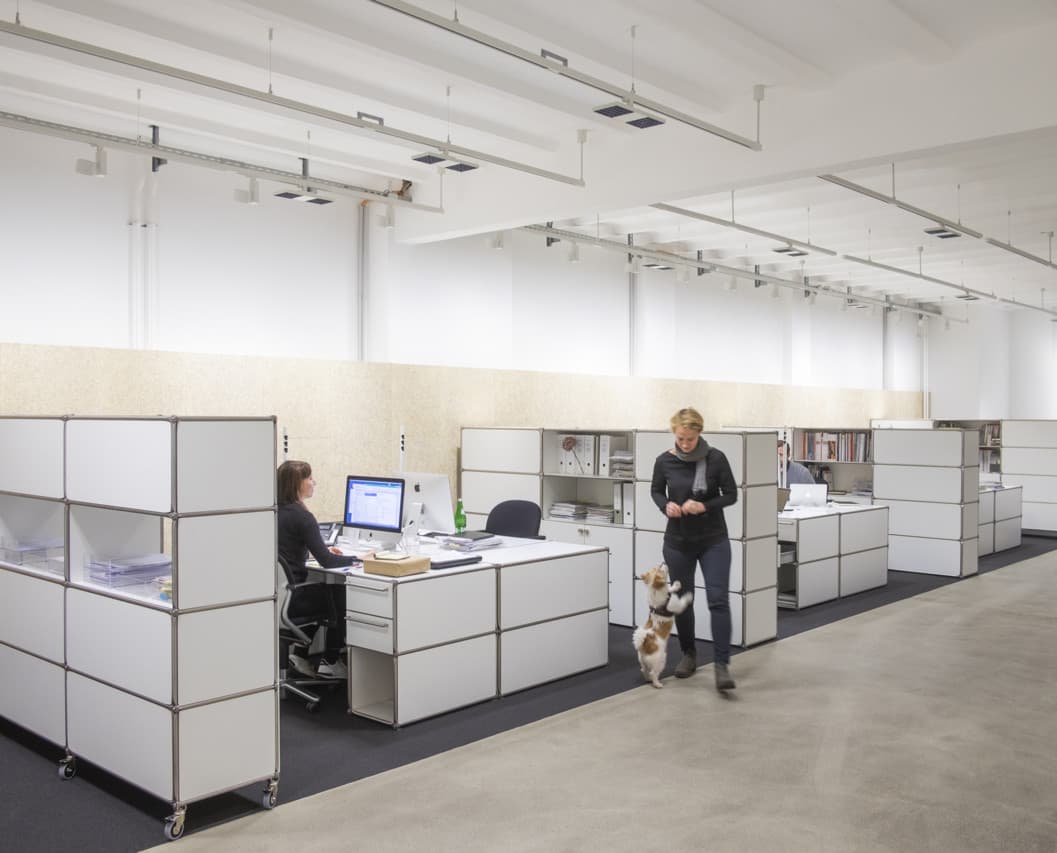
Relighting: Modern and customized light
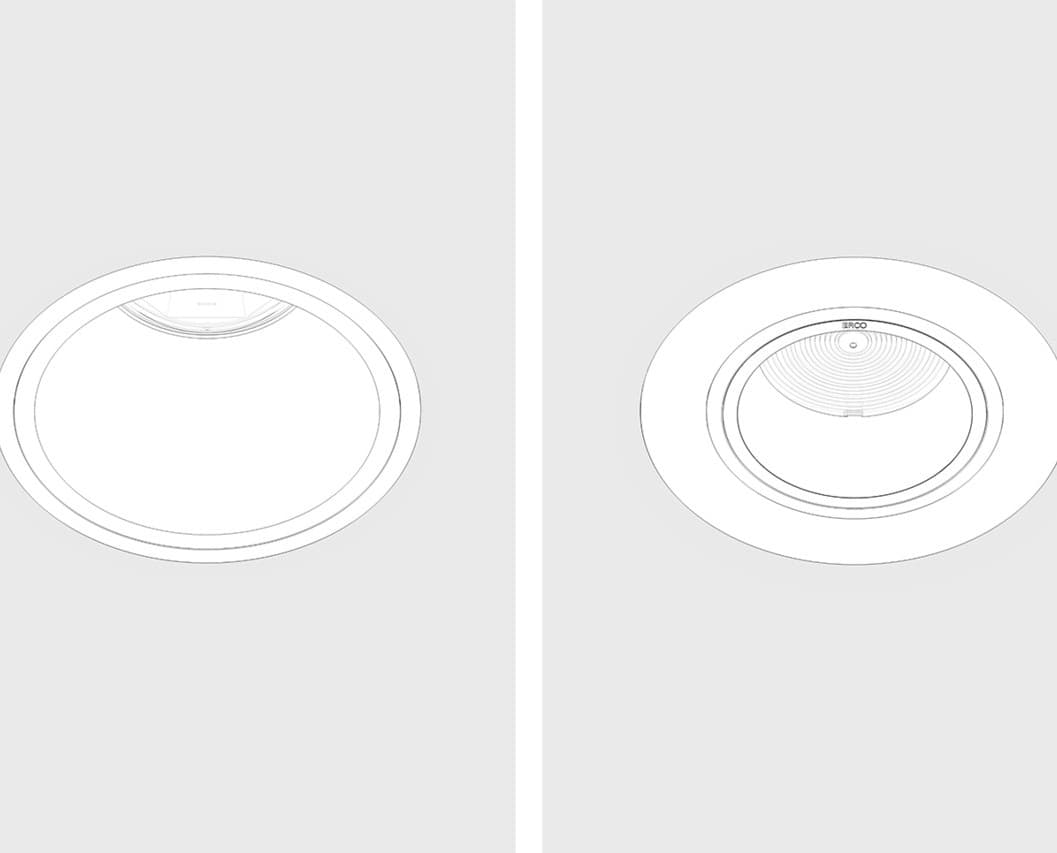
Refitting: New ERCO LED luminaires to match your ceiling cut-outs
You are using downlights with conventional lamps and want to replace them? We design our ERCO LED downlights with matching shims so as to fit exactly into your existing ceiling cut-outs.
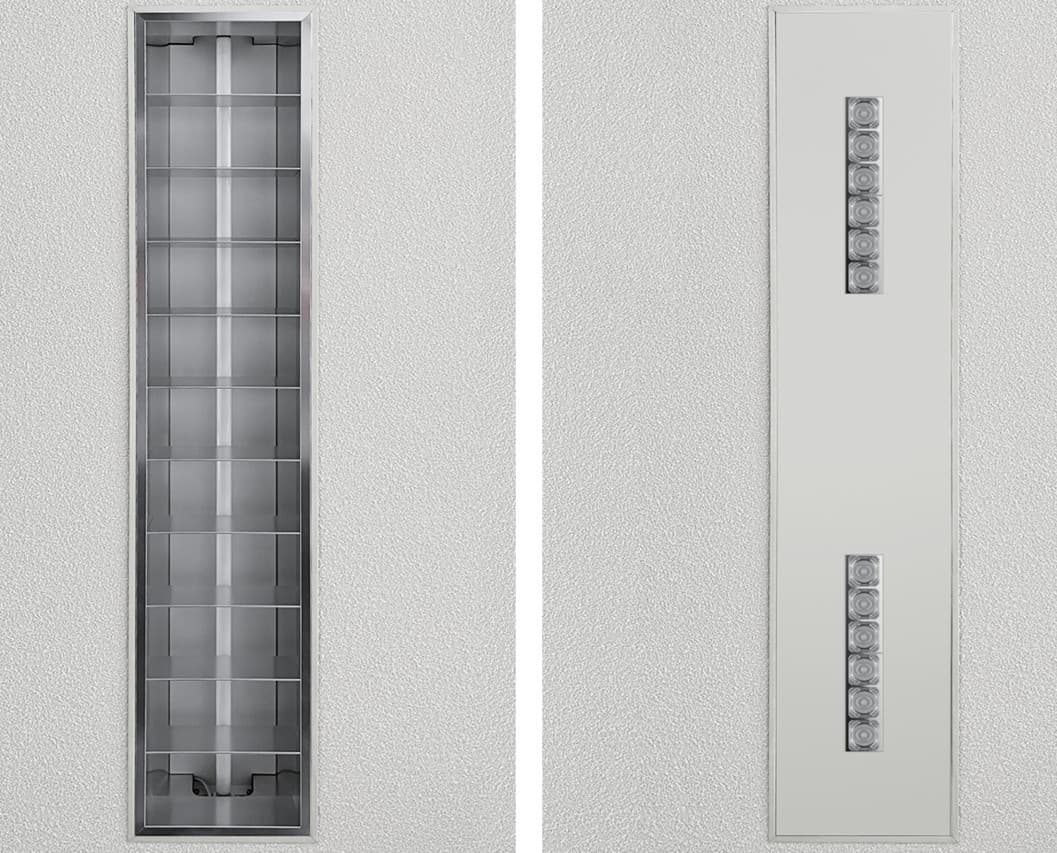
Refitting: Linear luminaire becomes ERCO LED lighting solution
Instead of converting the ceiling and creating a new infrastructure, we will use the ceiling cut-outs of your existing installation to realize comfortable and efficient lighting solutions for you. Uncomplicated and attractively priced.
Discover successful ERCO Relighting projects
Ferry Porsche Congress Centre, Zell am See
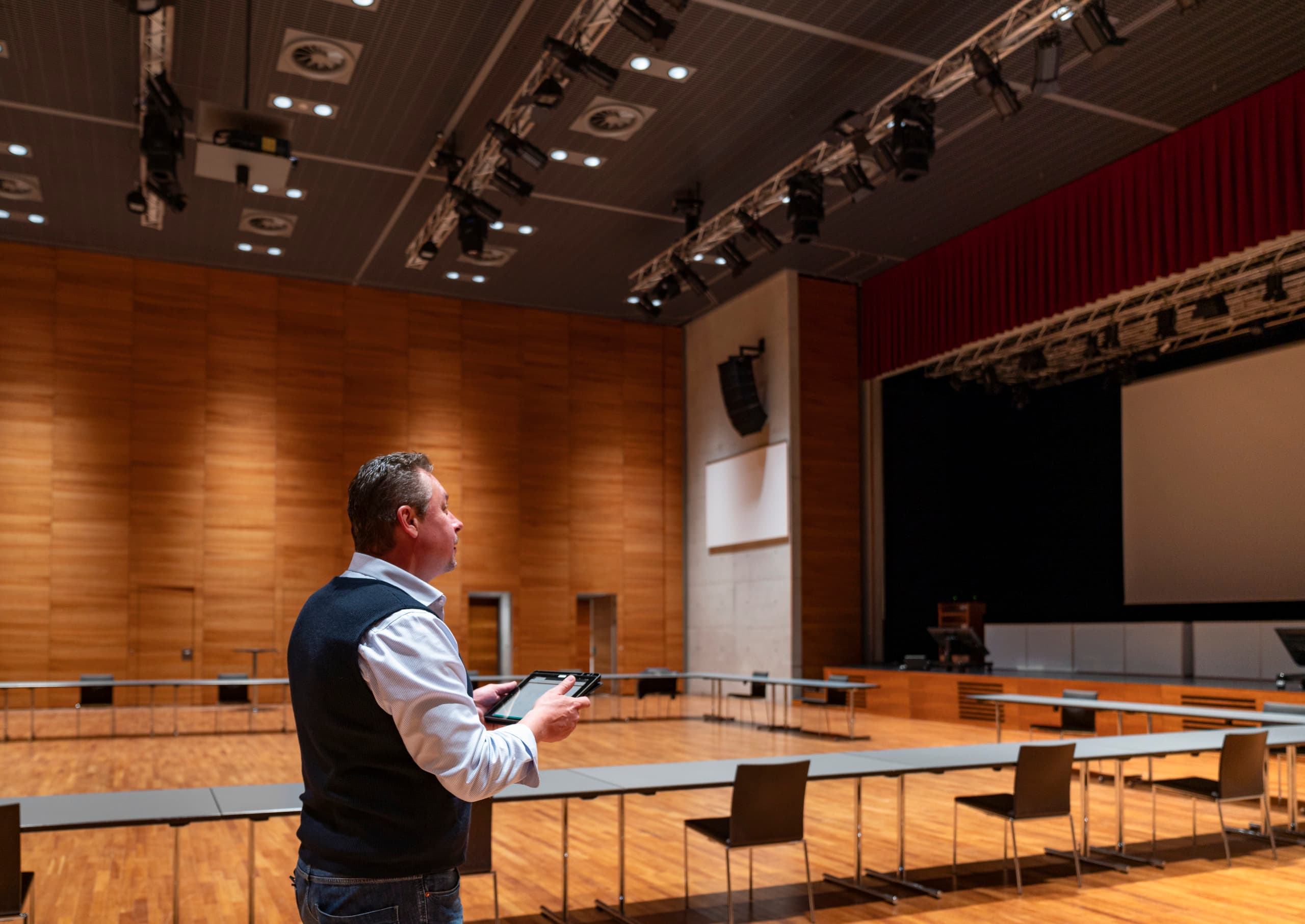
In 2020, LED re-lighting was implemented, justified by procurement problems of conventional light sources. The new LED lighting led to an enormous increase in efficiency. In fact, the new lighting system requires merely a quarter of the energy previously required and, thanks to its lower heat generation, also reduces the building’s cooling load. An energy saving of 75%. Architecture: Perler und Scheurer Architekten BDA and architect Jens Giesecke. Photography: Gavriil Papadiotis

Schauspielhaus Düsseldorf
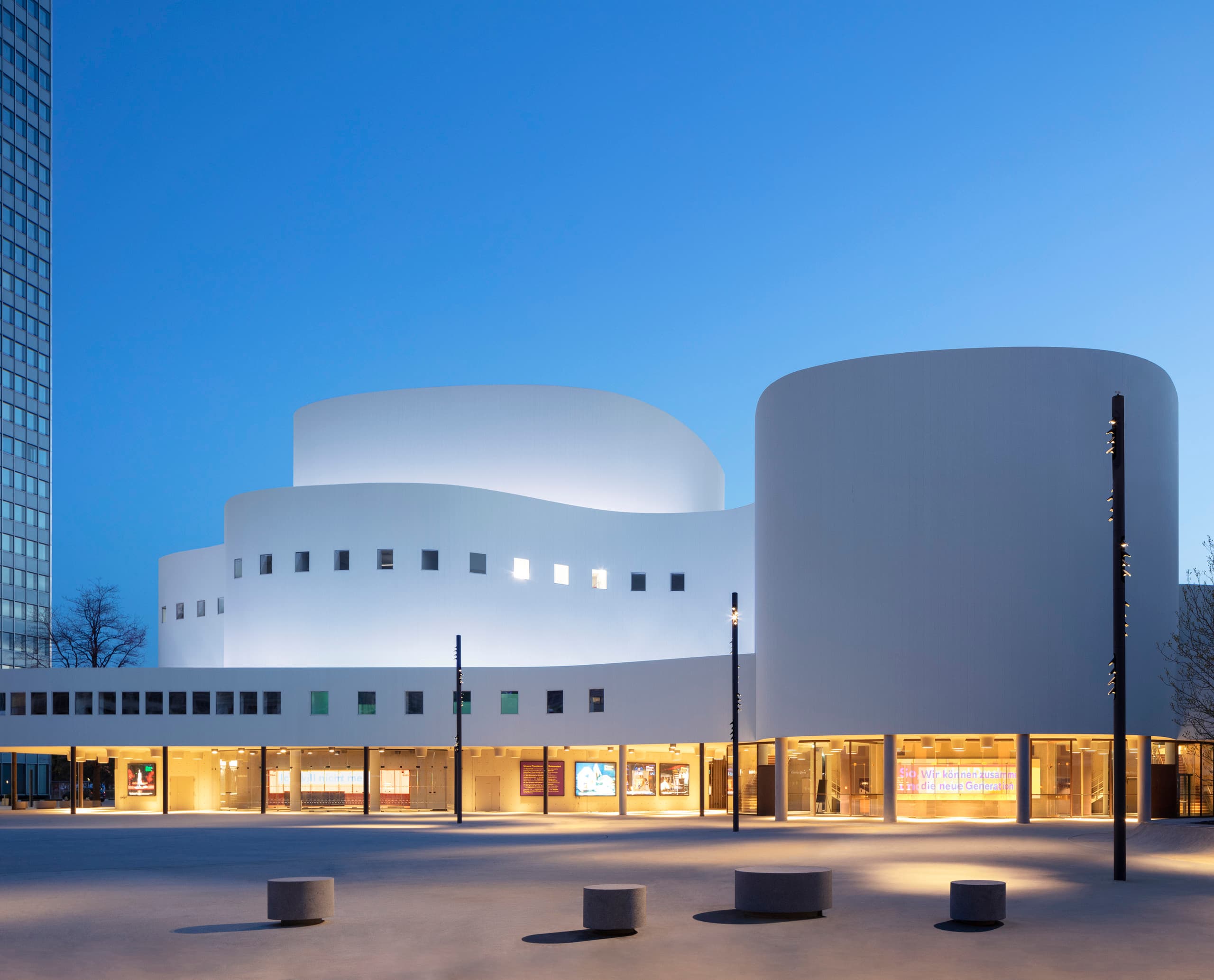
In 2020, just in time for its 50th anniversary, the theatre at Gustaf-Gründgens-Platz, completed in 1970, celebrated its reopening after extensive refurbishment – with new LED lighting solutions individually adapted to the listed structures on site. A variety of lighting scenes for different types of use can be pre-programmed and retrieved as required. Architecture: ingenhoven architects, Düsseldorf. Lighting design: Tropp Lighting Design GmbH, Weilheim. Photography: ingenhoven architects / HGEsch
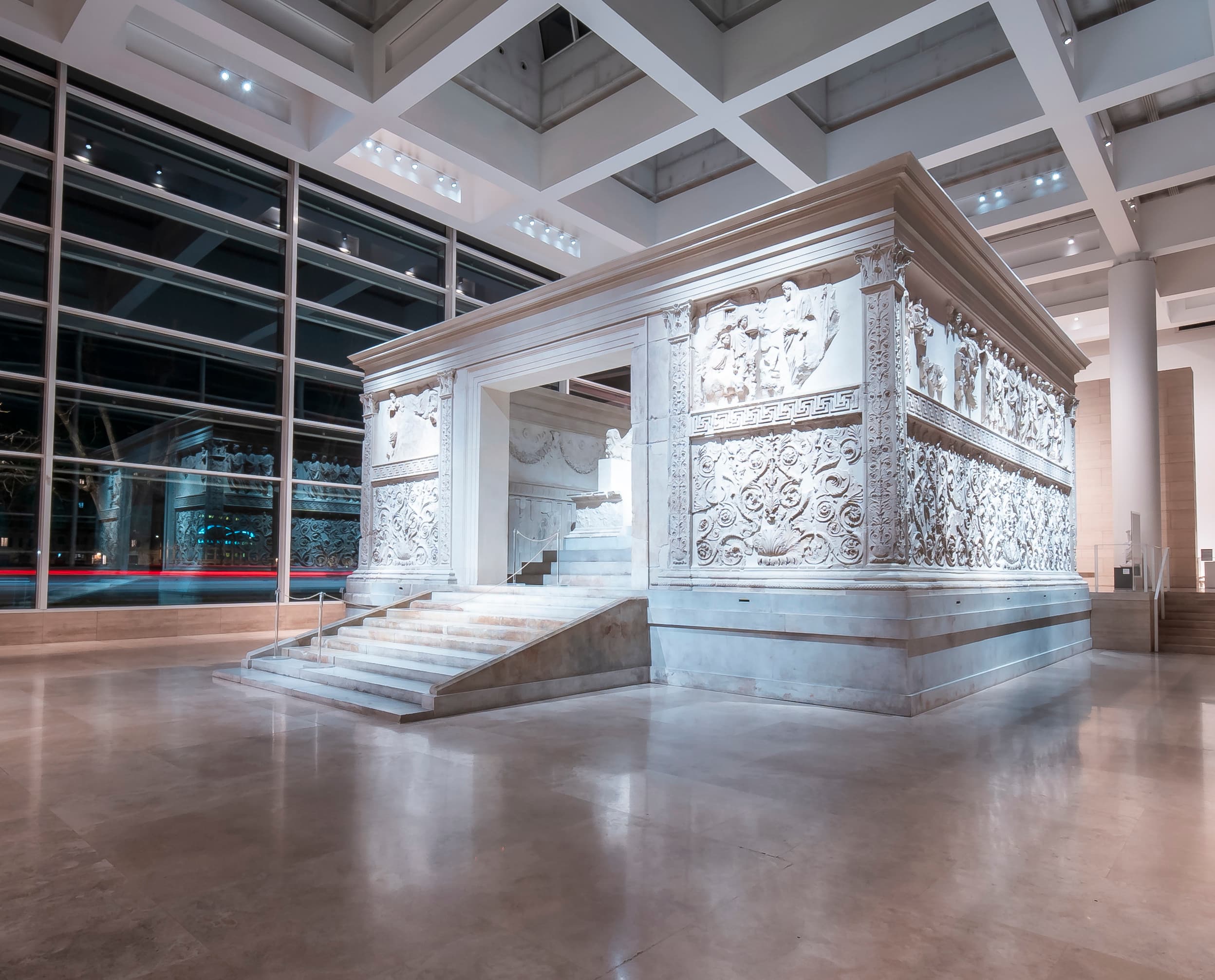
Museum Ara Pacis
The Altar of Augustan Peace is one of the most important ancient monuments in Rome. In 2006, Richard Meier + Partners created the glass building of the Museo dell’ Ara Pacis, which protectively surrounds the altar. The original lighting concept for the building was changed to comprise energy-efficient, low-maintenance LED spotlights and wallwashers from ERCO – achieving energy savings of some 85%. Architecture: Richard Meier & Partners, New York / USA. Photography: Marcela Schneider Ferreira

German Museum of Technology (Deutsches Technikmuseum) Berlin
The museum is one of the largest houses of its kind in Germany. The lighting with fluorescent lamps contributed a considerable share to the museum’s energy consumption. To realize potential savings, the original lighting was converted to LED technology from ERCO in 2016. The conversion will enable the museum to save EUR 125,000 in energy costs annually, corresponding to a reduction in CO2 emissions of 395 tones. Lighting design: Karsten Krause, Berlin. Photography: Dirk Vogel
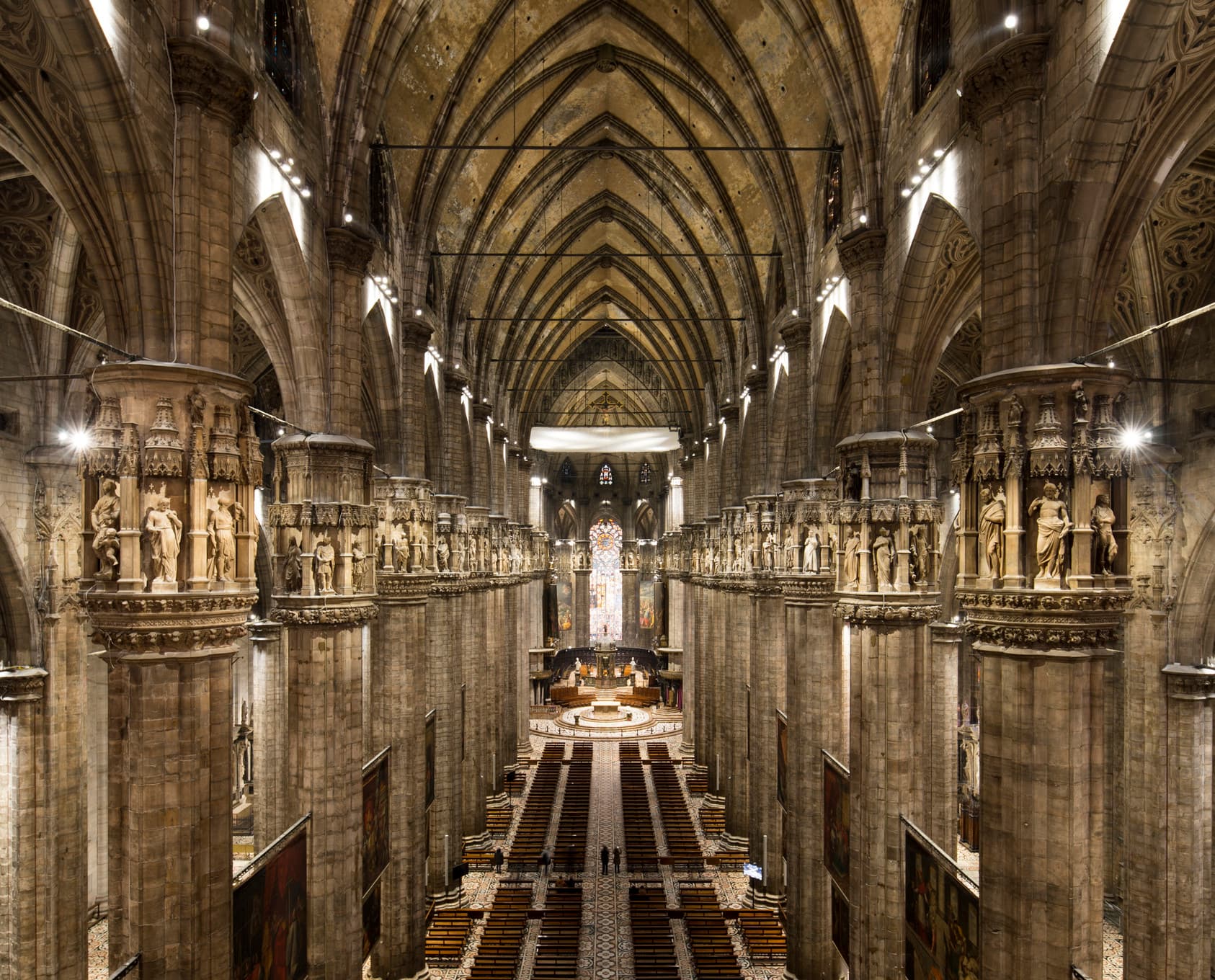
Milan Cathedral
On the occasion of the World EXPO 2015, the interior of the Milan Cathedral was newly illuminated. An investment in LED lighting tools takes lighting to a new aesthetic level in terms of quality and is amortized through long-term savings in energy and maintenance costs. Despite a higher number of luminaires, the connected load has been reduced from 70kW to 23.7kW. Lighting design: Ferrara Palladino e Associati, Milan. Photography: Moritz Hillebrand
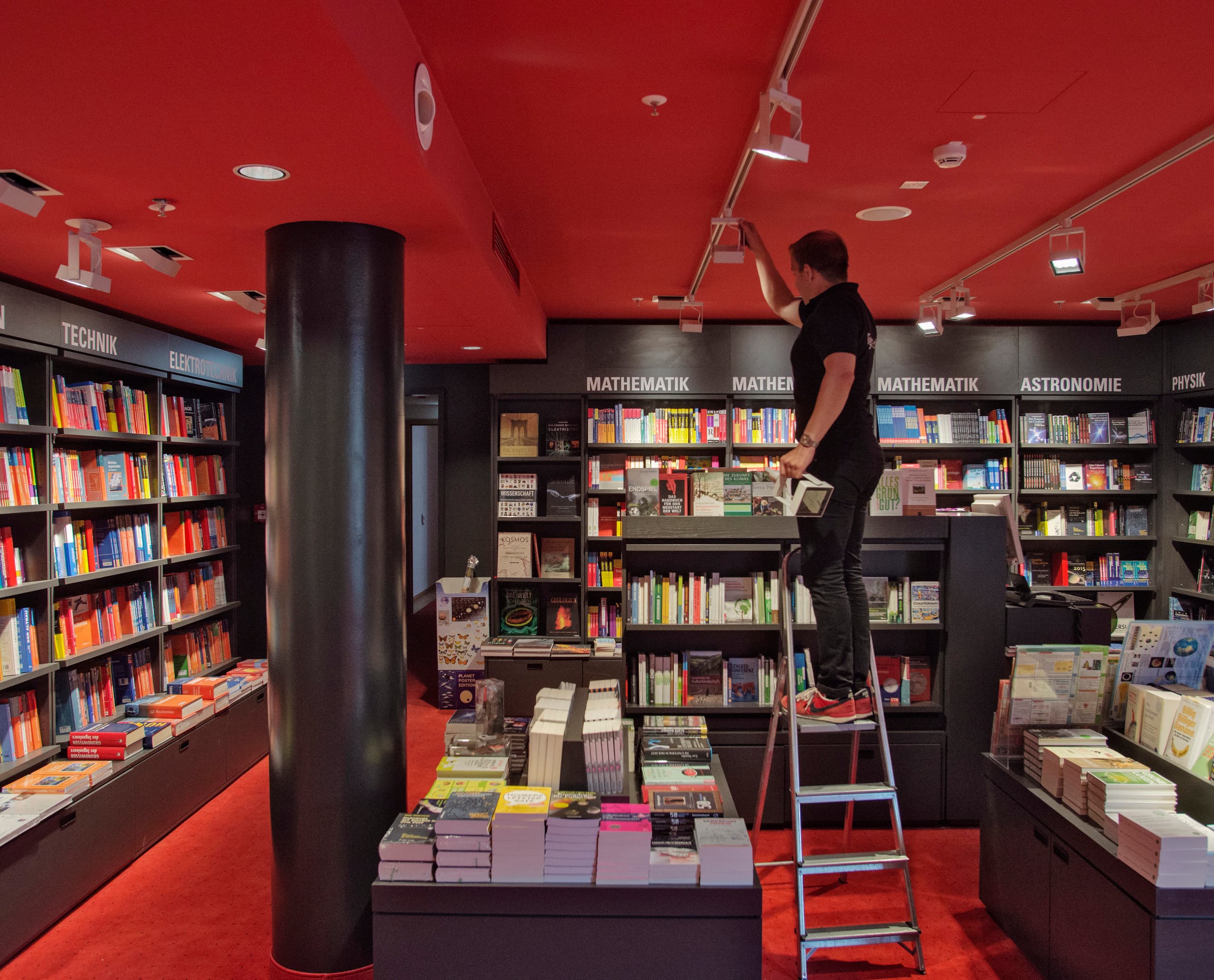
Dussmann das Kulturkaufhaus, Berlin
Nearly two decades after its founding, the cultural department store has been revamped, accompanied by an LED refurbishment. Key decision criteria for the operators were lighting quality, service life of the ERCO luminaires and their replacement reliability. Investment costs were outweighed by the efficiency of the new lighting solution. Energy costs were reduced from a six-figure to a five-figure range. Interior design: ROBERTNEUN Architects, Berlin. Photographer: Rudi Meisel