Lighting for green walls: how to design light for a living wall

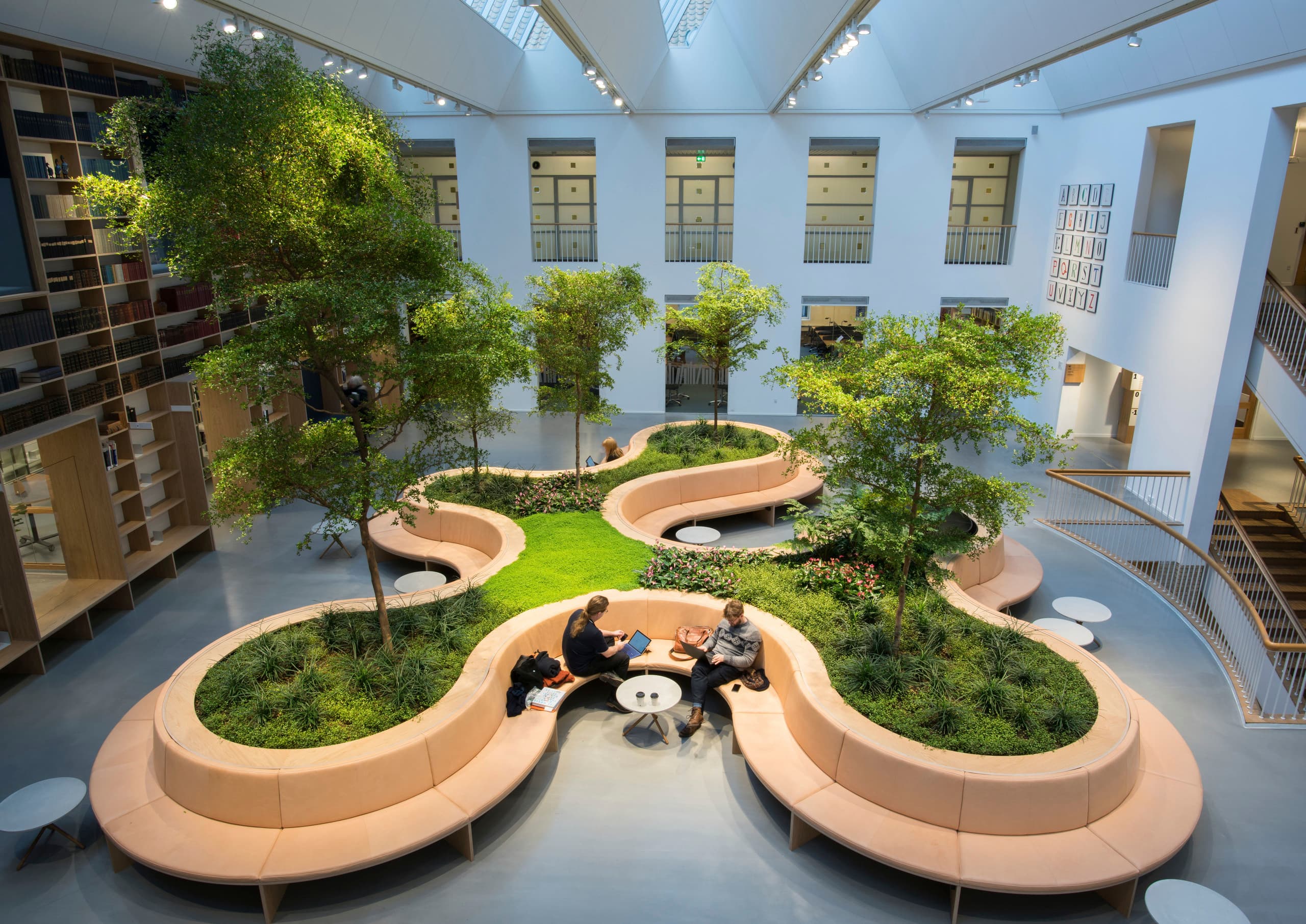
Whether in offices, reception areas, foyers or restaurants: green walls are not only the trend in interior design, but also contribute to greater well-being and a better indoor climate. With their positive effect on the indoor climate and quality of stay, they are seen as a building block towards user-oriented sustainable interior design.
Especially with vertical green walls in indoor spaces, the factor of light plays a decisive role and should be carefully included in your lighting design. Good lighting design ensures the continued health of the plants.
In this article, find out how you as an architect, interior designer or lighting designer can design optimum lighting for green walls, which steps you should pay attention to in your lighting design and which luminaires and light sources are particularly suitable.
What you should know about illuminating a green wall
Download our comprehensive white paper. This contains instructions and all the technical information you need for illuminating green walls. From planning to realisation: we provide you with the most important information for implementing your project.

What kind of light do plants in green walls need?
Do green walls need special luminaires?
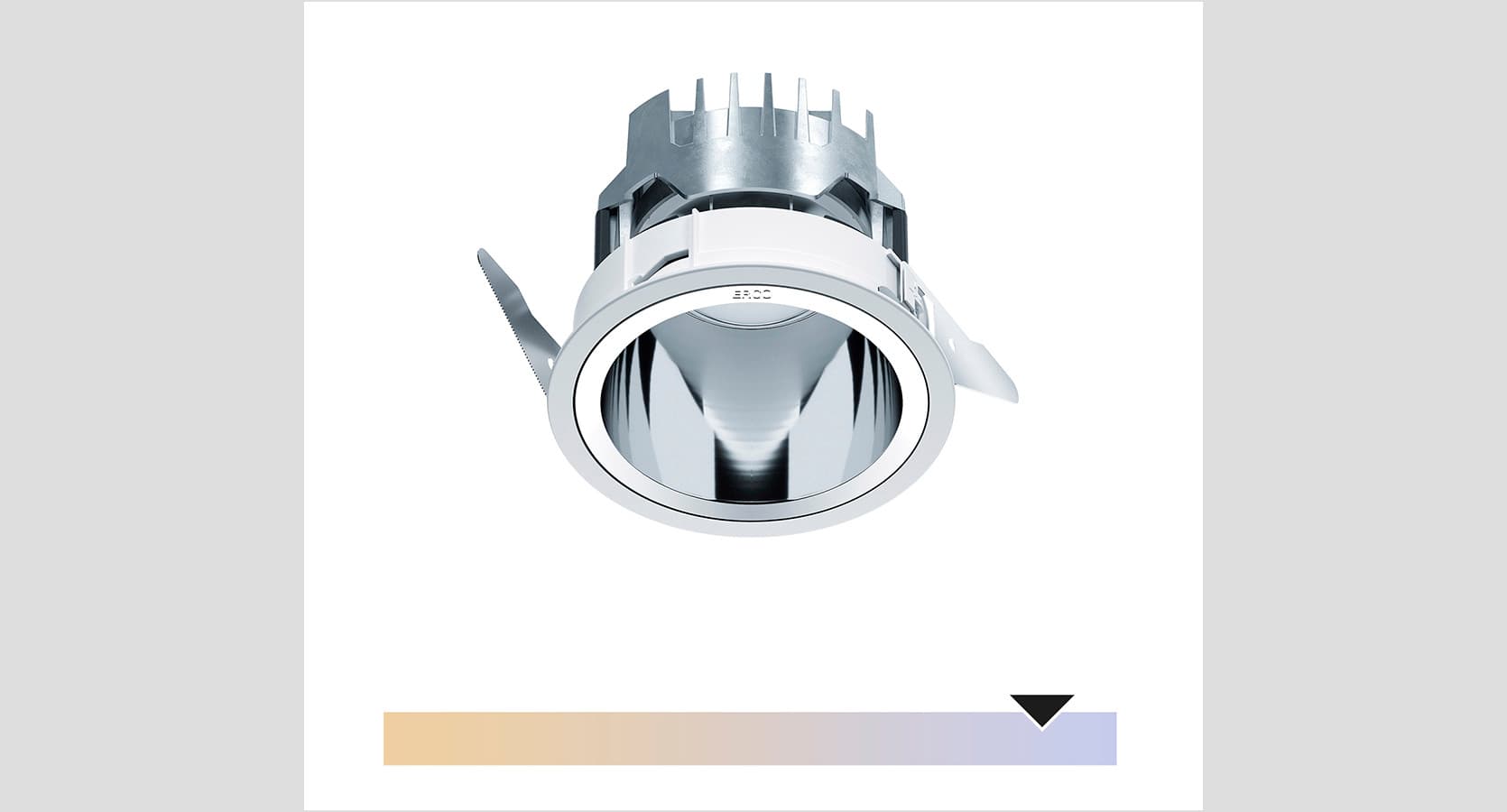
To ensure that an organic green wall thrives and is well maintained in the long term, the correct brightness and duration of lighting are of high importance in addition to a suitable light spectrum. In your project you should primarily consider the specific requirements of the plants. Although the lighting criteria for green walls differ from those of architectural lighting, there are luminaires that are ideal for both applications.
Which light spectrum is suitable?
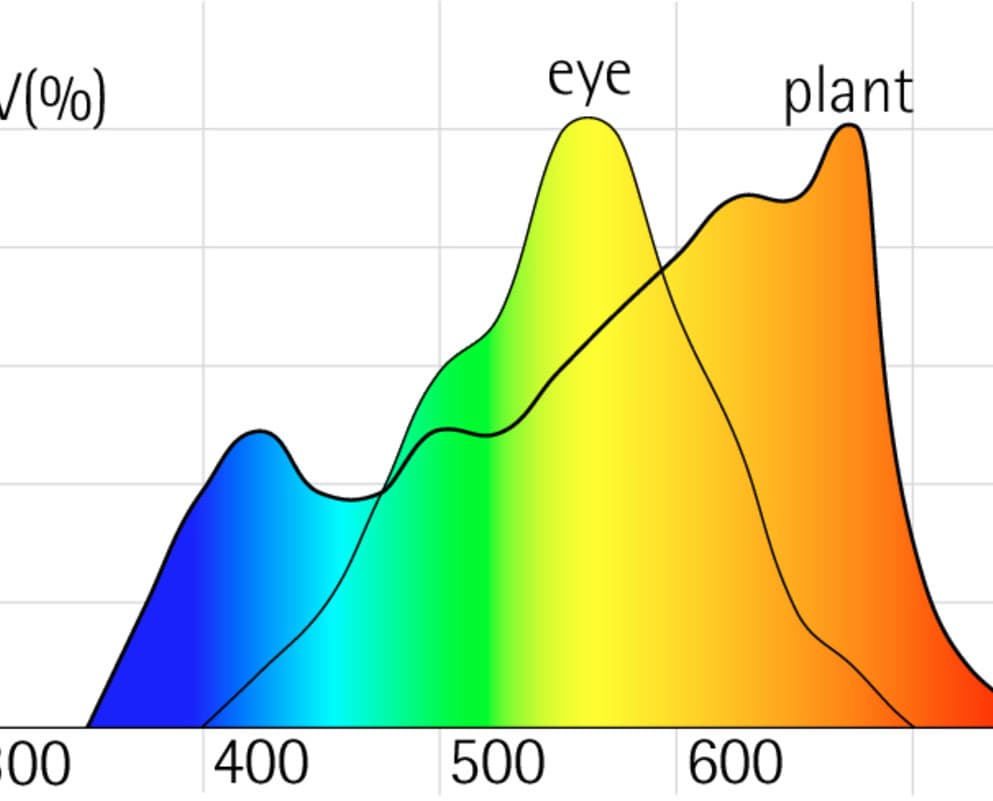
Certain light spectra familiar in architectural lighting are suitable for the optimal illumination of green walls. In contrast to spectra for plant cultivation, the light for use in architectural lighting has a white light colour and thus also green components. In particular, the 3000K CRI 97 LED used by ERCO has very good colour rendering, which is particularly important for a natural perception of the leaf colour. This light spectrum is suitable for illuminating both architecture and green walls.
How much light do plants need?
Balanced lighting keeps the plants in green walls healthy and also limits undesired excessive growth. The project planning should take into account the optimal effect in the interior space along with simultaneously low maintenance needs.
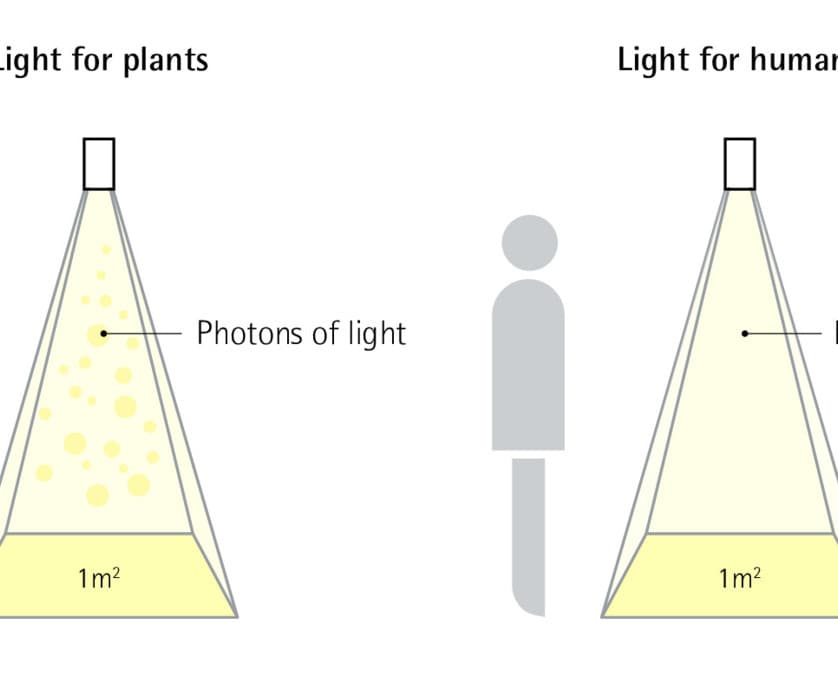
As plants in green walls mainly come from tropical regions, a lighting period of 12 hours is recommended for good plant growth. Depending on the spectrum, the required illuminance can be calculated for this time. Illuminance levels of 2500lx are common for green walls. Our white paper explains how to convert the quantity of light required by plants into illuminance. This allows you to plan the lighting of green walls with common lighting calculation programs.
Which light distribution is optimal?
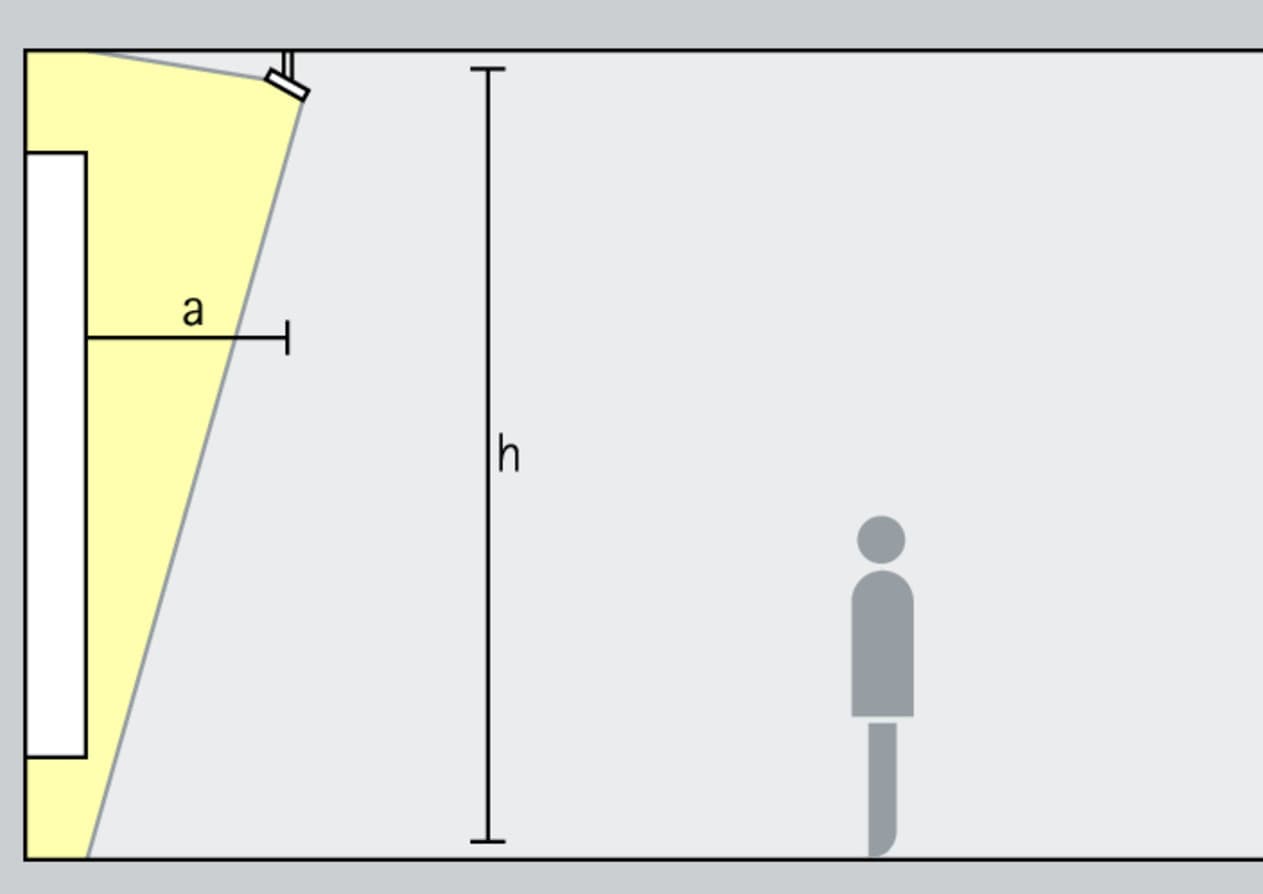
With vertical green walls, make sure that the light is distributed uniformly so that the plants grow evenly. The wallwash distribution of ERCO lens wallwashers or the oval flood distribution of spotlights are particularly suitable. Conventional downlights or spotlights with narrow distribution are not recommended as they do not expose all plants to the same light conditions, with the result that they can grow differently or, in the worst cases, die.
Our white paper provides you with more detailed information on optimal lighting design for green walls.
Checklist for illuminating green walls
Everything in view – this is what you should consider in your project for optimally illuminating green walls with ERCO luminaires:
Rule of thumb for exposure: twelve hours daily and continuously with approx. 2500lx on the leaf surface (depending on the plant species) for healthy growth
The ideal spectrum: ERCO LEDs with 3000K CRI 97 for a high PPFD value
Optimum light distribution: wallwash or oval flood distribution for uniform growth on the green wall
Rule of thumb for luminaire arrangement: position the wallwashers at a distance of 1/3 of the wall height from the front plane of the plants. Luminaire spacing equals the distance to the wall
Recommended light direction: light from above for natural leaf alignment
Parameter for light control: 12-hour interval changeover between brightness and darkness
Three steps for calculating the optimum lighting for green walls
Leave nothing to chance in your project, because the right light conditions are a prerequisite for healthy green walls and must be well planned. Find out the specific DLI value for the plants in your green wall and use this to determine the required illuminance. We explain all the technical terms and calculation steps in our white paper. You can use our [Product Finder=7093:NEWTAB] to select luminaires with suitable distribution and wattage.
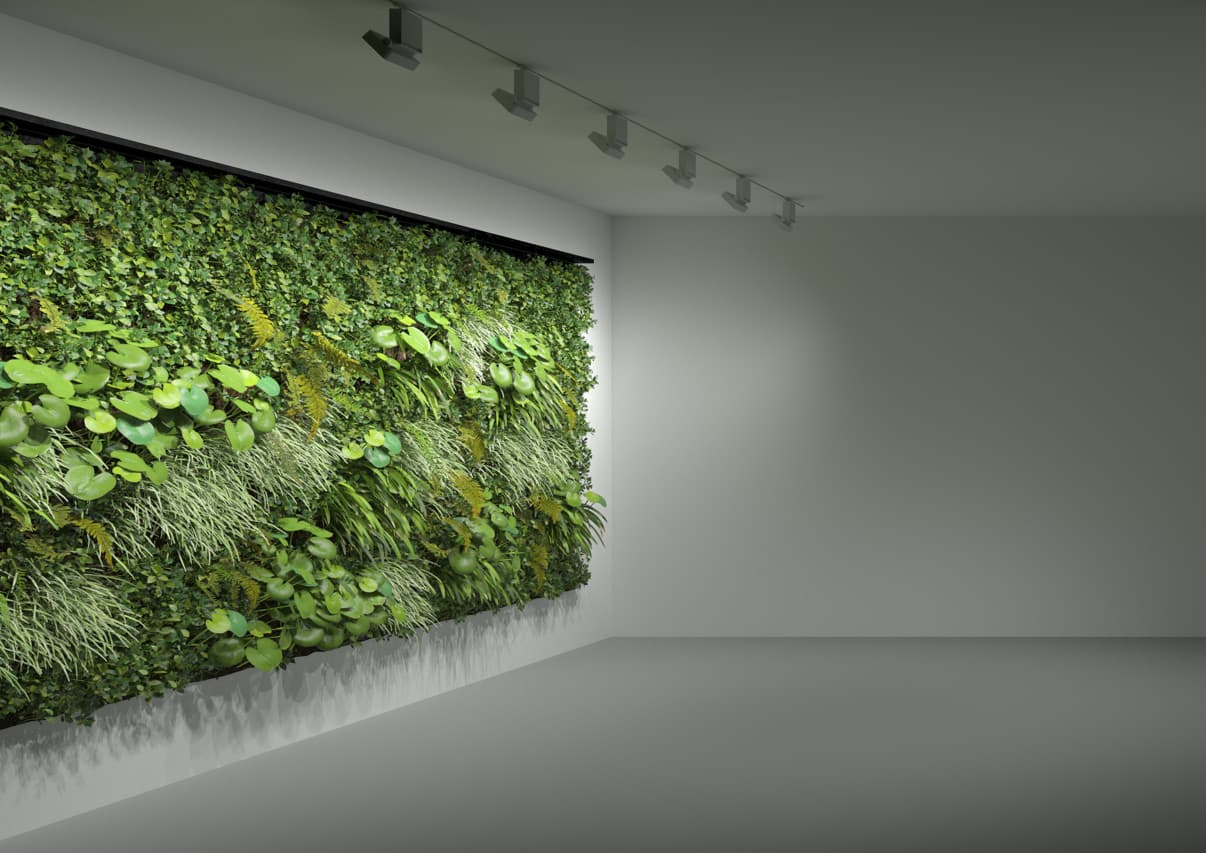
1. Determine the illuminance
Leave nothing to chance in your project, because the right light conditions are a prerequisite for healthy green walls and must be well planned. Find out the specific DLI value for the plants in your green wall and use this to determine the required illuminance. We explain all the technical terms and calculation steps in our white paper. You can use our [Product Finder=7093:NEWTAB] to select luminaires with suitable distribution and wattage.
2. Calculate the illuminance
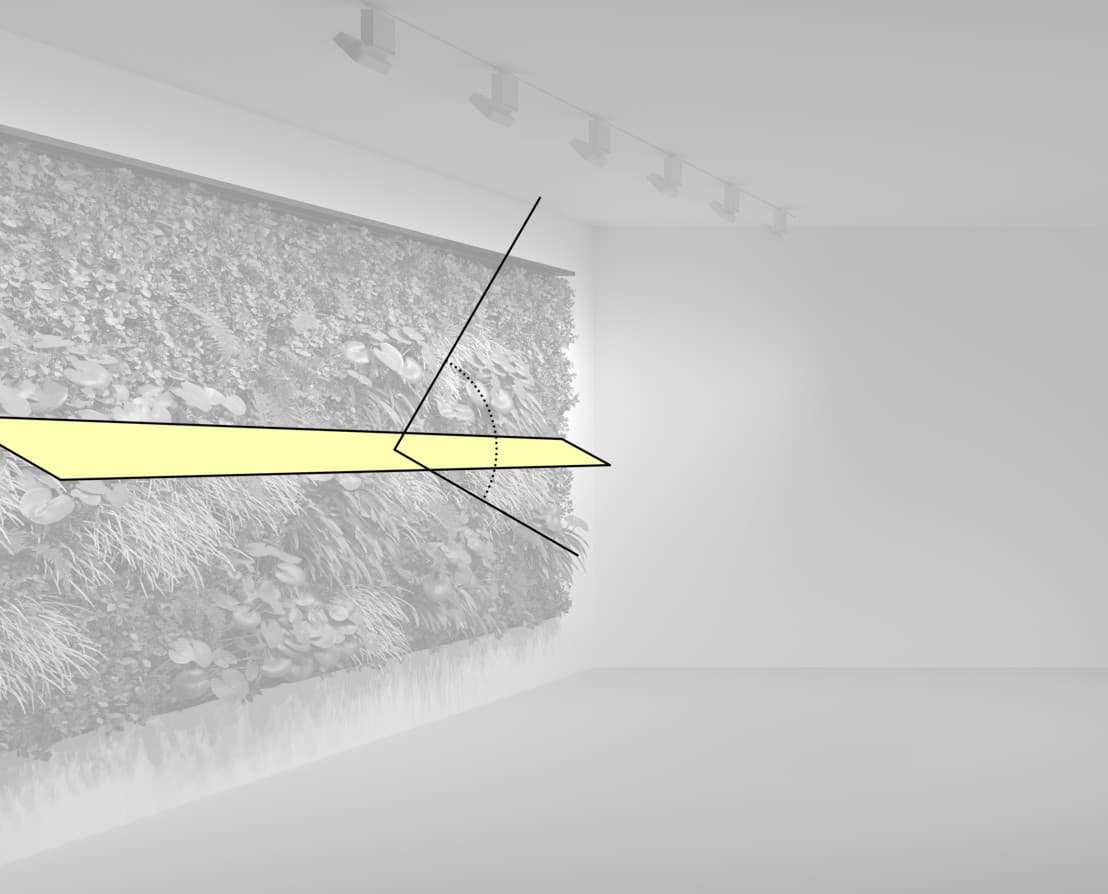
In a light calculation program, construct a horizontal measuring surface at half the height of the green wall. Then tilt this measuring surface to take into account the alignment of the leaves. Align the measuring points with the centre of the luminaire's light emission surface, because leaves orient themselves towards maximum illuminance. To maximise the illuminance, select a higher wattage for the luminaires or reduce the luminaire spacing to obtain the target value.
3. Check the uniformity
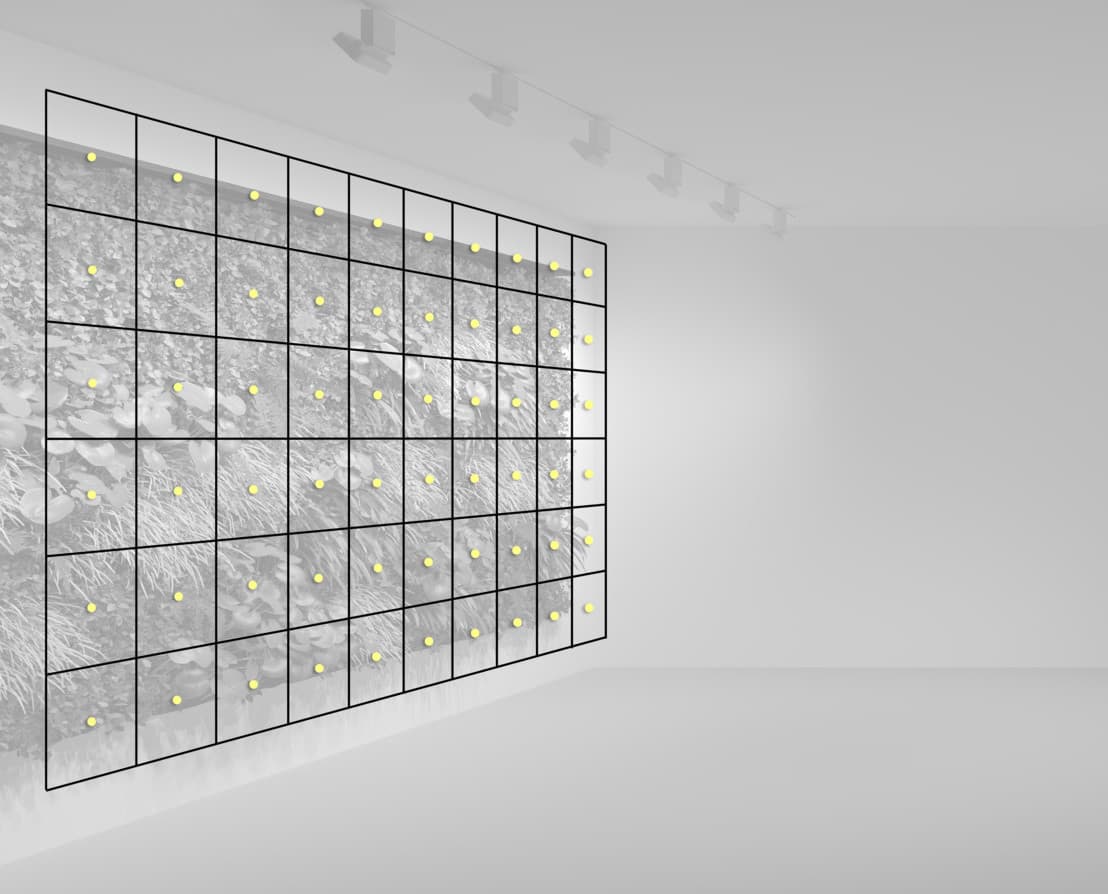
In a light calculation program, construct a vertical calculation surface with a border area of 25cm in front of the front surface of the green wall. Then determine the vertical illuminance and calculate the uniformity from minimum to average illuminance. For uniform distribution of brightness, this value should be greater than or equal to 0.4. To optimise the uniformity, now check the light distribution. You can then increase the distance between the luminaire and the green wall or reduce the distance between the luminaires.
Which luminaires are suitable for green walls?
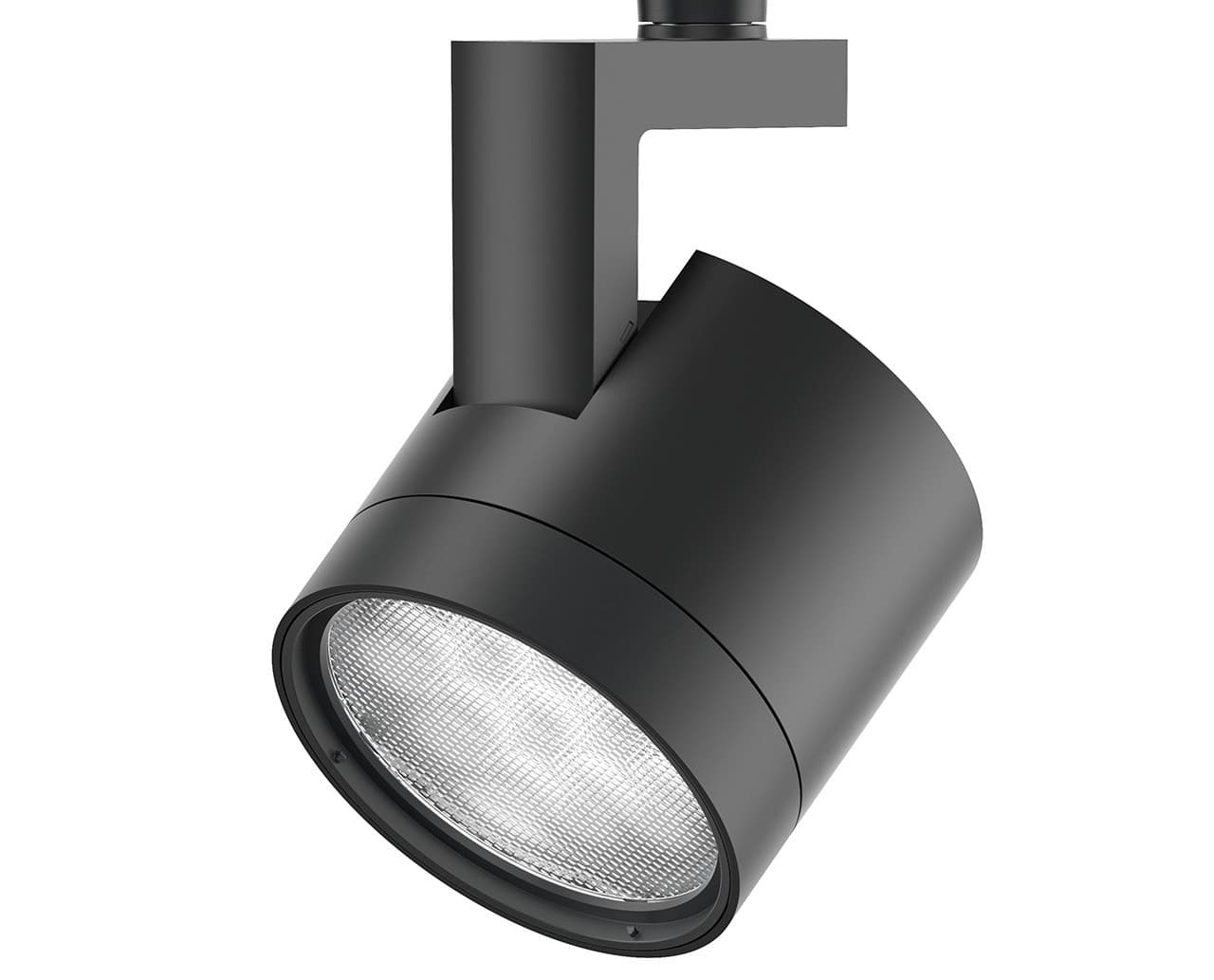
Parscan InTrack
[Parscan InTrack=7335:NEWTAB] is available in six sizes. This makes Parscan ideal for seamlessly integrating the illumination of small and large green walls into your architectural lighting. A new generation of Spherolit lenses projects the light onto the target plane – precisely, uniformly and with superior efficiency.
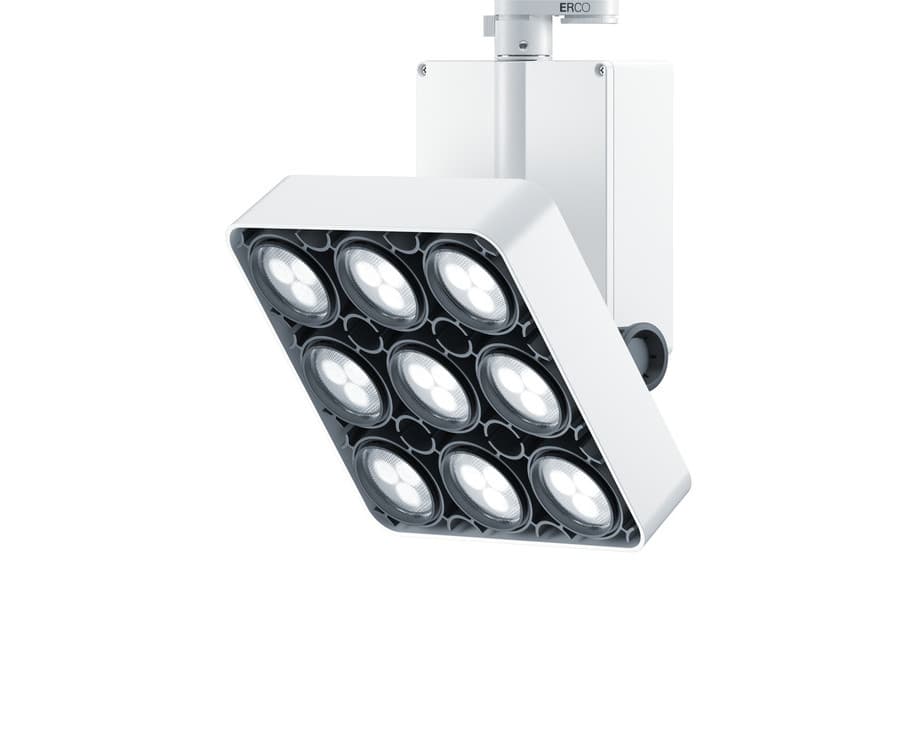
Stella
High lumen-output luminaires are needed for high green walls. The [Stella=6639:NEWTAB] spotlight for track ideally meets this requirement.
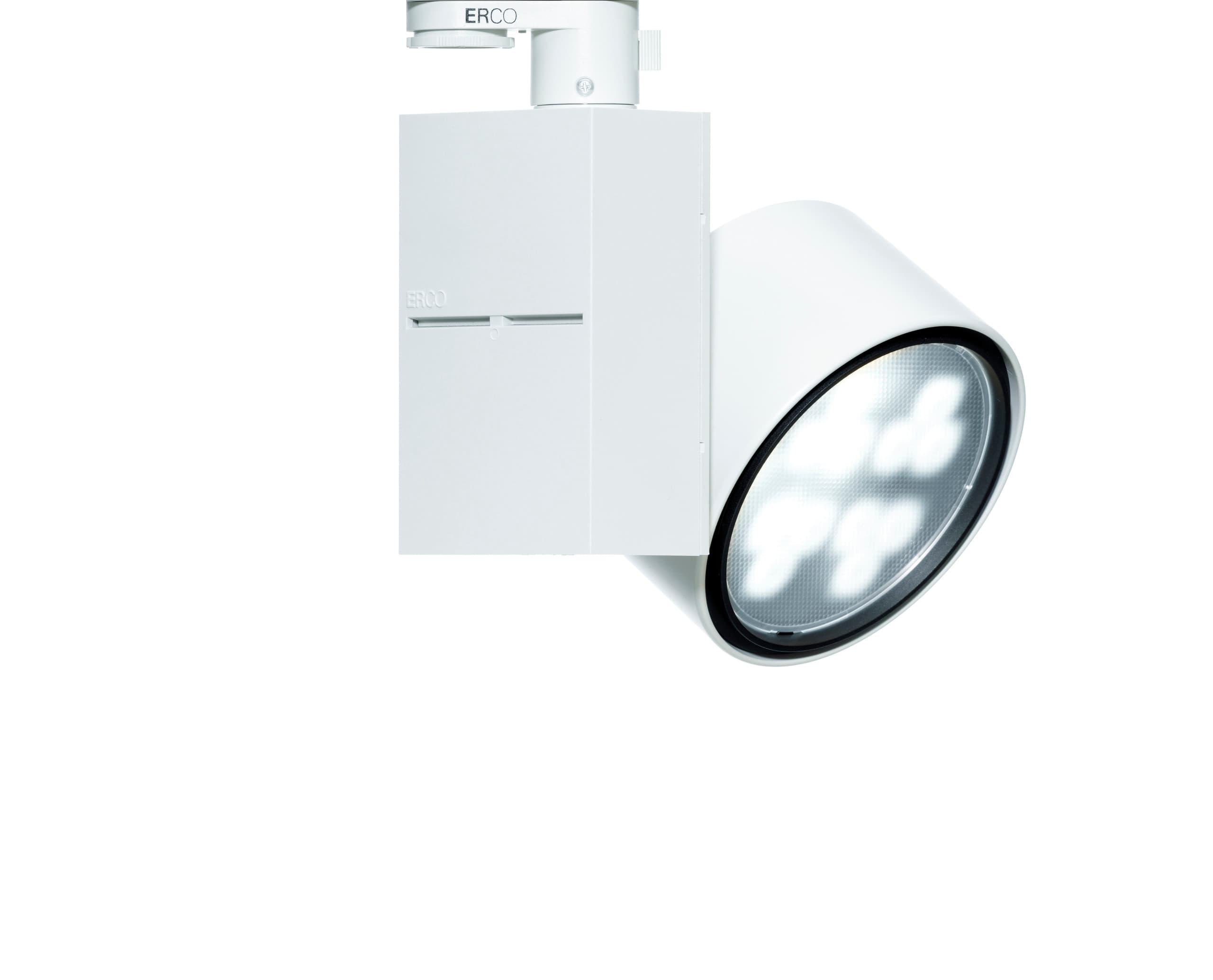
Optec
[Optec=125:NEWTAB] wallwashers are the perfect luminaires if you wish to illuminate medium-sized green walls efficiently and economically. Thanks to interchangeable light distributions and various luminaire sizes, you can integrate your illumination of the green wall into the lighting concept of the architecture.
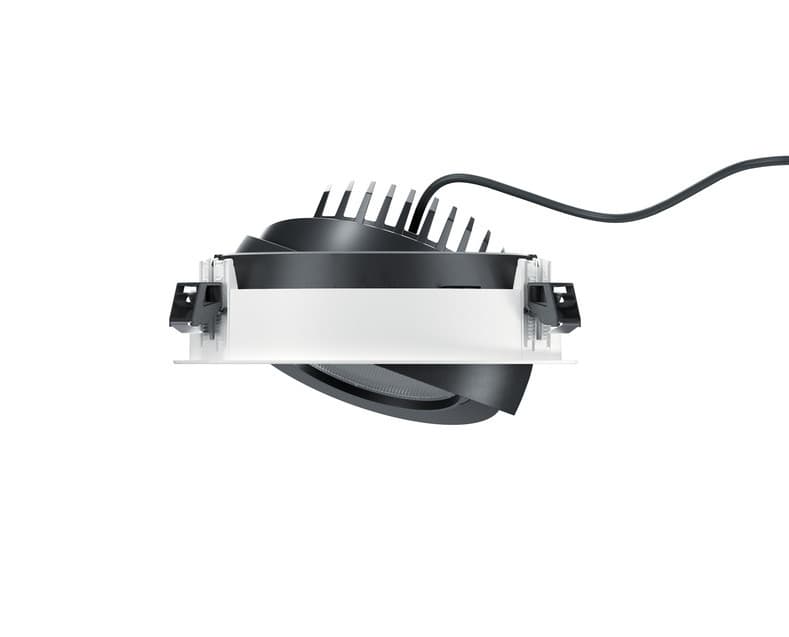
Gimbal
With its particularly precise, convenient swivel function and low recess depth, [Gimbal=6355:NEWTAB] enables small and medium-sized green walls to be illuminated from the ceiling. Interchangeable lenses also make it possible to subsequently switch between wallwashers and luminaires with oval flood distribution.
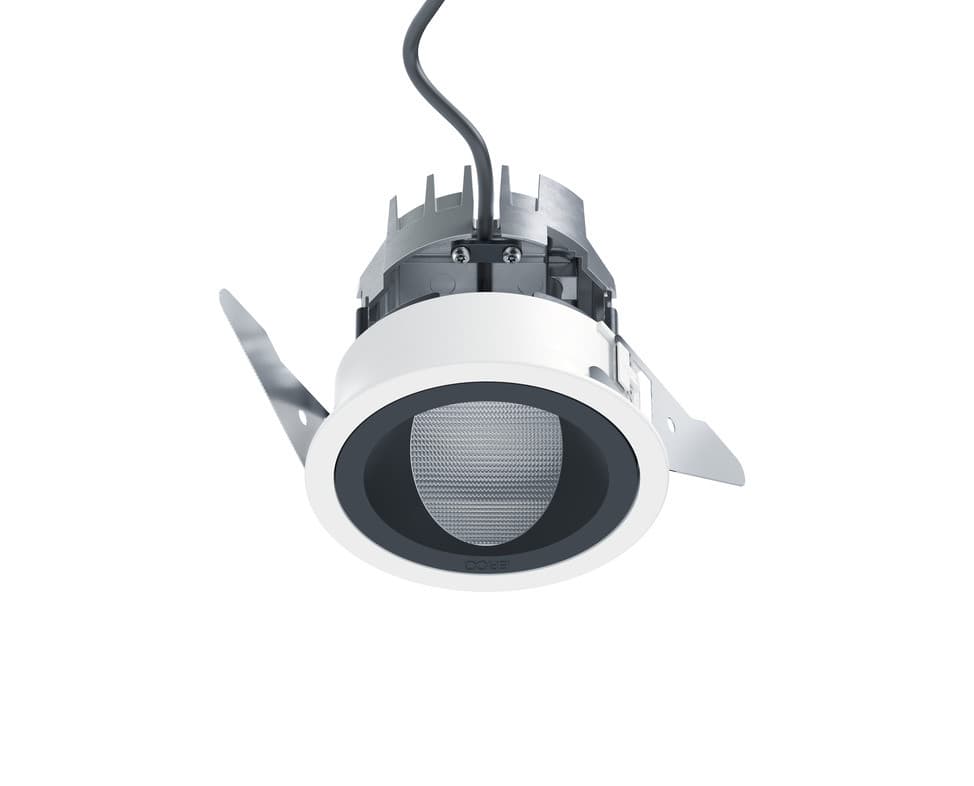
Atrium
Uniform, high-output vertical illumination at short distances to the wall is the speciality of [Atrium=5746:NEWTAB] recessed downlights with wallwasher distribution. This makes them ideal for illuminating large green walls from the ceiling.
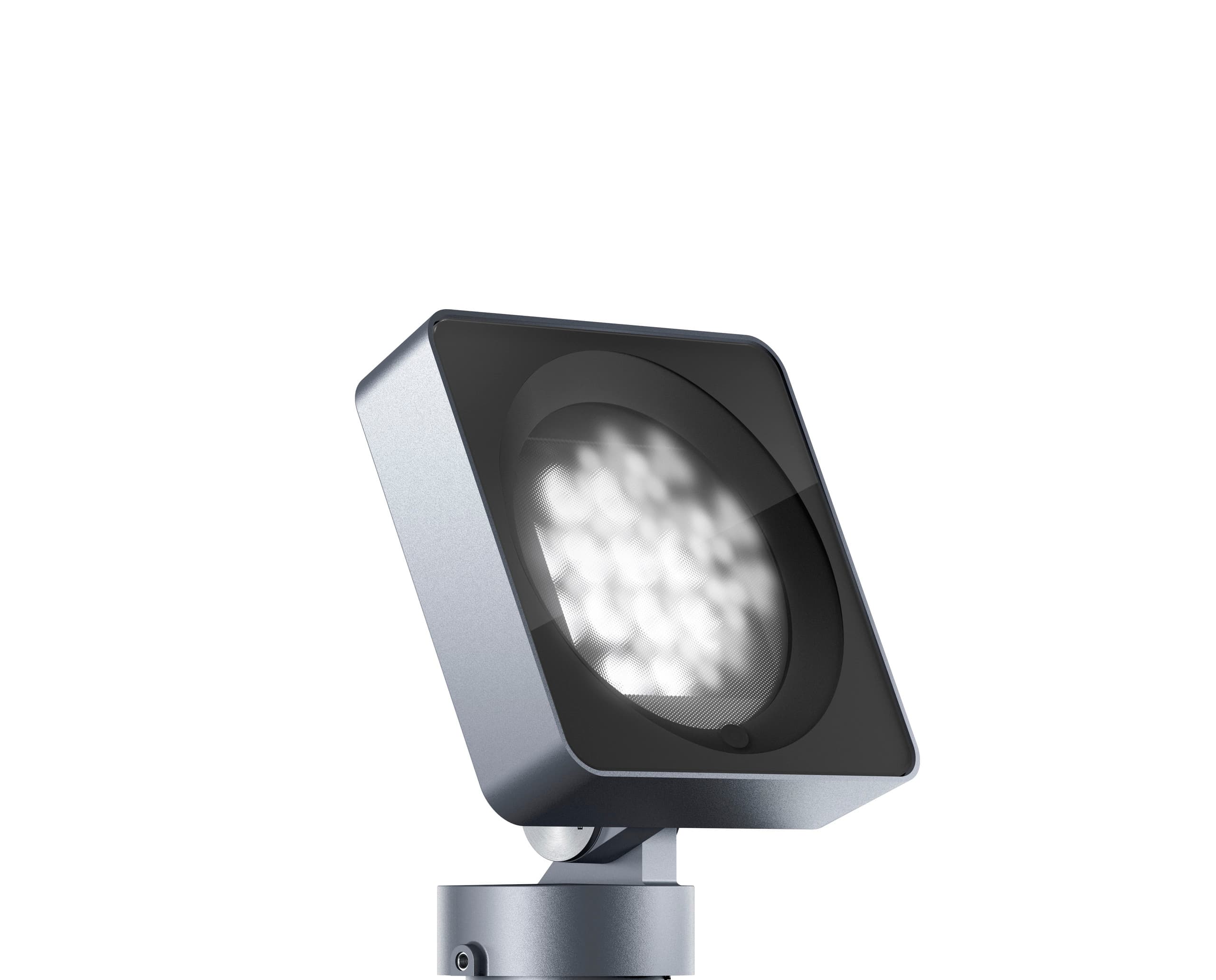
Lightscan
[Lightscan=5744:NEWTAB] is extremely weatherproof and, with its slender silhouette, blends harmoniously into its surroundings. With five sizes, Lightscan is the ideal projector for any type of outdoor green wall.
How lighting for green walls was implemented in practice


Are you planning a similar project?
We would be glad to help you with your lighting design and selection of suitable products.