Illuminating Modern Vision at Centre Pompidou Hanwha
The Centre Pompidou Hanwha, located in the iconic 63 Building in Seoul, has established itself as a premier cultural bridge through a unique collaboration between the Centre Pompidou and Hanwha. The museum occupies a beautifully repurposed annex of the landmark skyscraper. Designed by the renowned architecture firm Wilmotte & Associés, the structure—often described as a "box of light"—harmonizes traditional Korean aesthetic cues with a contemporary translucent glass envelope. To ensure the museum maintains the highest visual clarity and curatorial precision, the exhibition spaces have been equipped with a permanent, comprehensive lighting infrastructure from ERCO.
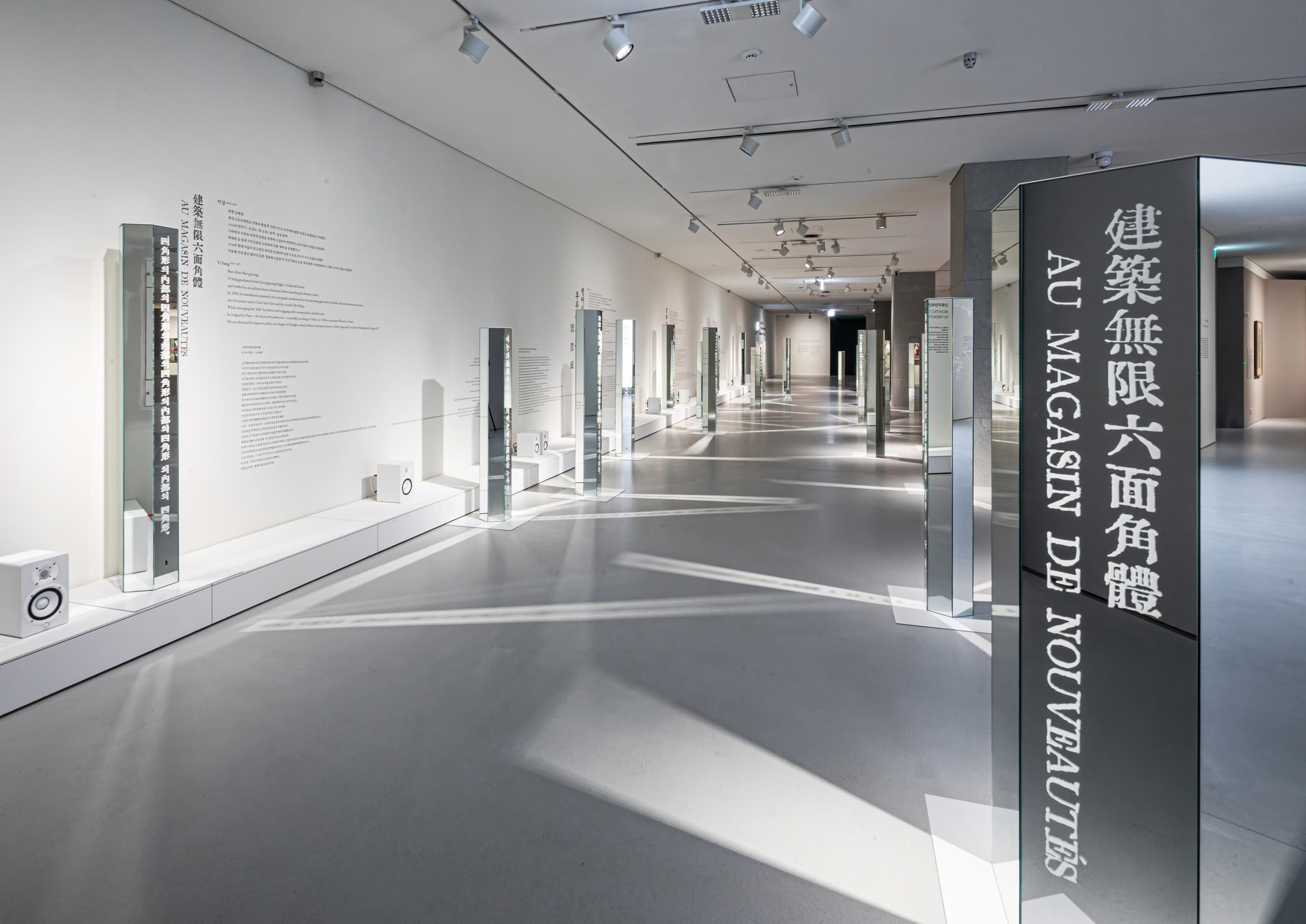
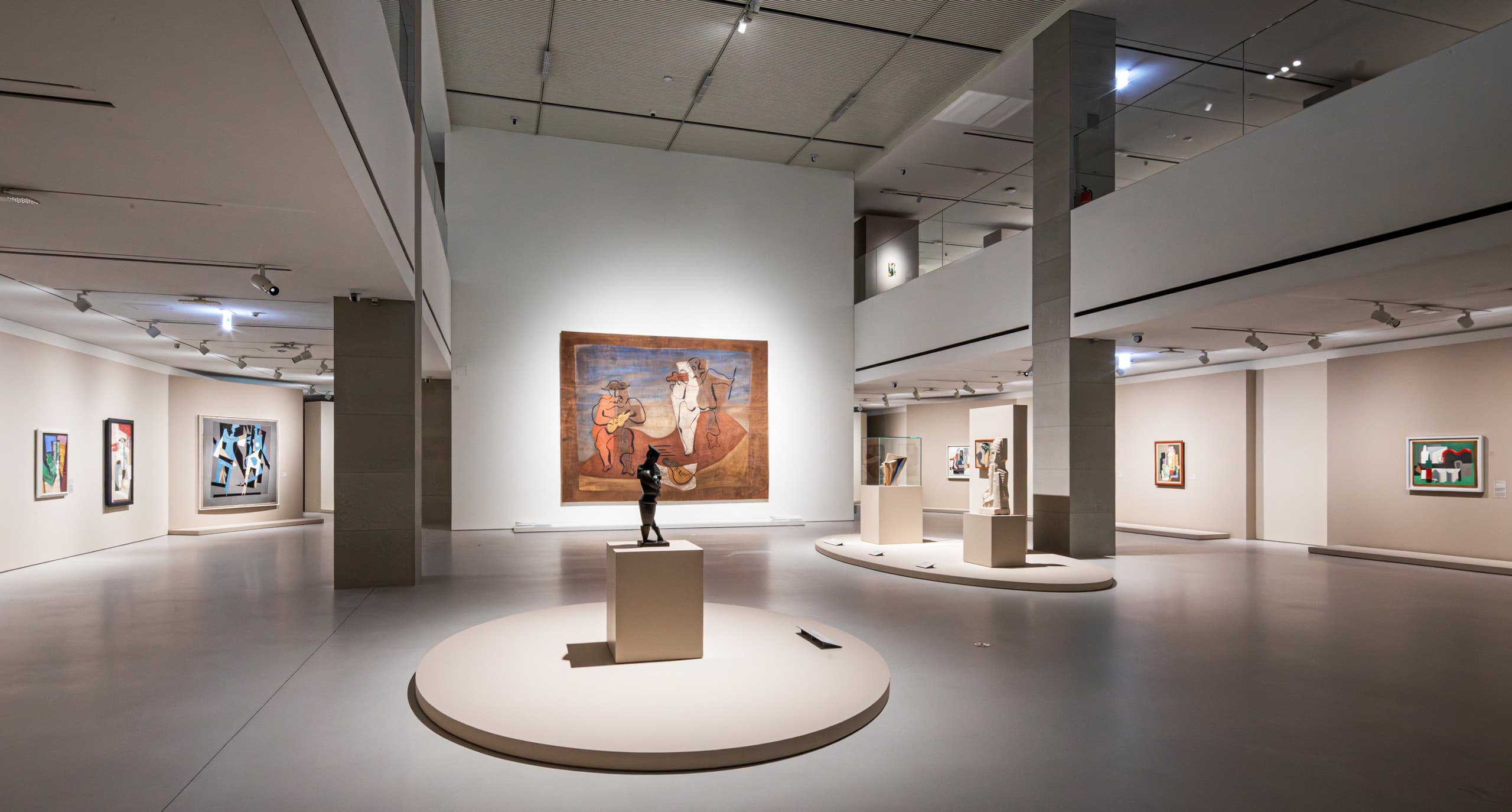
The museum’s interior design is defined by two distinct exhibition environments, each presenting unique architectural challenges. Gallery 1, managed by the Centre Pompidou, is a "Black Cube" featuring a dramatic 7m high black ceiling. Gallery 2, the Hanwha gallery, spans Levels 2 and 3 with a split-level design featuring 3.5m high white ceilings.
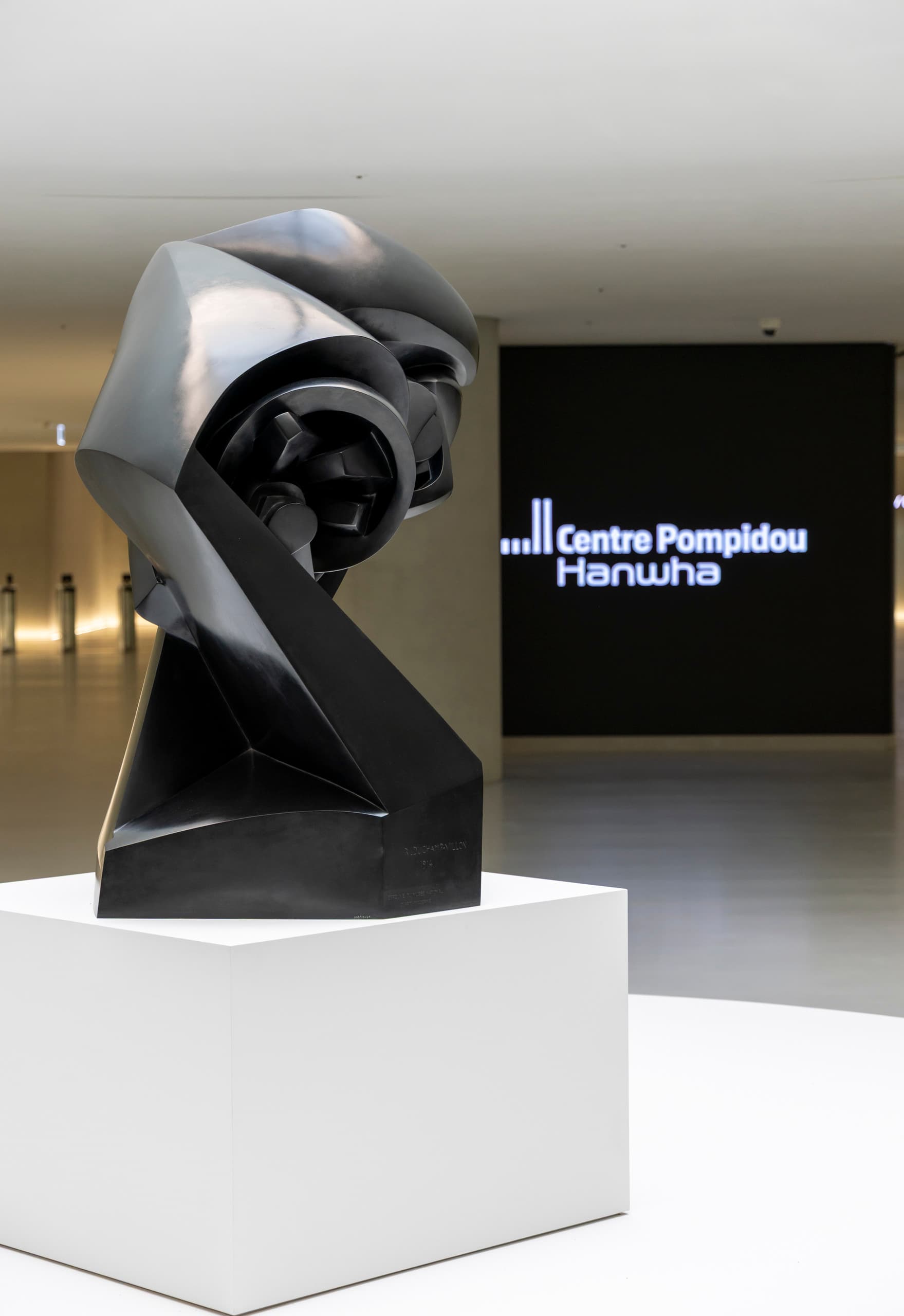
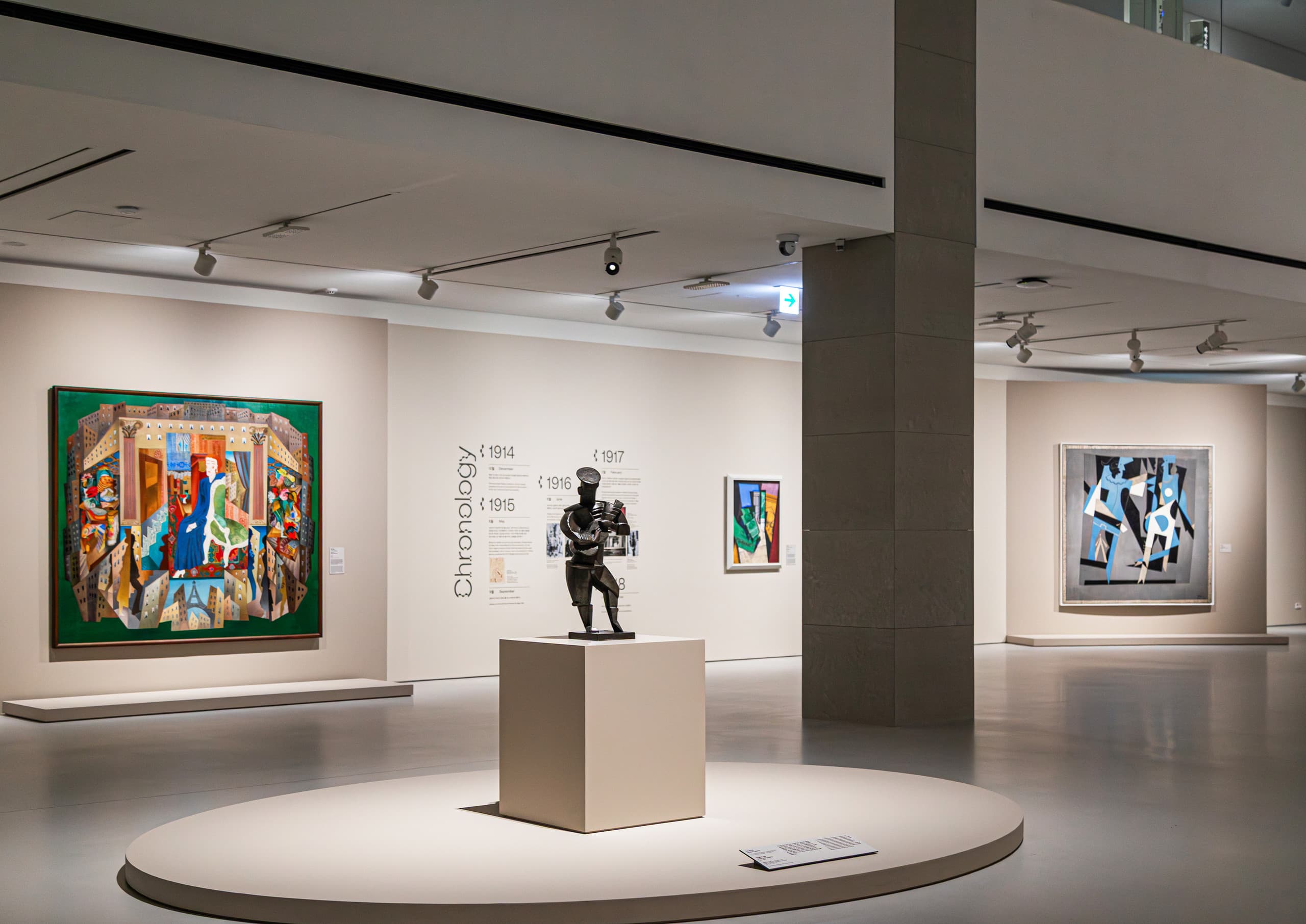
Creating a unified lighting strategy across these varied architectural volumes required a solution capable of supporting world-class art while adapting to distinct curatorial needs. The goal was to install a high-precision, flexible, and efficient system that allows curators to emphasize the depth and detail of diverse artworks across rotating, long-term exhibition cycles without compromising the integrity of the pieces.
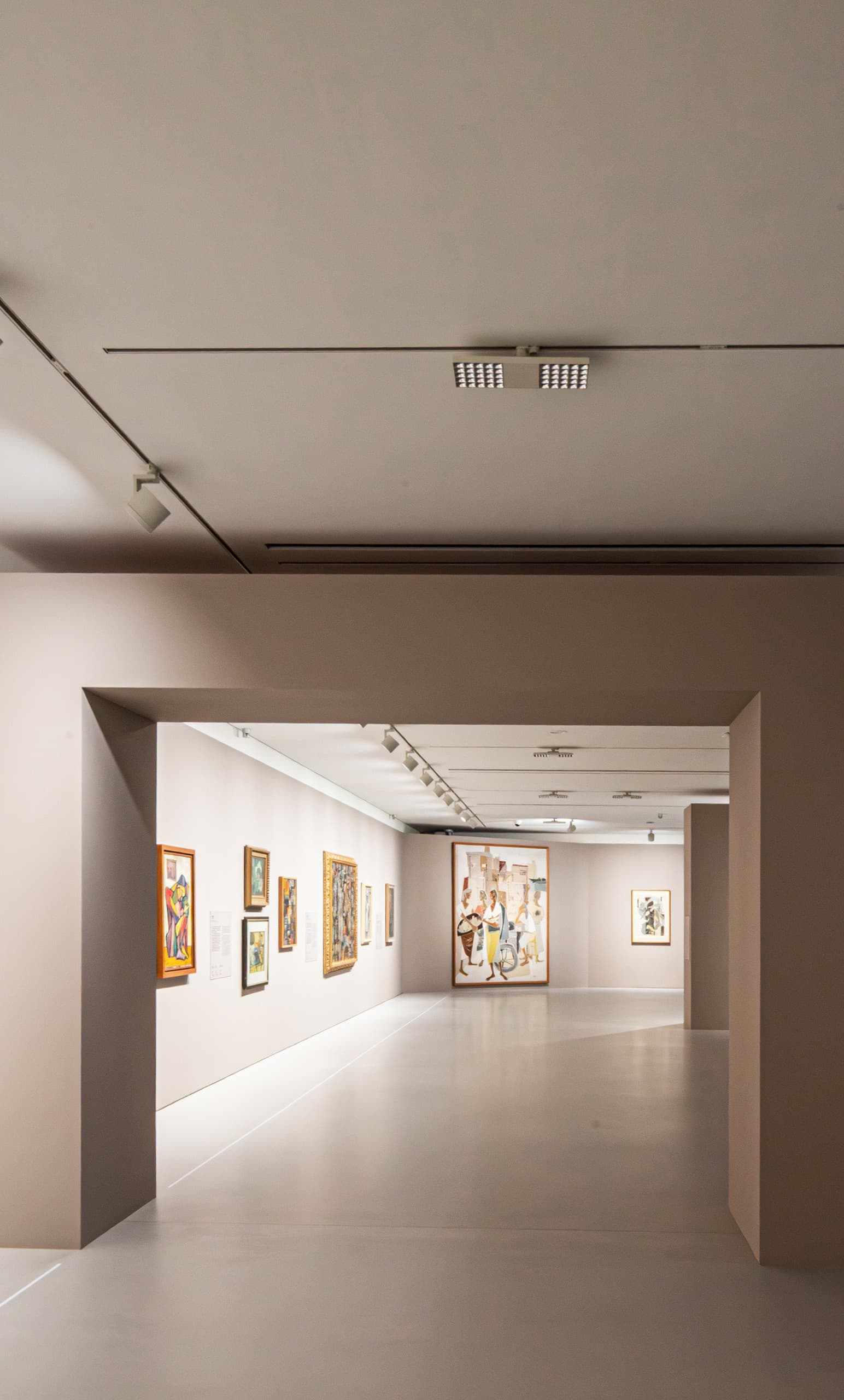
A major achievement of this project was the radical simplification of the lighting inventory. The team consolidated all lighting requirements into a streamlined, high-efficiency lineup based on two core systems: the Parscan spotlight and the Jilly track downlight family.
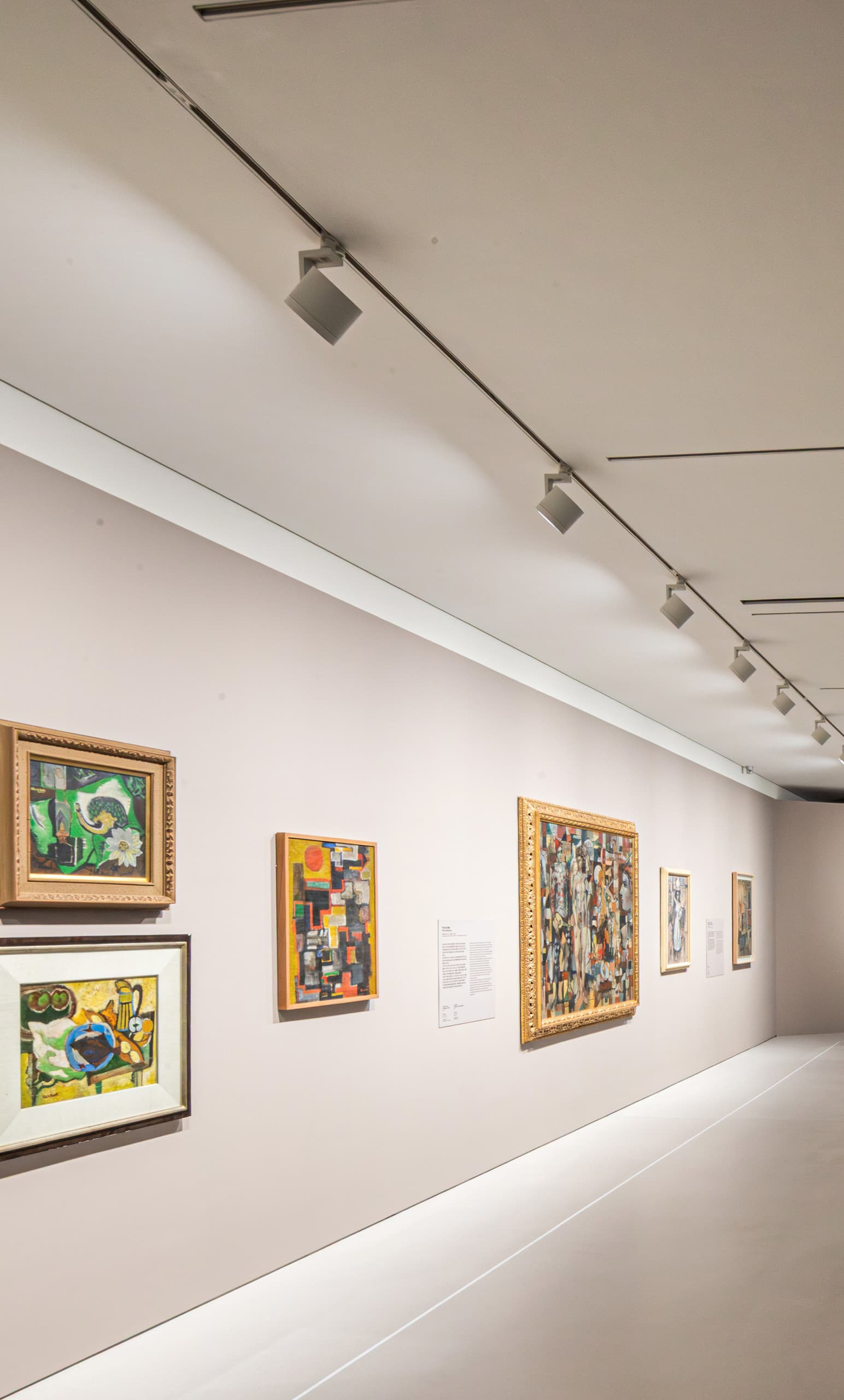
This inventory optimization was made possible by the superior versatility of ERCO's optical systems. The Parscan range provides unparalleled flexibility through interchangeable lens options. While the system was initially commissioned with spot distribution lenses, the addition of flood, oval flood, and wallwasher lenses provided the curatorial team with the agility to modify beam distribution for any exhibition. Complementing this, the Jilly track downlight offers exceptional adaptability, providing the convenience of a downlight while maintaining the flexibility of a track-mounted system.
To achieve a consistent visual standard, the lighting strategy was unified using 4000K LED modules throughout the exhibition areas. This decision ensured a crisp, modern aesthetic that enhances the visual definition of the collection. By utilizing high-CRI technology, the lighting maintains strict colour fidelity, preventing unwanted colour casts and ensuring that the intrinsic palette of the collection is rendered with the highest degree of accuracy.
A critical component of this project was addressing the museum’s varied architectural volumes. ERCO lighting is engineered to provide high-lumen, precisely controlled light that performs exceptionally in both the soaring 7m volumes of the Black Cube and the more intimate 3.5m high spaces of the White Cube.
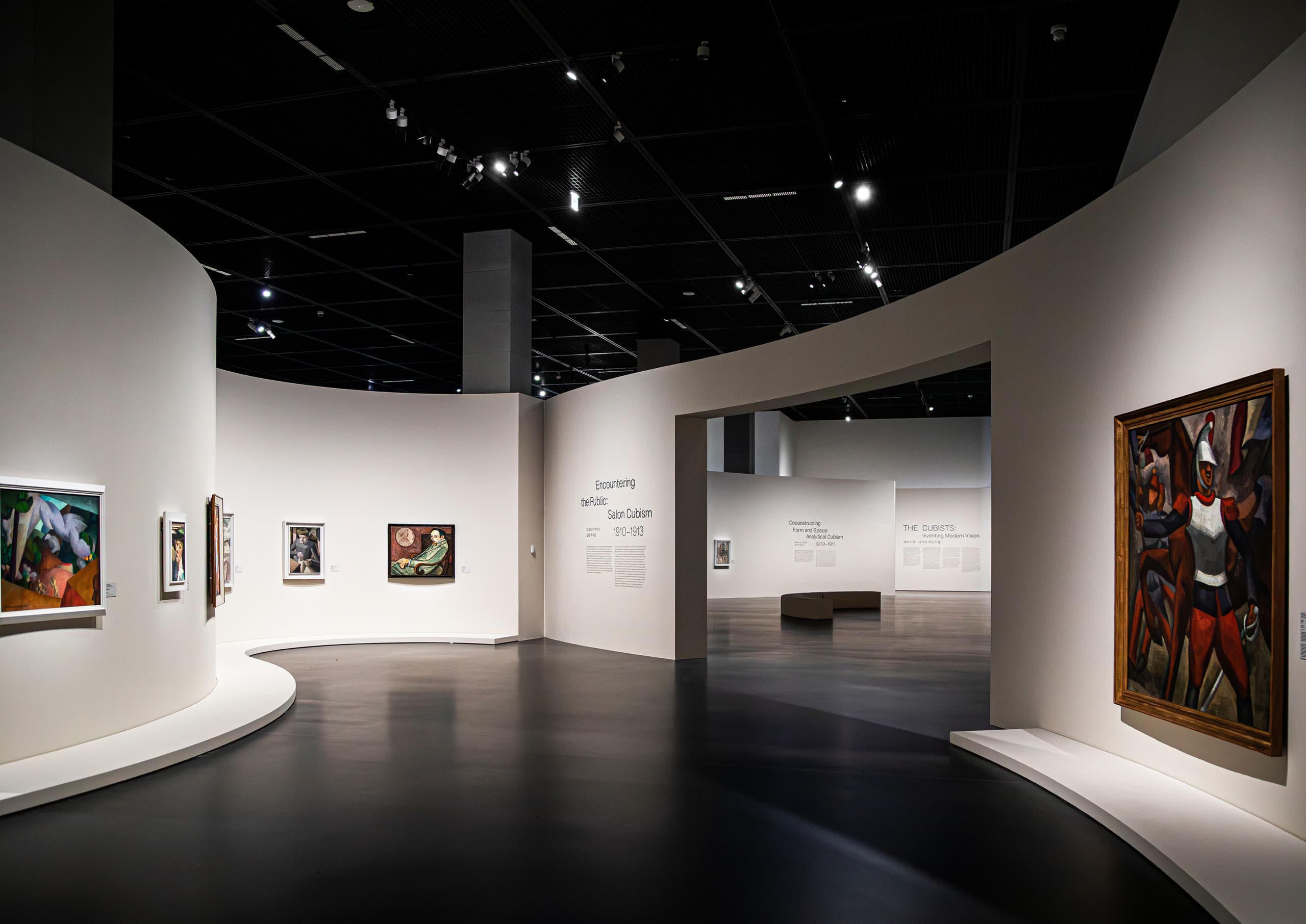
The Jilly track downlights were specifically selected for their superior optics, with different sizes utilized to suit the specific ceiling heights of each gallery zone. Unlike traditional downlights, which often suffer from significant light spill or inadequate throw at extreme heights, Jilly fixtures ensure that light is focused exactly where it is needed. This minimizes distracting glare while maintaining consistent, required illuminance at the floor level. The result is a seamless, non-intrusive lighting aesthetic that maintains uniformity across the entire building, regardless of the ceiling height or colour.
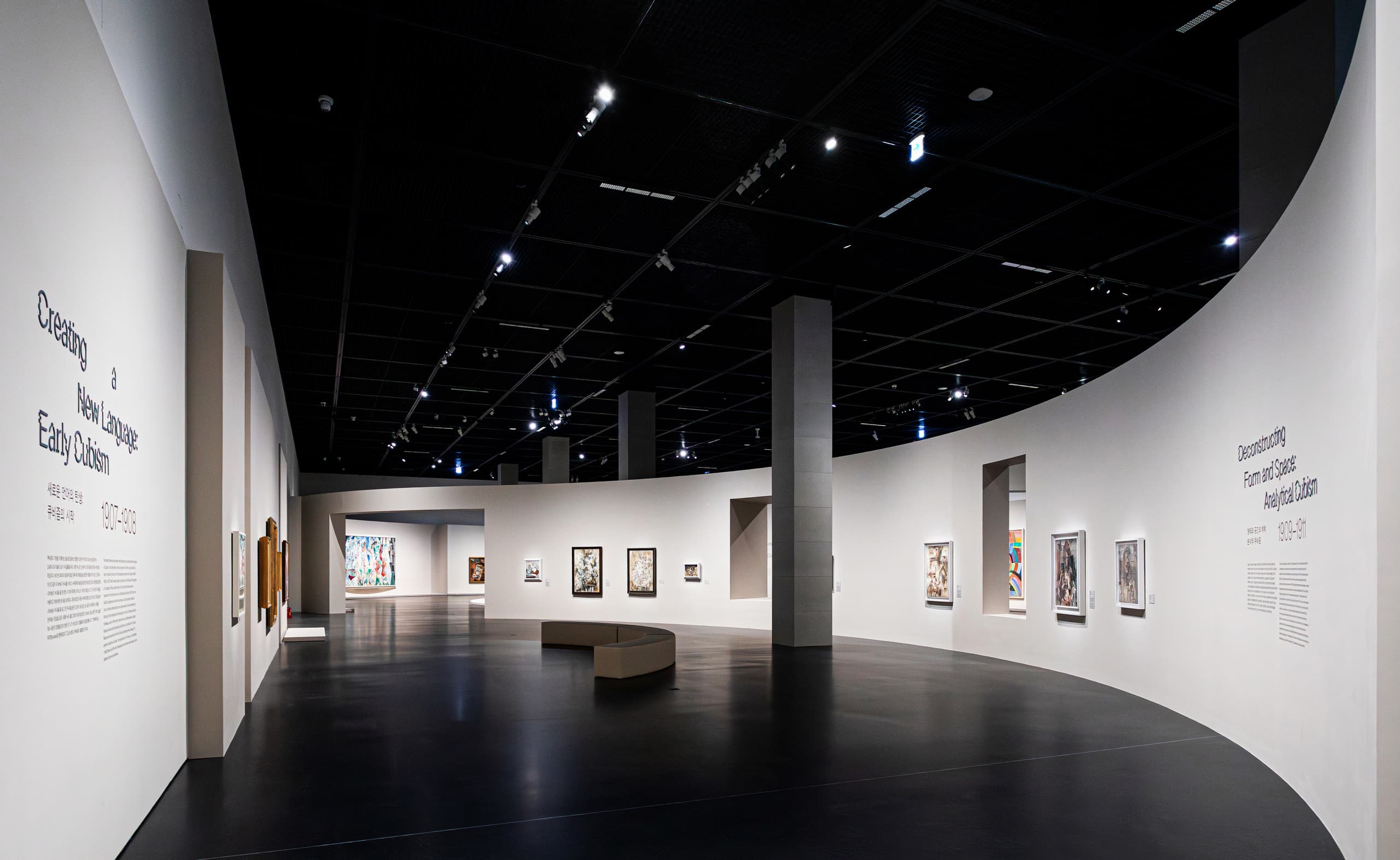
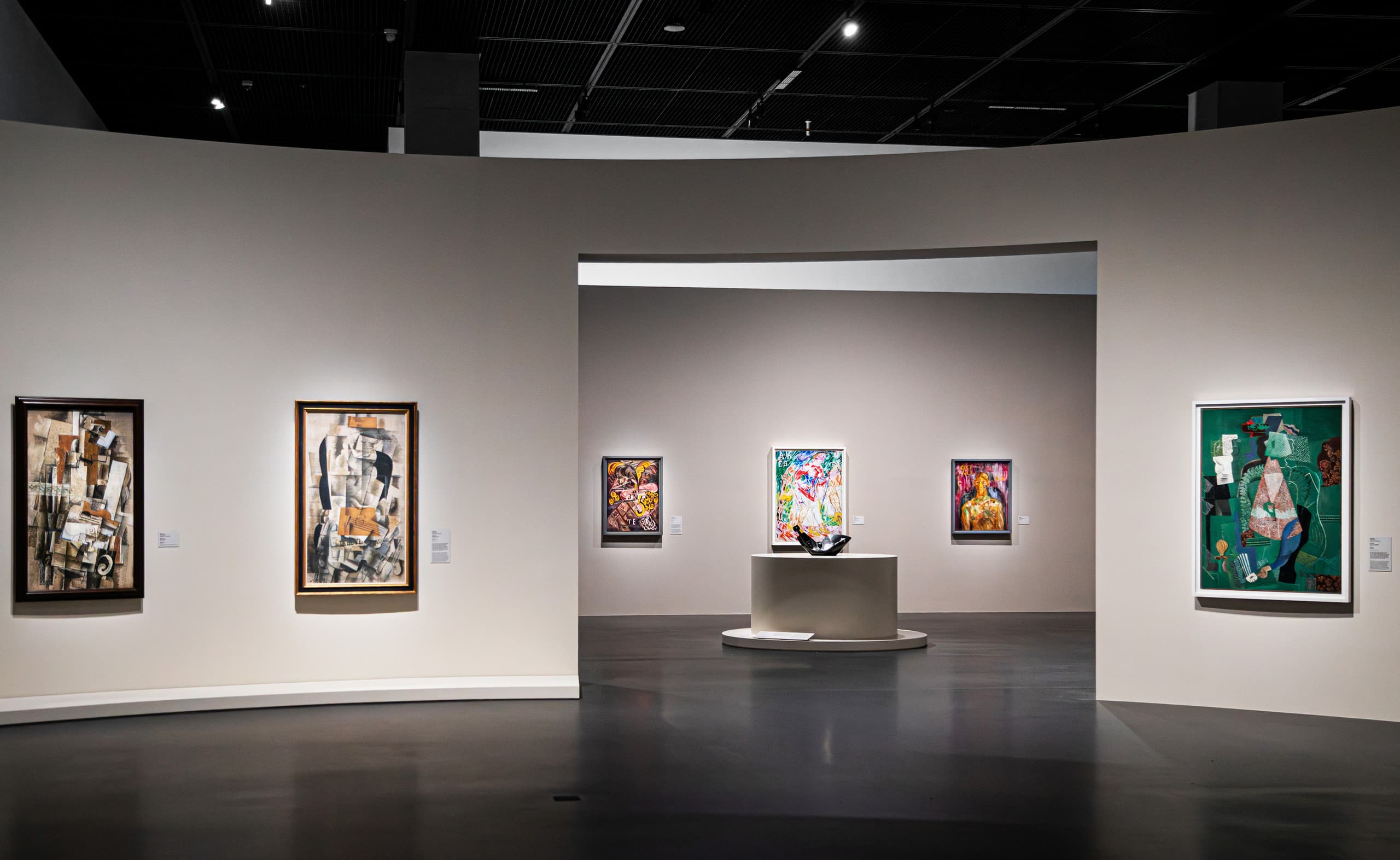
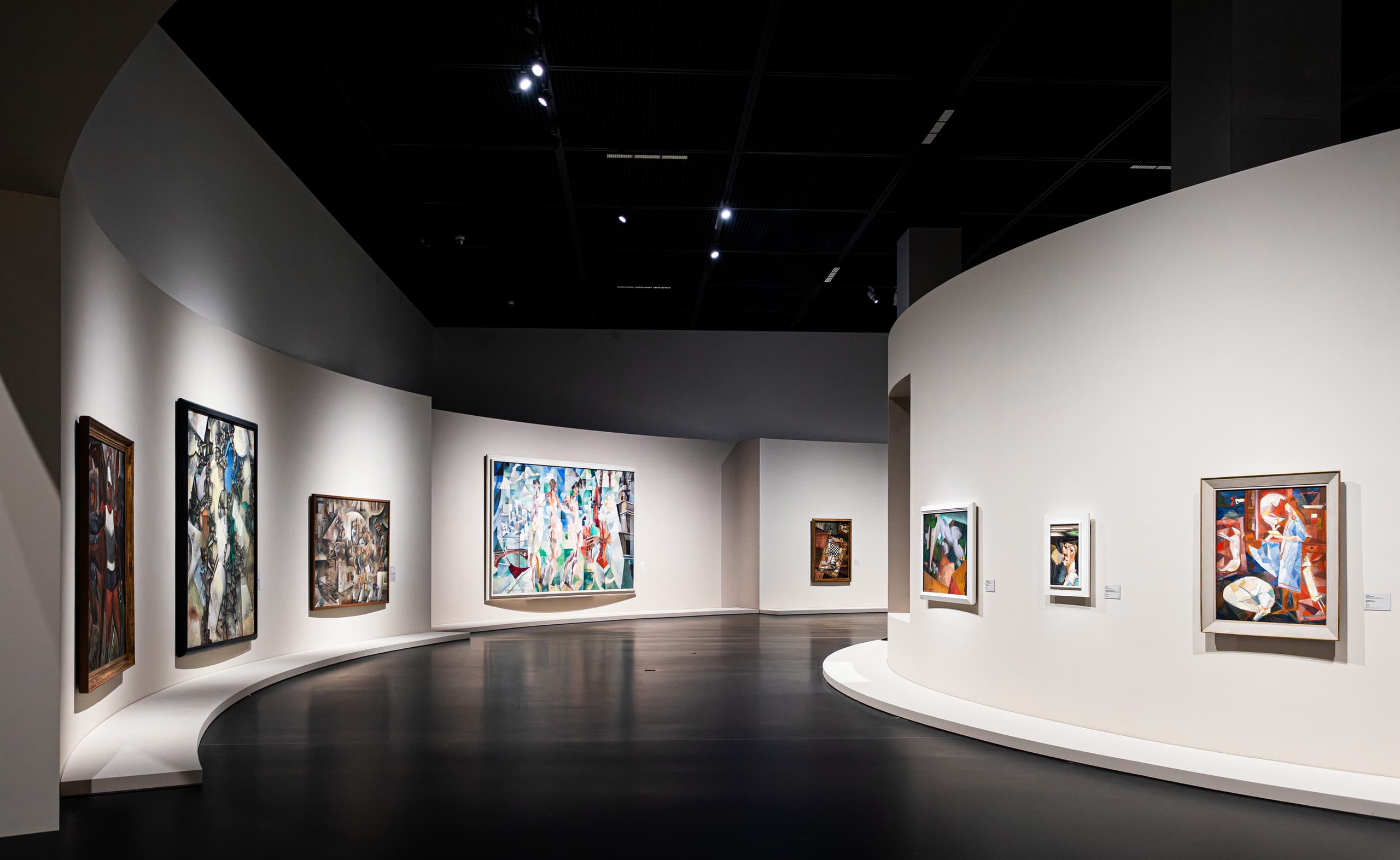
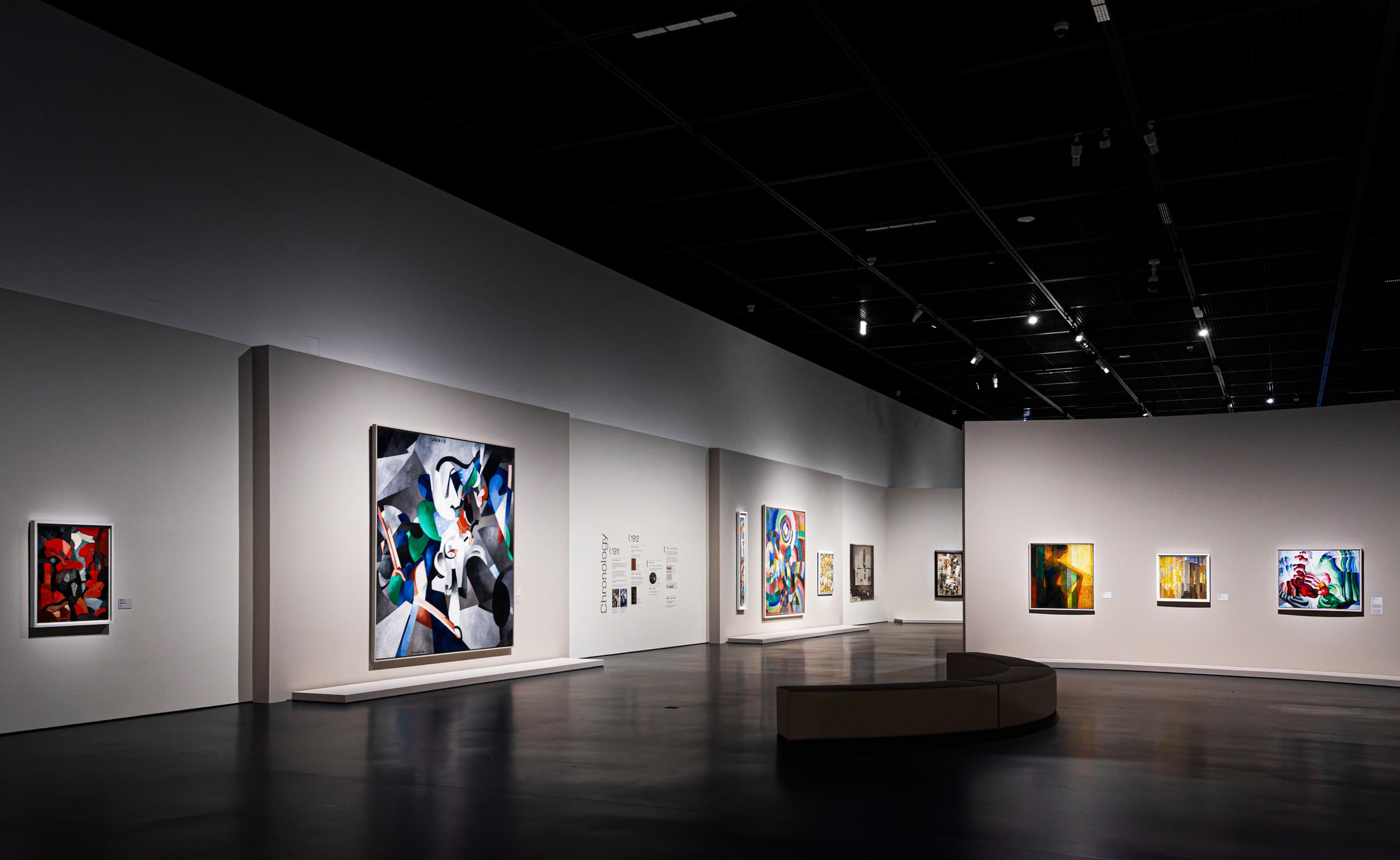
The installation of the ERCO lighting system has been pivotal in defining the museum's identity as a state-of-the-art, permanent venue. By establishing this infrastructure, the museum has achieved exceptional versatility. The combination of Casambi-controlled scenes and the ability to swap lenses on the Parscan spotlights allows the gallery team to instantly modify lighting for complex, multifaceted works—ensuring that exhibitions like "The Cubists" are always displayed with the necessary depth and contrast.
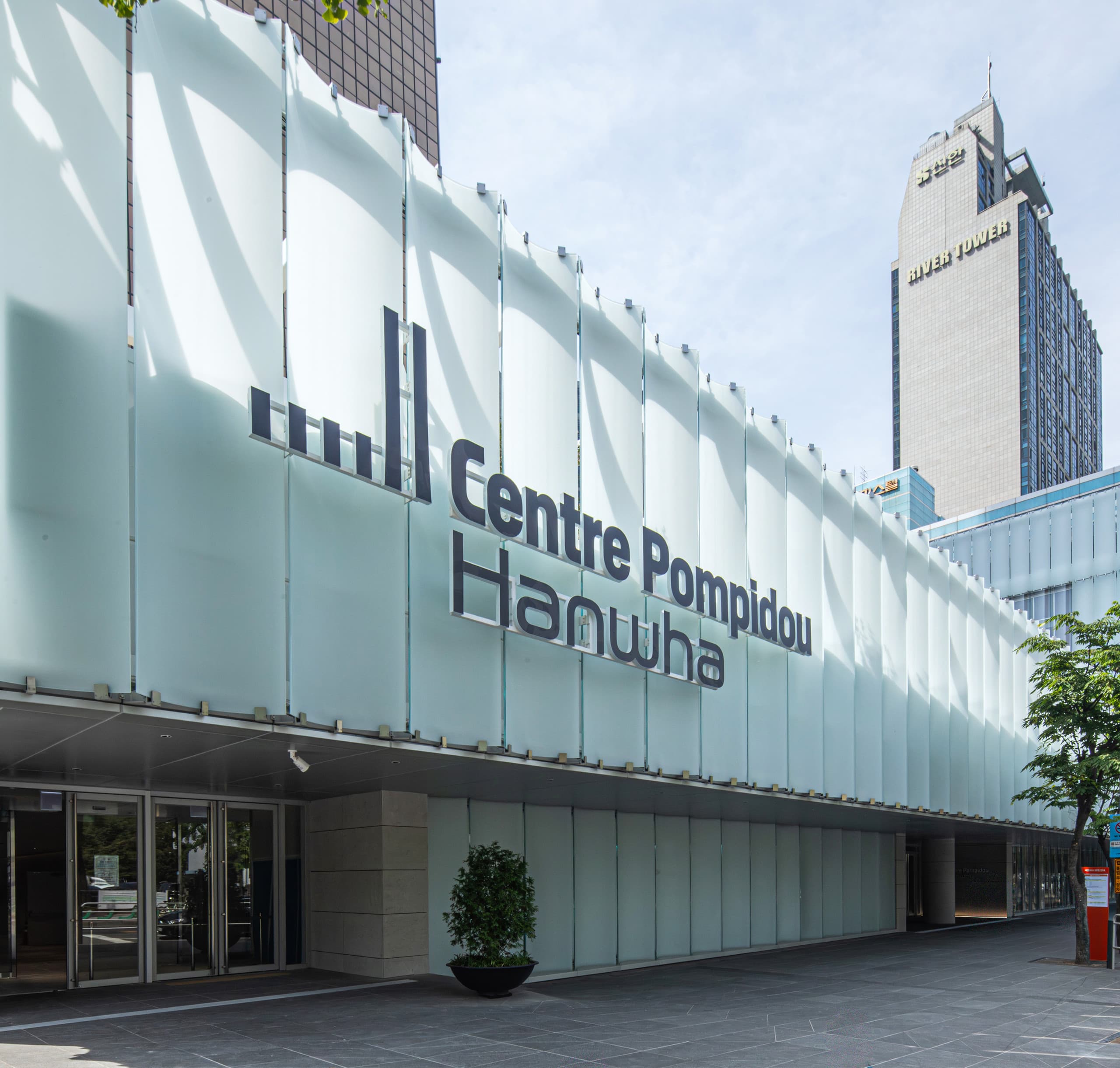
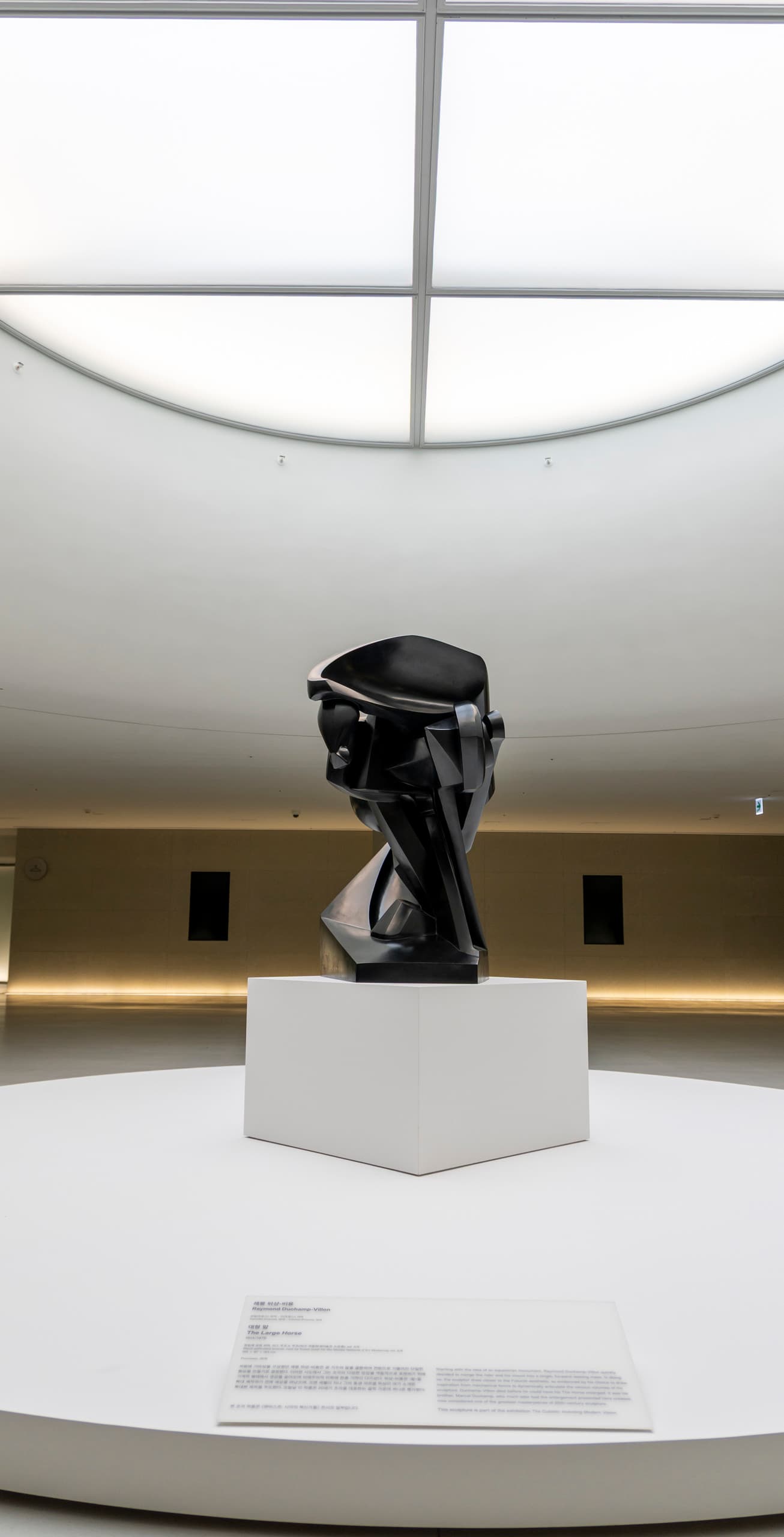
Finally, the infrastructure supports deep curatorial integrity, where the ability to combine wallwashing for spatial cohesion and precise accent lighting for dramatic focus allows curators to effectively guide the visitor's eye. The Centre Pompidou Hanwha now stands as a beacon of light in Seoul, where the marriage of the vision by Wilmotte & Associés and permanent, cutting-edge illumination technology provides a world-class environment for experiencing modern art.