Light and life in space

ERCO project photography through changing times
ERCO and the photographer Iwan Baan have started to collaborate for the first time, documenting the Louvre-Lens. Baan’s documentary photography of architecture characterised by the portrayal of people made him an international shooting star of architectural photography. His style ties in with the consistent approach of the “Light Factory”. We look back on the development of this visual language – and its influence on our storytelling of tomorrow.
Outstanding architecture and great works of art become the backdrop for normal people who take over such spaces spontaneously. This is how architectural photographer Iwan Baan sees the new Louvre Lens – masterminded by SANAA Architects – in ERCO light. His narrative approach to photography disregards the paradigms of typical architectural photography that had become established in the latter half of the 20th century. Influenced by paragons such as Julius Shulman or Ezra Stoller, architectural photography generally delivered geometrical, often symmetrical, wide angled views with a rigid, carefully rectified perspective. It abstracted, stylised and, as a result, created distance between structure and observer. People were, at best, a decorative accessory, not an emancipated user or, better still, an interpreter of architecture. This dogma, from a technical aspect, was represented by the large format camera mounted on a heavy tripod.
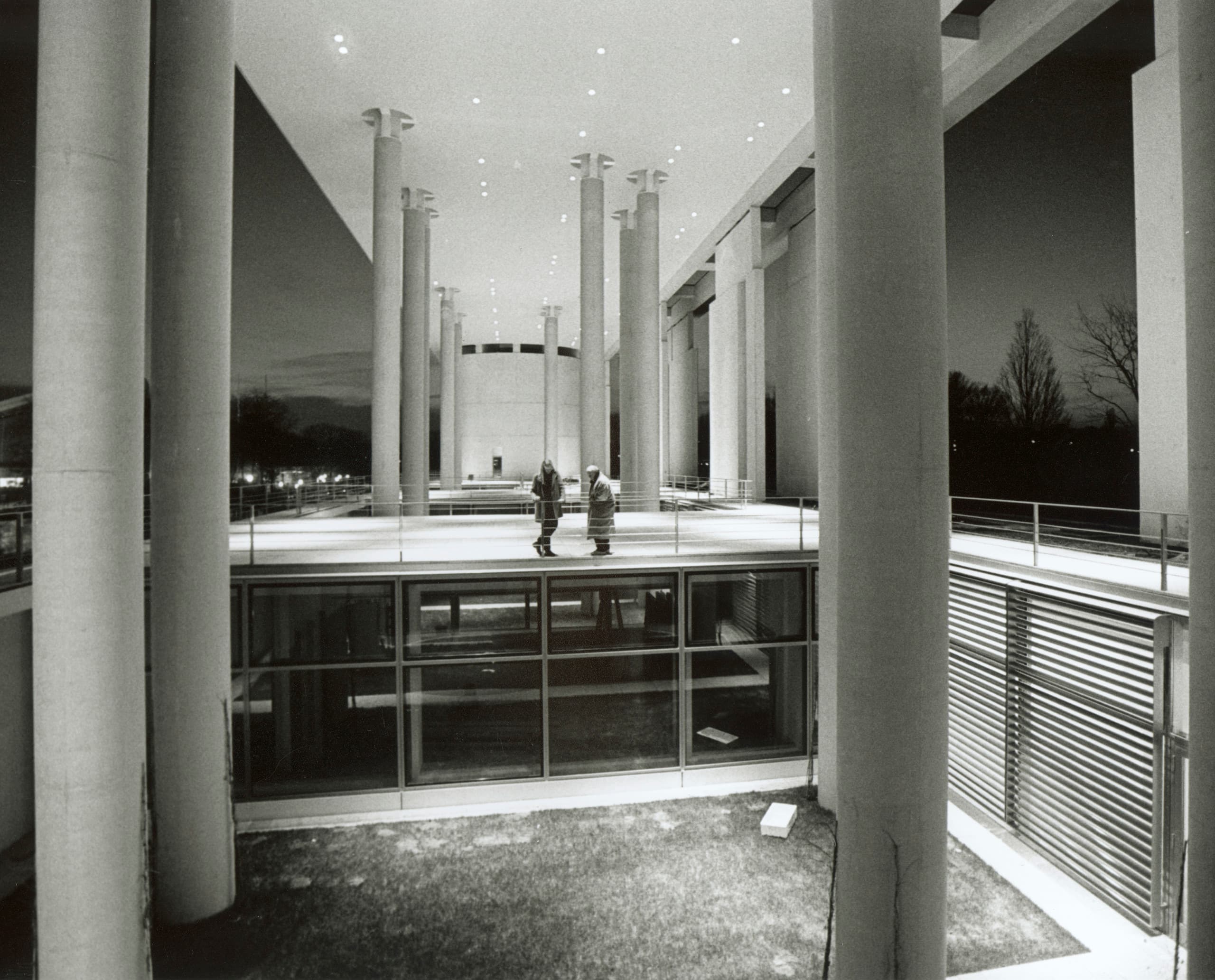

This concept was so dominant in the 1970s that any deviation from it was guaranteed attention. Precisely this was just one of the aims ERCO CEO Klaus-Jürgen Maack and designer Otl Aicher had in mind when seeking a distinct photographic approach for the company, as ERCO began to shape its characteristic image from 1974. The ERCO Lichtbericht first published in 1977 was to be a customer magazine designed to stand out aesthetically from all existing architectural journals. In addition, Maack and Aicher deemed a journalistic style of reportage photography more appropriate in capturing light and architecture. Light, the immaterial stuff of building after all, adds a dynamic element to otherwise static architecture: life comes into focus. Man, his perception of space and his requirements in the use of architecture are at the forefront of every image.


Using this visual language in such natural manner today took ERCO years of collaboration with photographers. In the first years of the Lichtbericht, architectural reportage had not yet gained the importance it was to have later – it shared the space with a liberal variety of topics involving light in life, work and art so typical of magazines. ERCO therefore recruited young photographers hailing from Otto Steinert’s legendary photography class at the Folkwang School of Design in Essen and from the ranks of GEO and Stern reporters – including such remarkable personalities as Timm Rautert, Rudi Meisel, Thomas Mayer, Dirk Reinartz, Frieder Blickle or Michael Wolf, some of whom were to become regulars working with the company for many decades. One aspect they all had in common was their narrative talent – the gift of telling a story entirely through images. Their creativity was channelled only by few parameters. The first priority was always the sequence, not the single image. 35mm format and slide film material were a requirement, if only to ensure lean production processes.
Simultaneously, ERCO as the procurer gained expertise in photo editing and layout that expressed great respect for the creative decisions of the photographers. The original image section was considered untouchable, technical manipulations were taboo. The publications created under these conditions had a fresh, timeless quality, yet also documented Zeitgeist and architectural history – a case in point is the Lichtbericht 57 published in 1997, which presented the Guggenheim Museum in Bilbao (photo) with photos by Thomas Mayer.

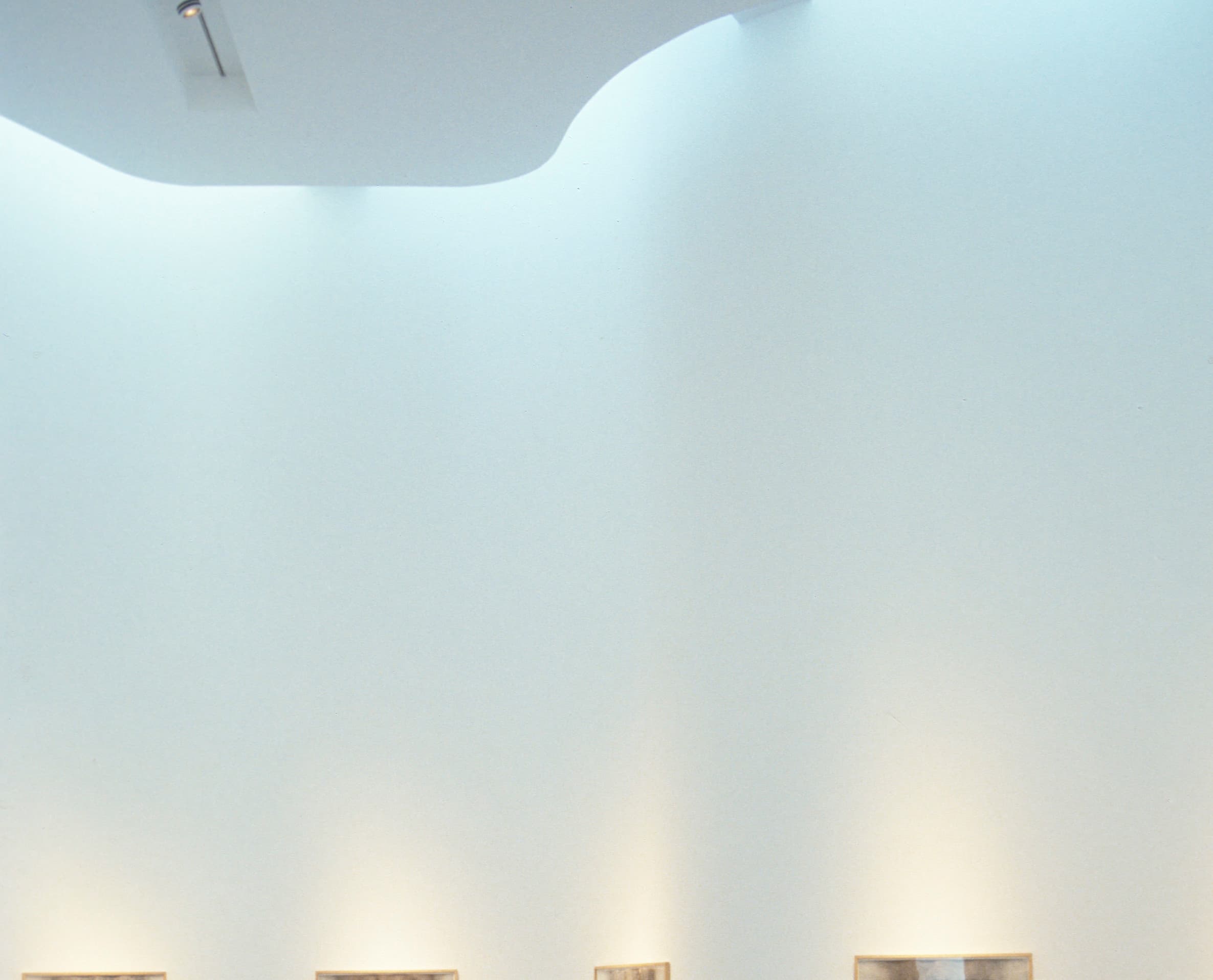
Despite the significant status which ERCO achieved with its photographic approach in the world of architecture and design, this approach was always open to development, driven by the technical possibilities and the personalities of those involved. Classic black and white photography came as much into its own as did the style of reportage on colour negative material emerging in the 1990s with its advanced options in adjusting the colour scheme of a series. Using different photo media made it possible to follow parallel narrative threads within a large project, such as in the Lichtbericht issues reporting from different perspectives on the construction and lighting projects involving the Reichstag and Office of the Federal Chancellor (photo) in Berlin.
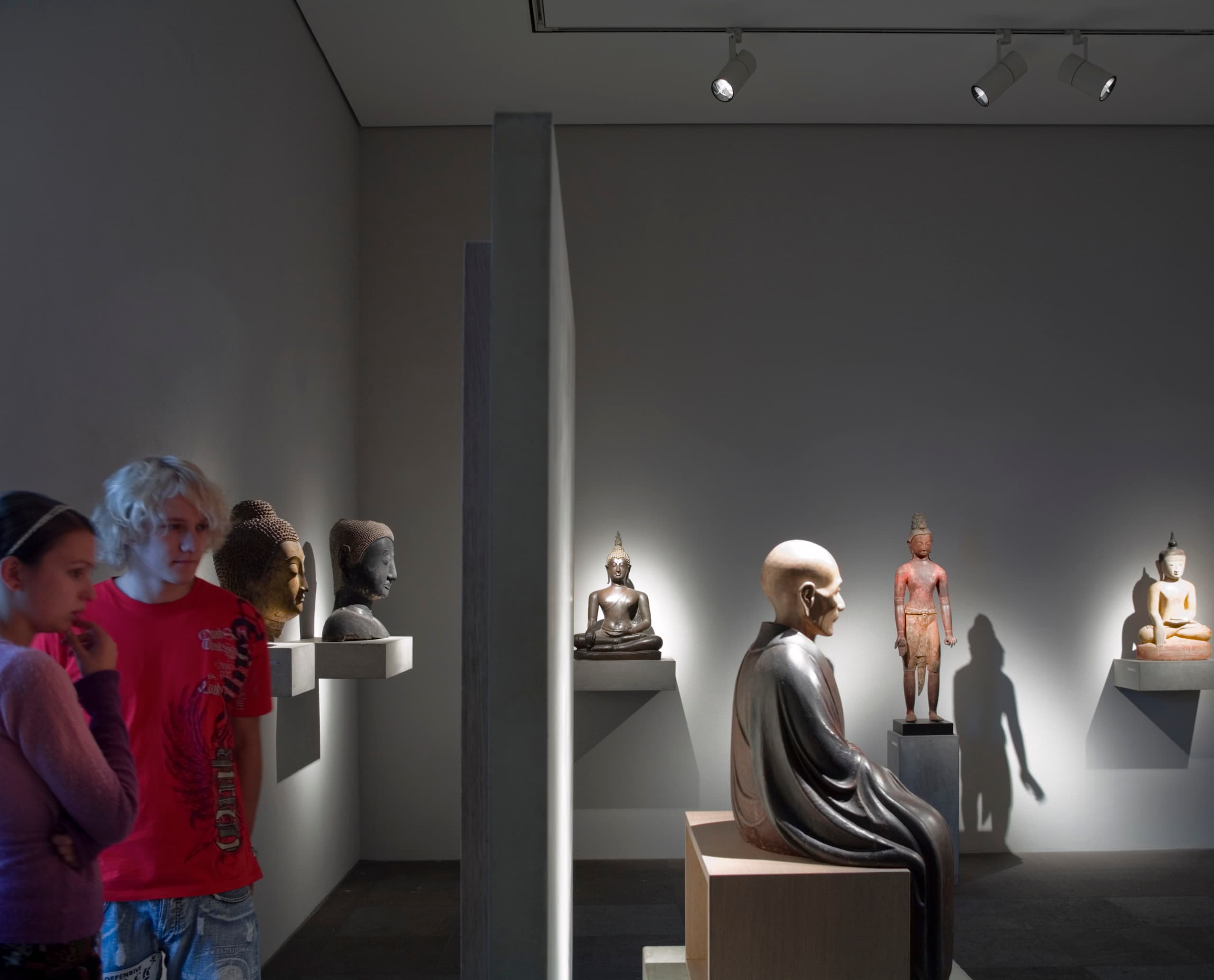

ERCO’s photographers confronted the digital revolution with varying approaches, particularly as the technology of the digital 35mm camera, and specifically the option of flexible white balance, soon brought about a tremendous progress in the photography of light in space. When faced with unusually extreme lighting conditions, such as on the construction site of the New York Times Building by Renzo Piano (photo), digital technology offered experts such as Frieder Blickle new scope for photographic design.
A stringently maintained position – be it in architecture, art or photography – does not conform to every Zeitgeist. In this way, ERCO’s architectural reportages exposed without mercy the fact that some structures of the postmodern era focused excessively on visual stimuli and iconic appearance. Even within the photo scene, the journalistic style of narrative imagery adopted by ERCO’s photographers often went beyond the mainstream, which, since the boom of artistic photography in the 1990s favoured corresponding positions. There were, nevertheless, always some young photographers who identified with this approach – including Dirk Vogel, Edgar Zippel, Sabine Wenzel or Alexandra Lechner.

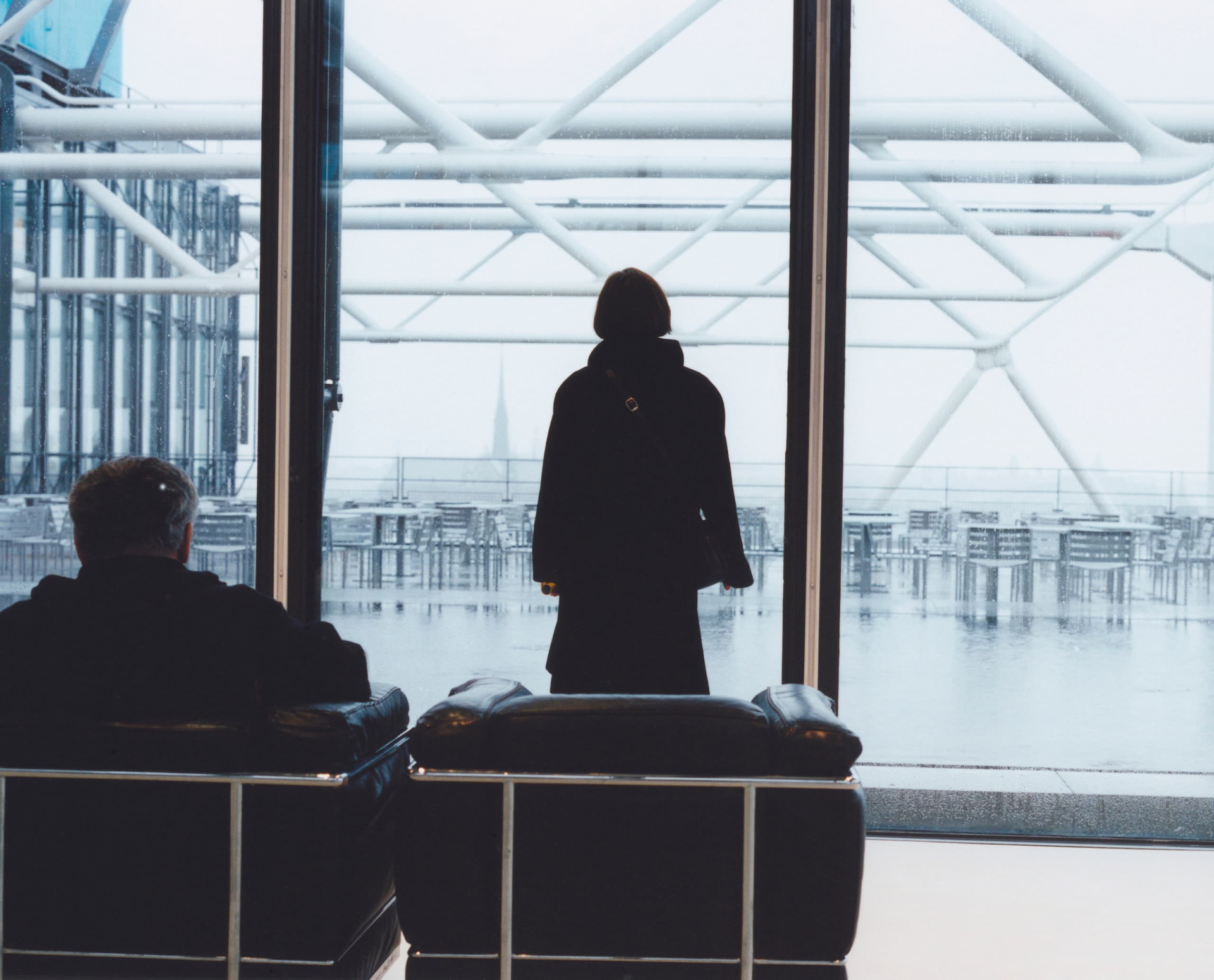
Those architects however, who, for their part, thought procedurally, in social contexts and open systems, quickly recognised the advantages of this type of photography. It is not a coincidence that Rudi Meisel, for instance, launched book projects with Norman Foster, that Thomas Mayer has one of the most extensive photo archives on Frank O. Gehry’s work – and that Iwan Baan got his break as an architectural photographer with his work for Rem Koolhaas. Baan’s current documentation of the Louvre-Lens is indicative of deeply felt humanism: analogue to the concept of the new museum, he leaves it to the observer to discover patterns and relationships. In his images, Baan portrays architecture in the context of people, but also of its environment. He examines structures for their relevance and makes photography a litmus test of architecture – an approach which many architects favouring a more formal approach feel rather uneasy about. That architectural photography considers once more the context in which a building is used, and the people using it, is a welcome development for ERCO, where this perspective has never been an issue.


Martin Krautter works as a freelance author and journalist in Offenbach am Main. After studies in industrial design at the HfG Offenbach, he was with ERCO in Lüdenscheid as head of media relations and the editorial team from 1998 to 2013. www.m-krautter.de