LED lighting with tunable white for perfect storytelling

Edgar Zippel Berlin
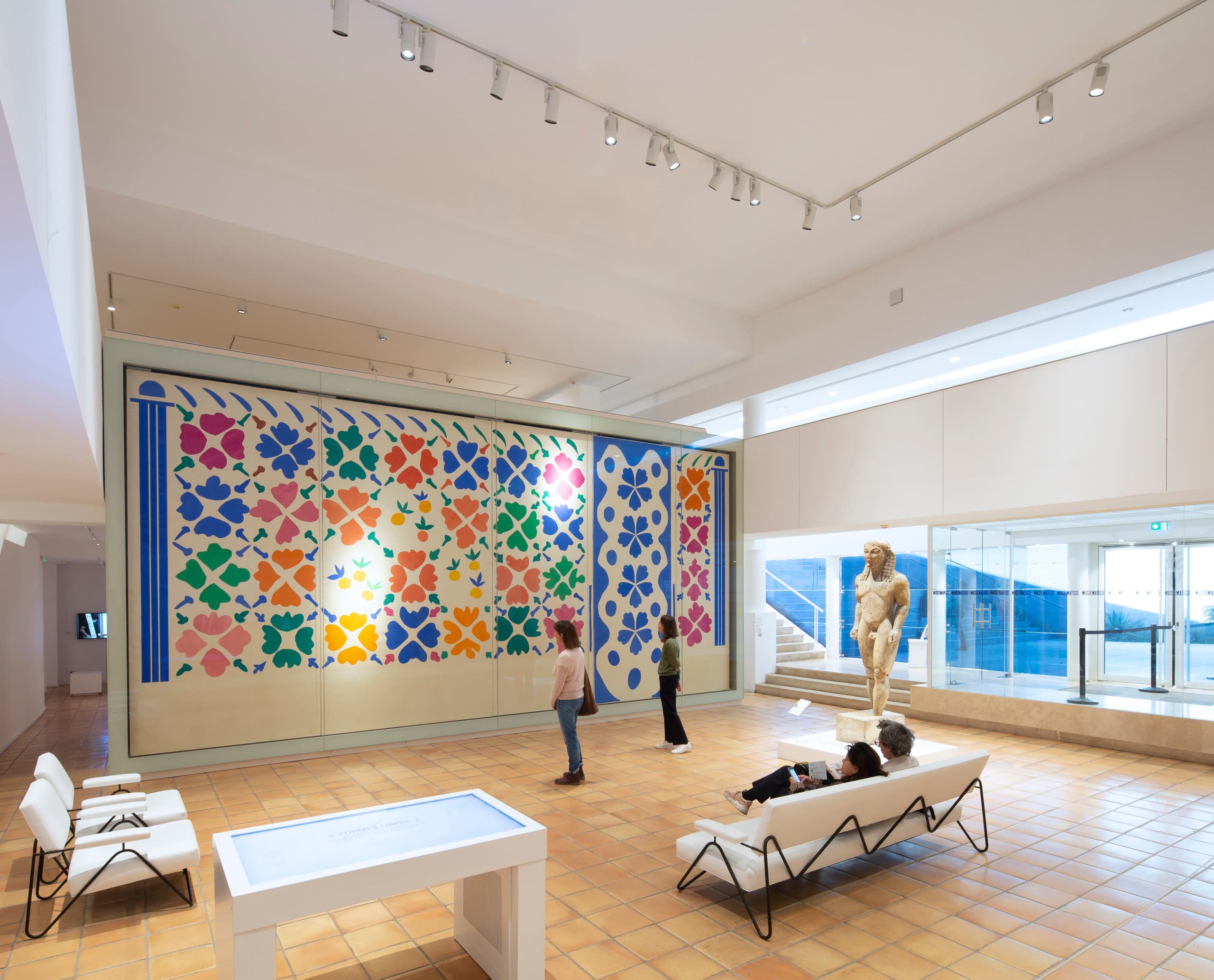
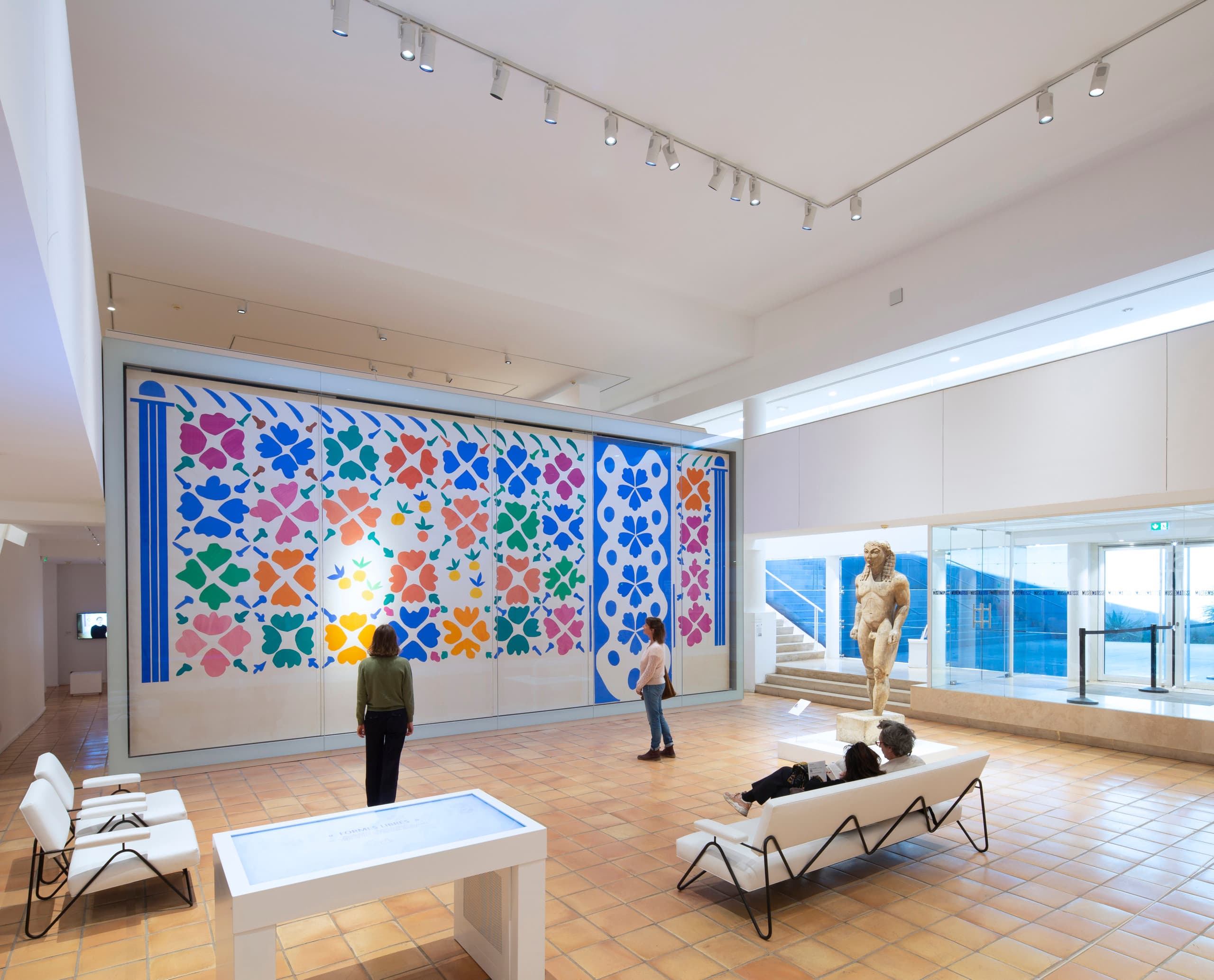
The rehanging of the “Fleurs et Fruits” by Henri Matisse at the Matisse Museum in Nice, France
A well-planned and well-executed lighting plan can shape the visitor experience and bring benefits for art conservation and preservation. This can be experienced at the Matisse Museum in Nice. We spoke with Aymeric Jeudy, Director at the Musée Matisse.
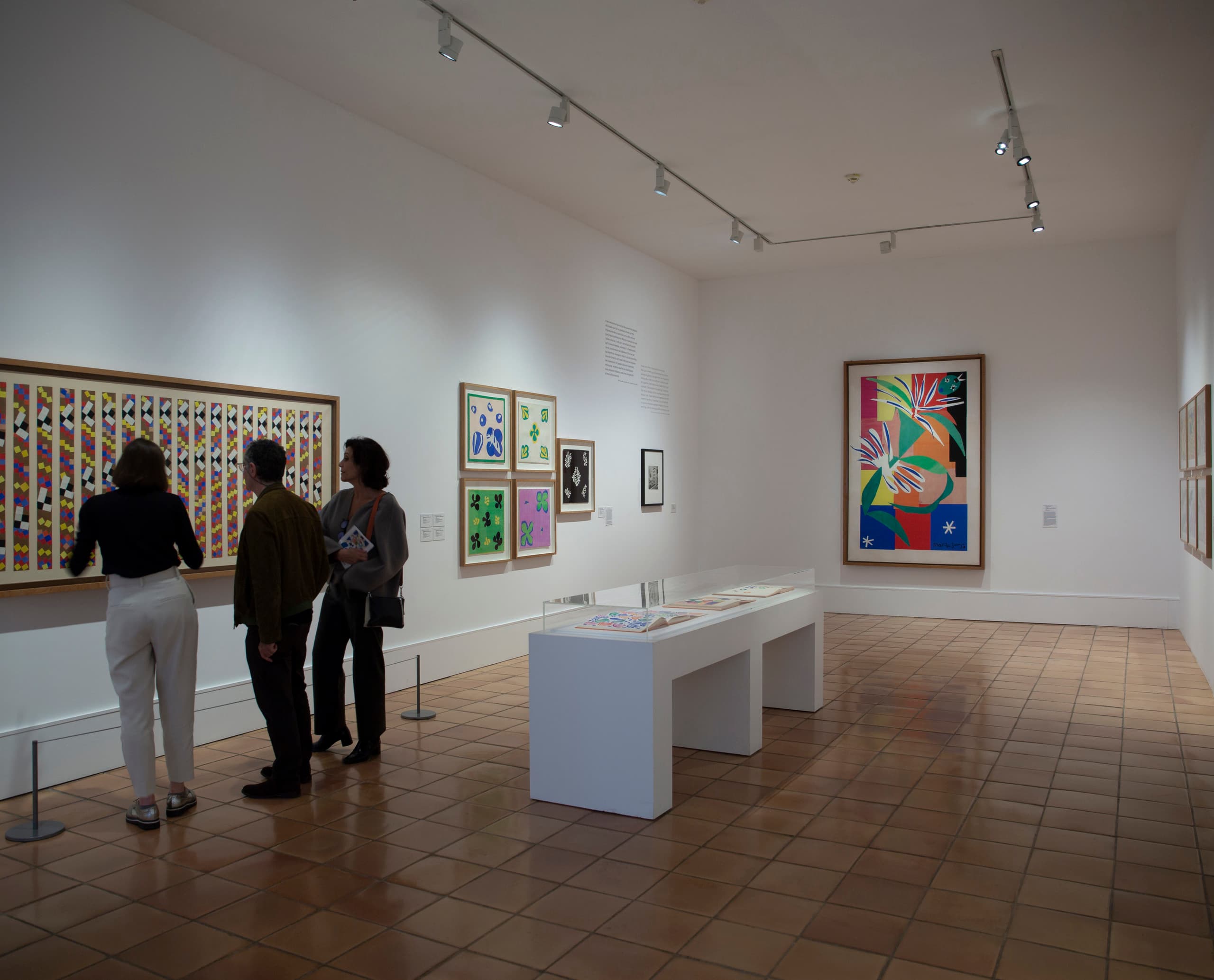
Henri Matisse does not need much introduction as being one of the world’s most beloved artists, and today many of his works are preserved and displayed at the ‘Musée de Matisse’ in Nice, France which opened in 1963. The converted country house is very near where Matisse lived and is situated in a public park, currently with the ‘Théatre de Nice’ by Calder displayed in front of the building. The main collection of around 600 Matisse works provides a tremendous opportunity to educate visitors of all ages, and the museum takes great care in telling the story of Matisse and his work to audiences ranging from young school groups to adults from the world over.
The sheer popularity of Matisse means preservation for future generations becomes even more critical. This is the starting point of the many challenges the museum faces. Being situated on the south coast of France, managing the environment around the works is a challenging undertaking due to the high levels of heat, light and humidity. Humidity can vary between 30 and 75%, and a variety of insects look forward to making a breakfast of a Matisse work on paper on a regular basis, hence the enormous responsibility that the museum bears. The original Genoese style architecture from the 17th century has large windows allowing much daylight to enter the building. The museum’s extension and work designed by architect Jean-François Bodin provided an opportunity to update not only the way light is controlled, but also how the air is managed within all the spaces.

Since 2017, the lighting has also been replaced with LED fixtures and combined with control systems to manage the illuminance. The visitor entrance is situated in the extension, and is below ground level — opposite the ticketing counter is where the enormous 4,10 x 8,7 metre “Fleurs et Fruits” cut out is displayed. When we first talked with the museum’s Director Aymeric Jeudy in 2020, he described a combination of requirements on conservation and the visitor experience. Although the work is omnipresent for visitors as they purchase their entrance tickets, many visitors walked right past it on their way to see other well-known exhibits. This was one of the reasons why the idea came up to use tunable white and dynamic light on the “Fleurs et Fruits” in order to help to tell the story, attract visitors’ attention as they enter the building, and reduce the overall cumulative light exposure time or ‘lux hours.’
The major re-exhibiting of the installation involved the complete re-design of the display set up, including replacing the showcasing together with Meyvaert. As “Fleurs et Fruits” is situated behind extra-clear and low-reflective glass, the combination of light and reflections comes into play. To ensure this worked in the right way, we spoke directly with the Meyvaert engineers to understand the glass properties and where lighting could be situated and reflections for visitors avoided. The glass has a specific coating, allowing light to pass through at some angles and not be reflected back to viewers.
After the opening, Matthew Cobham (global cluster manager Culture / Contemplation ERCO) spoke with Aymeric Jeudy, Director of the museum to understand their perspectives now that the project is complete. Aymeric has a diverse role which includes production of exhibitions, overseeing the protection of artworks and how they can be presented and managing buildings projects.
Matthew Cobham: Just to put the museum facilities into perspective, can you summarize some of the key points related to this project?
Aymeric Jeudy: The building, as it is today, is to a large part the result of the major works carried out in the late 1980s together with the architect Bodin. Before this, the museum was only a part of the main house. Bodin added a major extension. Originally, the hope was to have the new entrance, with the Fleurs et Fruits, in front of the building. However, because of the Roman archeological artifacts on the site, it had to be situated off to the side and underground. Hence the reason why the entrance is today off to the right.
MC: How did you go about managing such a project as the ‘Fleurs et Fruits’?
AJ: From the outset, we set up a study day to help define the project and to involve everyone. This helped identify and anticipate the many challenges. It was clear that one of the first challenges would be just getting the work out of the case without damaging it for restoration. The existing glass panels had no access from the front and there was a real risk of destroying the work during the removal process. Here, working closely with experts from the showcase manufacturer Meyvaert allowed us to find a solution which would protect the work, allow more visibility and make access for maintenance easier. Once a project had been developed and financing obtained, thanks to Yomiuri Shimburi in Tokyo, the details could be worked out and permission obtained for the restoration from the French Ministry of Culture.