How light reveals: the exhibition "Foto: Hans Hansen" at the Museum für Kunst und Gewerbe, Hamburg
Frieder Blickle
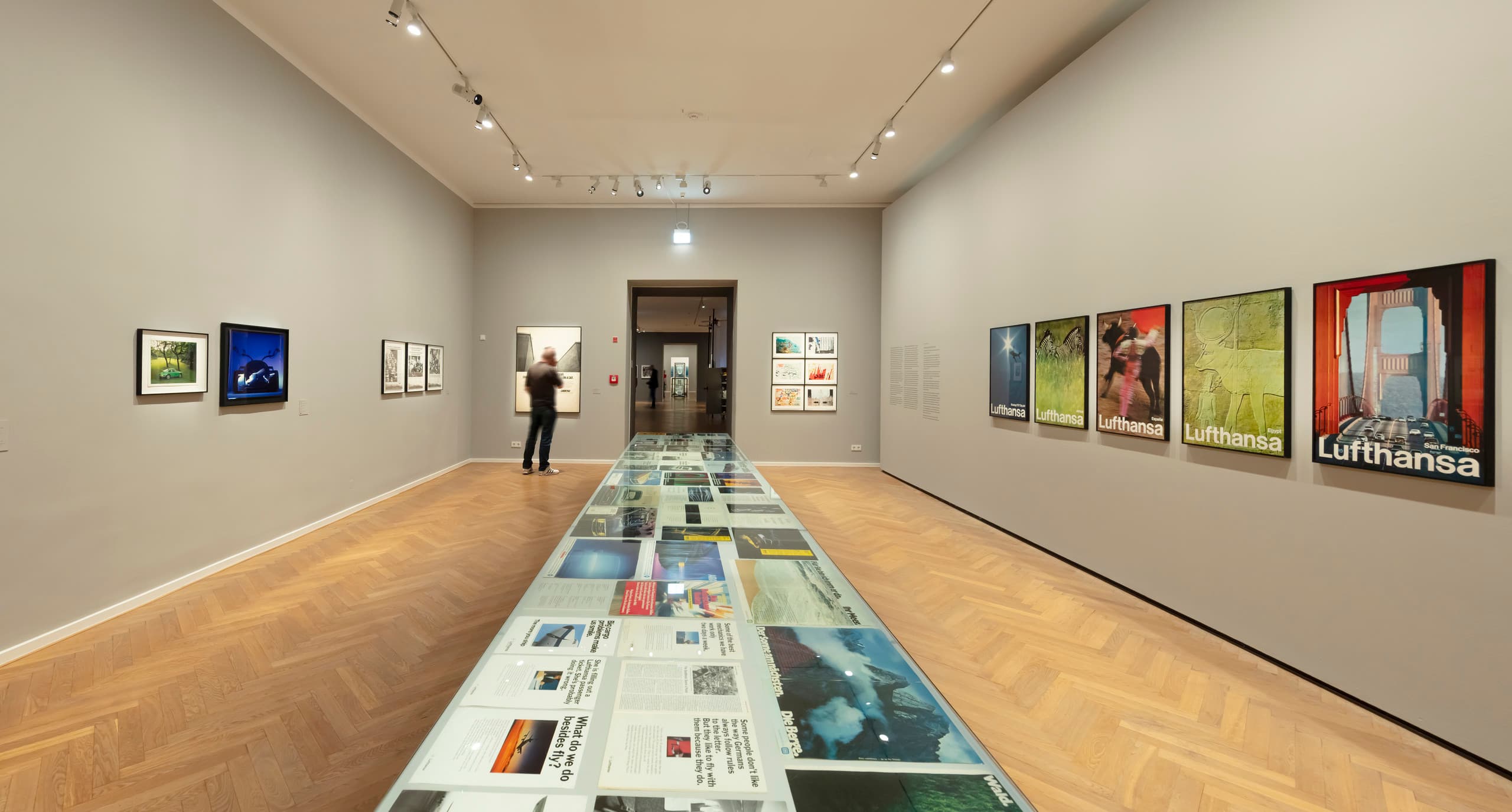
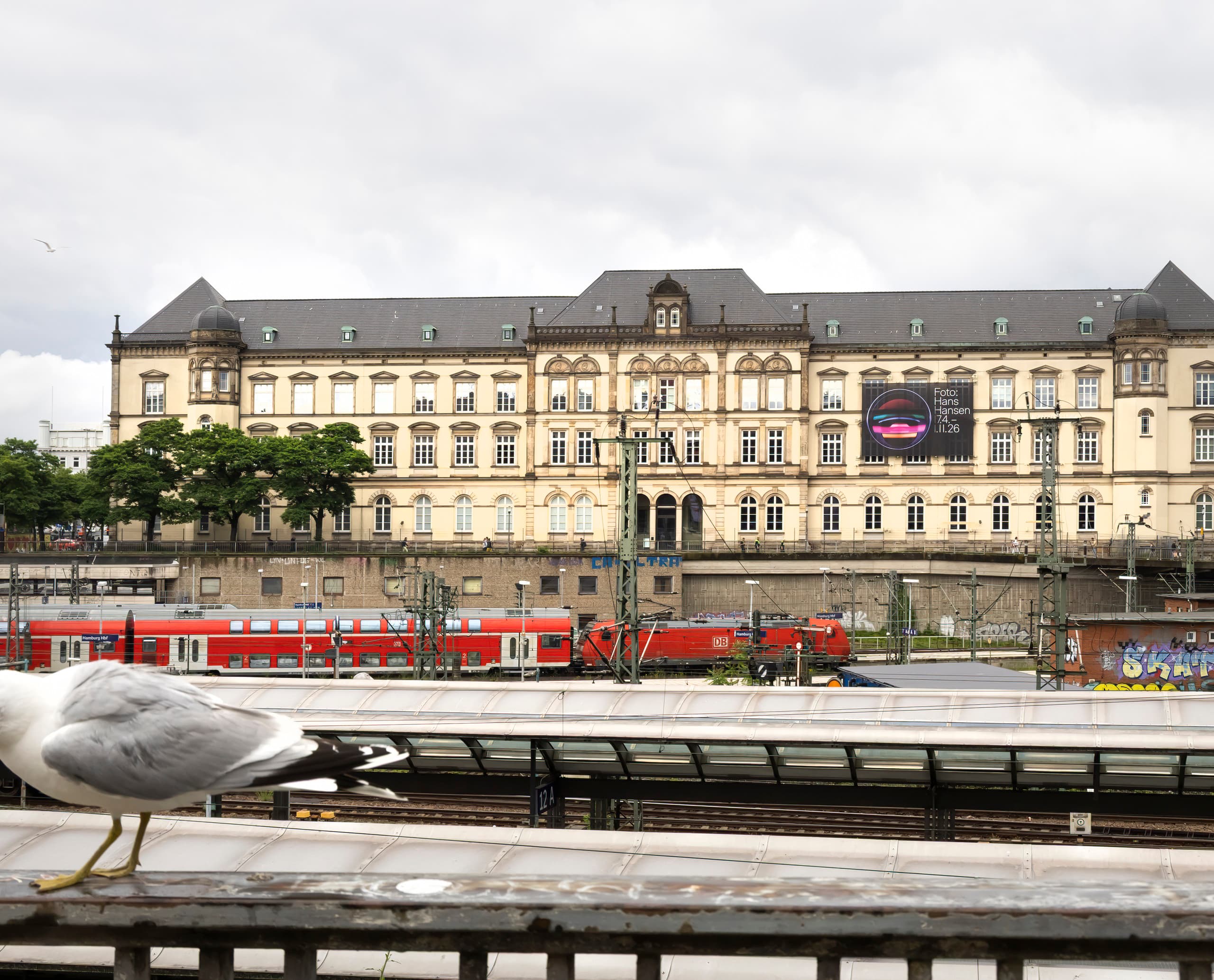
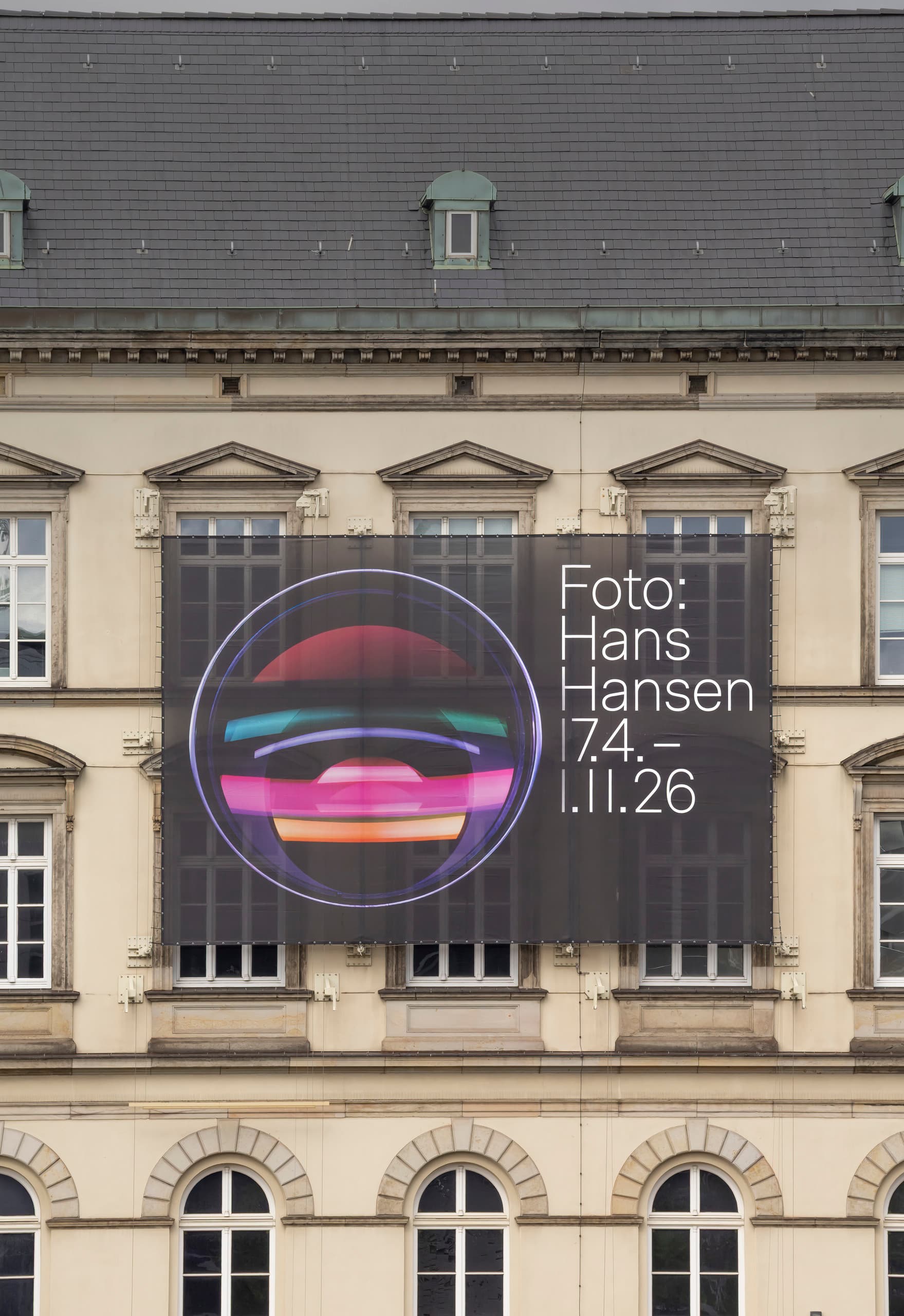
From 17 April 2026 to 10 January 2027, the MK&G Hamburg presents a comprehensive retrospective of Hans Hansen's work. Staged with great care and with the involvement of the photographer himself, together with curators and exhibition and lighting designers. And illuminated with lighting tools from ERCO – the light factory whose visual identity the photographer shaped lastingly through his eye.
In the museum's historic stairwell, large-format photo banners already set the mood for the exhibition: a series of images of glass objects against a white background, created in 2025 by the photographer, who was born in 1940. These most recent works are the essence of the way of seeing that makes Hansen's œuvre so outstanding. With apparent ease, he bridges the gap between presenting objects clearly and without artifice – and, at the same time, inviting a meditation on aesthetics, form, material, light, and thus on the very nature of photography itself.
Light is fundamental to photography. It has always been my principal tool.
Hans Hansen
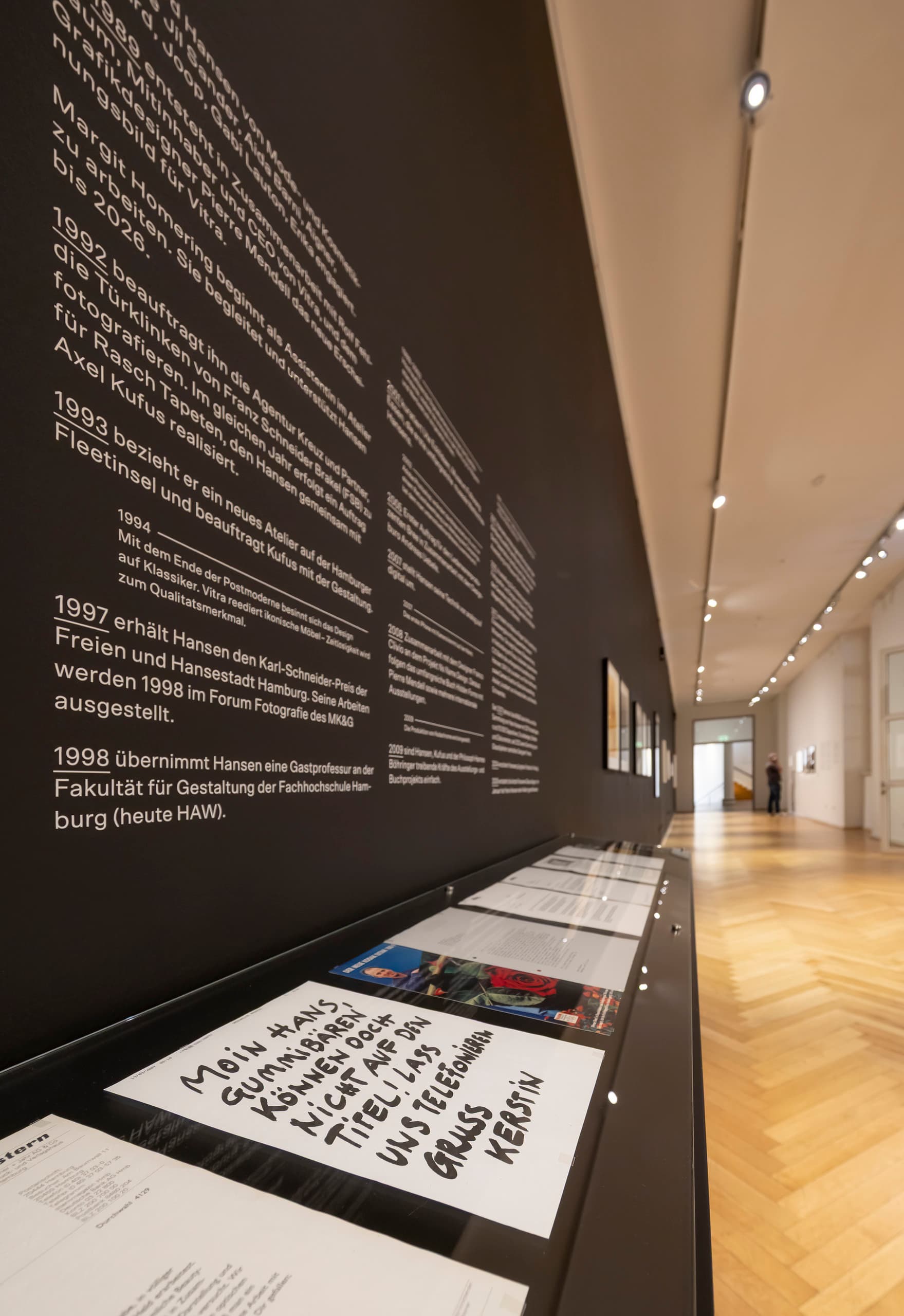
This way of seeing benefits not only the public and the collectors of his independent works, but also the many companies that Hansen helped to gain new perspectives on their own products during his long career as a studio and advertising photographer – among them ERCO. At the MK&G, alongside the stairwell, the exhibition's creators made use of a symmetrical sequence of five rooms and their adjoining corridors on the first floor. The curators were Dr Esther Ruelfs, Head of the museum's Photography and New Media Collection, and Claire Müller, Justus Brinckmann fellow of the same collection. The exhibition design is by Prof. Axel Kufus, the graphic design by Heimann + Schwantes.
Prof. Maike Mia Höhne produced a film to accompany the exhibition – all, of course, in close coordination with the photographer himself.
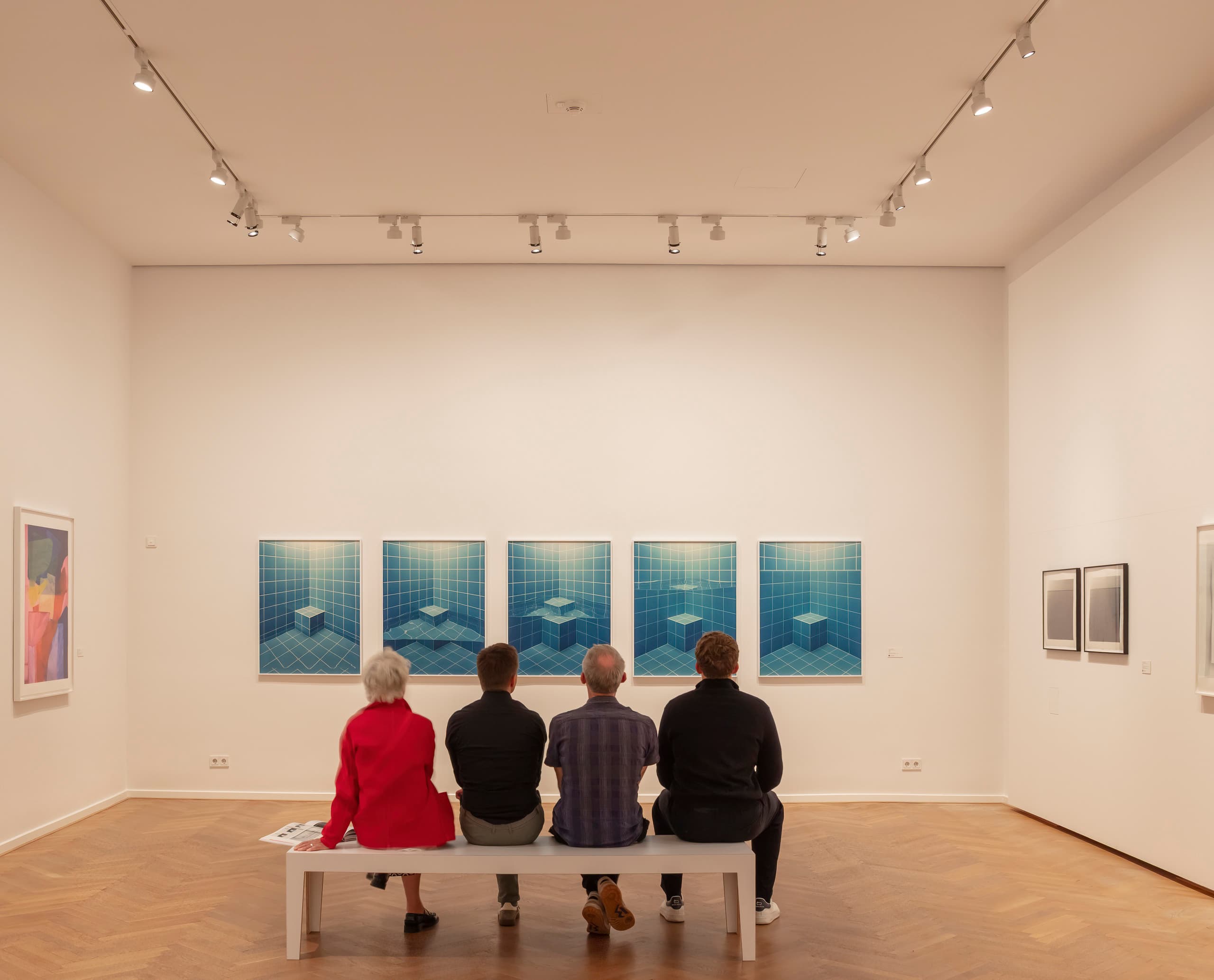
When it came to illuminating the works, Hansen and the lighting designers Carsten Sander and Björn Salzer quickly agreed: here, really only technology from ERCO came into question. Naturally also because of the brand's close ties to his work, a connection addressed within the exhibition. Above all, however, it was down to the outstanding lighting quality and experience of the "light factory" when it comes to the effective, perception-oriented illumination of art and architecture.
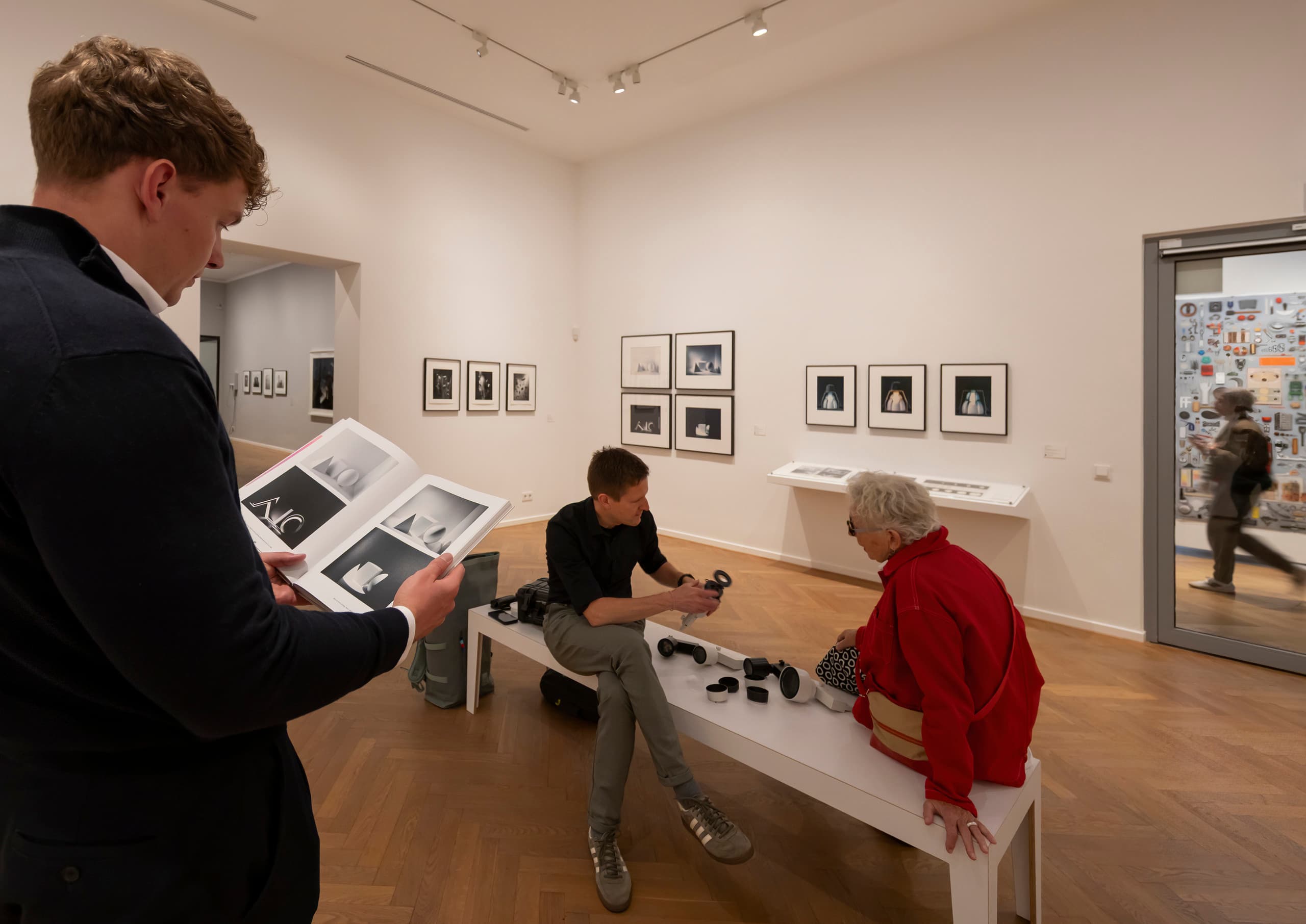
Wonderful that we were able to realise the exhibition lighting with ERCO technology.
Hans Hansen
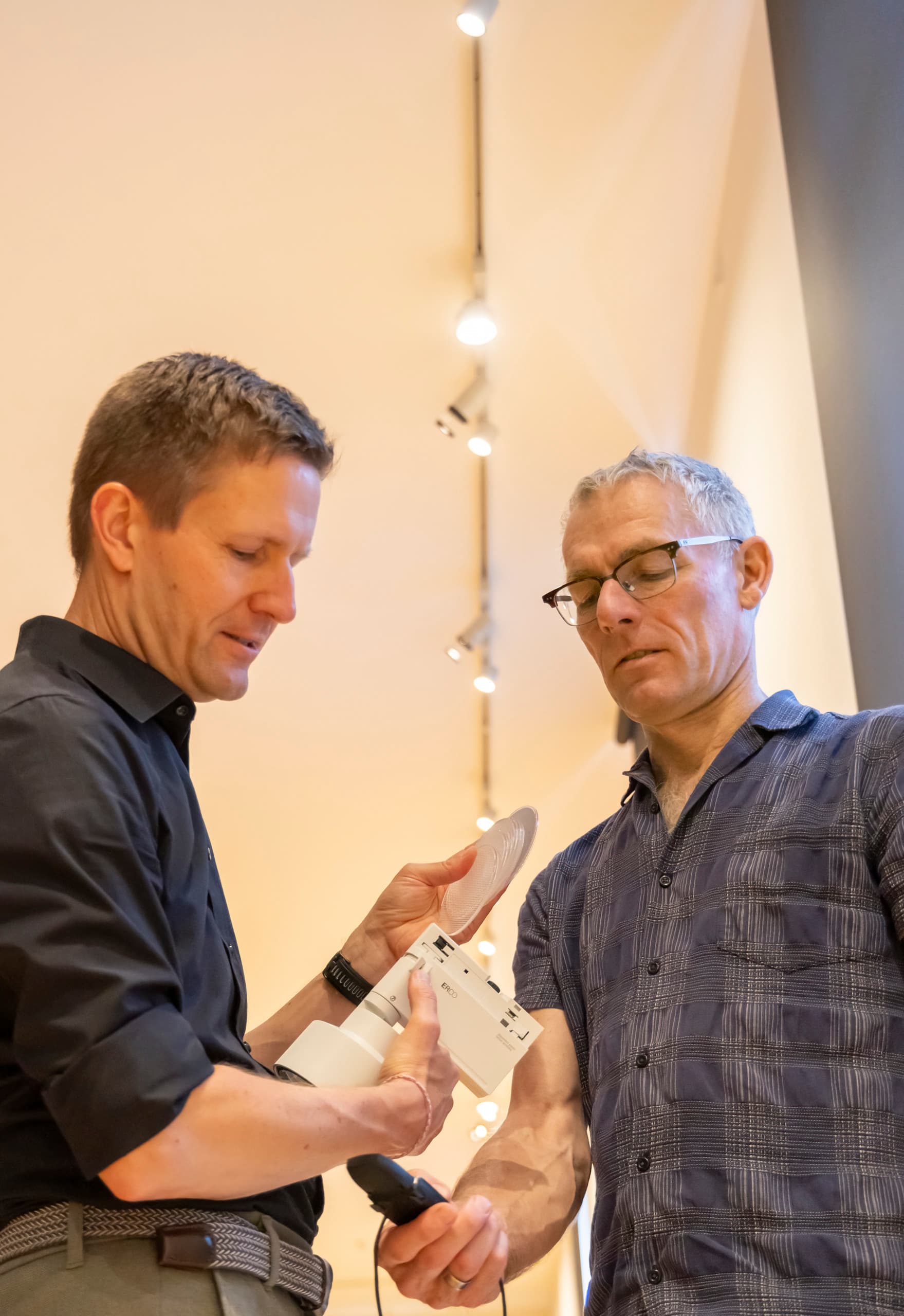
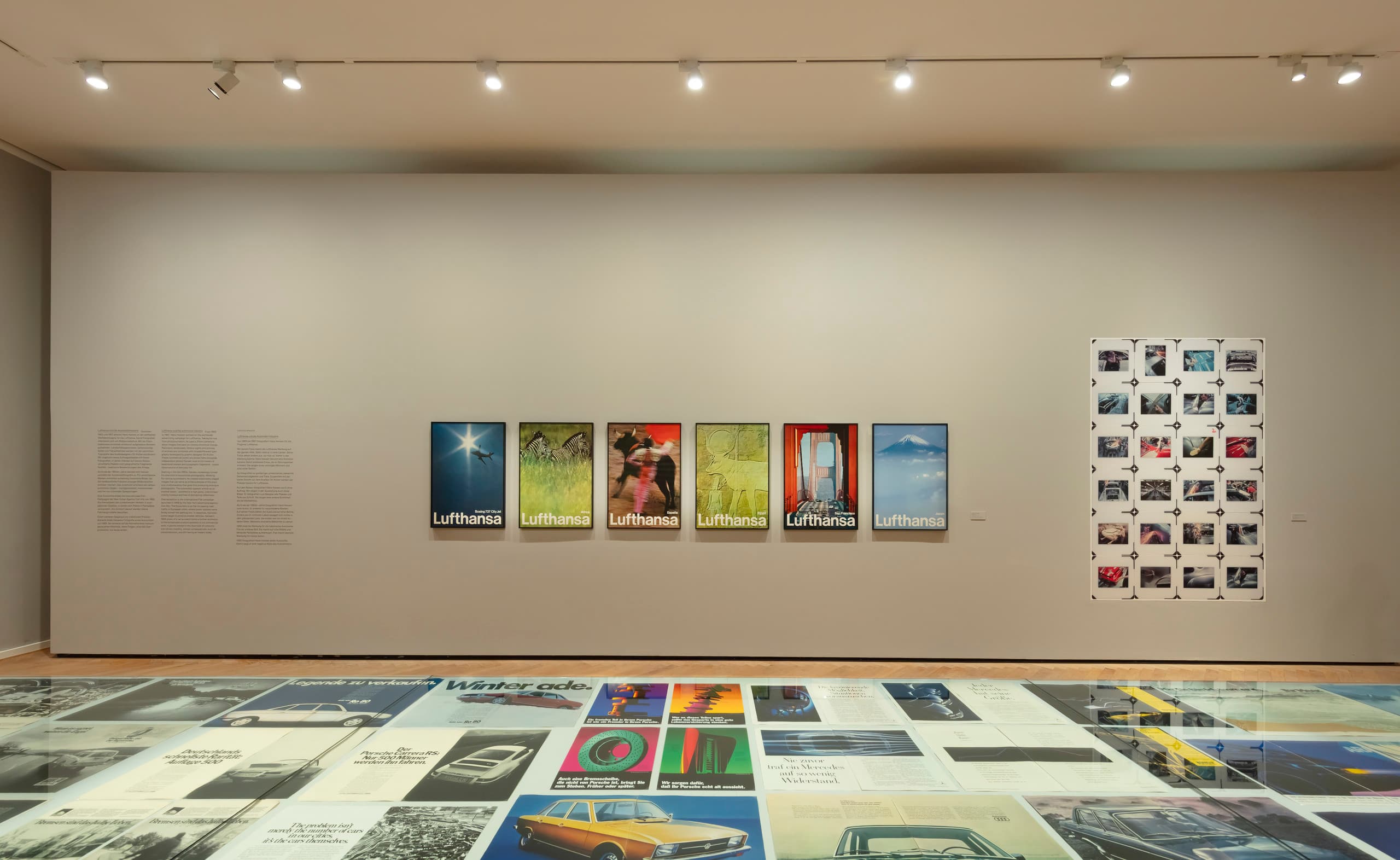
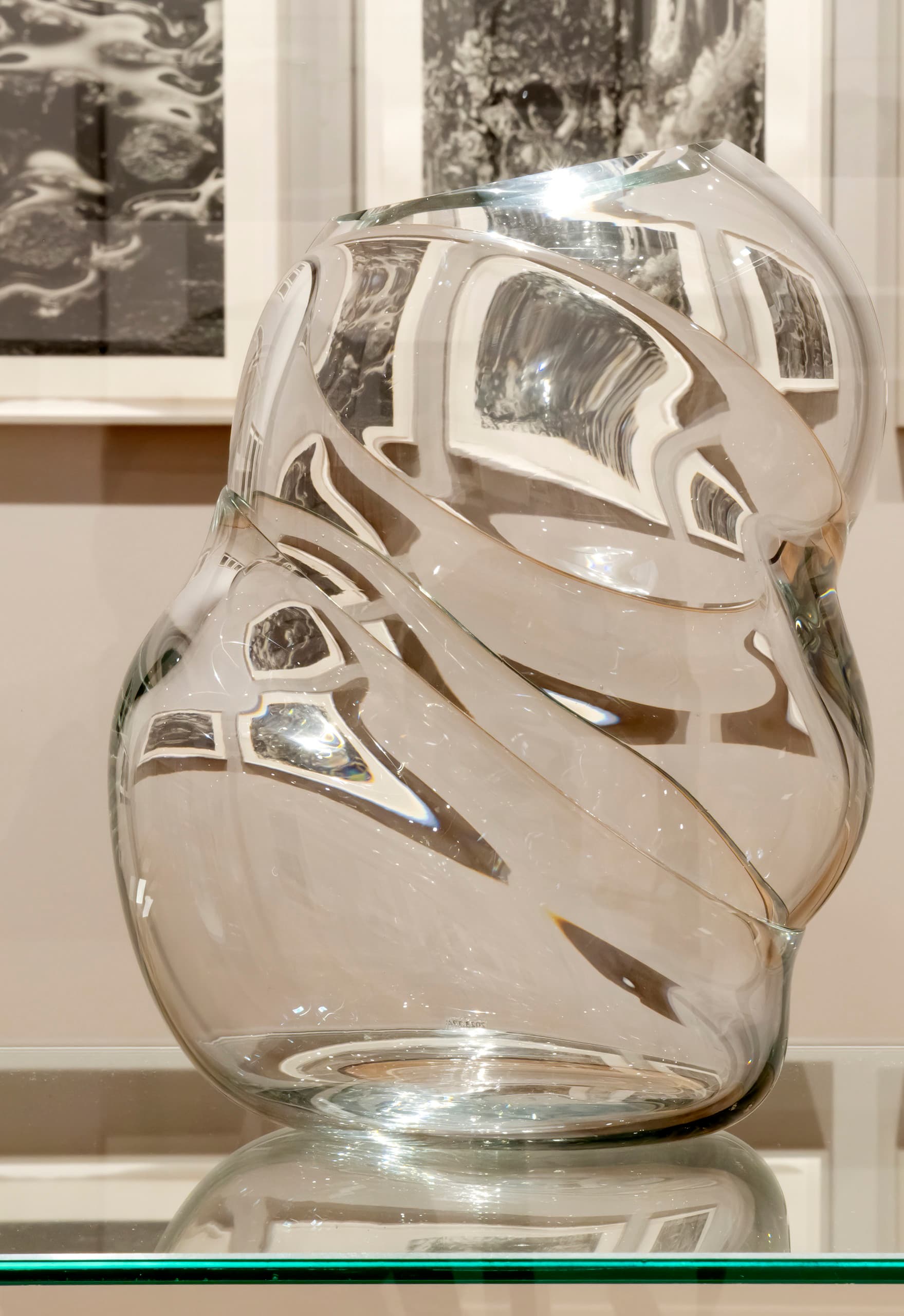
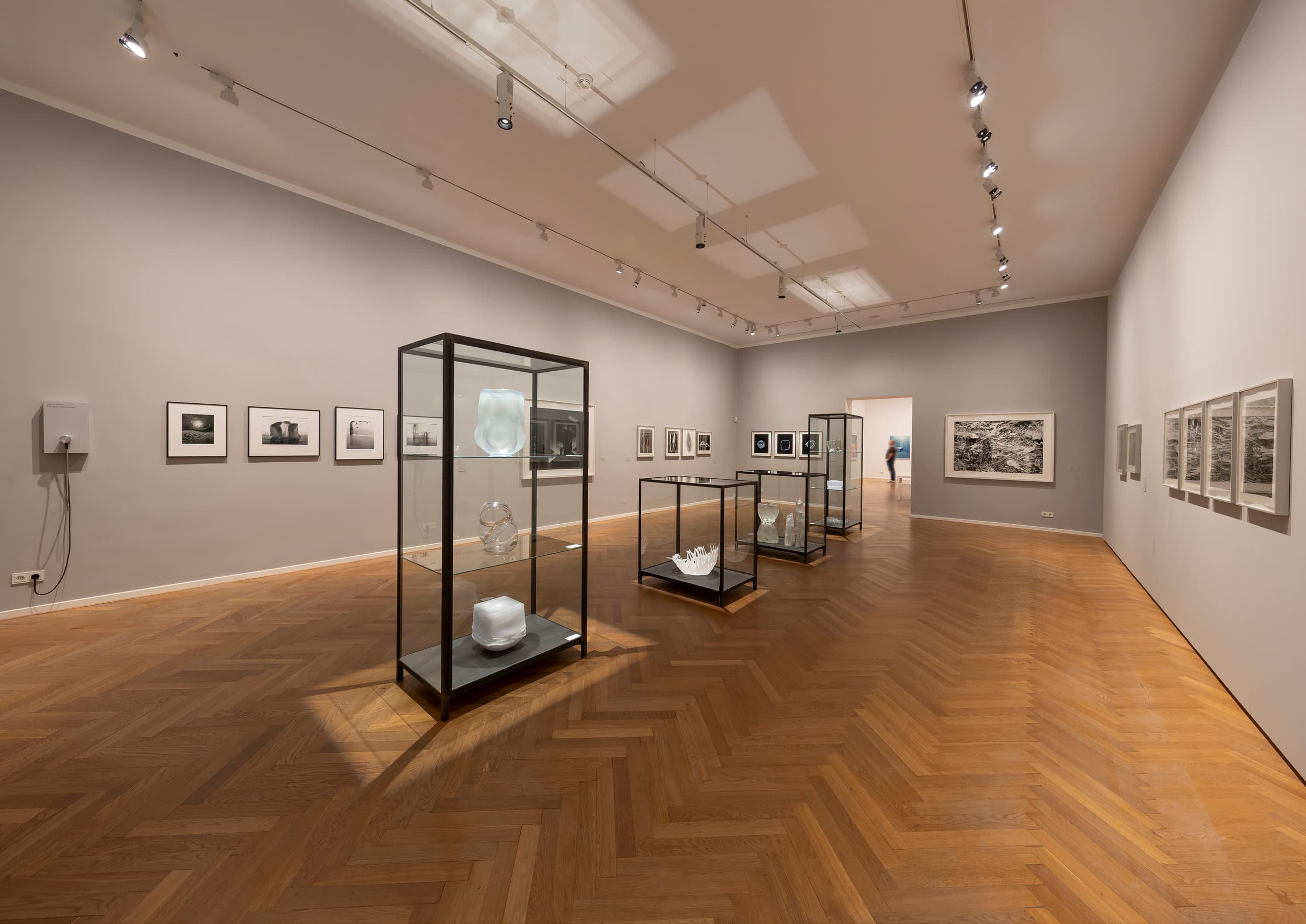
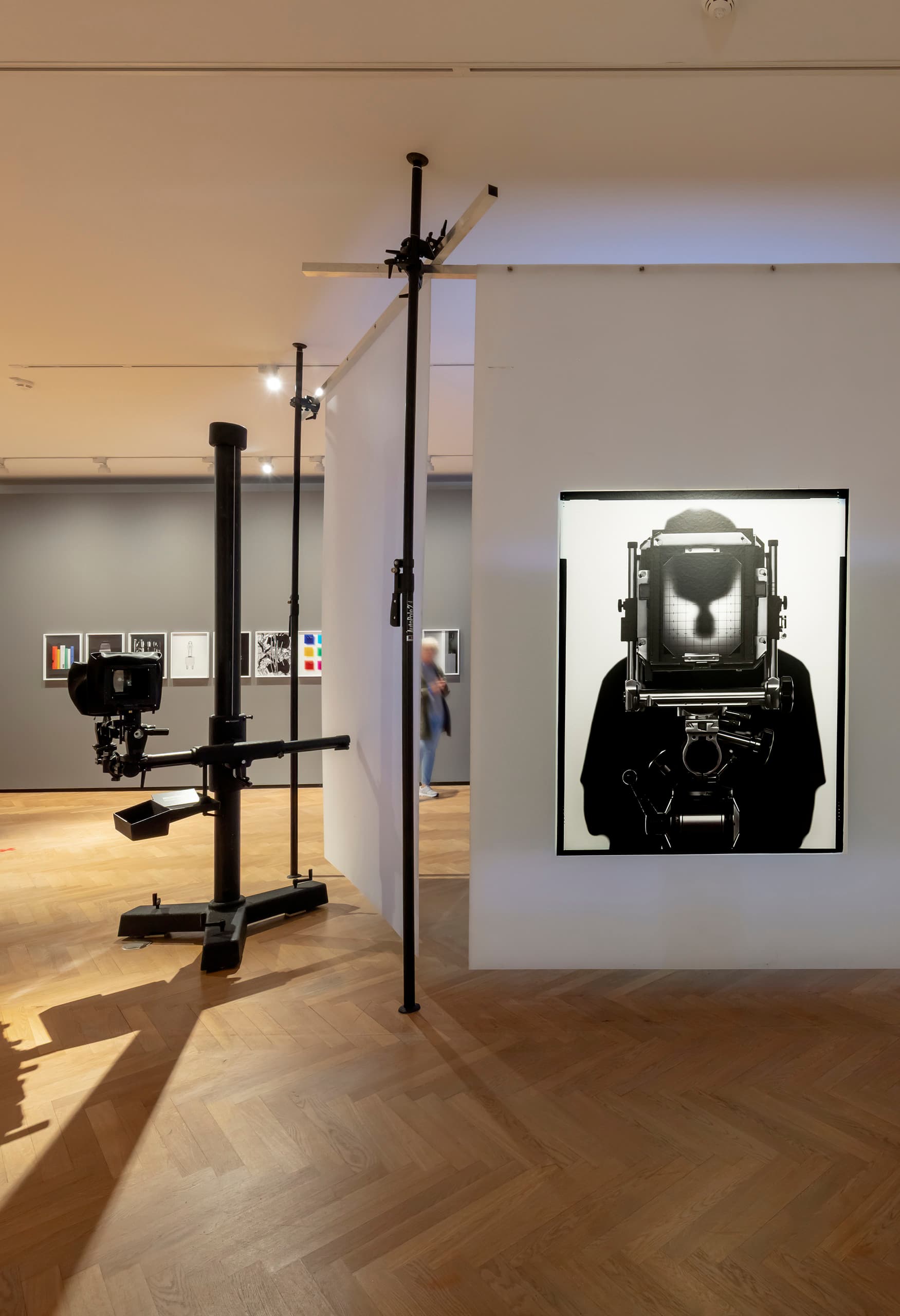
Supported by the experts of the ERCO office in Hamburg, the designers brought their vision to life: an extremely uniform wallwashing as a base layer, with the individual works picked out by contoured beams of light – yet not with razor-sharp edges, but softened ever so slightly. As their lighting tools, Sander and Salzer chose LED contour spotlights and lens wallwashers from the Pollux and Eclipse product families, installed on the existing track squares in the room ceilings. Where this arrangement could not achieve an optimum luminaire position – for instance for the zenithal illumination of objects or display tables in the room – additional track segments were temporarily suspended. The result echoes the many layers of Hansen's images: on the one hand, the light appears matter-of-fact, neutral, and functional in the sense of the visual task, namely coaxing their nuanced tonal values from the photographs. On the other, the soft wallwashing, together with the slightly defocused accents of the framer, makes walls and exhibits seem to glow almost magically, as if from within.
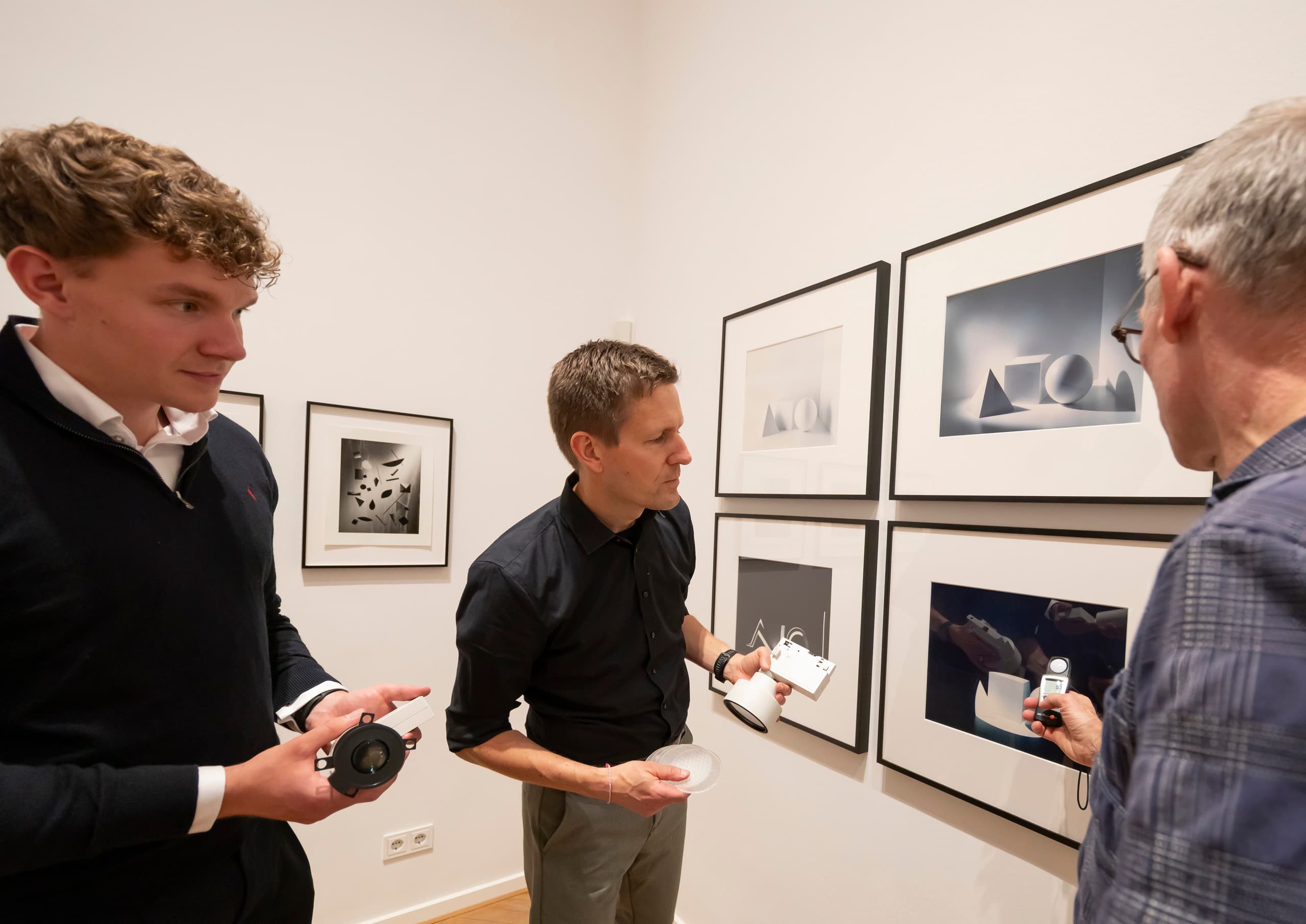
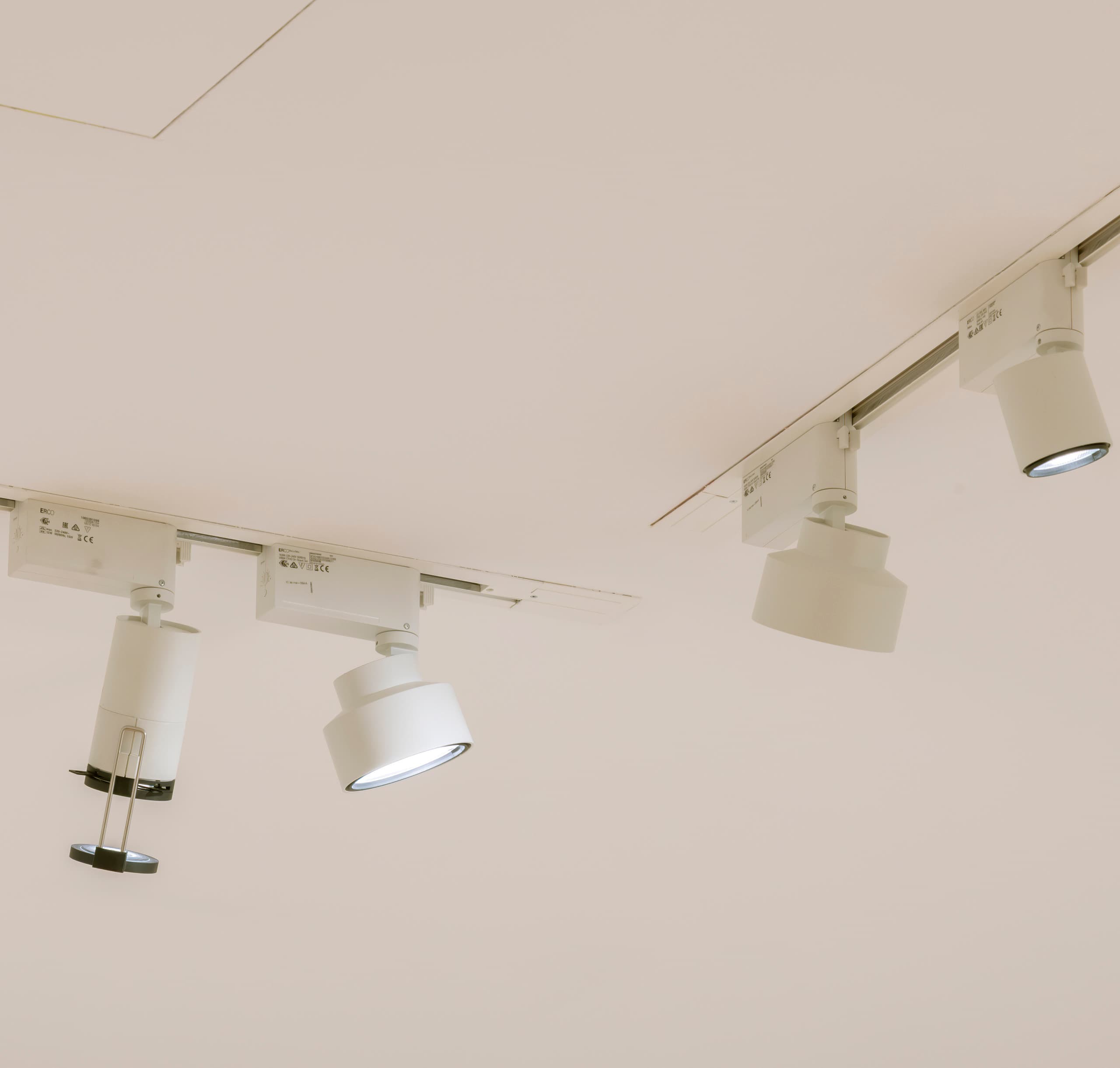
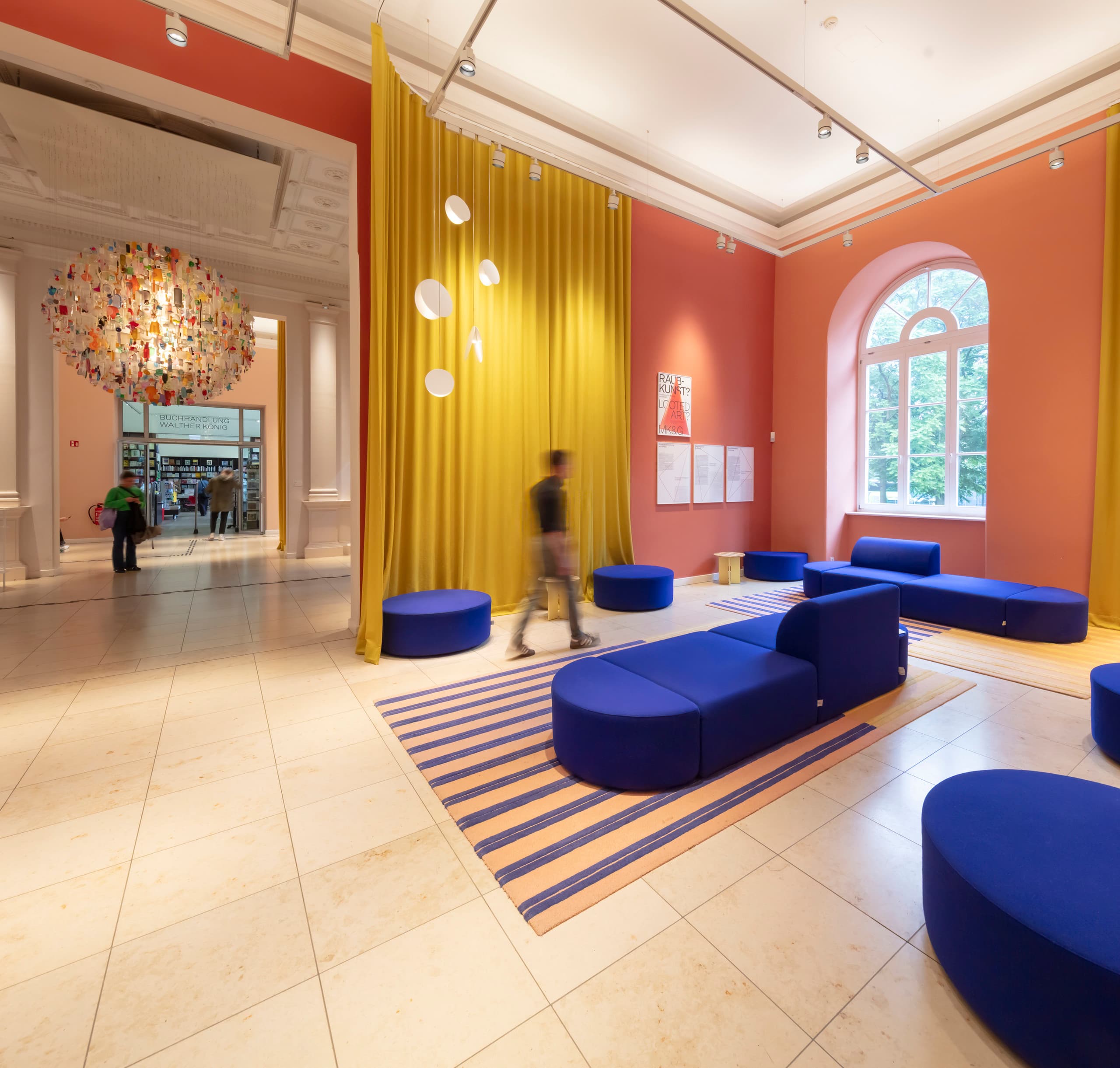
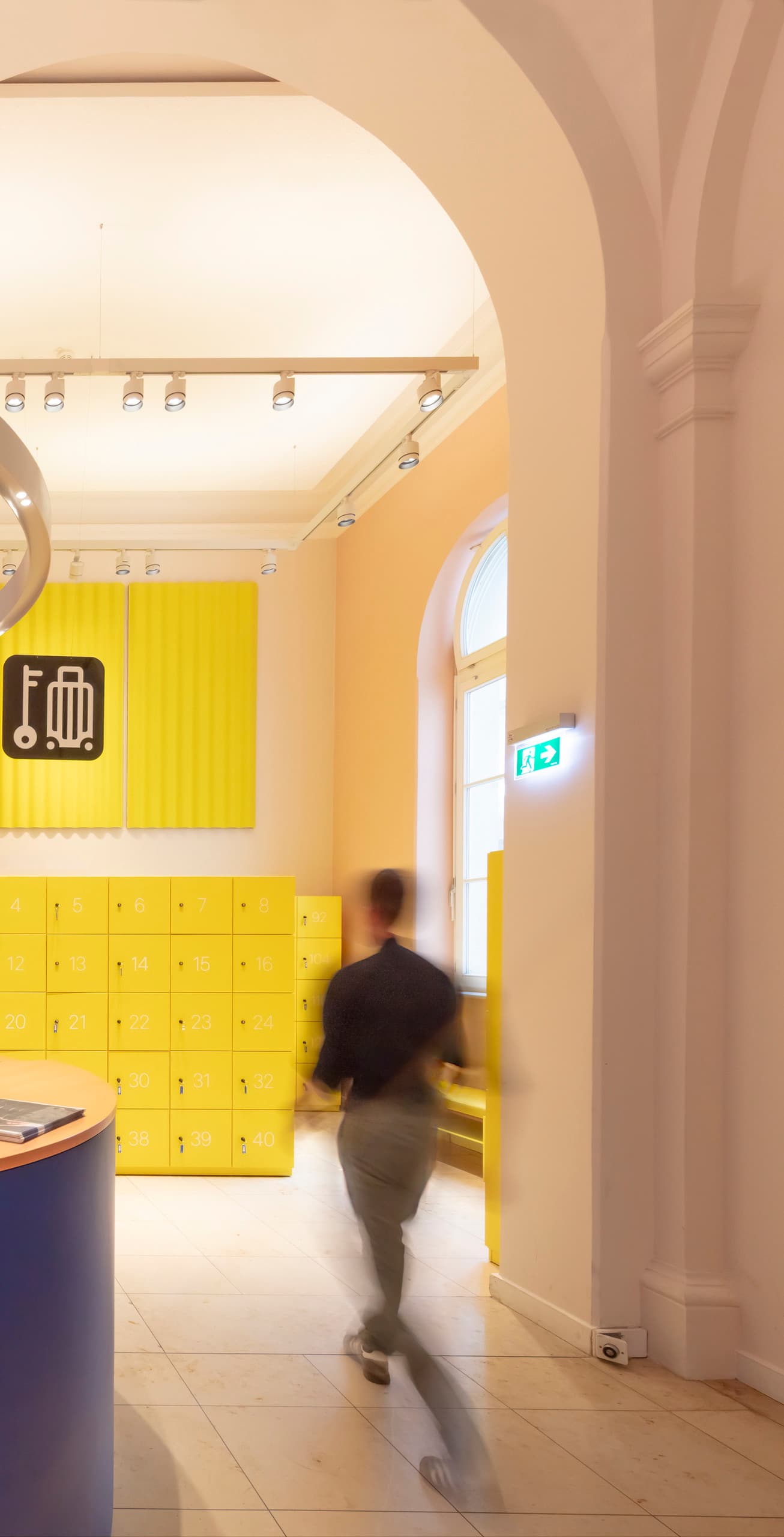
On the occasion of the exhibition, the museum was able to acquire a suitable quantity of these lighting tools, which will pass into the museum's collection once the show has ended. To facilitate the most versatile use possible throughout the building, the spotlights are dimmed in the classic manual way, via a potentiometer on the housing. Robust, user-friendly technology of this kind for everyday exhibition work makes ERCO lighting tools a sound long-term investment for museums and exhibition venues of every kind. ERCO solutions such as suspended Hi-trac tracks and Parscan spotlights are also used, for example, in the museum's foyer, redesigned in 2024 by Studio Besau/Marguerre and Licht 01.
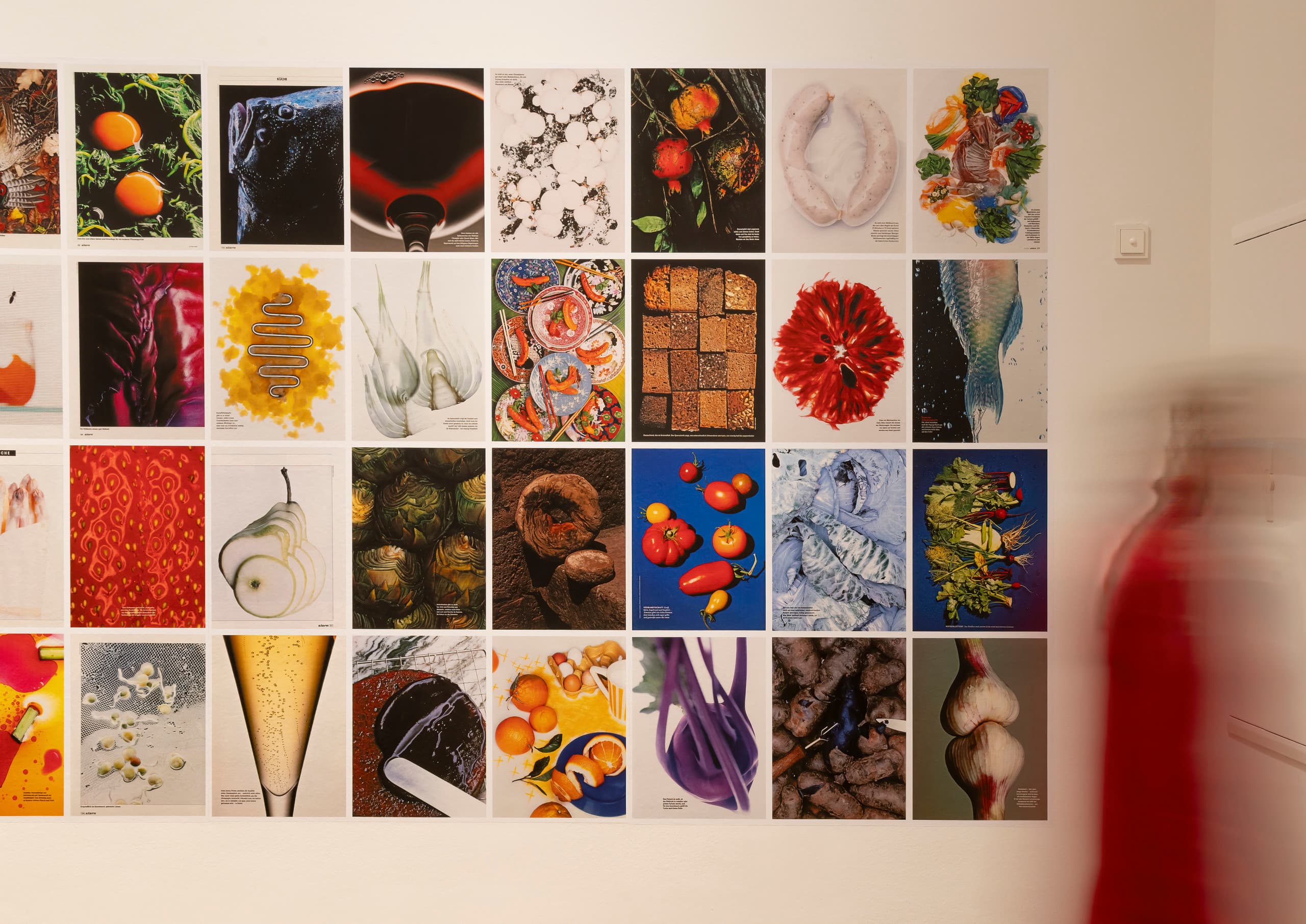
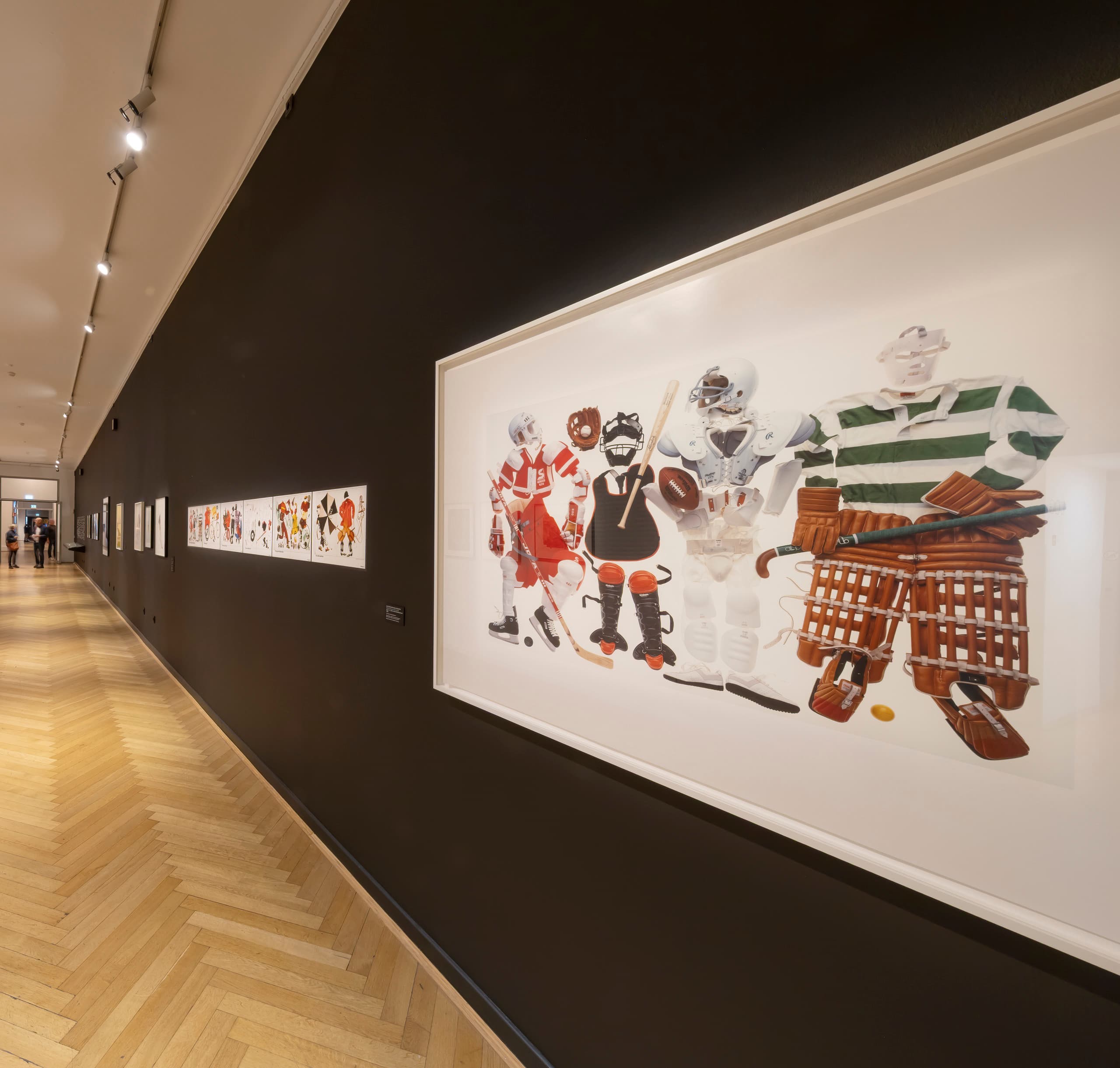
Until 10 January 2027, visitors in Hamburg can immerse themselves in the visual world of Hans Hansen: on display are around 220 photographs spanning more than six decades, early and later independent works as well as motifs from his iconic campaigns for brands such as Lufthansa, Nikon, Rewe, Volkswagen, and not least ERCO. Beyond this, the show also presents glass objects, sketches, archival material, equipment, and architectural elements from Hans Hansen's studio. All presented in a light that operates at eye level both technically and creatively.
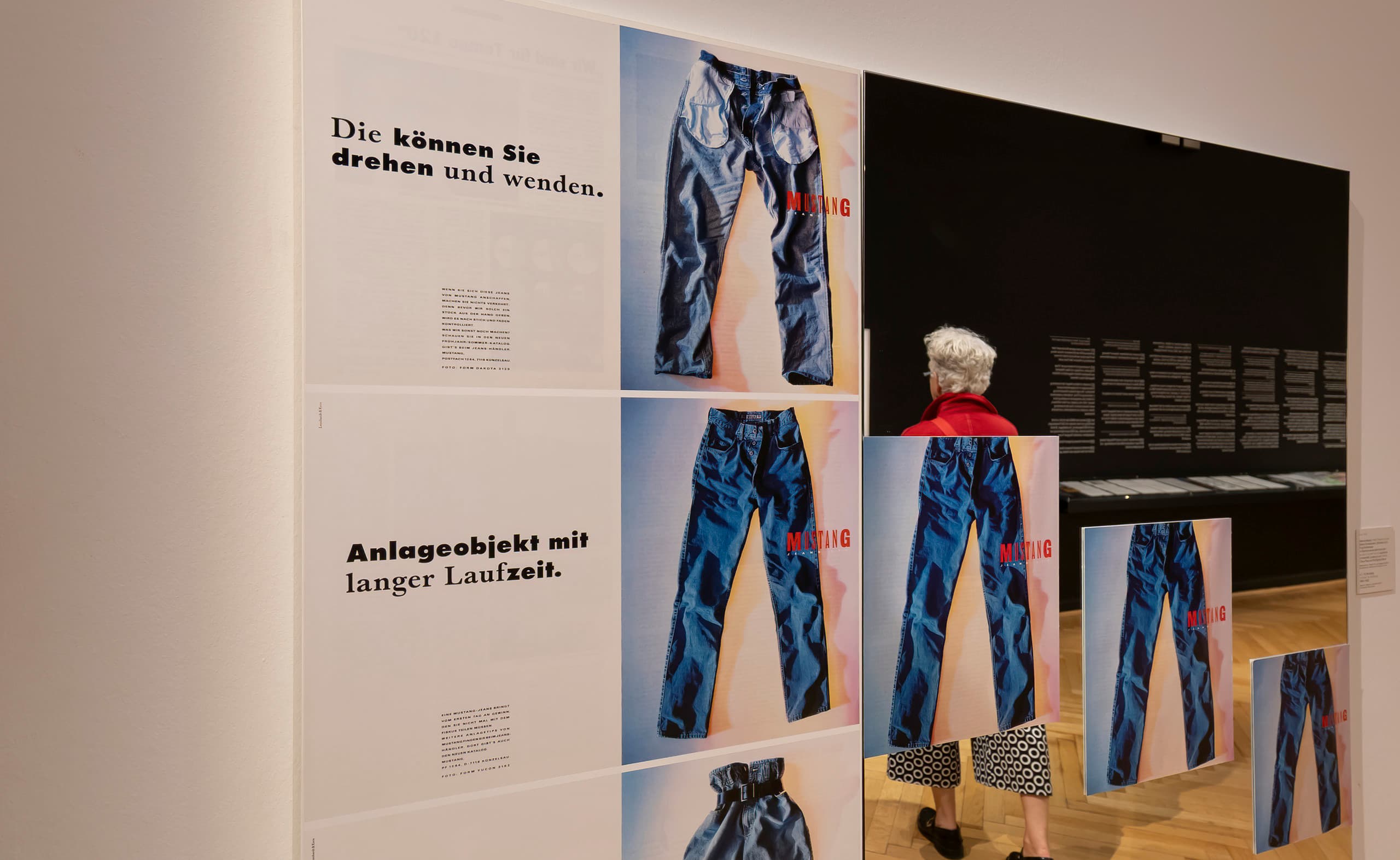
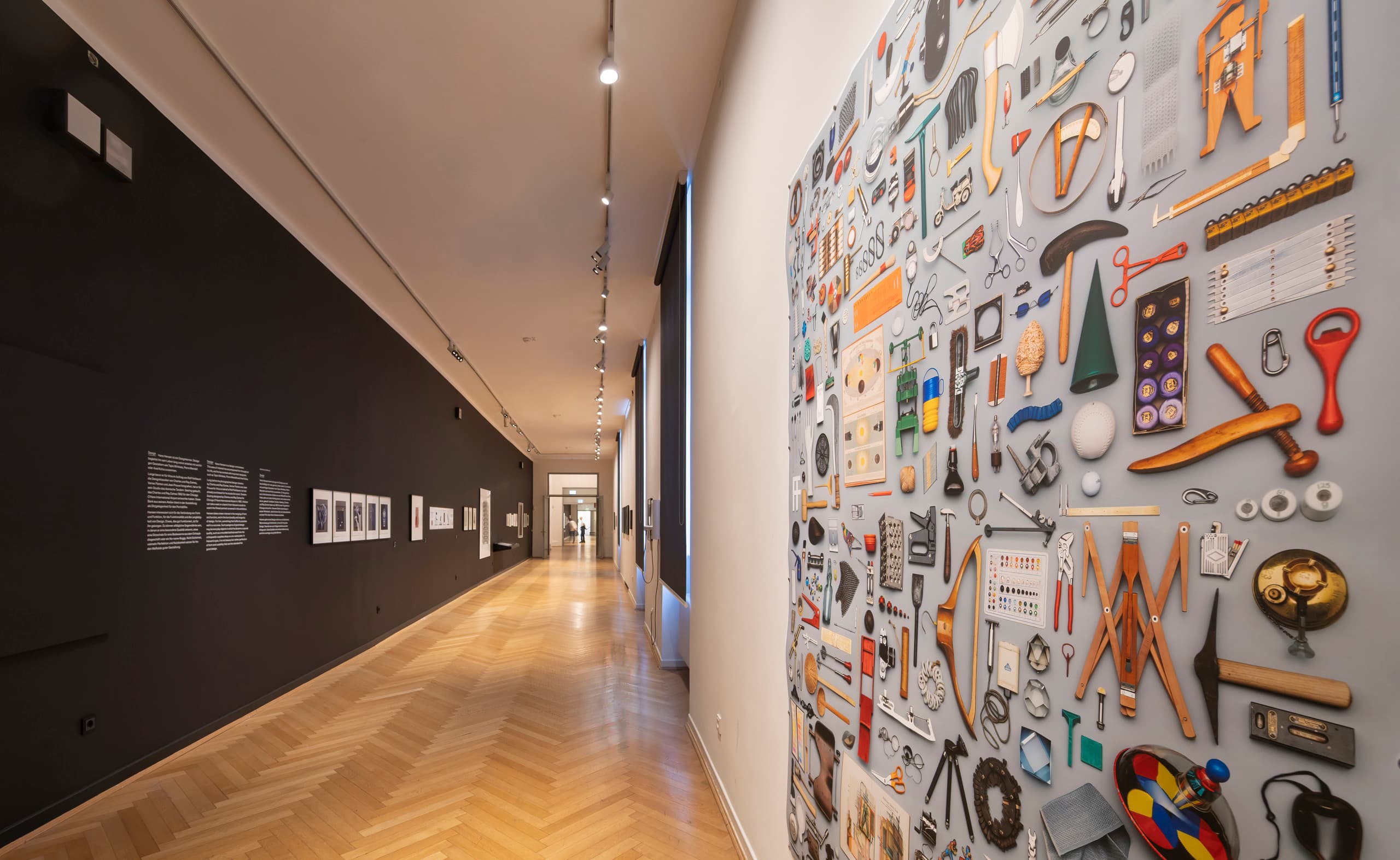
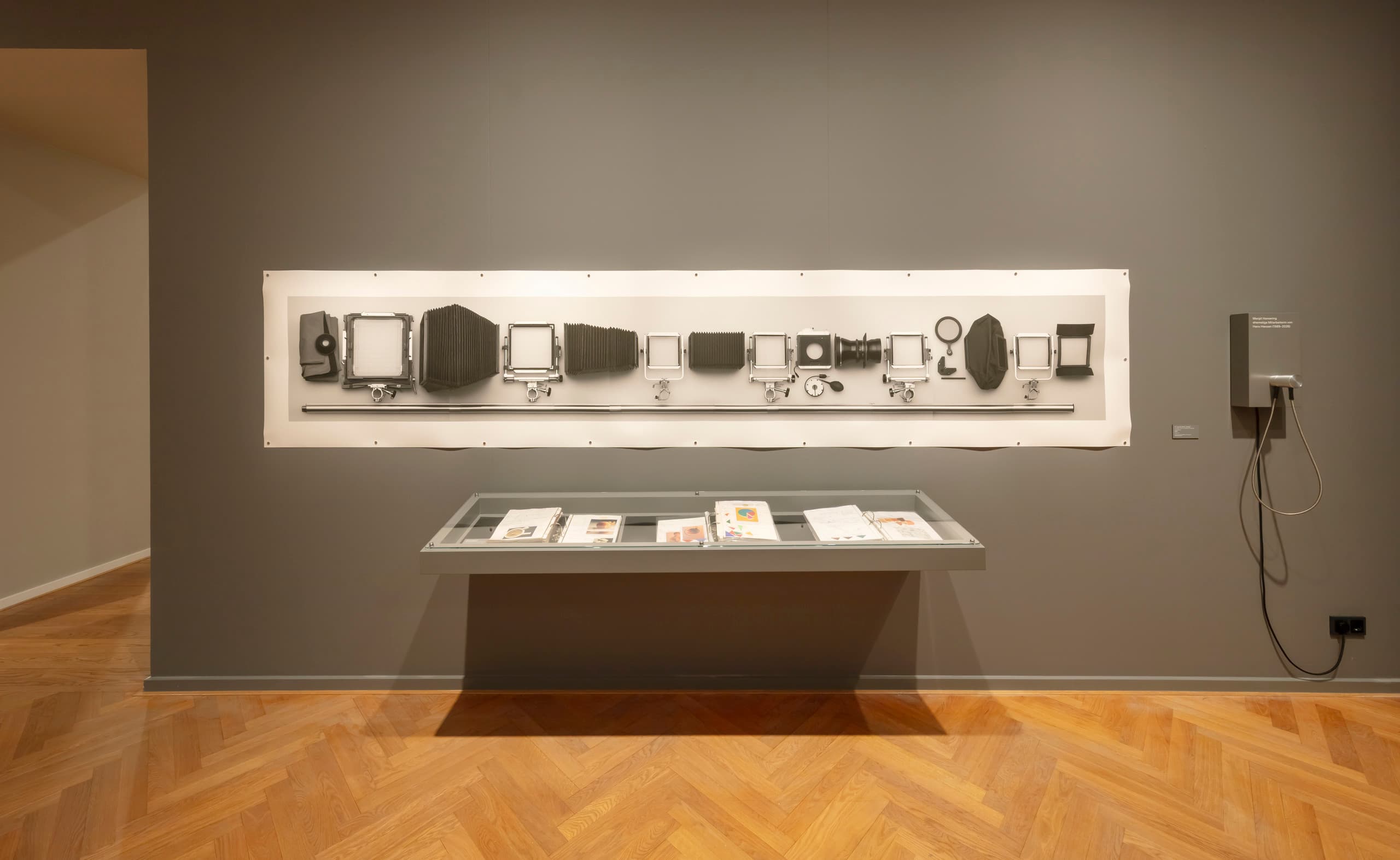
From the very outset, subjects such as glass and transparency, together with an extraordinarily knowledgeable handling of light, run through Hansen's work. In retrospect, then, it is hardly surprising that his path crossed with ERCO's at an early stage. During the 1970s, the brand had redefined itself as a "light factory", with the immaterial product of light, which is not itself visible but makes things visible. The mentor in this process was Otl Aicher, a brilliant designer and a nodal point in an ecosystem of designers, photographers, advertisers, and entrepreneurs — to which Hansen too belonged through his collaboration with brands such as Lufthansa and creatives such as Thomas Rempen. Who, if not Hansen, should be able to photograph an "invisible" product?
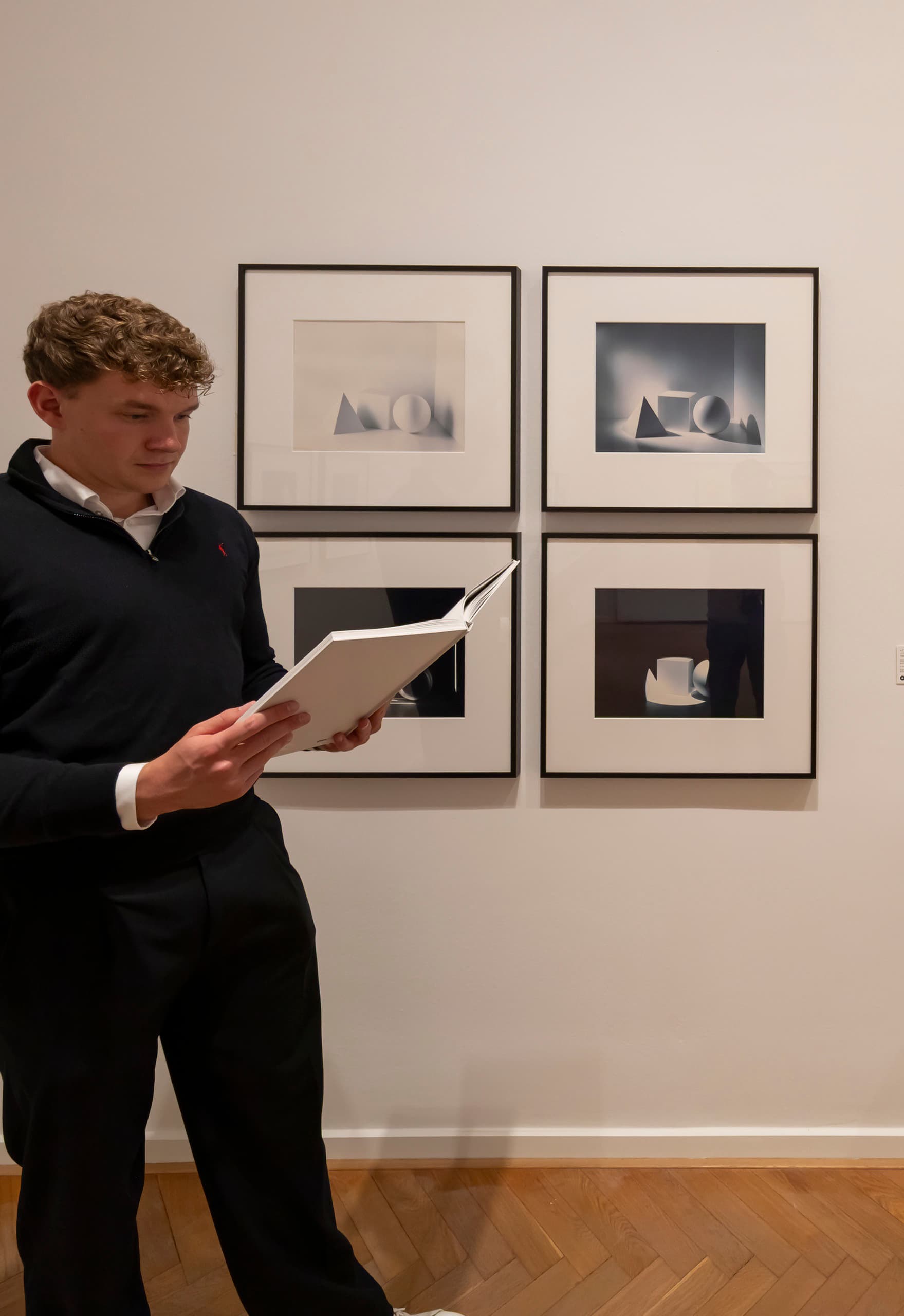
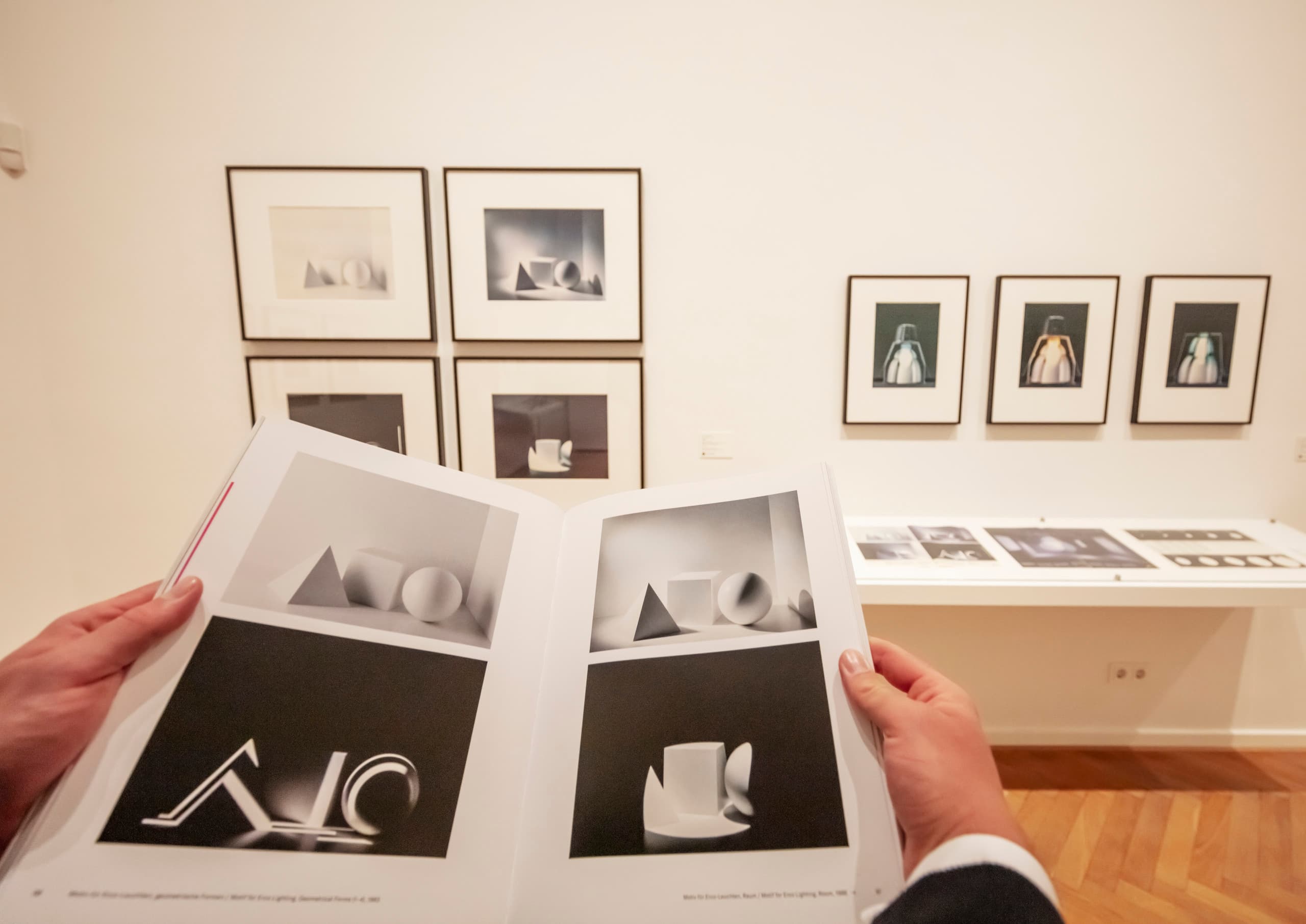
The idea was to make light visible in the most varied forms — how I went about it was left entirely to me.
Hans Hansen
His photographs for the advertising campaigns that followed had a conceptual, at times almost didactic character: they conveyed the effects of light on bodies and light distributions in space in a highly aesthetic manner. Other motifs set out, in Hansen's characteristic manner, the organising principles of system products, or looked with apparent neutrality at the increasingly complex product design of the luminaires themselves. During this phase, Hansen was often the first "outsider" to set eyes on new products: what he saw in the products shaped how they were perceived within the company itself and — conveyed through advertising campaigns and media such as product catalogues or the corporate magazine "ERCO Lichtbericht" — in the markets.
The exceptionally fruitful collaboration only came to an end in the late 1990s, when ERCO discontinued its major print campaigns in a changing media landscape, and accelerated product development and publication processes became ever harder to reconcile with the meticulous, often elaborate work in Hansen's studio.
It was an ideal case to work on a subject like light and within a design framework that one personally finds rewarding.
Hans Hansen
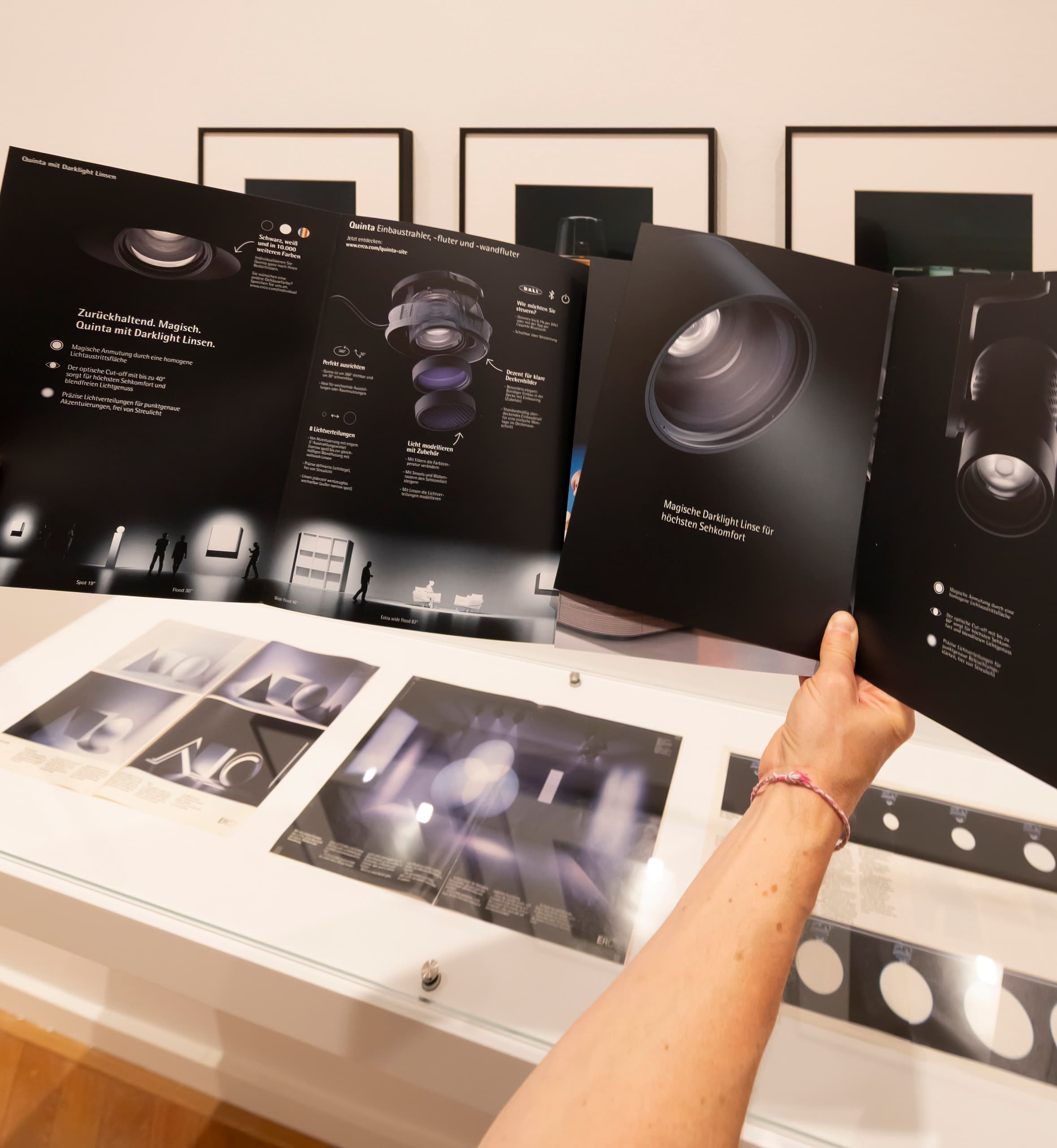
Current images of ERCO products neither can nor wish to deny Hans Hansen's enduring influence. They come about, however, in a completely different way — through a fully digital, virtualised process. "As early as around 2011 we began generating product images extensively by means of CGI (Computer Generated Imaging)," recalls Christian Hoffmann, Art Director and CGI specialist in the ERCO marketing team. Initially this was about the many standardised depictions of each individual product variant for online and print catalogues, and only as the possibilities of the technology grew did it also extend to design motifs and illustrations. "The studio photography of the past defined the quality standard," says Hoffmann.
The requirement placed on the computer-generated images was photorealism in light and materials. The immense potential of the digital process lay in decoupling and synchronising product development and publication cycles. Whereas digital studio photography too inevitably requires finished product samples, the CGI images are based on design data exported from the relevant systems and processed further. Variants such as different colours in particular can be produced efficiently, and late changes to the product design can be incorporated without new studio set-ups.
We have learned a great deal from the classic Hansen motifs.
Christian Hoffmann, Art Director and CGI specialist at ERCO
The neutral, factual product images on the one hand and the staged, illustrative depictions on the other continue to exist side by side: "Images intended to spark interest with a high-key or low-key aesthetic — this is where we have learned a great deal from the classic Hansen motifs," says Hoffmann.
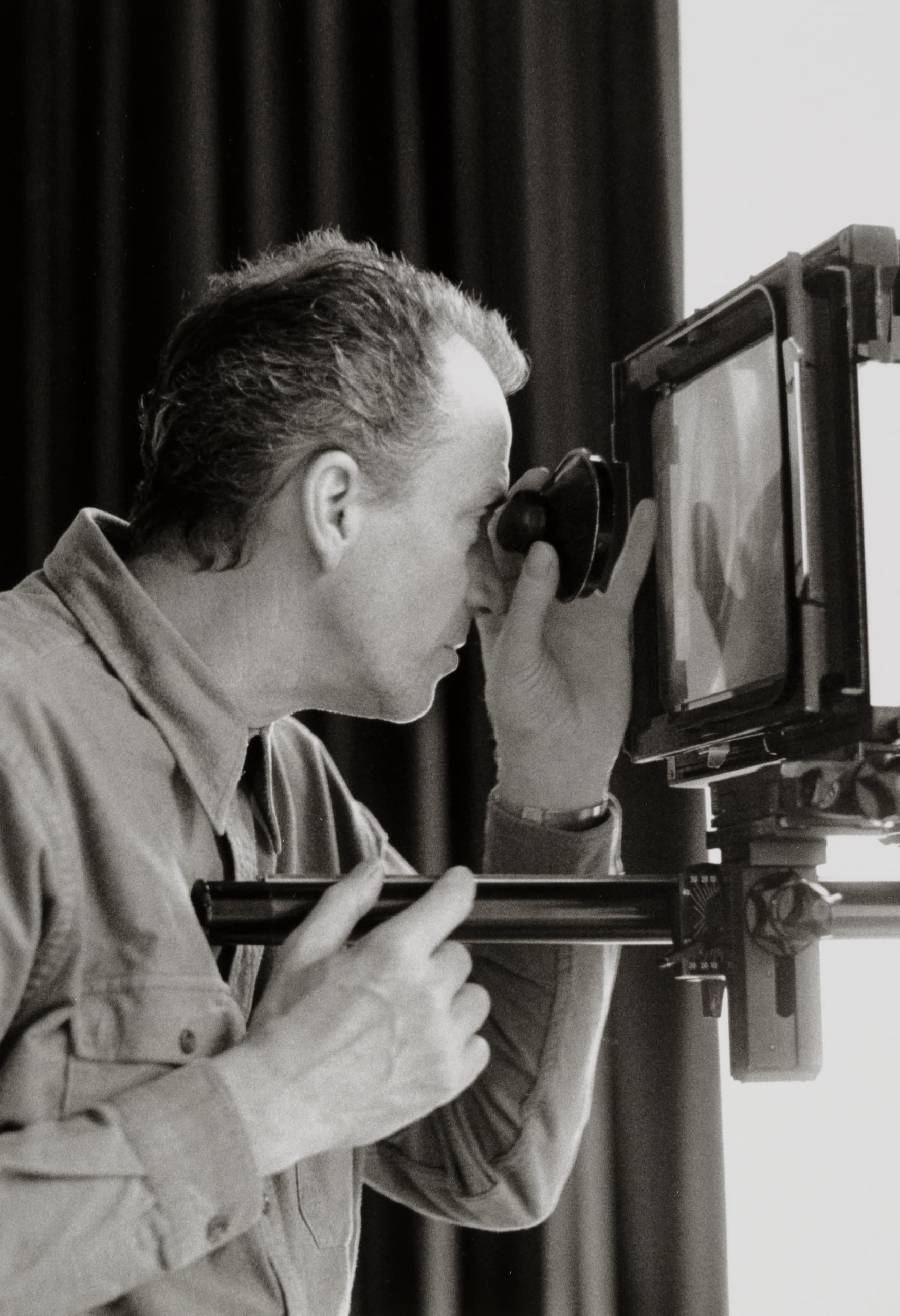
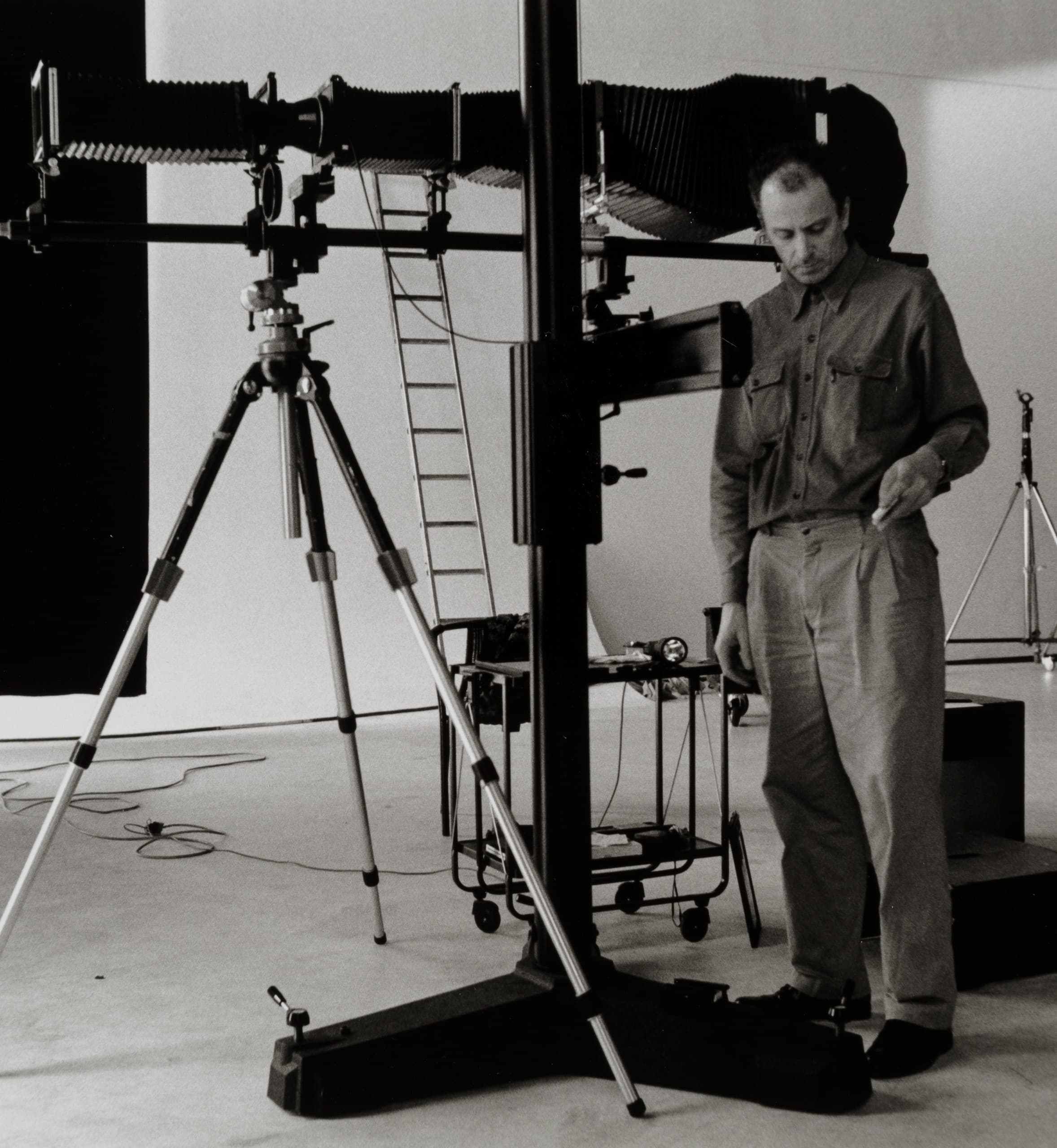
GERTI ALMA ERFURT (b. 1989) From a series on a production by the Hans Hansen studio for ERCO.
Museum für Kunst und Gewerbe Hamburg
The technical platform relies on standard tools: data from design tools, the entire CGI pipeline in 3ds Max, V-Ray as the renderer, and downstream touches in the Adobe toolbox. The secret of high-quality CGI images, according to Hoffmann, lies elsewhere: in continual refinement through aesthetic experimentation combined with tight creative "guardrails" that spur creativity. "Those who master the rules are allowed to break them," the CGI specialist quotes with a wink — a maxim that already applied back in ERCO's collaboration with Otl Aicher.

Martin Krautter works as a freelance author and journalist in Offenbach am Main. After studies in industrial design at the HfG Offenbach, he was with ERCO in Lüdenscheid as head of media relations and the editorial team from 1998 to 2013. www.m-krautter.de

