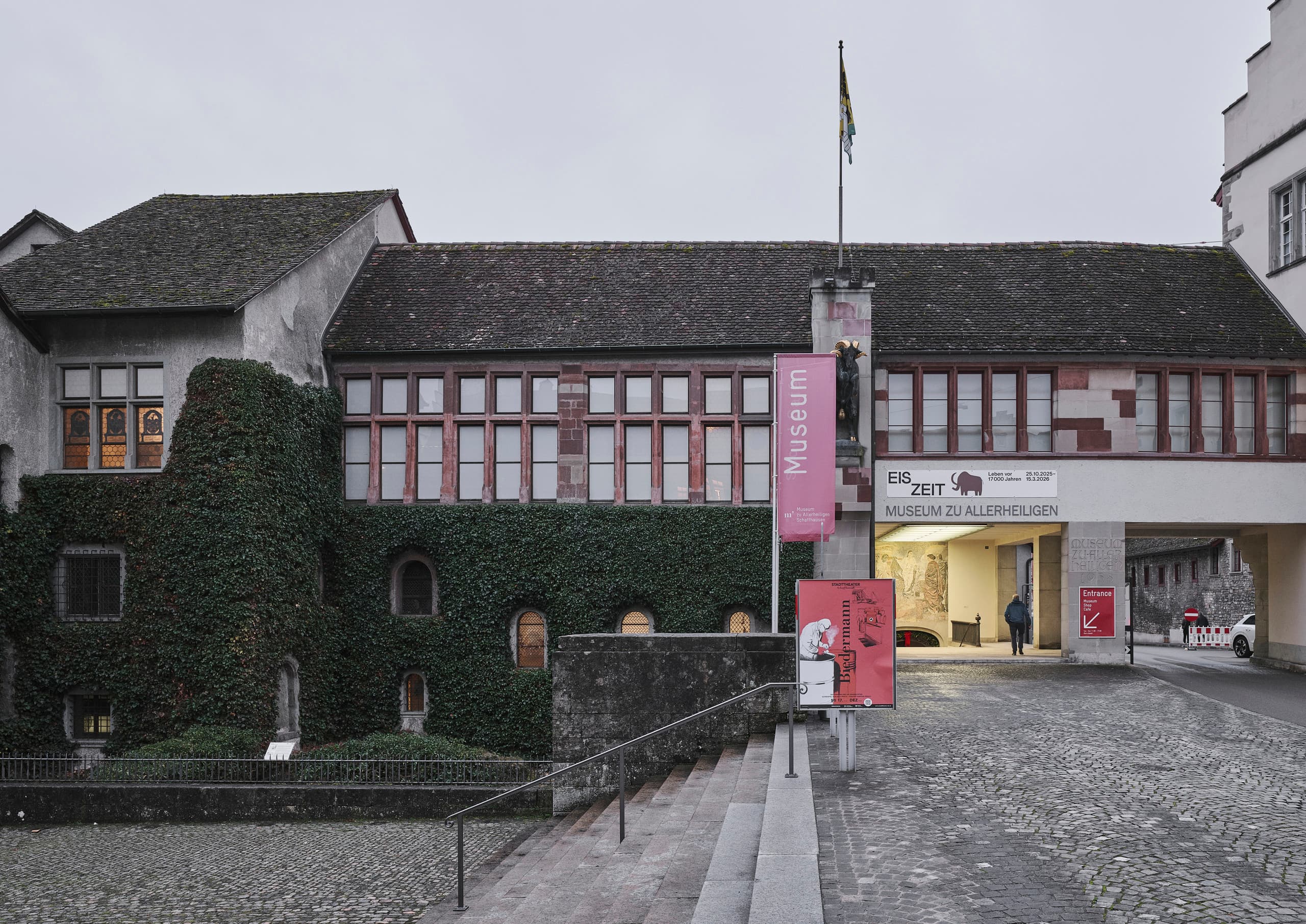
Museum zu Allerheiligen, Schaffhausen: Light between staging and conservation

Schreyer, David
In the heart of Schaffhausen’s historic old town, the Museum zu Allerheiligen brings archaeology, history, art and, natural science together under one roof. Housed in the complex of the former Benedictine abbey of Allerheiligen, it unites more than 1,000 years of architectural history with contemporary forms of exhibition. Its distinctive feature is an exceptional thematic breadth: a natural history museum, an art museum and, a museum of cultural history, are gathered here within a single ensemble of buildings.
The diversity of the collections is mirrored in the exhibition spaces. From the light-flooded top-lit hall through to classic art galleries and white-cube areas, to temporary exhibitions and the museum shop; each area places its own demands on the lighting. At the same time, valuable artworks, historical objects and, natural history exhibits, must be protected for the long term. The lighting therefore, had to stage exhibitions to striking effect and equally to meet conservation and heritage-protection requirements.

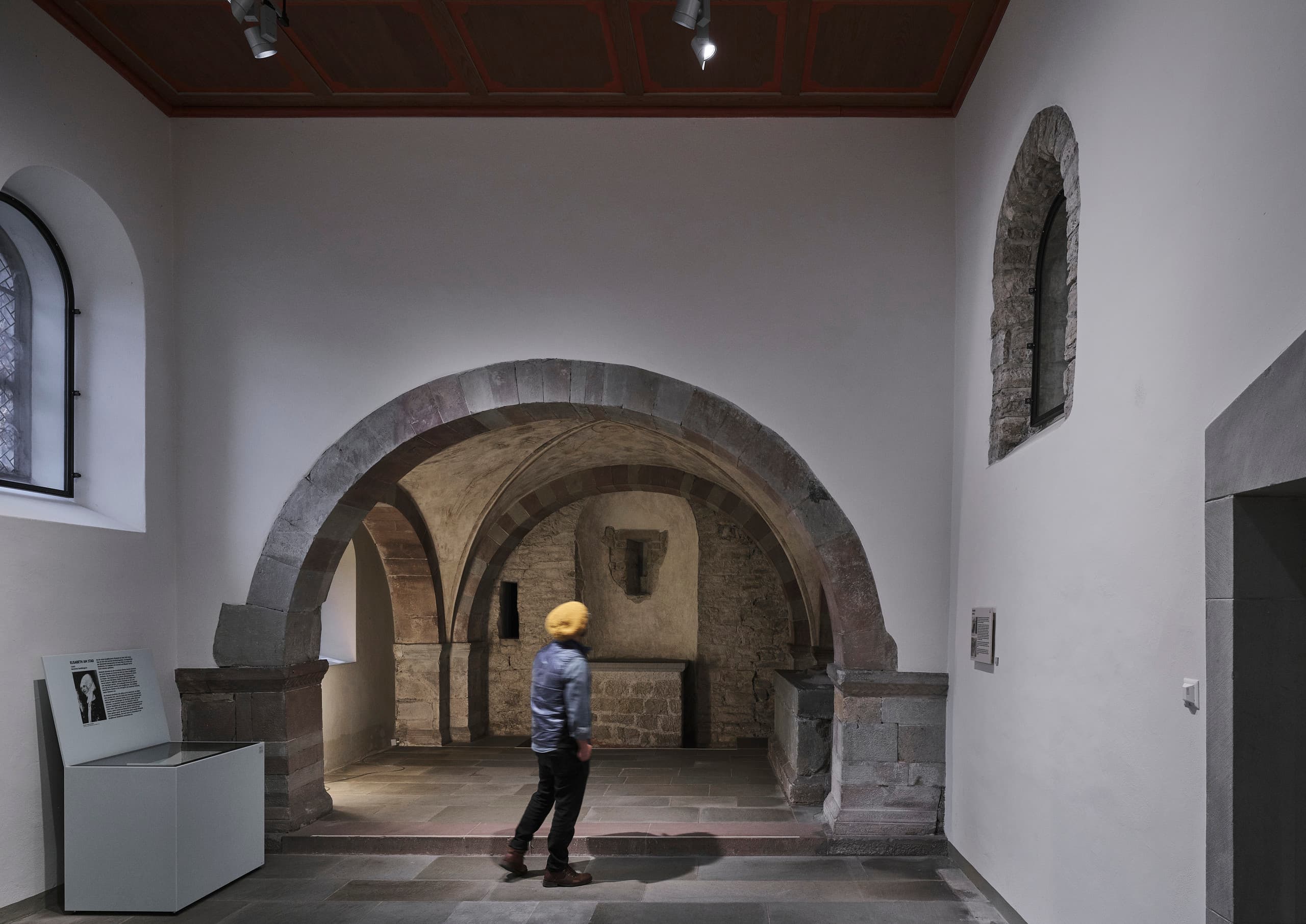

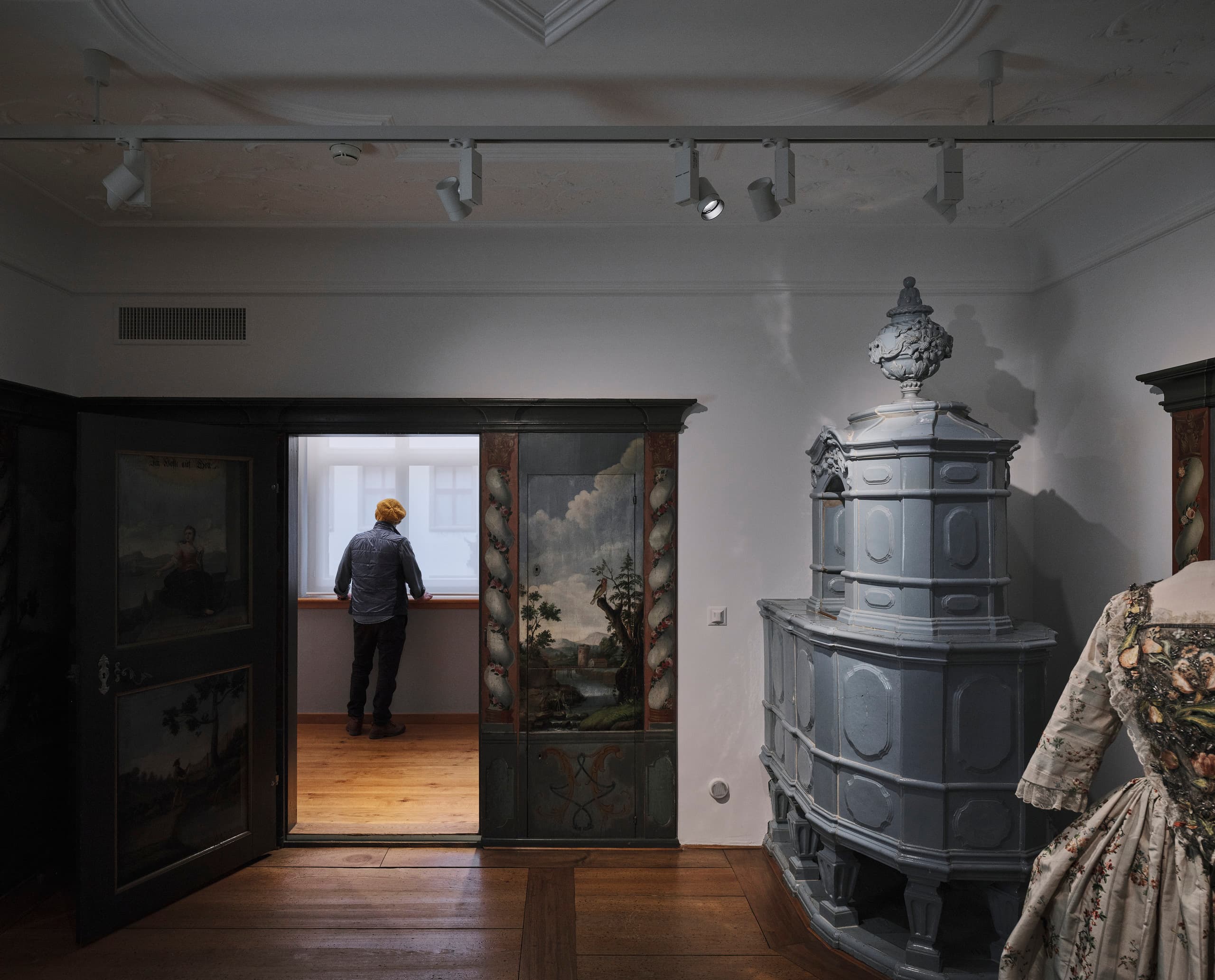
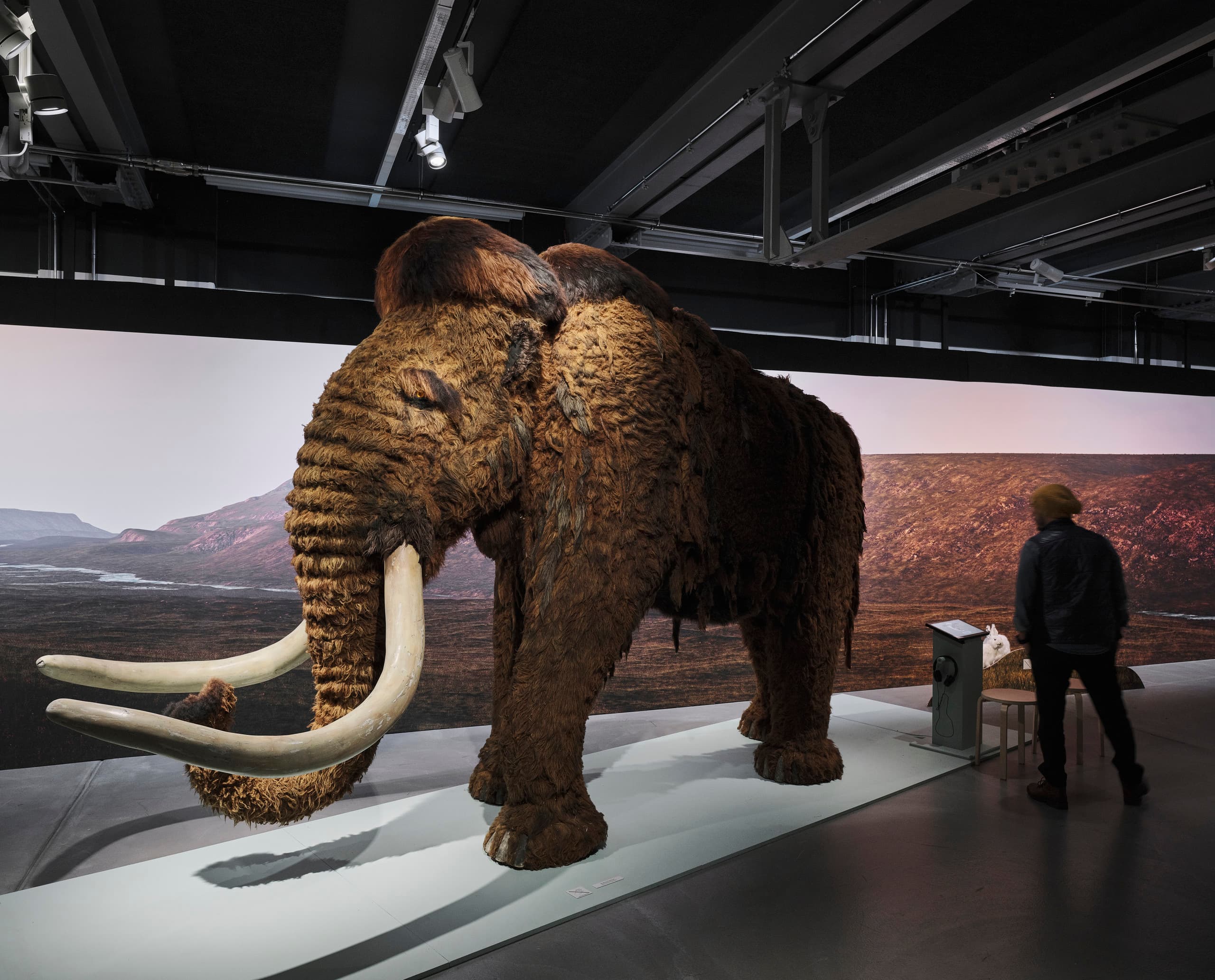

In museums and, exhibitions in particular, light is far more than a design device. It determines how objects are perceived, influences orientation within the space and, contributes substantially to the atmosphere. At the same time, light can damage sensitive exhibits.
At the Museum zu Allerheiligen, particular attention was paid to replacing the existing halogen lighting with a modern LED solution.
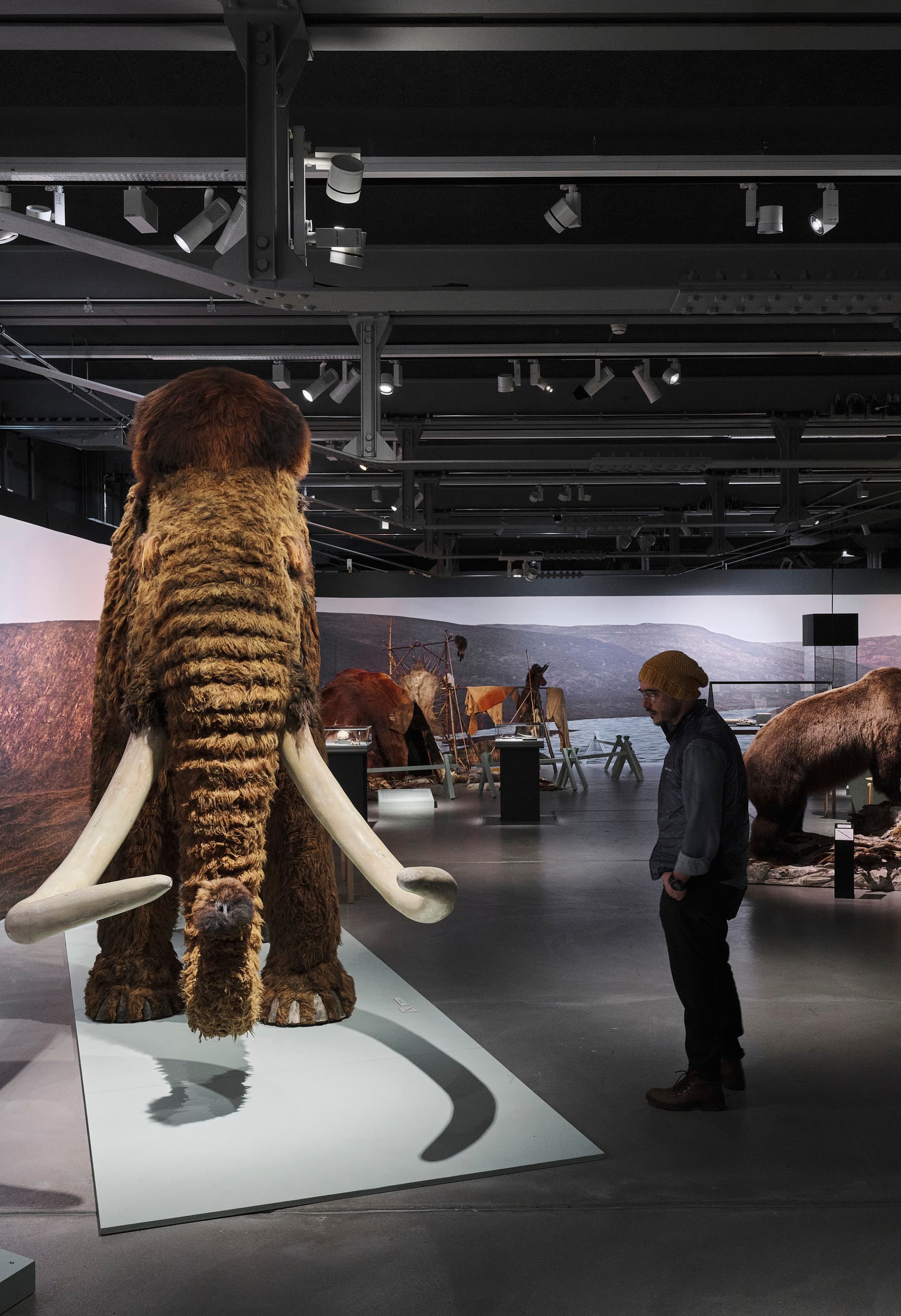
The aim was to preserve the high design qualities of the previous scheme while meeting and, improving on, the museum’s conservation requirements. A balanced light spectrum with reduced blue content minimises the impact on light-sensitive exhibits, while colours are rendered authentically and with fine differentiation. Artworks can thus be presented to powerful effect and protected over the long term.
Because exhibitions change regularly, a high degree of flexibility was called for. The ERCO lighting tools employed allow precise adaptation to different exhibits and spatial situations. Zoom and contour spotlights place artworks centre stage, while homogeneous wallwashing provides calm, even illumination, particularly in the white-cube rooms. In selected areas, RGBW lighting solutions are also used, opening up further design possibilities and supporting individual exhibitions.

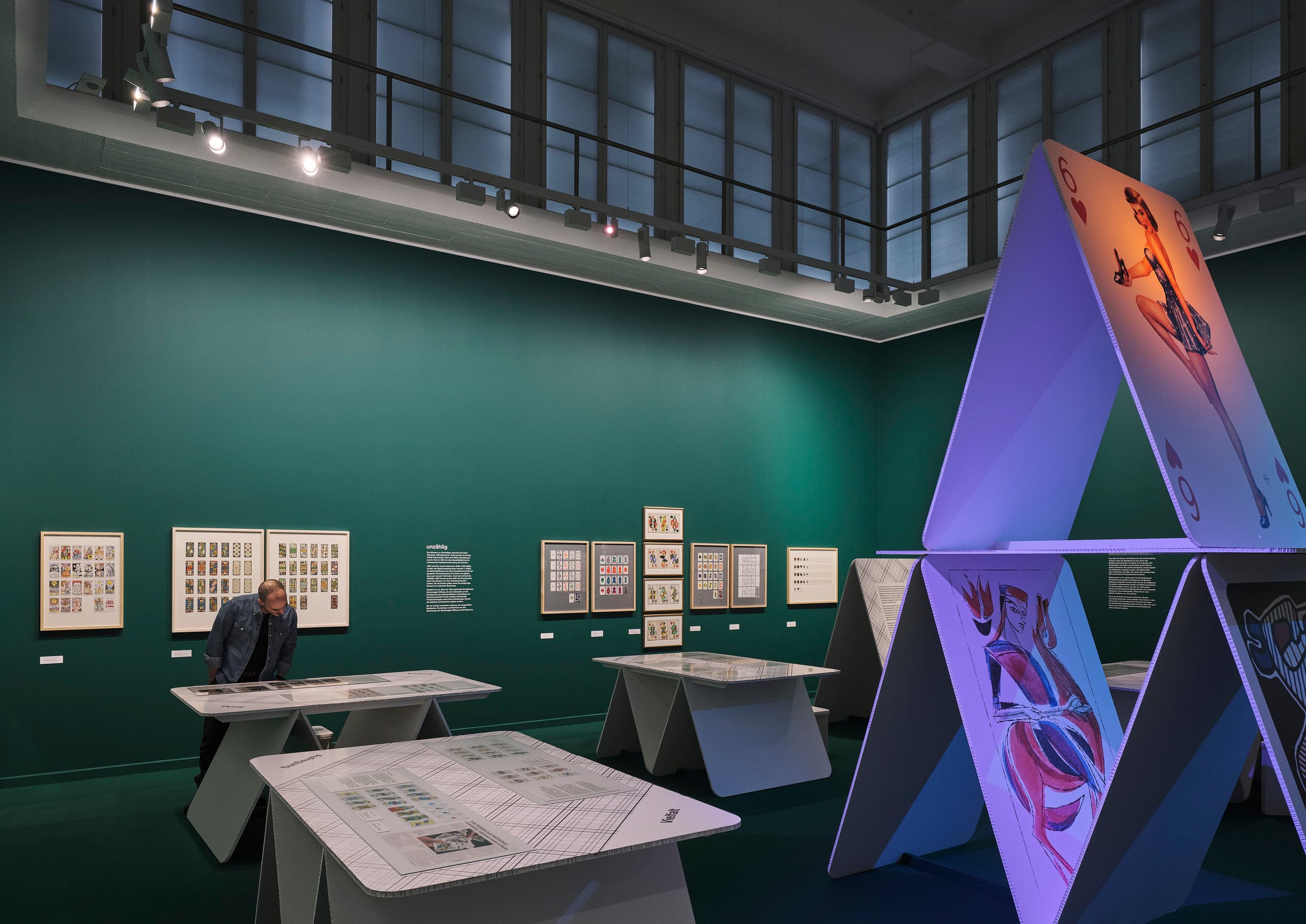
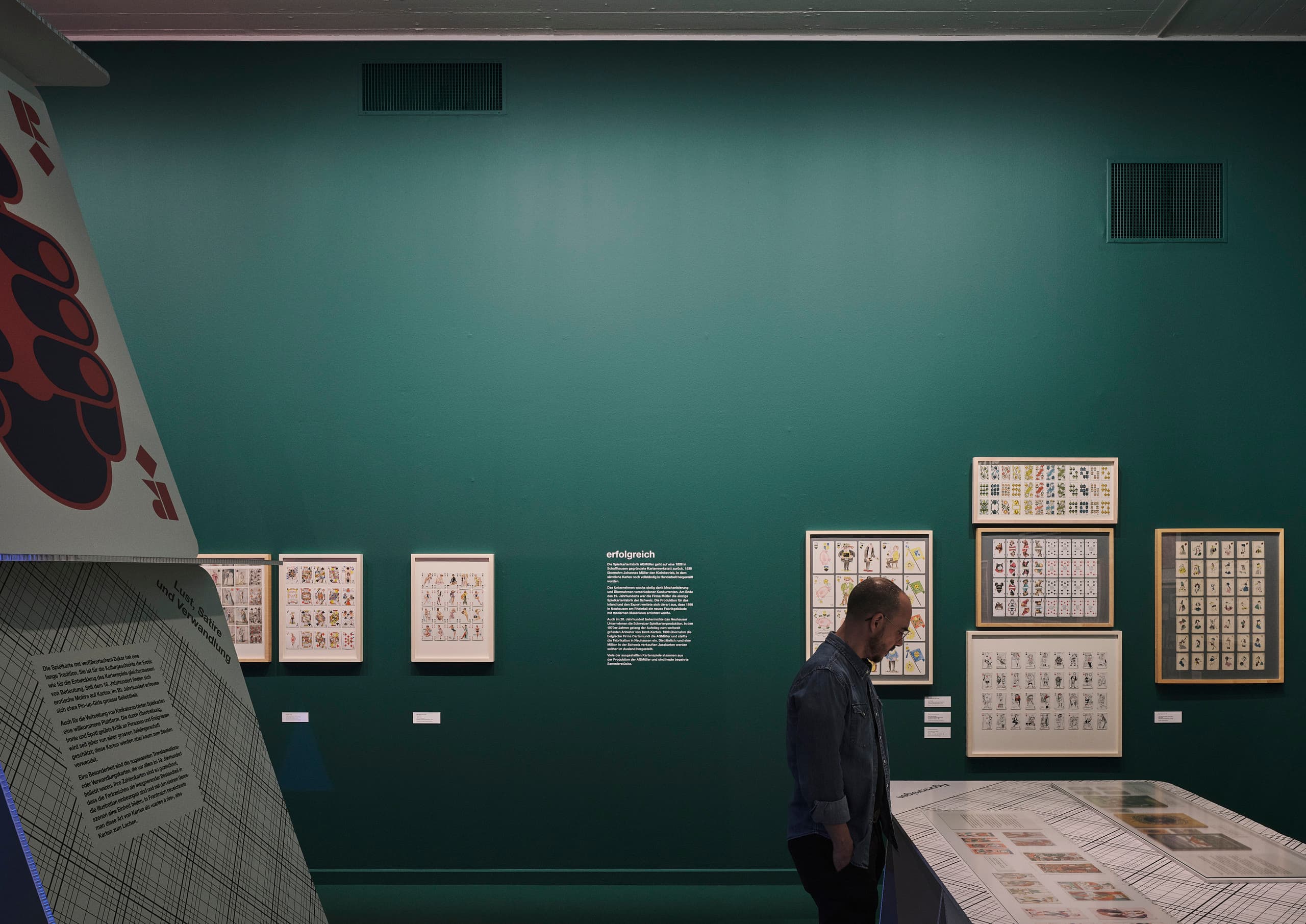
Casambi Bluetooth control offers additional flexibility. Different lighting scenes can be adjusted digitally with ease and matched to changing exhibitions or daylight conditions. The result is a lighting concept that meets both current and future requirements.
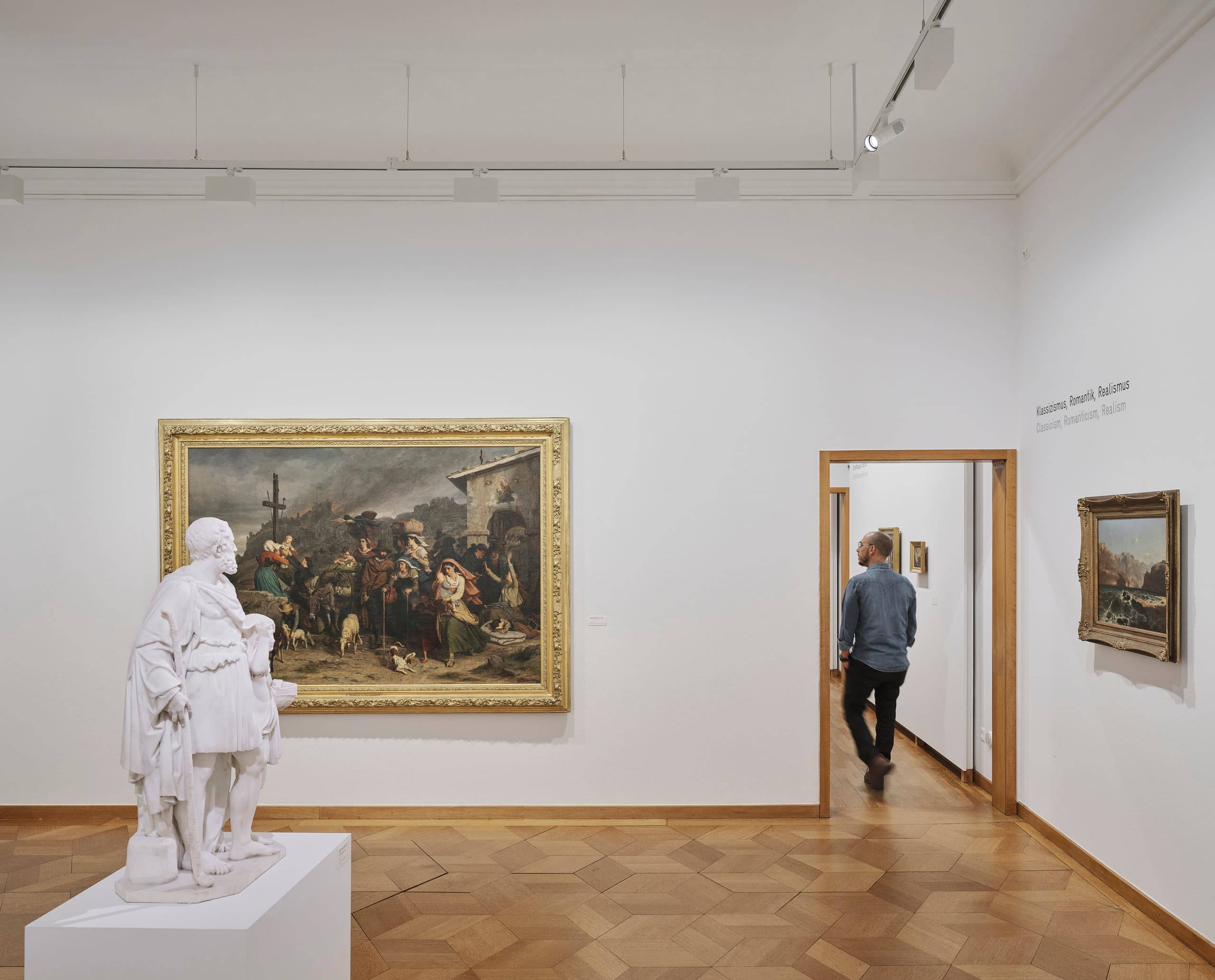
The heritage-protected architecture of the former abbey posed further technical demands. The suspended Hi-trac track system made it possible to realise a modern yet restrained lighting solution, one that respects the historic building fabric while still offering maximum design freedom. As no major interventions in the heritage-protected architecture were required, the lighting adapted consistently to the spatial conditions, rather than the other way round. The modular light system allows the museum to respond flexibly to future changes of exhibition and to deploy different types of luminaire within one continuous system.


The lighting concept binds the museum’s different collection areas into a coherent overall experience. It draws attention to artworks and exhibits, supports orientation within the historic spaces, and creates a pleasant atmosphere. At the same time, it meets the exacting conservation requirements of a museum that preserves and communicates art, history and, nature, in equal measure.
At the Museum zu Allerheiligen, light thus becomes the connecting element between historic architecture, valuable collections and contemporary museum staging.