Qualitative lighting design for museums and galleries
The grammar of light
Qualitative lighting design for museums and galleries
ERCO lighting tools offer precisely the design flexibility that complex exhibition projects need. The basis during product development is a perception-orientated lighting approach. The American lighting designer Richard Kelly (1910-1977) subdivided light into three categories for qualitative lighting design: light for seeing (ambient luminescence), for looking at (focal glow) and viewing (play of brilliants). This "grammar of light" enables museums, exhibitions and galleries to be optimally illuminated. Experience shows that lighting concepts are judged to be particularly successful if all three components – general lighting, directed accent light and decorative light – are combined in a balanced ratio. The “ grammar of light" offers a proven method of analysing rooms, structuring lighting concepts and selecting suitable lighting tools. The luminaire system applied in the ERCO product spectrum consists of various light distributions, colour temperatures, construction sizes and lumen classes and is ideal for the implementation of differentiated exhibition concepts.
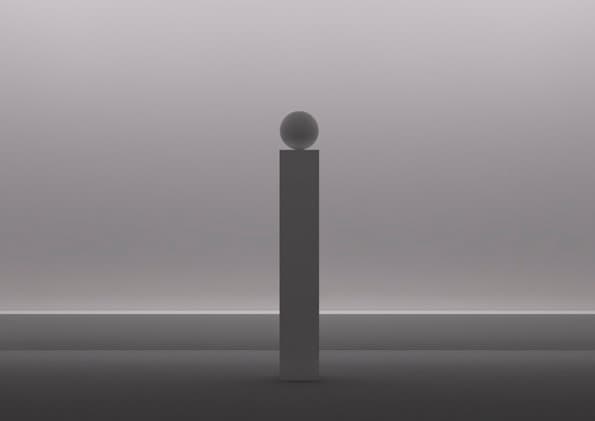
Light for seeing
Light for seeing means simple general lighting. This lighting method, using uniform vertical lighting for example, is ideal for illuminating exhibits on walls and also enables good orientation.

Light for looking at
Light for looking at represents accent light that emphasises exhibits, surfaces and spatial zones and creates hierarchies in perception. It is a central means of guiding the attention of observers when displaying art and architectural elements.

Light for viewing
Light for viewing is decorative light, light for admiring or an aesthetic end in itself: It also includes light effects with coloured light, decorative luminaires and objects of light art.
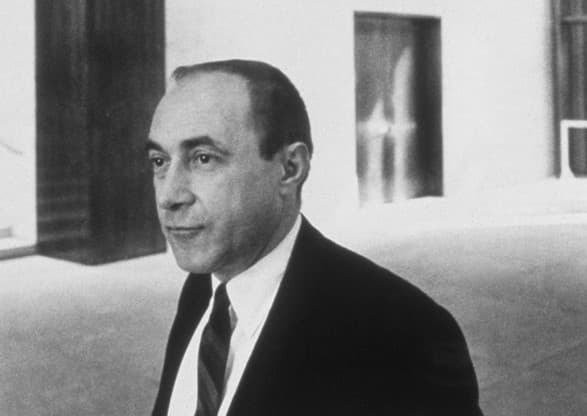
Richard Kelly
The American Richard Kelly (1919–1977) was a pioneer of qualitative lighting design, combining facets of perception psychology and stage lighting to create a single concept. Kelly replaced the issue of light quantity with the approach of qualities of light. In his profession as a lighting designer he worked on important buildings such as the Glass House (Philip Johnson), the Seagram Building (Mies van der Rohe) and the Kimbell Art Museum (Louis I. Kahn).