
Getting started: choosing the right installation type
Recessed, surface-mounted, or additive lighting?
Choosing the installation type: recessed, surface-mounted, or additive lighting?
Which type of installation best suits your project? Walls, floors, and ceilings all offer a wealth of lighting design options.
Decide early on what you want to achieve. Do you want flexible lamps or discreet lighting? Or perhaps a combination of everything?
Talk to your architect by the detailed design stage at the latest. You will find a checklist for this at the end of the lessons.
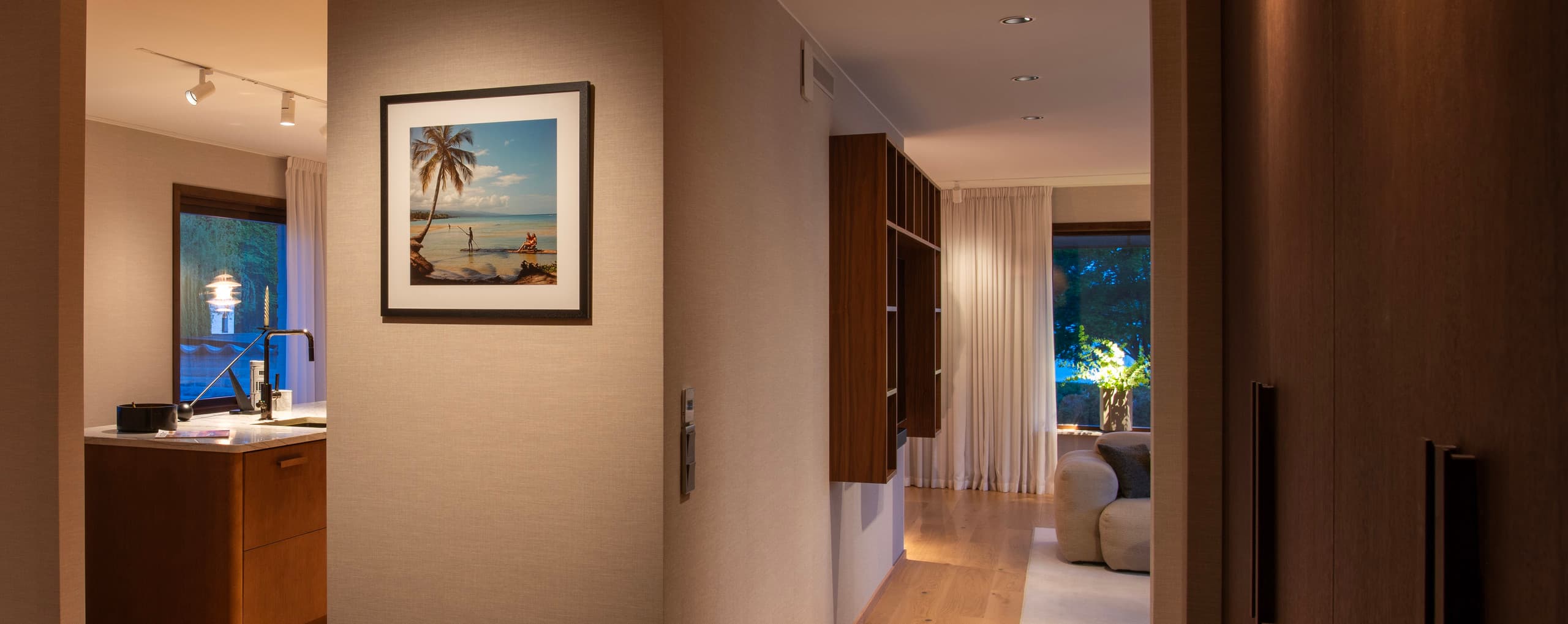
The type of installation determines the choice of luminaires. It also has a bearing on the detailed design and electrical planning.
Lighting design is always about shaping perception.
Ask about the lighting concept at an early stage. Clarify whether the lighting is part of the architectural design. Ask to see the light mood you will later experience in the space. Check whether the lighting works in everyday use. Pay attention to orientation, visual comfort, and atmosphere. Ask how architecture and light interact.
Insist on professional design. This gives you long-term certainty.
Here too, the checklist at the end of the lessons will help you.
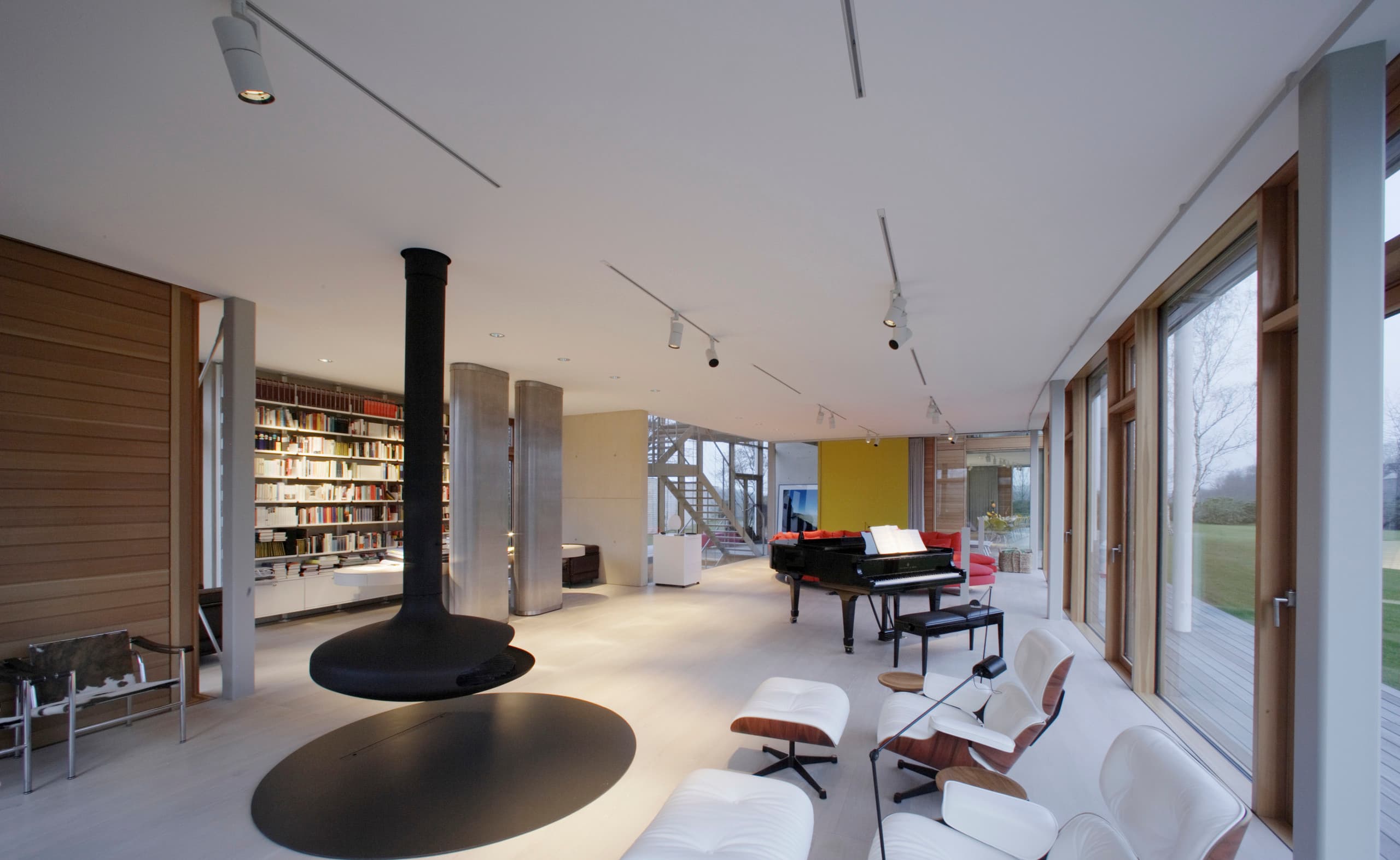

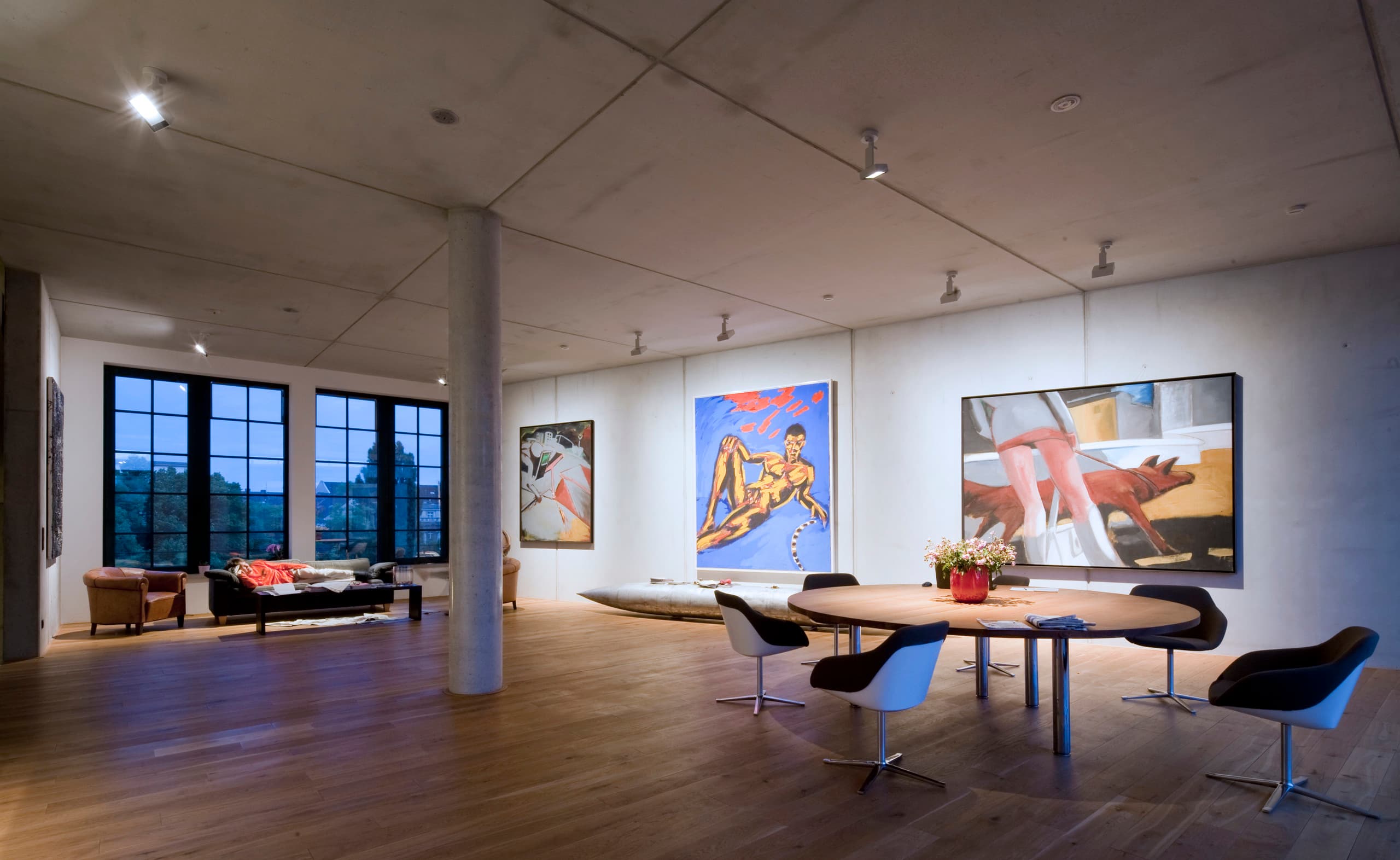
Checklist for the initial lighting design consultation
1 Basic understanding and attitude (How important does the architect really consider light to be?)
- What role does light play in your design?
- Do you factor light in from the very beginning, or is it added later?
- How do you ensure that light works not only functionally but also as a design element?
2 Effect and atmosphere (What will I actually experience later on?)
- How is the desired atmosphere achieved in concrete terms?
- Which areas are given particular emphasis — and why?
- How do you avoid uniform, "flat" illumination?
- Can you demonstrate the lighting effect using references or projects?
3 Use and everyday practicality (Does the lighting work in real life?)
- How do you account for different uses and times of day?
- Can the lighting be flexibly adjusted (e.g. dimming, scenes)?
- How is orientation within the space supported?
- Are there typical mistakes you avoid in similar projects?
4 Integration into the architecture (Is light truly part of the design?)
- How is the light integrated into the architecture?
- Are luminaires displayed visibly, or installed more discreetly?
- How do light and materials reinforce one another?
- At what point in the design process are lighting decisions made?
5 Quality of light (How do I recognise "good light"?)
- How do you measure the quality of the lighting?
- How do you ensure glare control?
- What role do contrasts and colour effect play?
- How do your solutions differ from standard lighting?
6 Daylight and artificial light (How do the two interact?)
- How do you use daylight in the concept?
- How is the transition between daylight and artificial light designed?
- Are there strategies for control or shading?
7 Technology, costs, and operation (What does this mean for me in the long term?)
- What is the budget for the lighting design?
- What impact does the design have on energy consumption and operating costs?
- How much maintenance does the system require?
- What is the service life of the solutions used?
8 Planning process and collaboration (How professionally will this be implemented?)
- Do you work with specialised lighting designers?
- What planning steps are envisaged?
- Will I receive visualisations or samples in advance?
- How are decisions documented and coordinated?
9 Certainty and readiness to decide (Can I rely on the design?)
- What risks do you see in the lighting design of this project?
- Which decisions are critical early on and should not be postponed?
- How do you ensure that the planned effect is actually achieved in reality?
- Key questions in brief (for clients without specialist knowledge)
- How will light shape the impression of my building?
- Where exactly will my gaze be directed?
- How can I tell that the lighting is genuinely high in quality?
- What sets this apart from a standard solution?
- How certain is it that the result will end up looking exactly as planned?
10 This perspective is decisive
A good architect can answer these questions clearly, concretely, and vividly — not only in technical terms, but also in images and effects.
You now know your installation types — keep it up!
Next lesson