
Planning workplace lighting: glare-free and productive working
Work at home in a relaxed, glare-free environment. At any time of day and any season of the year, even in windowless rooms.
The control system adapts the lighting to the course of the day. This creates good conditions for perception that promote focused working, safe orientation, and greater wellbeing.
Ask questions! How is the quality of the light determined?
- How do I recognise "good light"?
- How do I measure the quality of the lighting?
Every good architect can answer these questions clearly, concretely, and vividly. Not only in technical terms, but also in images and effects.
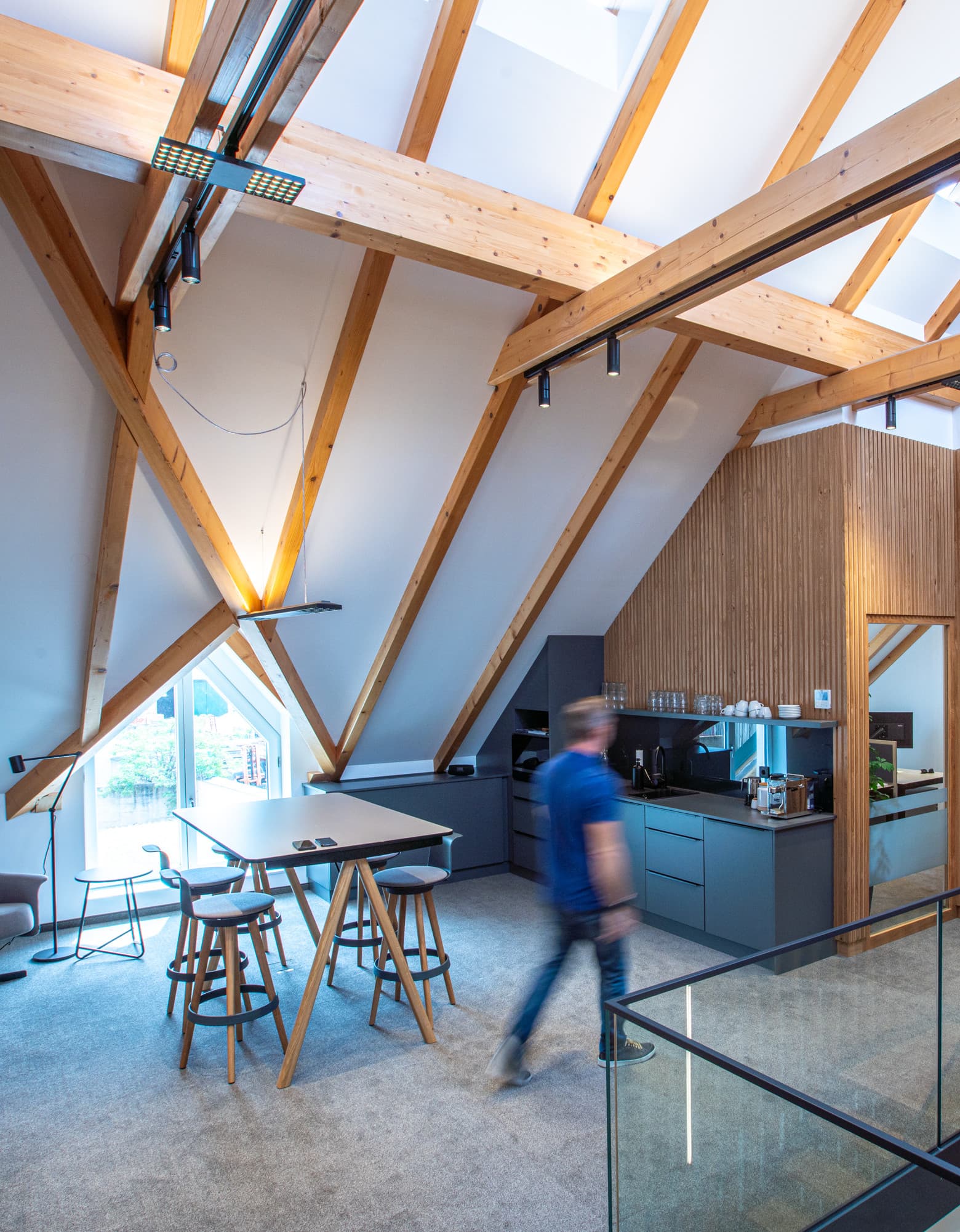
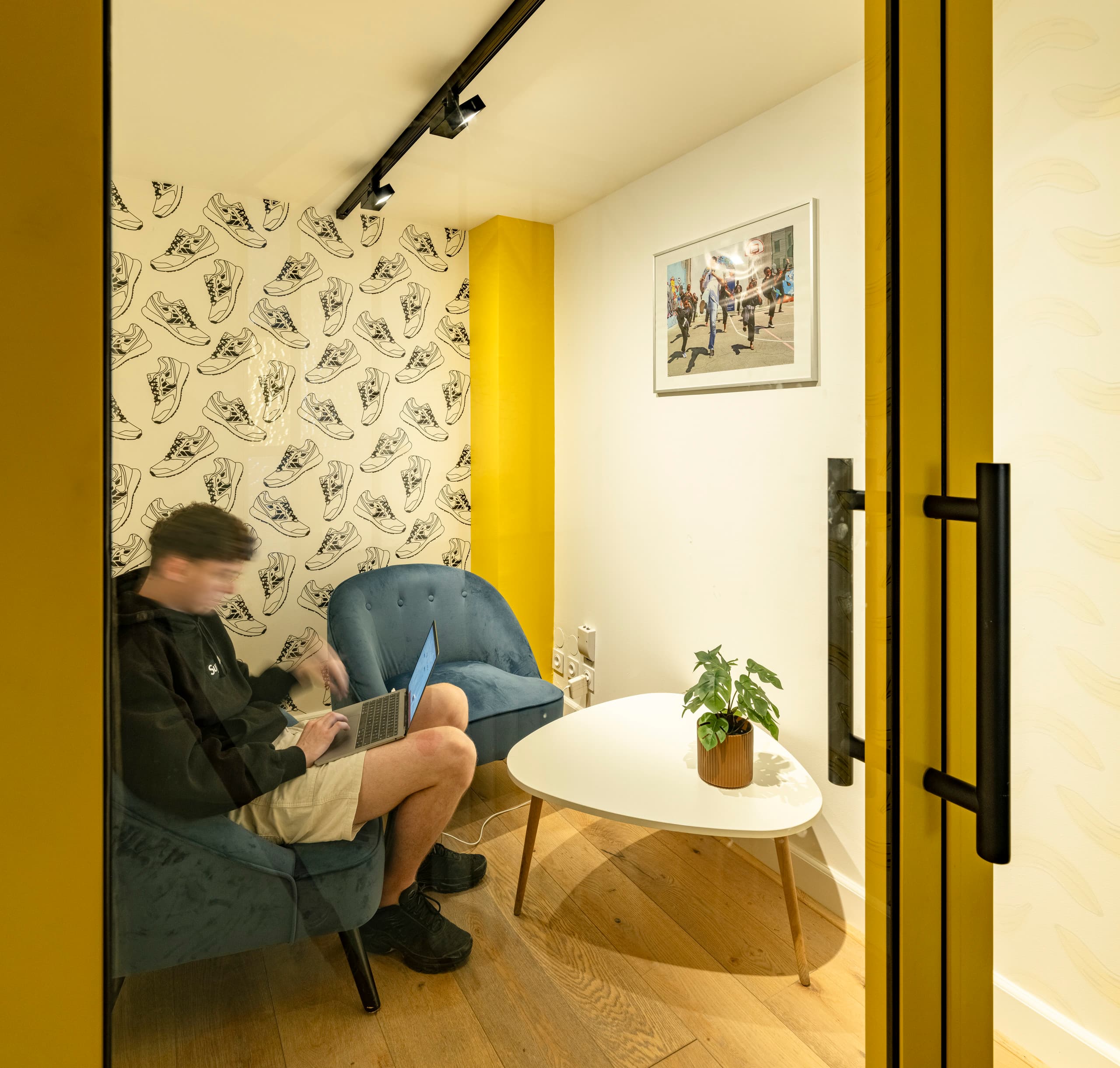
Living and working
Indirect light is created when surfaces reflect light. The reflectance, spread, and colour of the surface determine how bright and soft the light appears as it returns into the room.
Direct light is flexible and can be adjusted and aligned effortlessly. Lenses that can be changed without tools give you great flexibility and maximum visual comfort. The light distribution can be adapted quickly and easily to the respective requirements.
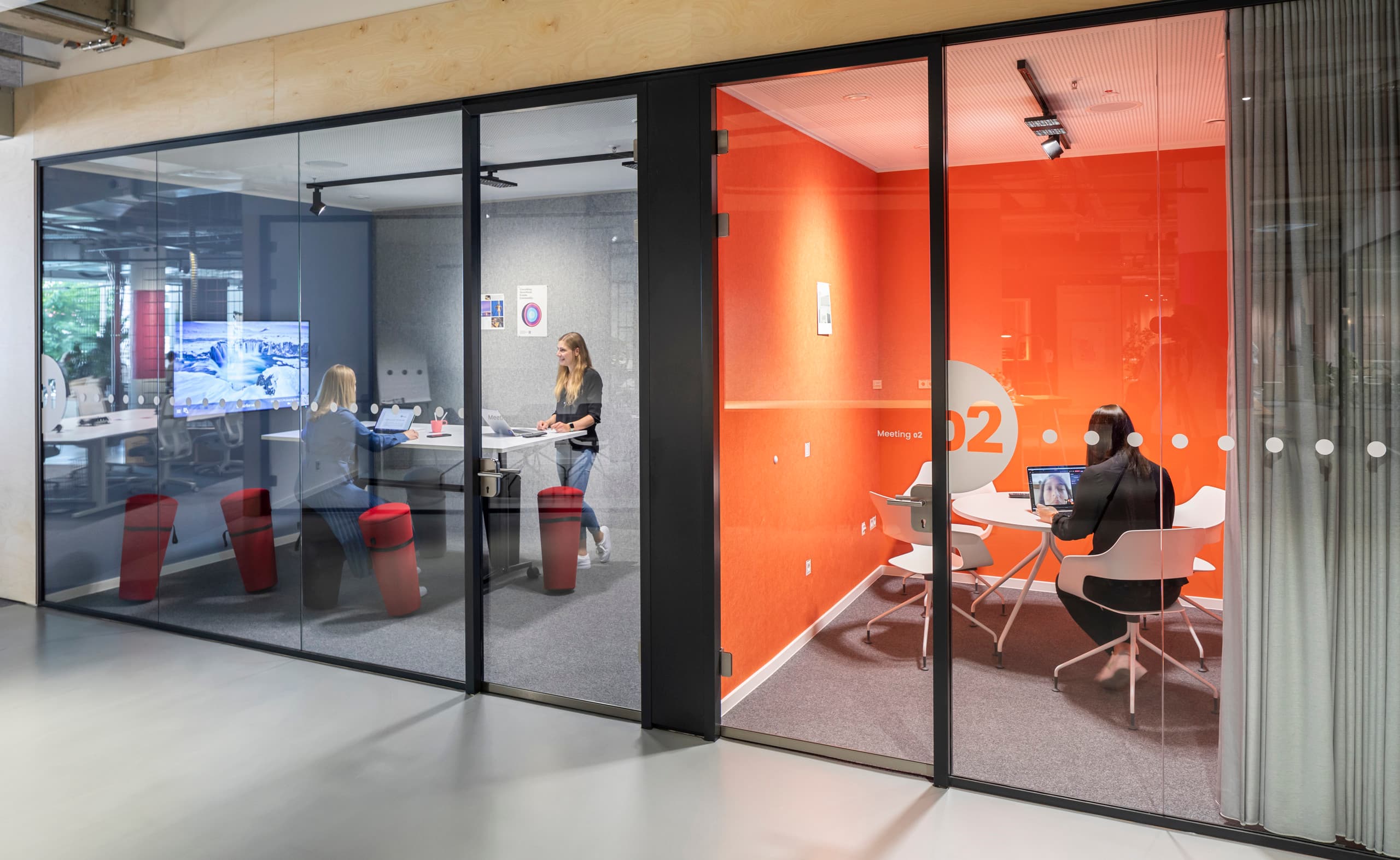
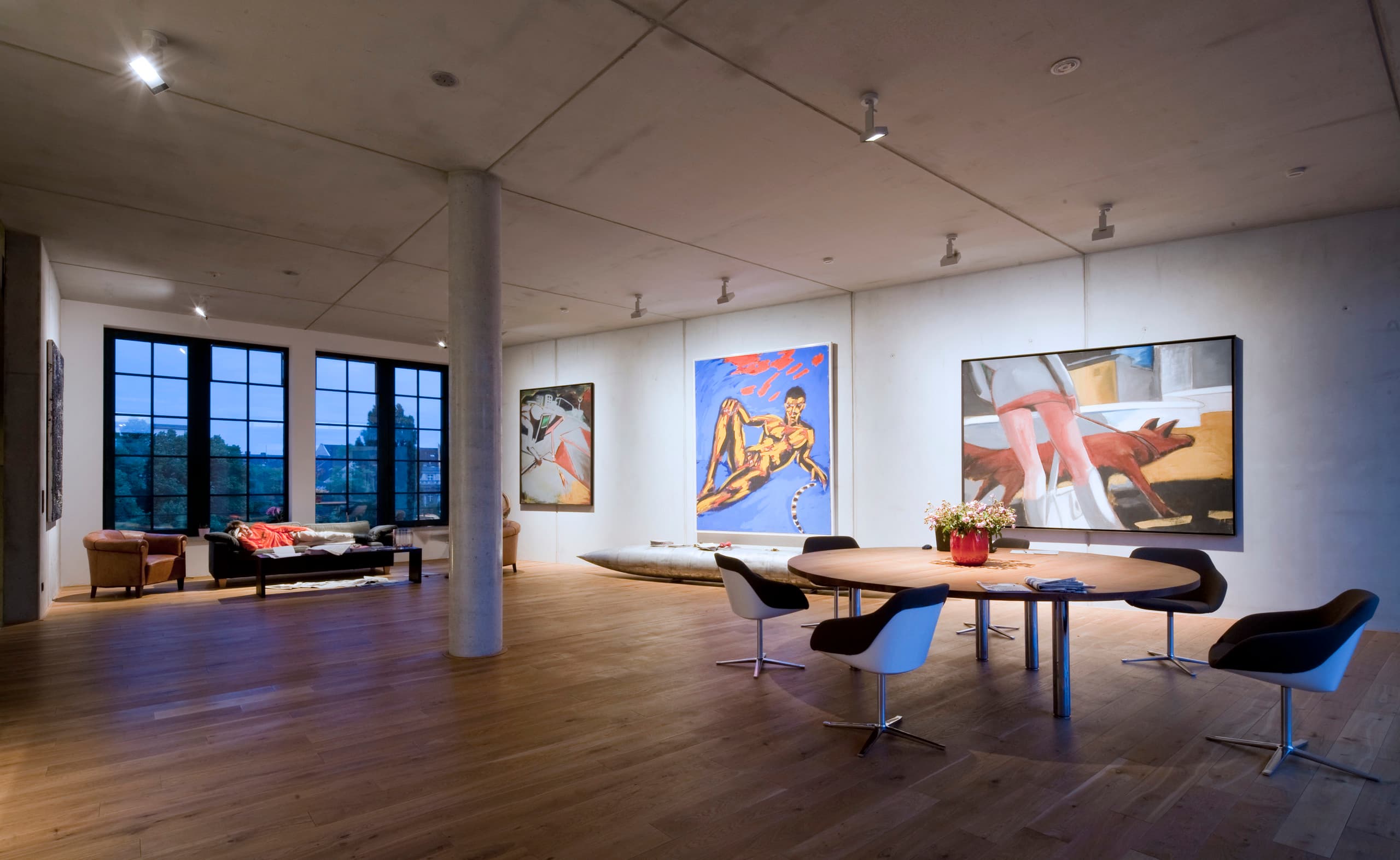
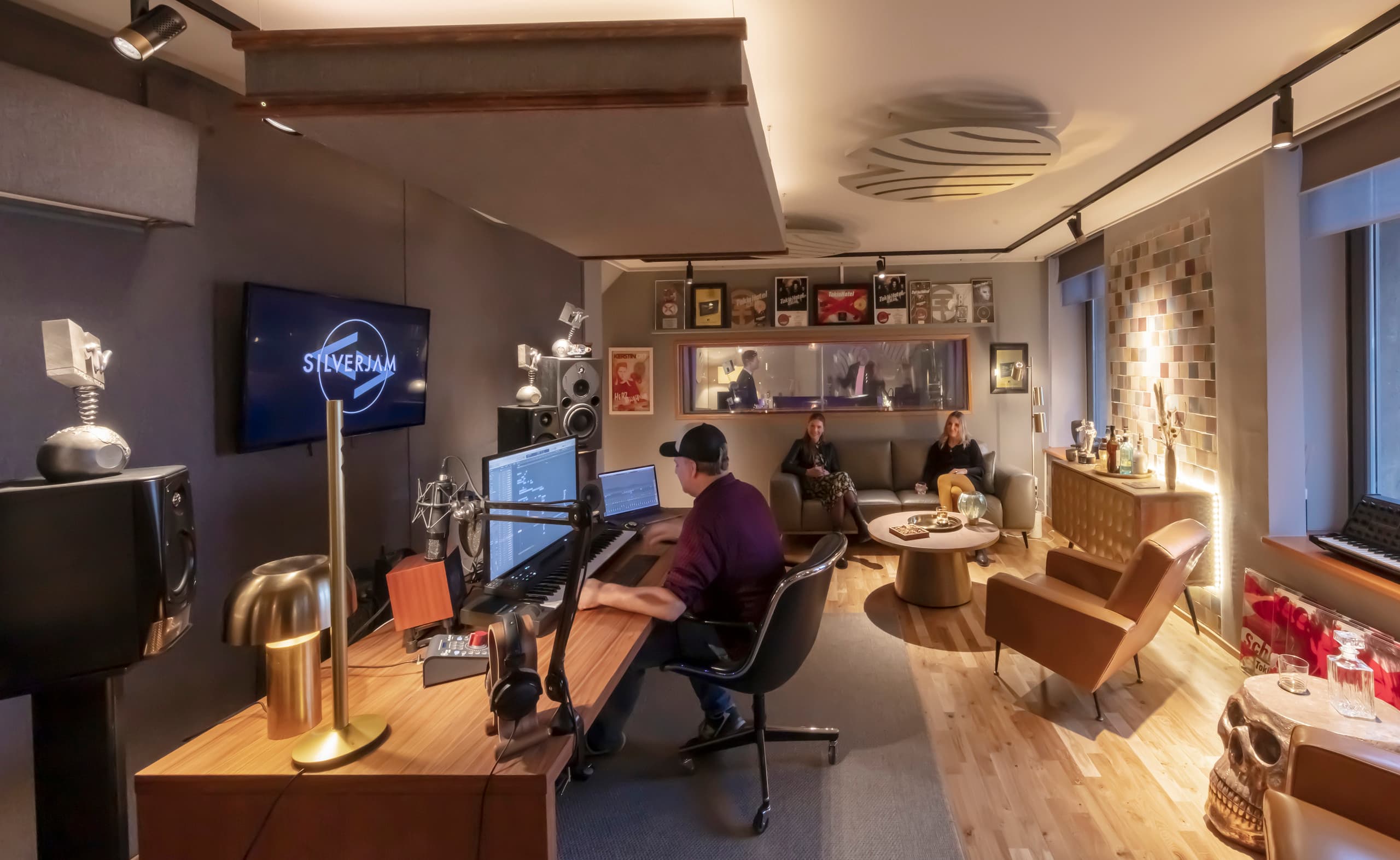
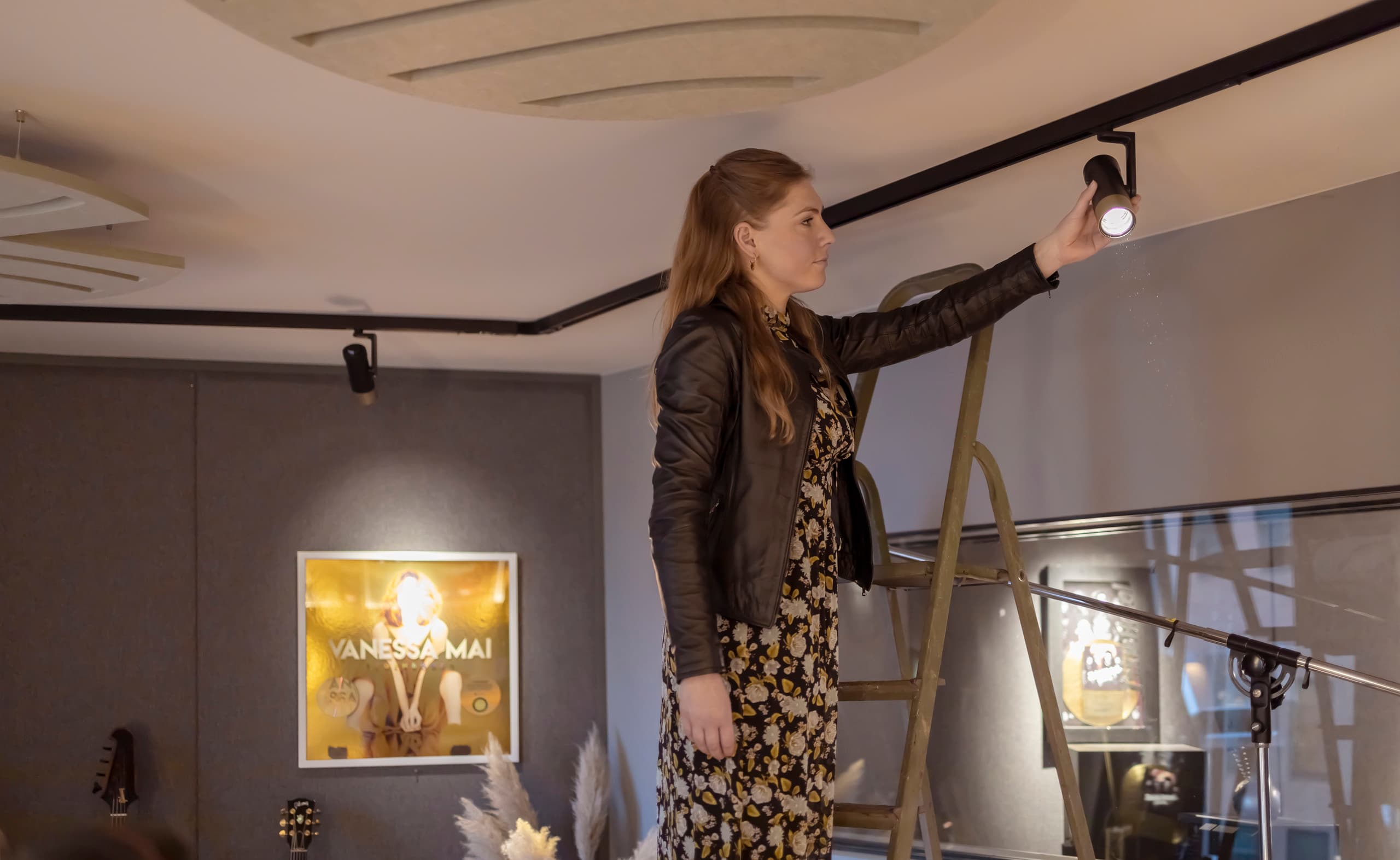
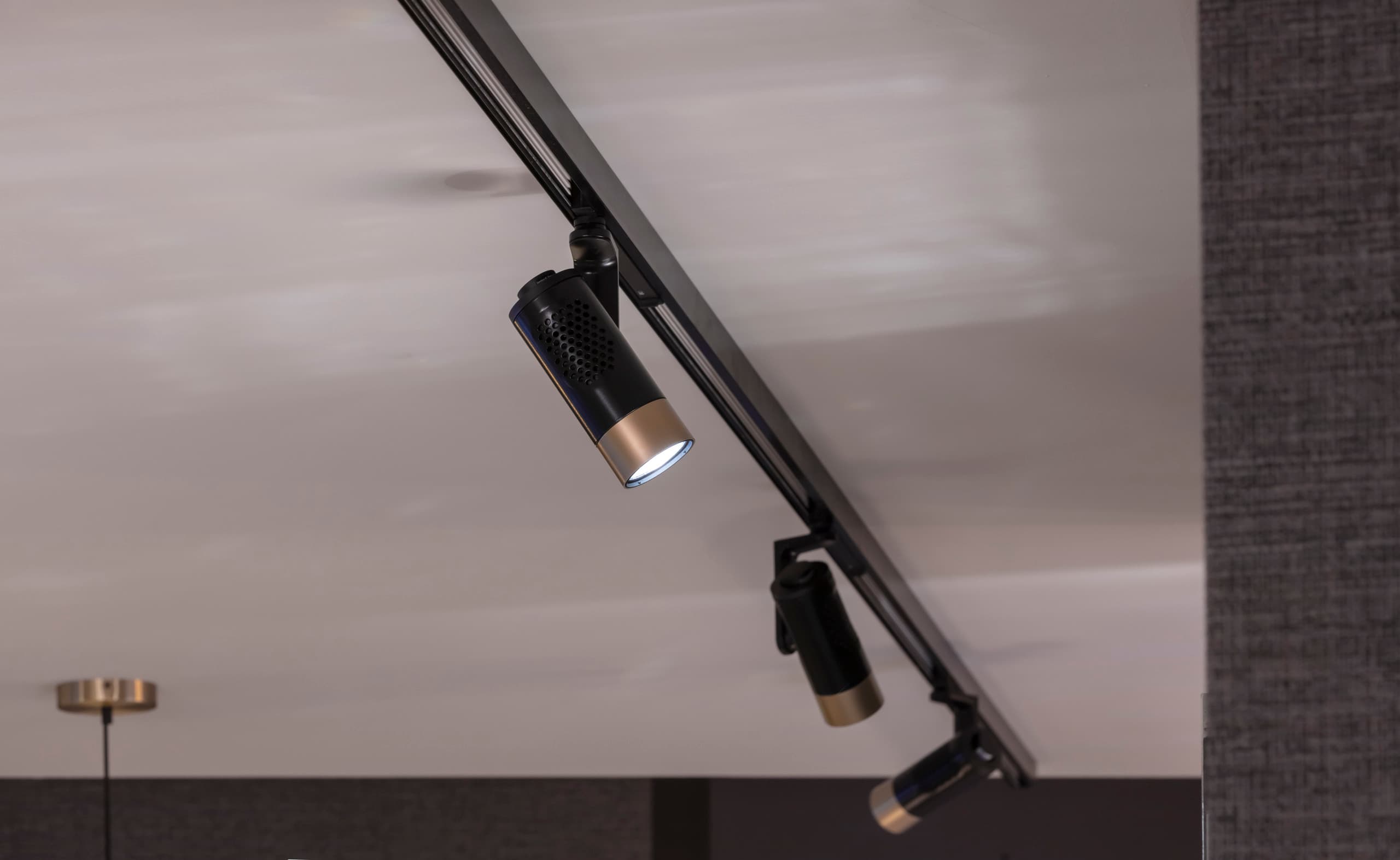
Workplace lighting completed!
The most important points
- 1Use a control system that adapts the lighting automatically to the course of the day – so you can work glare-free and focused even in a windowless home office.
- 2Opt for indirect light via reflective surfaces when you want to create a soft, glare-free general brightness in the workspace.
- 3Choose luminaires with lenses that can be changed without tools so that you can adapt the light distribution at the workplace flexibly and effortlessly.


Next lesson