7 tips for your perfect wallwashing

Tomasz Majewski
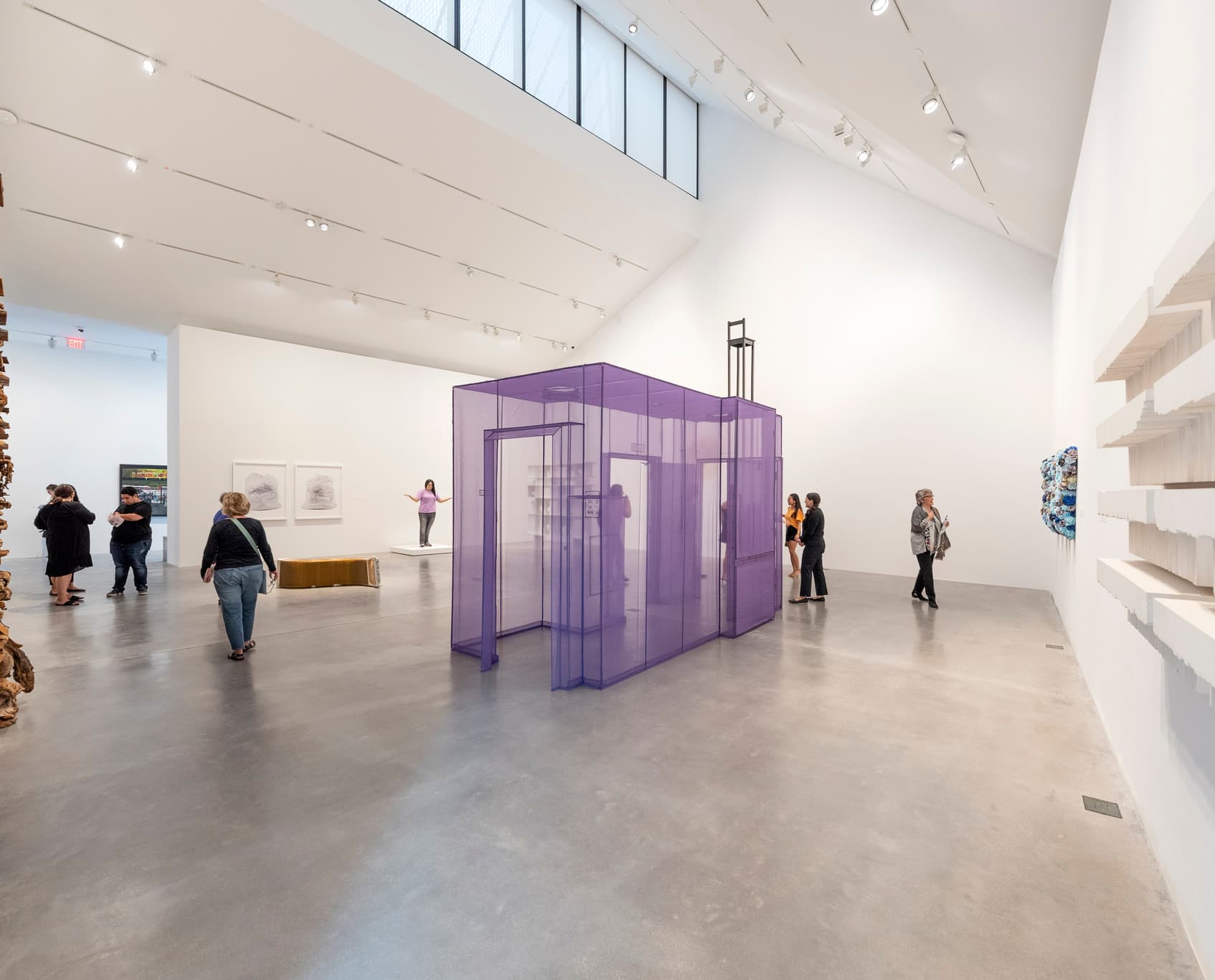
Illuminated walls significantly contribute to the impact that light has in architectural spaces. In museums and shops, vertical light displays and showcases art and products. Wallwashing helps people find their bearings, enlarges rooms and enhances surfaces, for example with use of grazing light. Because different situations have their own specific requirements, ERCO has developed a set of nuanced LED lighting tools to provide the best possible solution for each and every task.
Vertical lighting is one of the fundamental elements in lighting design. Wallwashing defines the room and emphasizes its use because it not only contributes to the perception of brightness but also increases visual comfort in offices for example, as well as providing orientation. Different mounting situations and special requirements with regard to the flexibility of light have led to a very wide range of lighting tools now being available for vertical lighting.
This video is hosted on YouTube. Loading it connects to Google and may set cookies.
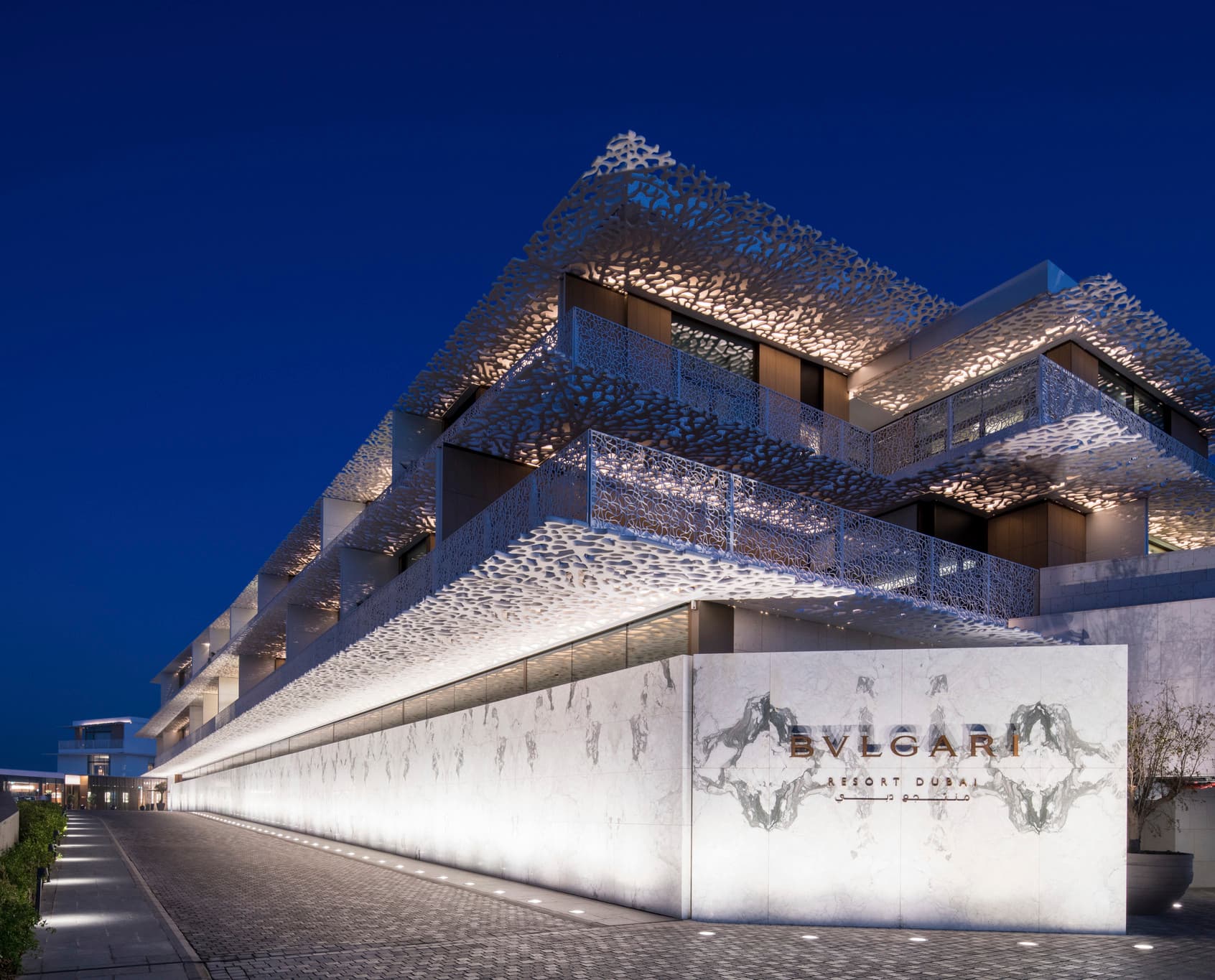
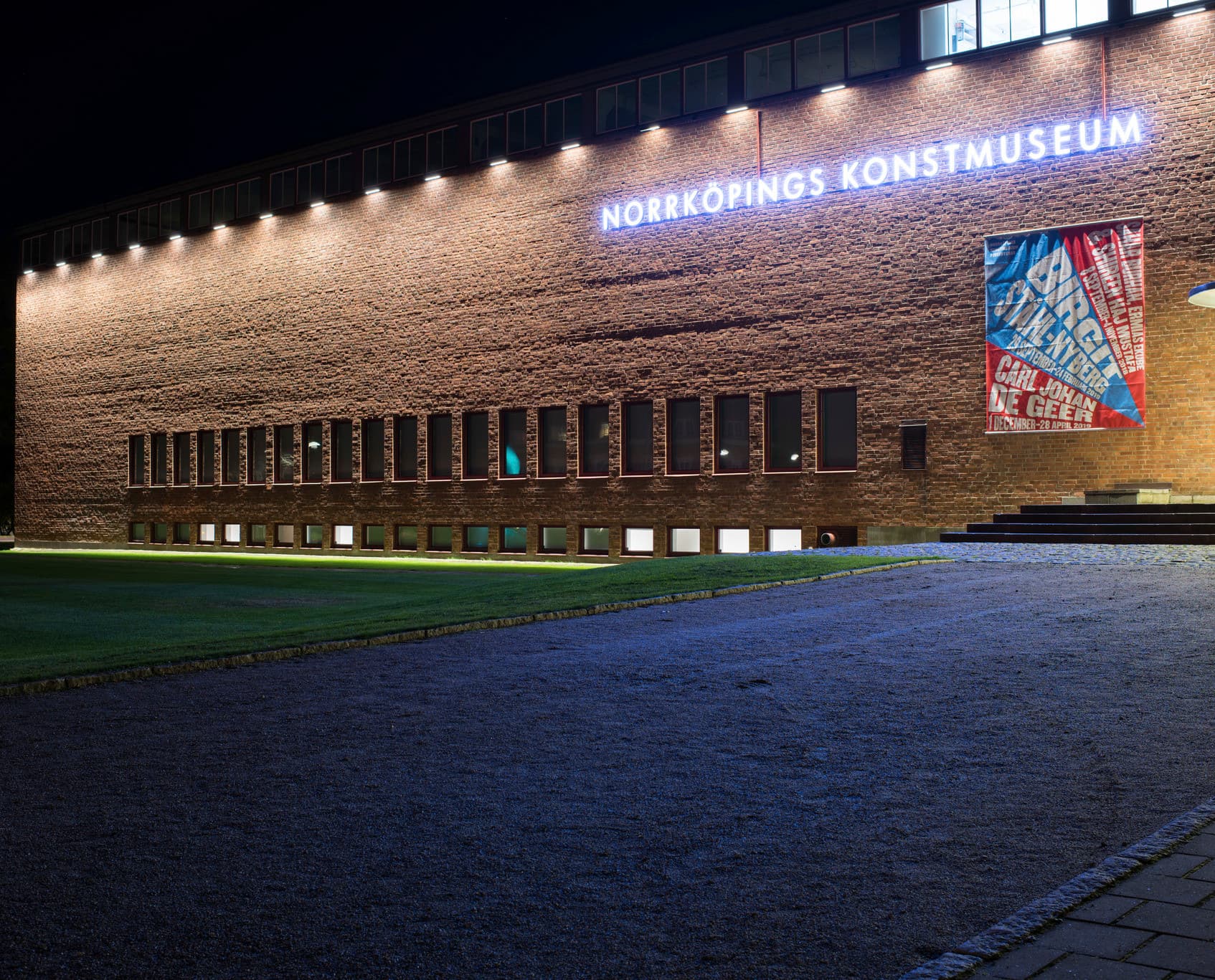
Wallwashing is a central component of qualitative lighting design because brightly lit walls can perform a variety of tasks. Examples are providing orientation, creating width and enhancing surfaces with the application of grazing light. The lighting effect on walls can be used both indoors and outdoors. In indoor environments the light emphasizes relevant areas of the room or artworks and outside, facade lighting gives structure to plazas whilst grazing light accentuates the tactile details.
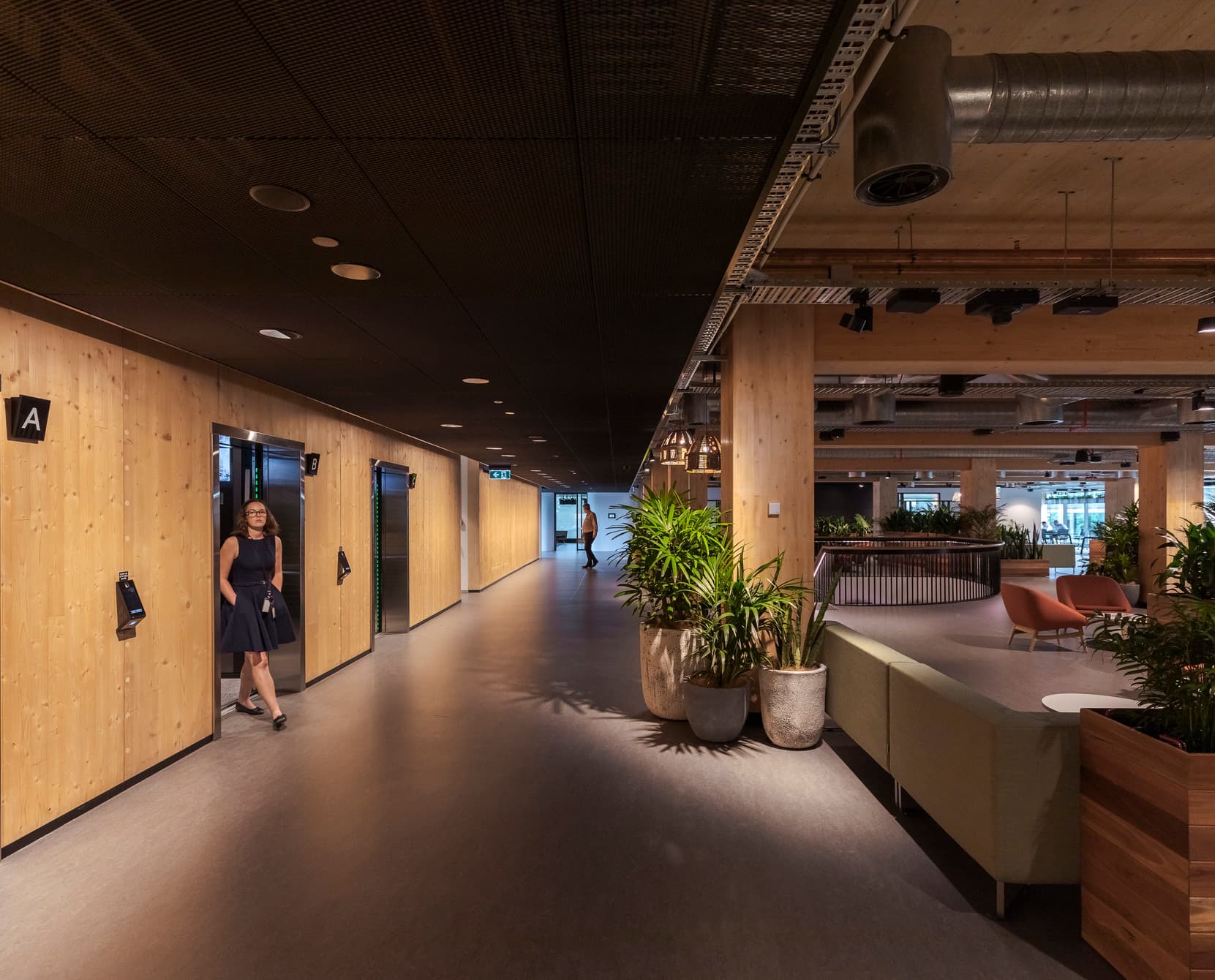
When we enter a room we see the brightest surface first. We unconsciously assign the highest importance to it. Wallwashing points out the axes of the architecture and helps us to comprehend different functional levels and spatial transitions. Lighting thus creates clearly recognizable entrance zones, for example in illuminated foyers. If they are well planned, illuminated walls guide visitors in large buildings to their destinations.
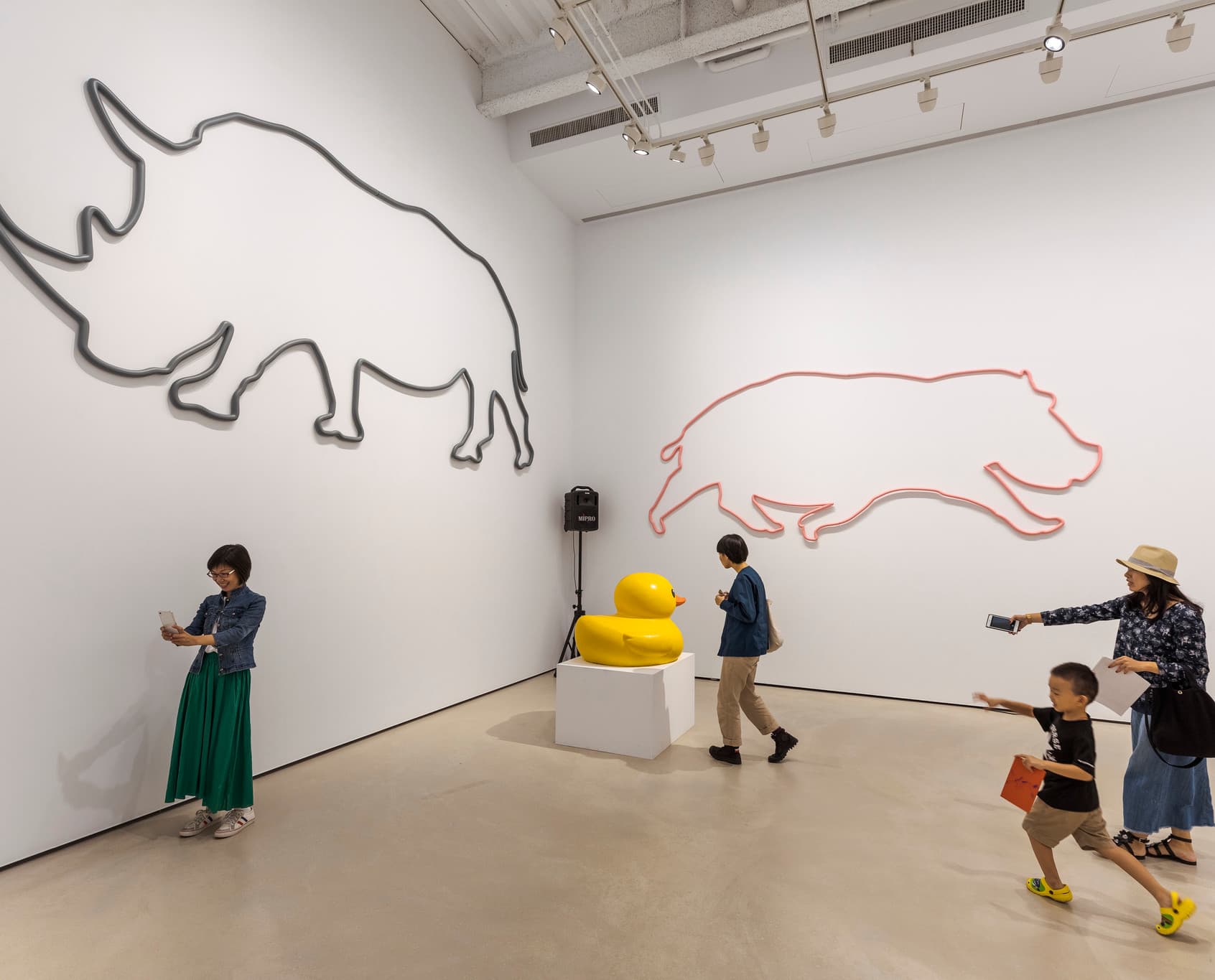
Even with an identical level of illuminance, a vertical surface produces a much higher impression of brightness than an illuminated horizontal surface. Hence wallwashing makes a decisive contribution to the impression of brightness in rooms. The reason is that walls lie in our natural field of vision. High reflectivity on the wall can significantly increase our impression of brightness. Compared with a white wall surface, exposed concrete requires around twice as much illuminance to generate the same impression of brightness while brick and dark wood need roughly six times as much illuminance.
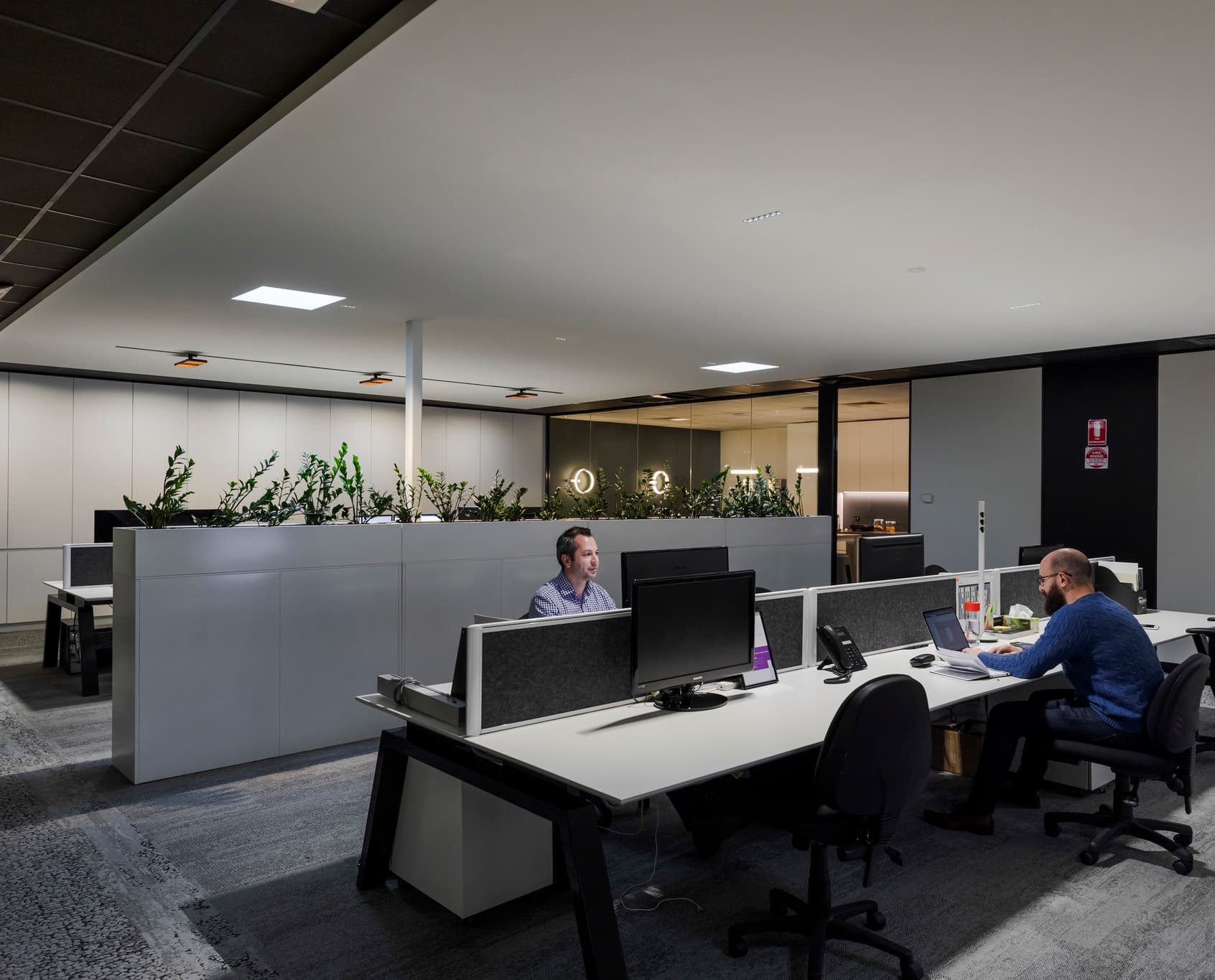
In offices, wallwashing contributes to greater visual comfort. Light on walls helps a great deal in reducing the contrast between luminous screens and the visual surroundings. The bright background creates a light effect that is pleasant for the eyes and prevents fatigue. Vertical lighting creates diffuse light thanks to reflection off the walls, which in turn pleasantly models faces and creates a more prestigious setting for constructive discussions in conference rooms, for example.
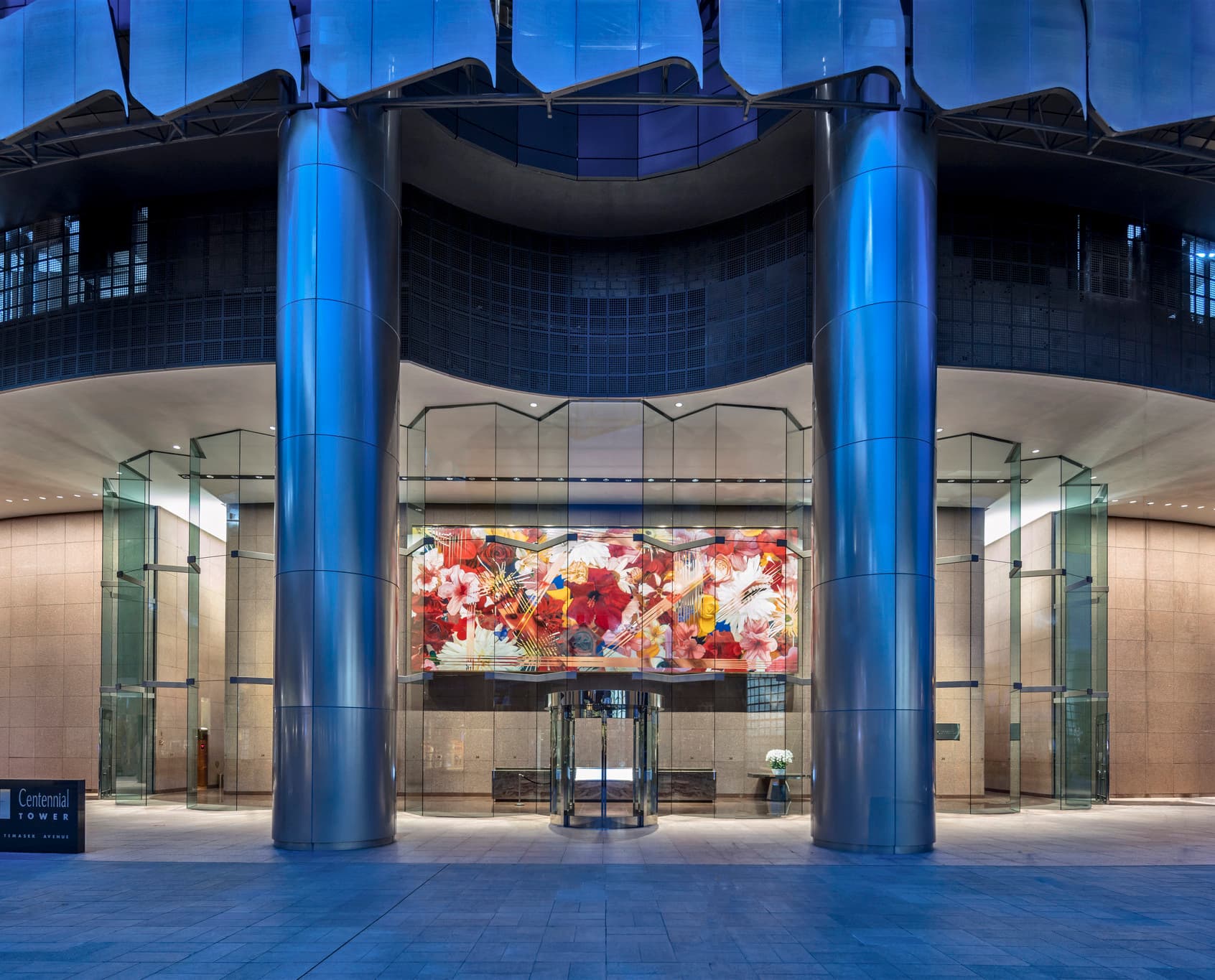
Light creates a sense of distance. Uniformly illuminated walls visually expand the dimensions of a room, and narrow rooms in particular gain in quality of stay with use of the right luminaires. Large areas on the other hand can be zoned and structured by bright walls. The lighting is particularly important in expansive rooms such as atria. If daylight only enters from one side and the distance to the opposite wall for the daylight is too far, wallwashing compensates for the missing light. The brighter and more evenly the light is distributed throughout the room, the more efficiently is the room comprehended as a single unit.
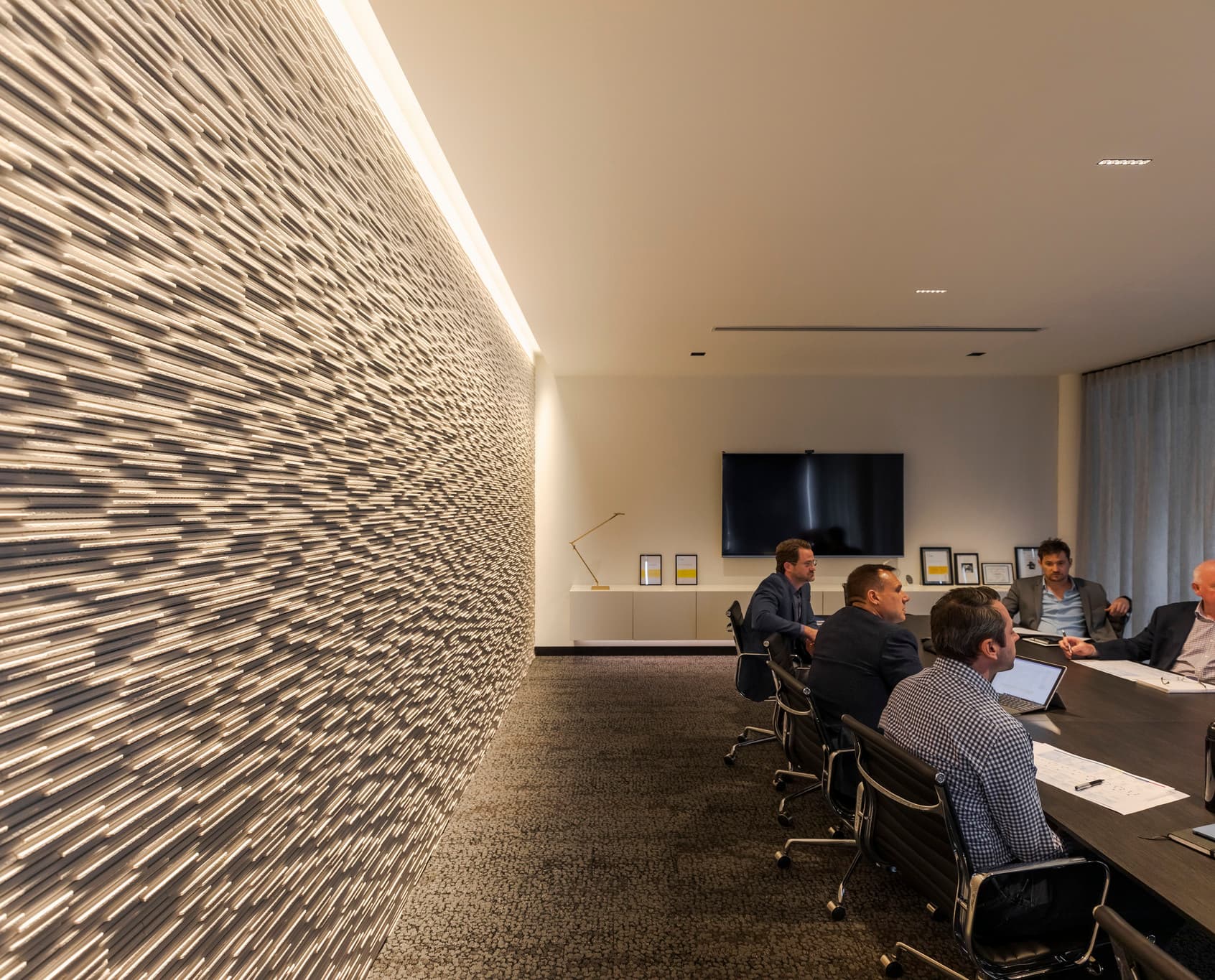
If the texture of materials such as stone are to be emphasized, luminaires should be positioned close to the wall. Special wallwashers are suitable for this purpose, installed either in the floor or in the ceiling and emitting grazing light. This latter form of light significantly highlights surface structures through the rich-contrast interplay of light and shadow. Positioning the luminaires closely in front of the wall is decisive in achieving a striking shadow effect and the effect of grazing light. Even small elevations on surfaces create striking shadows thanks to grazing light.
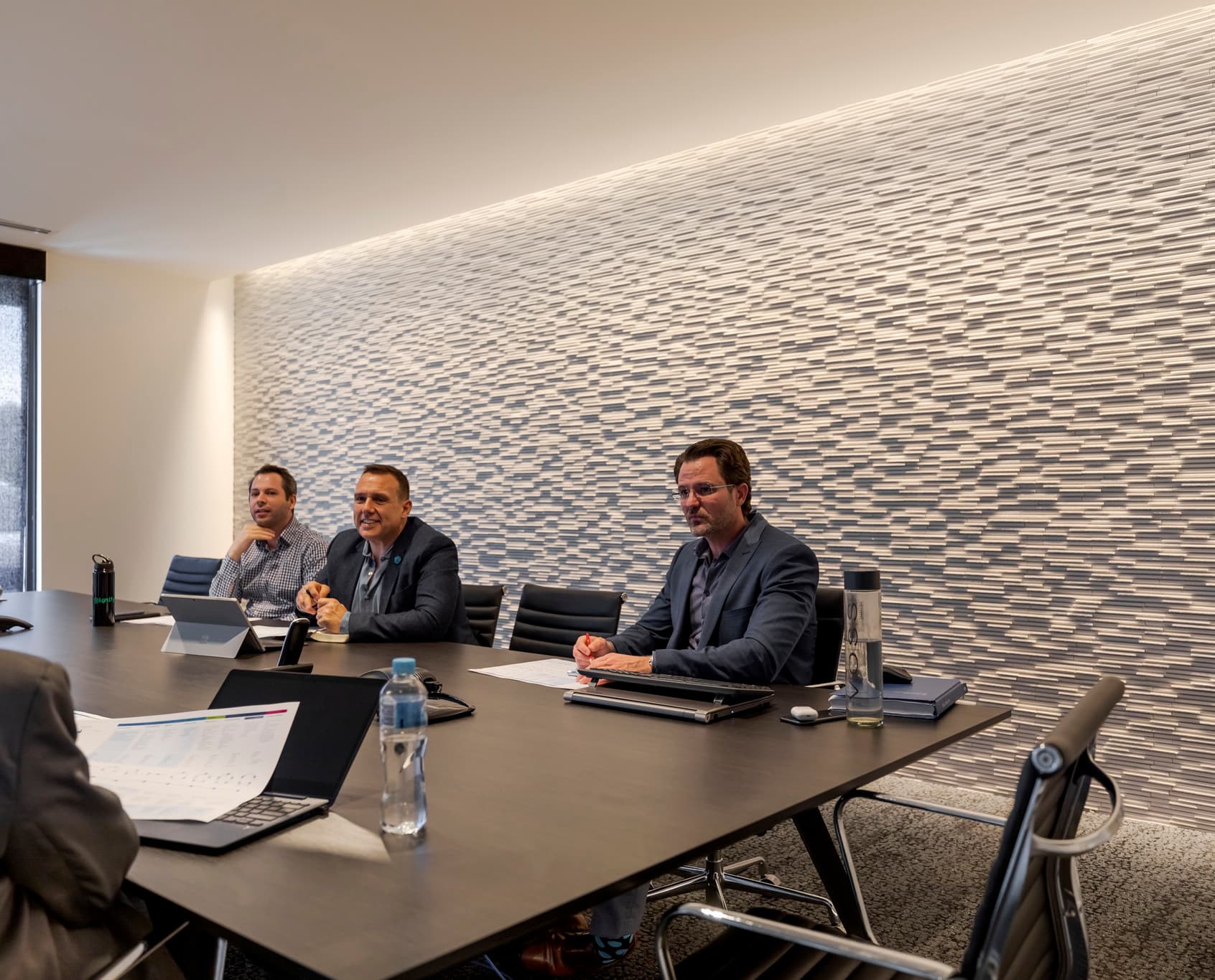
Different situations place their own specific technical demands on the light, and specifically on wallwashers. This is why nuanced lighting tools are available that optimally solve each task. These include wallwashers as recessed downlights, meaning that the luminaire is almost completely concealed from view in the form of a technical detail. Luminaires for track with quick installation are also an option for example if little time is available for assembly and disassembly at trade fairs.
The most elegant details are achieved with recessed wallwashers—integrated in the ceiling in indoor applications and in the ground outdoors. The luminaires blend into the background whilst the room is placed to the fore with a generous lighting effect. Careful lighting design is particularly important for this type of installation because subsequent changes, as is the norm with track mounting, are usually not possible. Where fixtures such as retail shelving units are installed, the arrangement of luminaires should be oriented to the front edge of the shelf. The optimum distance to the wall is a third of the room height.
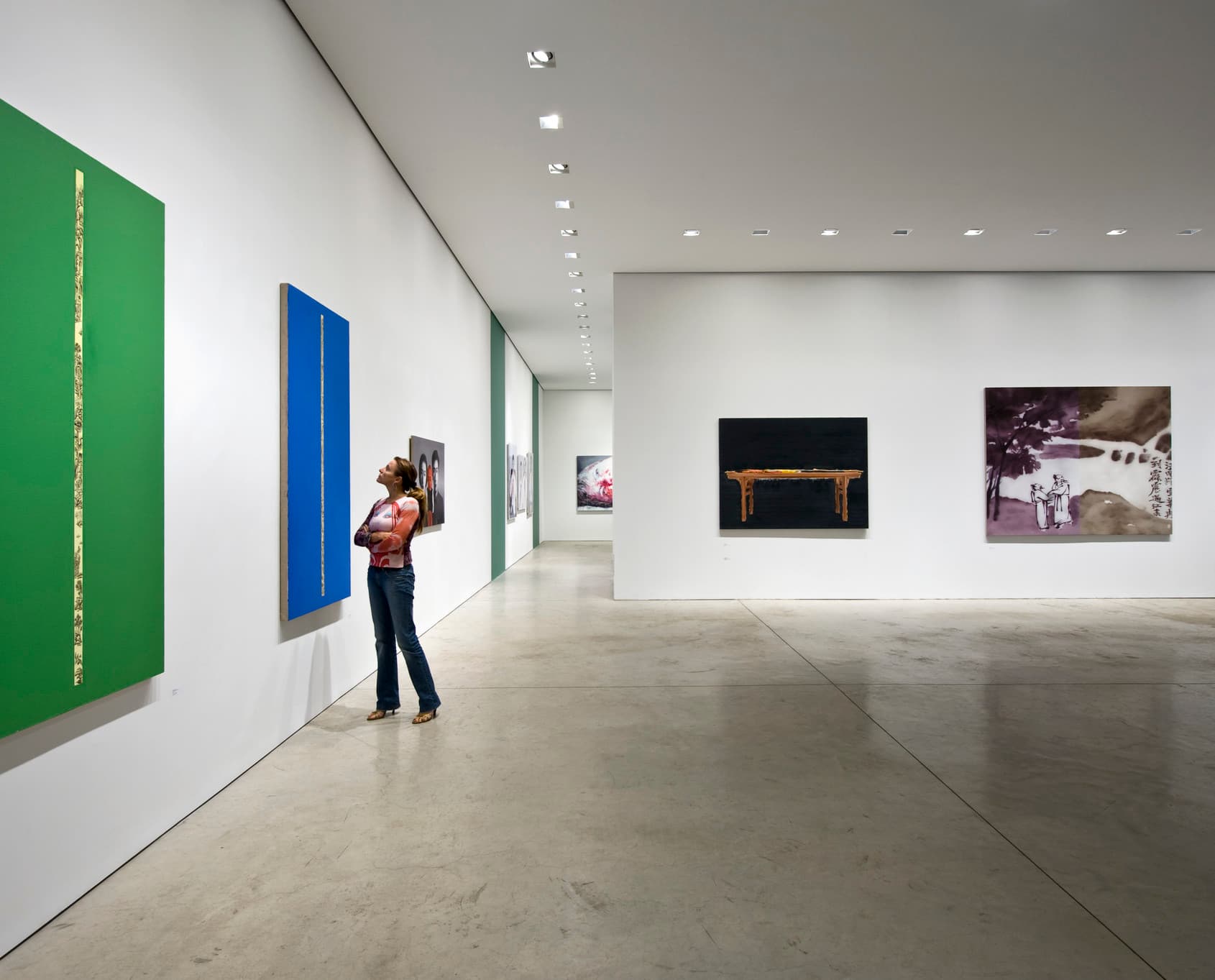
Beim Einsatz von Wandflutern in hohen Räumen wird die Faustformel „Wandabstand gleich ein Drittel der Raumhöhe“ oft zur Herausforderung. Speziell für solche Fälle gibt es die ERCO Atrium Doppelfokus Wandfluter. Ihr Licht ist auf einen reduzierten Wandabstand von nur einem Fünftel der Raumhöhe optimiert. Sonderlösungen für noch extremere Situationen werden auftragsbezogen bei ERCO individual entwickelt.


Temporary exhibitions require flexible lighting solutions: using the adapter, wallwashers from ERCO spotlight ranges can be positioned anywhere on the track in just a few simple steps. This enables the lighting tools to adapt to the spatial conditions. For optimum uniformity on the wall, the luminaires are set at an inclination of 35°. The distance to the wall should be approximately one third of the room height.
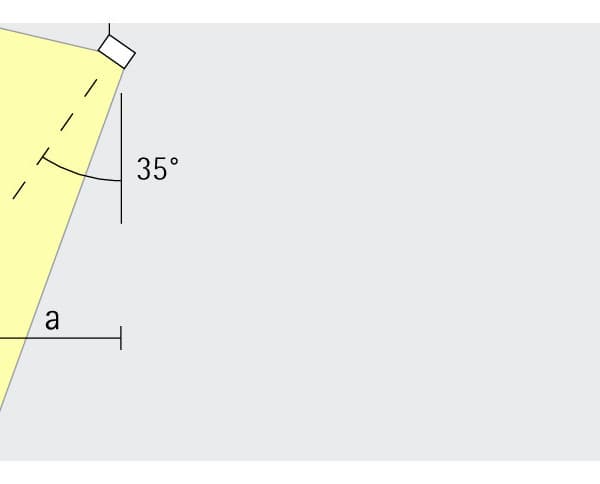

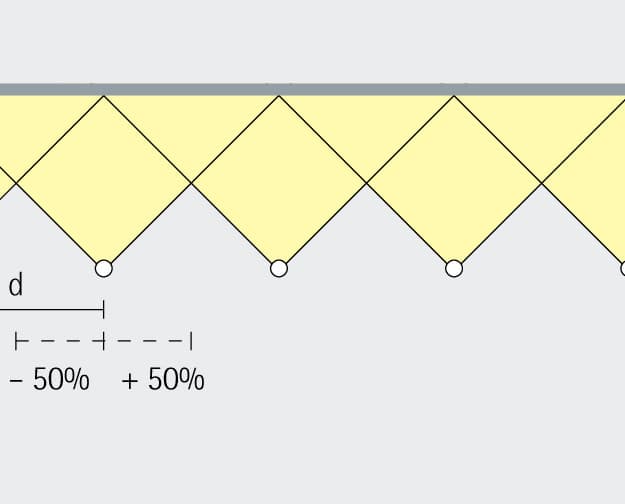
The new generation of ERCO Eclipse wallwashers can be arranged even more flexibly than other wallwashers. The lighting effect of the luminaires remains uniform, even if luminaire spacing or distances to the wall vary—ideal for complex projects, e.g. with irregular room geometries or structures.
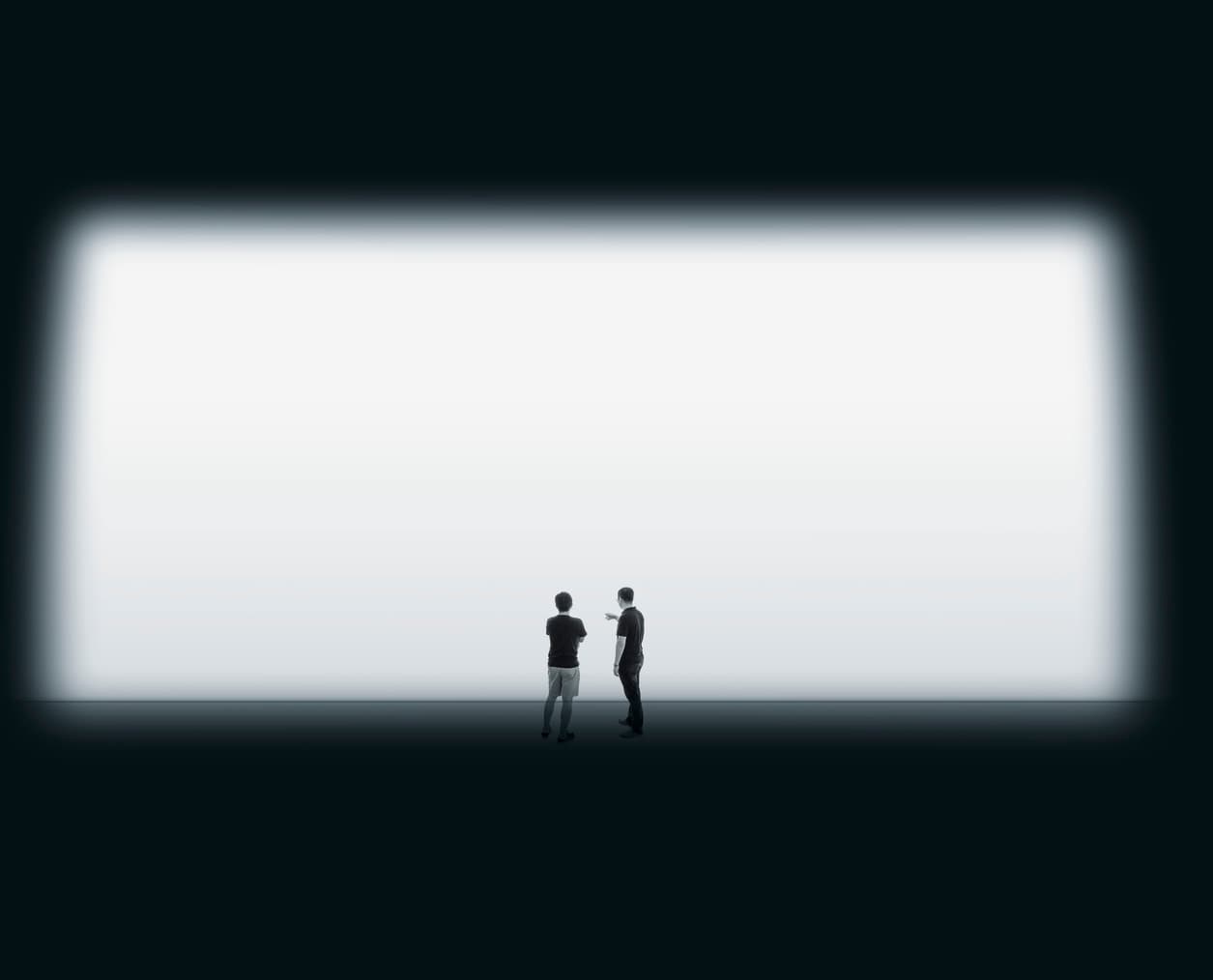
The uniform illumination of walls is often less important in prestigious rooms. More important is to emphasize materials and textures through the play of light and shadow. For this type of lighting, grazing light wallwashers such as Lightgap for ceilings or Site luminaires for floor installation are the right tools.


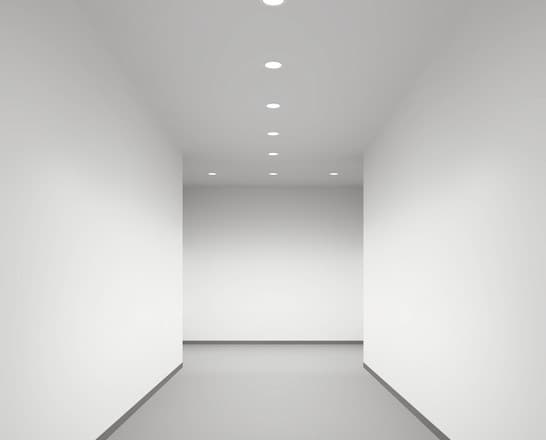
Wallwashing is a good solution for creating a bright spatial impression in narrow applications such as corridors and hallways. Wallwashing creates a homogeneous brightness extending from the ceiling to the floor. A contrast to this is downlights in which the light beamson the walls subdivide the corridor into a darker zone at the top and a brighter area down below. A row of double wallwashers on the other hand can be used to uniformly and efficiently illuminate opposite walls in a corridor.
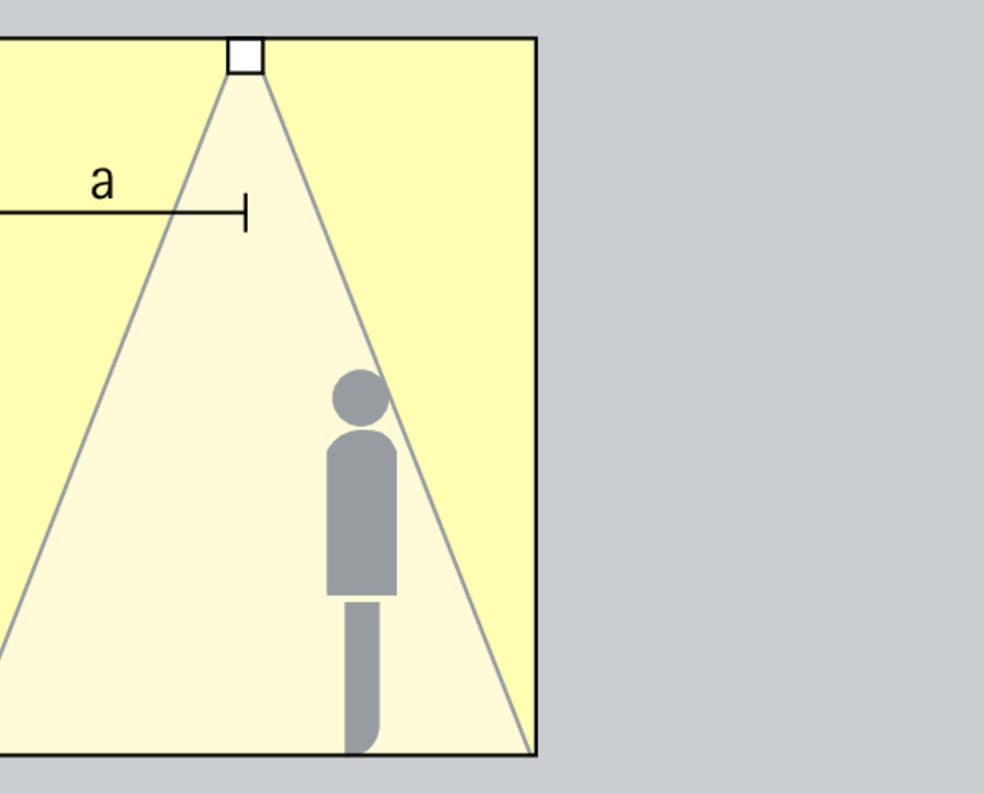
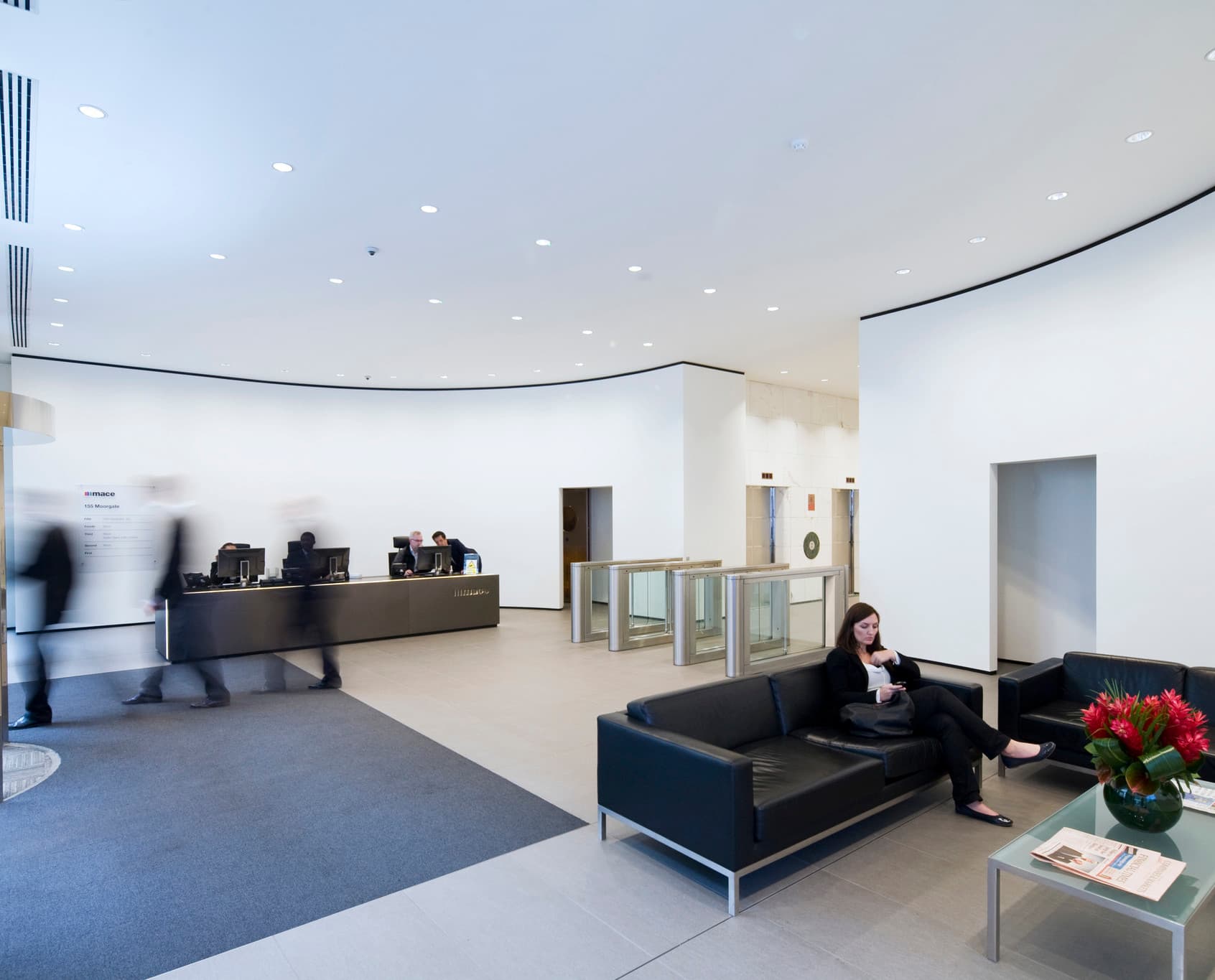
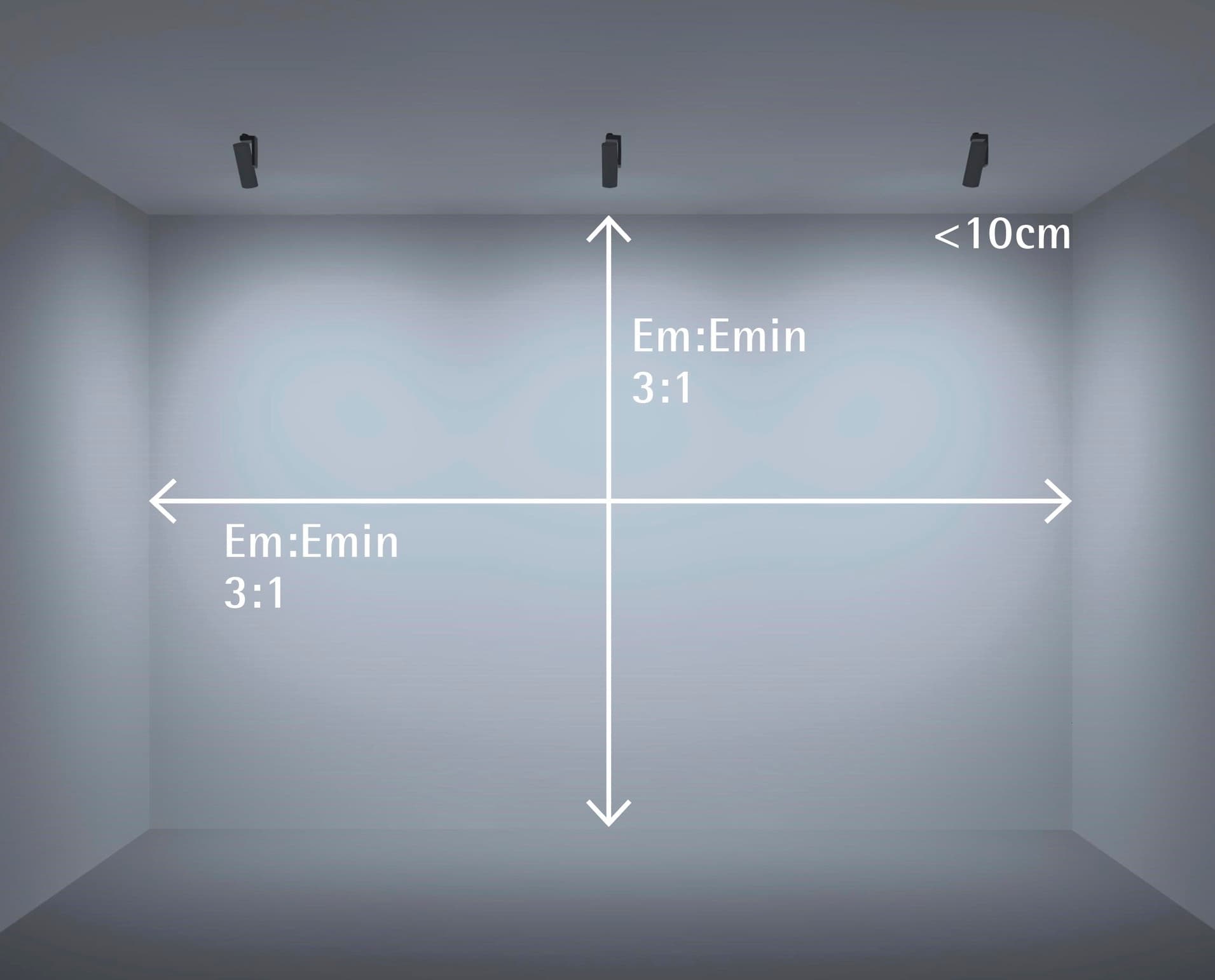
A particularly important task of wallwashers is the uniform illumination of surfaces. To assess the uniformity of the wallwashers, illuminances on the wall are evaluated from top to bottom and in the horizontal plane. The ratio of mean illuminance to minimum illuminance in the vertical axis should be 3:1. For horizontal uniformity, the ratio of mean to minimum illuminance should also be 3:1. Greater contrasts would be perceived by the eye as being uneven. It is also desirable for the light to start directly below the ceiling: for example with less than 10cm clearance in a room with height of 3m.
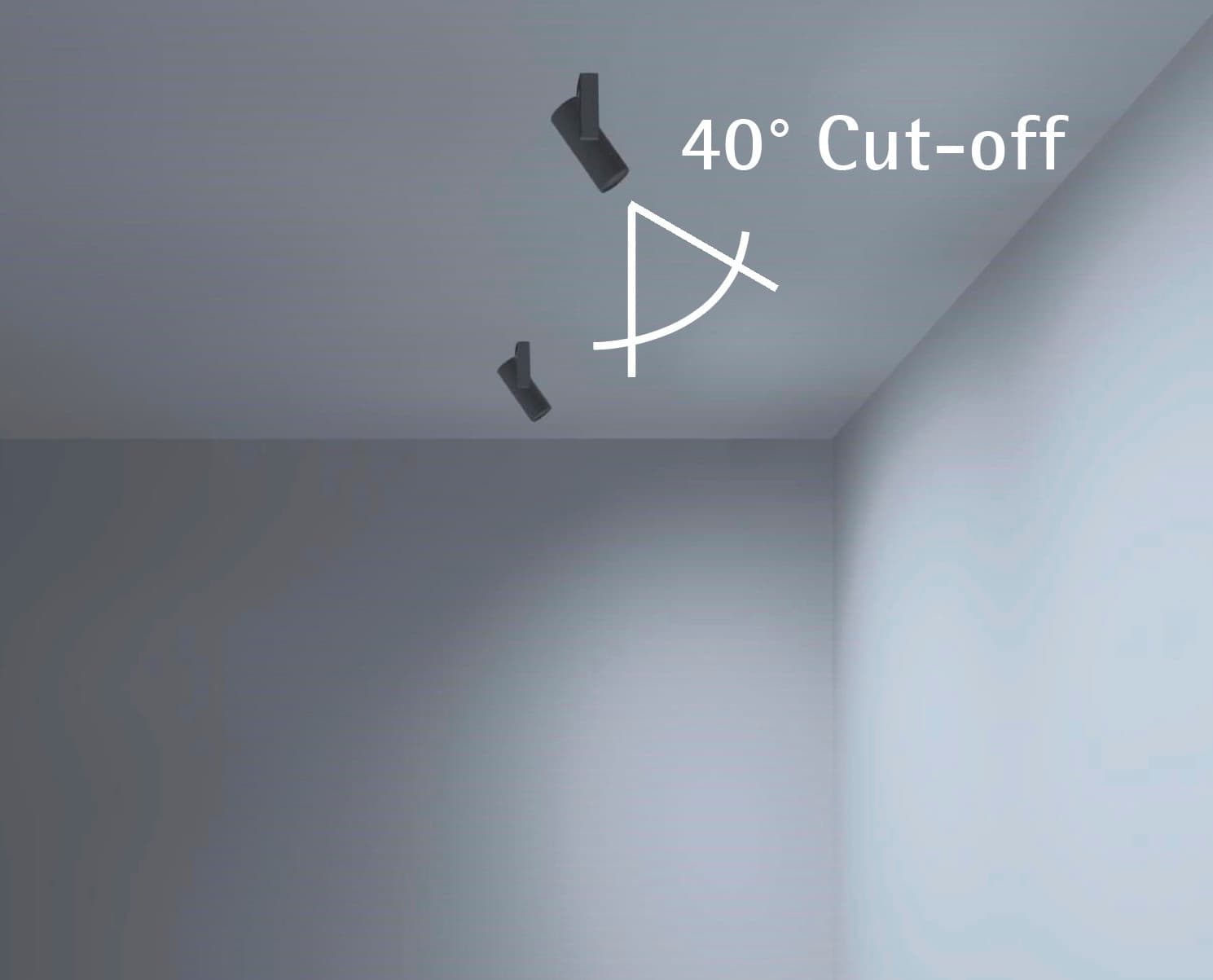
A high luminaire cut-off angle of 40° to the room avoids glare for the observer looking into the luminaire. Outstanding visual comfort means that the focus in the room is not on the luminaire, but on the uniformly illuminated wall surface.
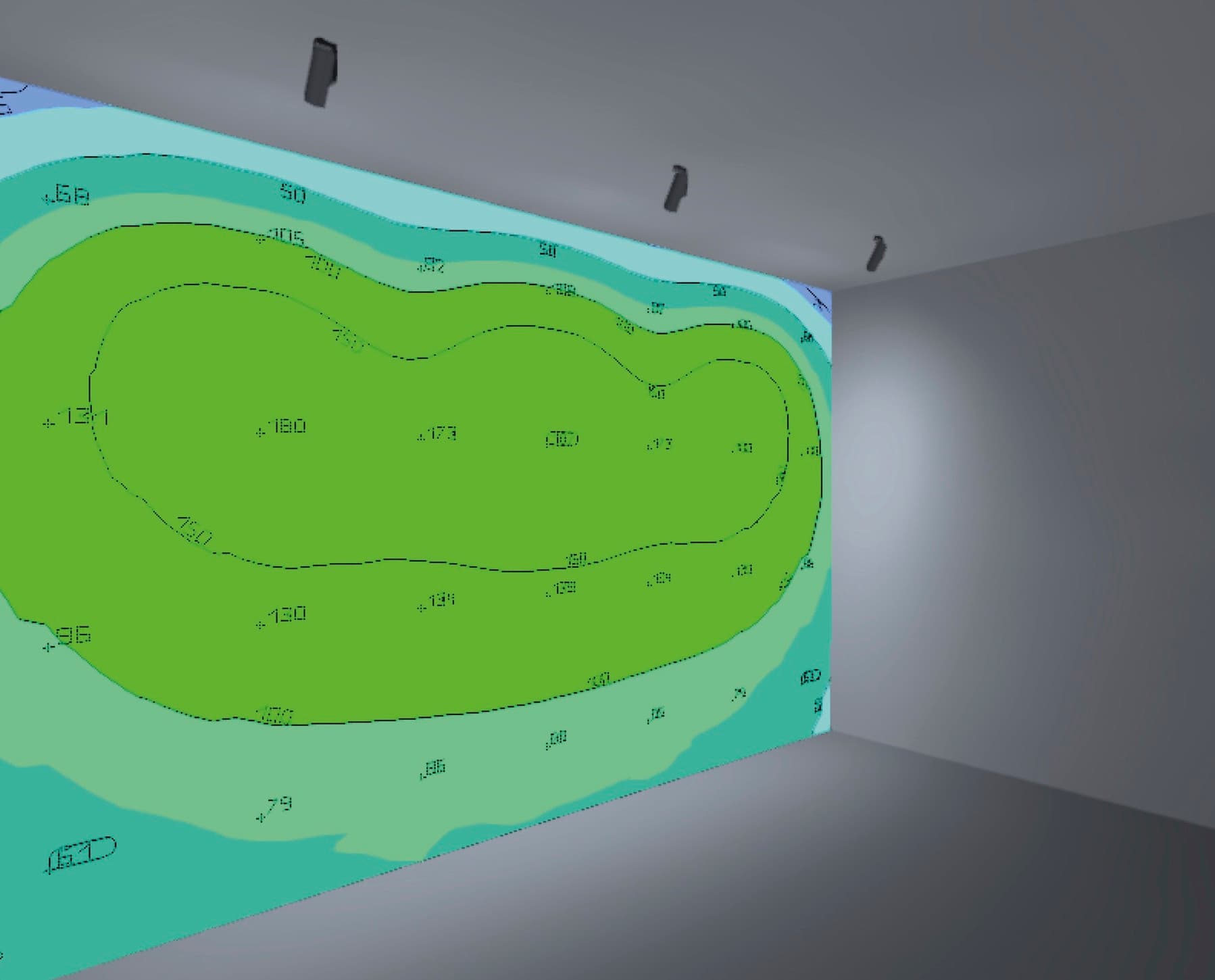
The mean illuminance on the wall surface in relation to energy consumed serves as an indicator of the efficiency of a wallwasher. High performance luminaires direct the light of the LEDs exclusively onto the wall surface, resulting in a low W/m² value for exemplary energy efficiency. High quality wallwashers require only about 3W/m² for a mean illuminance of 200lx on the wall.
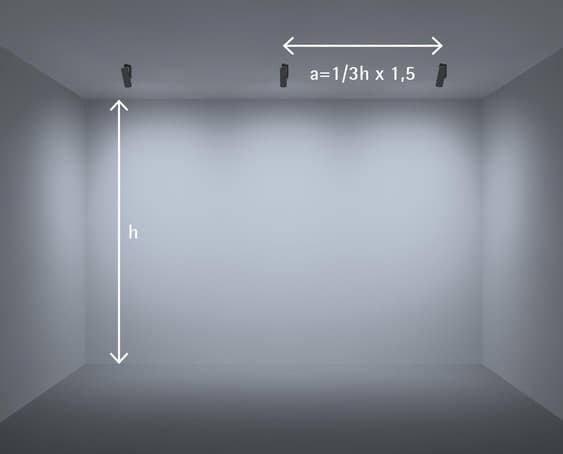
The greater the spacing between the wallwashers the fewer luminaires are needed, equating to lower investment costs. Lighting technology optimized for large luminaire spacing in this way contributes to the overall cost efficiency of architectural projects. Thus the efficiency of the LED lighting technology is crucial. Using modern luminaire optics in a room height of 3m, distances of up to 1.5m are possible along with very good horizontal uniformity.

Dr. Thomas Schielke studied architecture at the Darmstadt Technical University, Germany. He has worked for more than 15 years as editor for didactic communication at the luminaire manufacturer ERCO and is the co-author of the textbook "Light Perspectives: Between Culture and Technology".


