Course: Outdoor space
When light opens up pathways, the museum becomes part of the night. It guides visitors, presents façades, sculptures, and entrances, and at the same time shows consideration for nature and the night sky. The result is outdoor lighting that provides orientation, creates atmosphere, and makes culture visible.
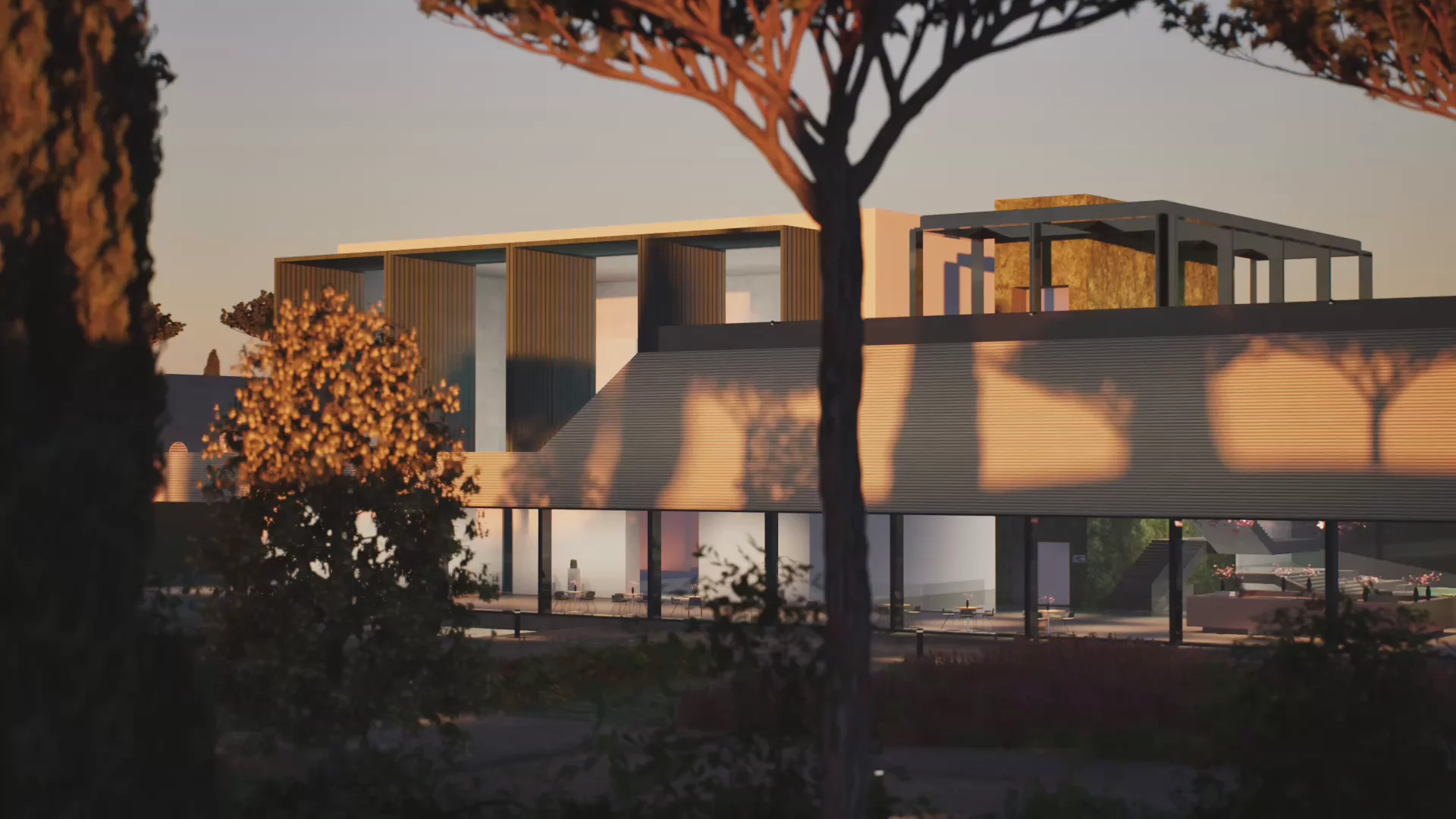
Outdoor lighting makes museums legible at night: it guides visitors along pathways, across squares, and past façades, sets sculptures, reliefs, and architecture precisely in scene, and strengthens the cultural brand.
Dark Sky-compliant lighting design with robust, well-shielded luminaires for pathway lighting, striking façade lighting, and lighting accents on artworks in the open air guarantees high visual comfort and prevents light pollution.
Lessons in this course
Start now.
You haven't completed any lessons yet.

Overall concept and differentiated lighting
Lighting design for museum paths, entrances, and Dark Sky areas provides orientation and atmosphere while respecting nature in the outdoor space.

Staging the facade means staging the architecture
Facade lighting stages the building, its materiality, its nighttime impact, and its branding. It provides orientation, points the way to the event, and is highly visible from afar.

Art in outdoor spaces
Illuminating art outdoors. Sculptures, wall art, and spectral quality ensure a confident effect at night.


