Course: White Cube
Light makes art visible—precisely, sensuously, and gently. It guides the eye, reveals color, material, and texture, and connects the exhibit, the space, and perception. The result is a museum experience that offers orientation and lets art be experienced intensely.
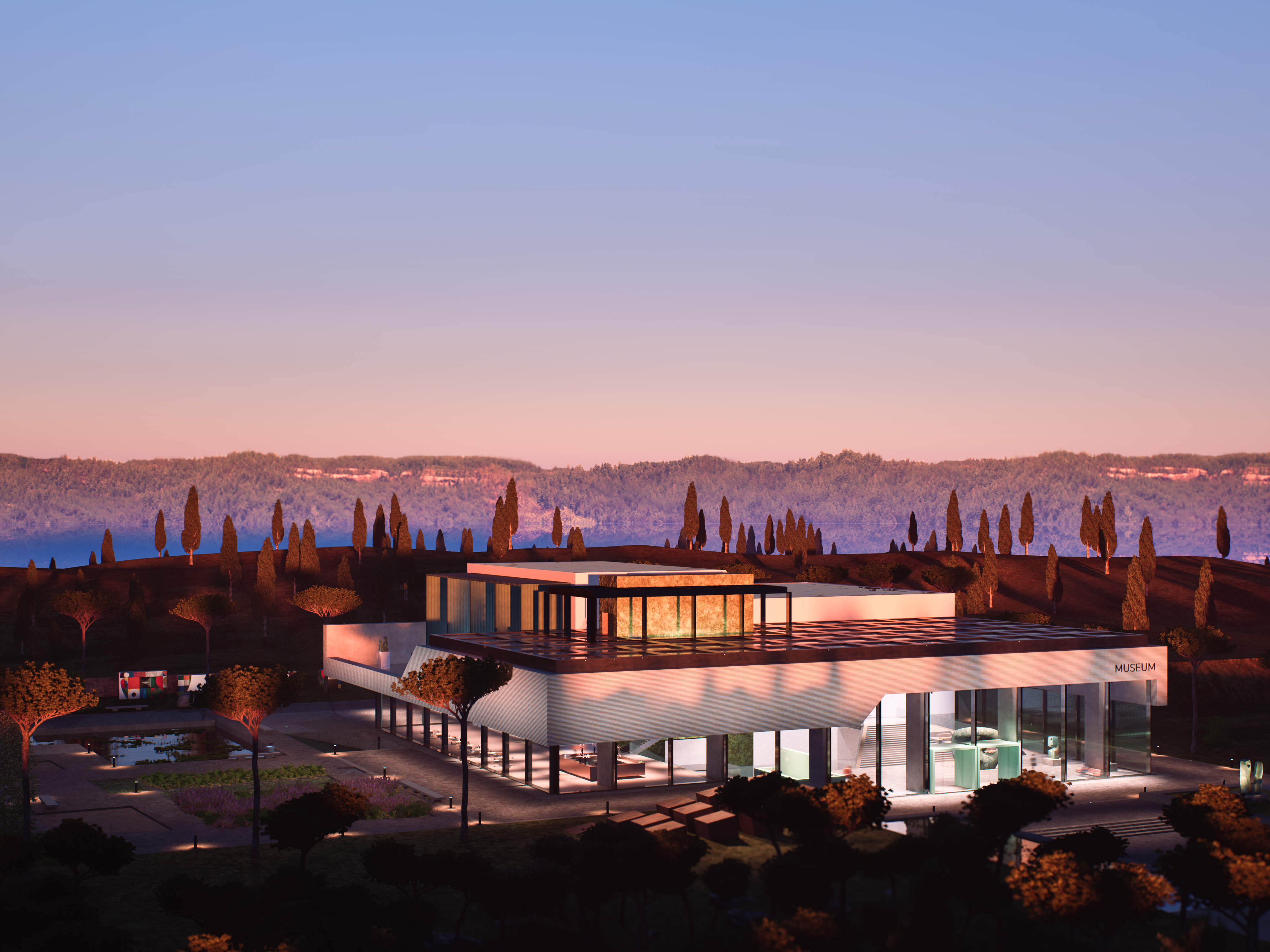
These lessons show how light makes works of art in the museum precisely visible—from the individual painting through textures, reliefs, and sculptures to color, material, and background. Discover how accent lighting, wallwashing, framing, light distributions, and adaptation work together. Learn how to create orientation, visual comfort, art conservation, and a compelling perceptual narrative within the space.
Lessons in this course
Start now.
You haven't completed any lessons yet.

Vertical lighting for a single picture
Illuminate individual pictures with precision. Accent light, framing, textures, and the museum angle ensure an optimal effect and a high level of visual comfort.

Lighting types and lighting effects
Lumen packages and light distributions scale spaces and illuminate paintings, walls, and exhibits uniformly and precisely.

Setting accents with precision
Highlighting exhibits clearly and guiding visitors' eyes exactly where you want them

Sculpture lighting
Modeling sculptures with light. Plan color, material, contrast, and adaptation deliberately to achieve a powerful effect for the object.