
Staging spaces with light: guiding the eye and sequencing spaces
Good lighting design takes up the idea behind the design concept.
Start by clarifying which spatial qualities should become visible. Axes, sightlines, spatial sequences, or distinctive materials? Decide what should recede and what should be emphasized. In this way, light supports the architecture instead of overlaying it. Light stages specific elements—or holds back with consideration.
Ask your clients the right questions!
Staging the spaces and taking up the architecture
- At what times of day, or at what times of day and night, is the space used?
- Which materials and surfaces define the space?
- The goal: light supports the architecture—not the other way around.
A good lighting designer can answer these questions clearly, specifically, and vividly. Not only technically, but also in terms of images and effects.
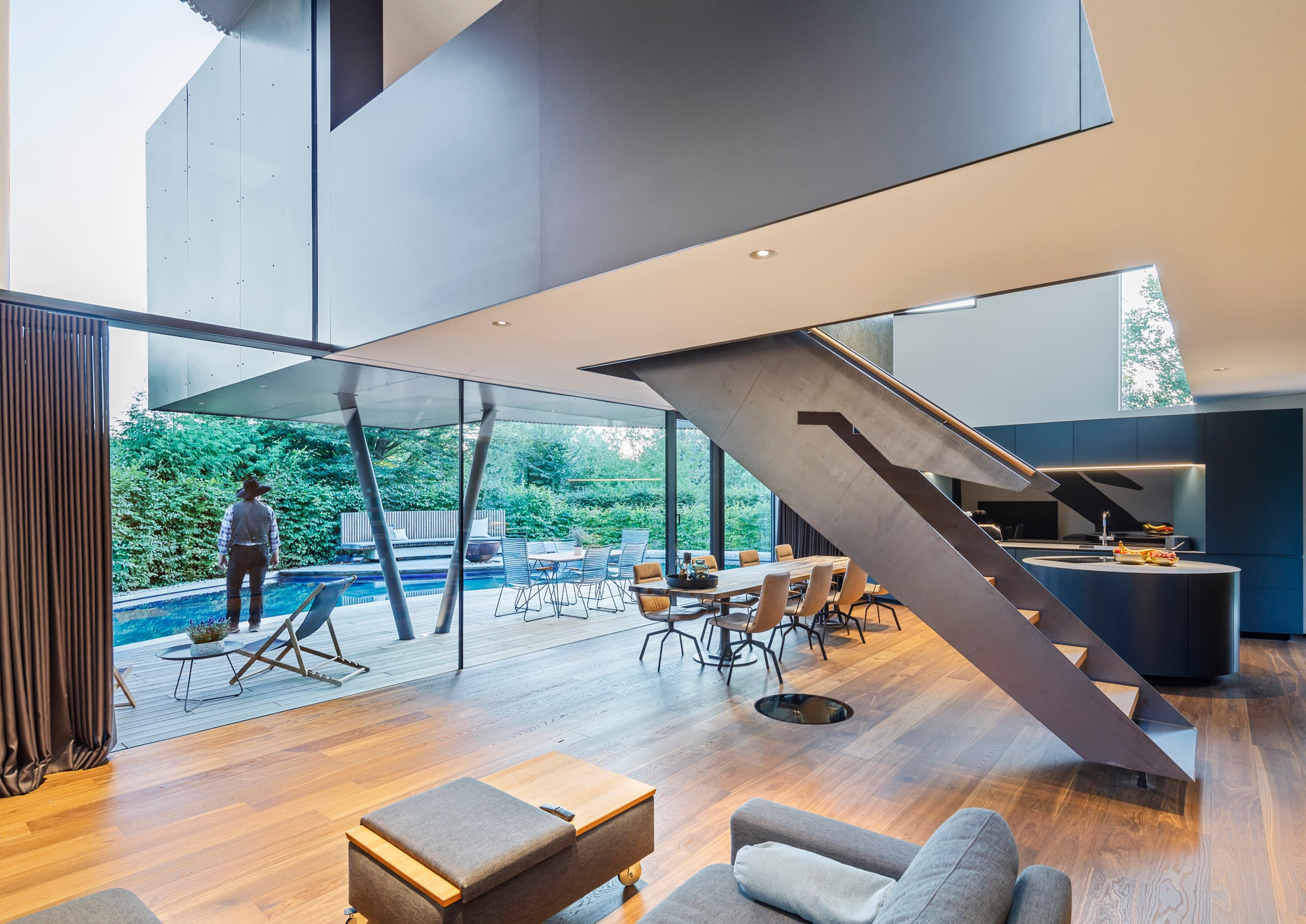
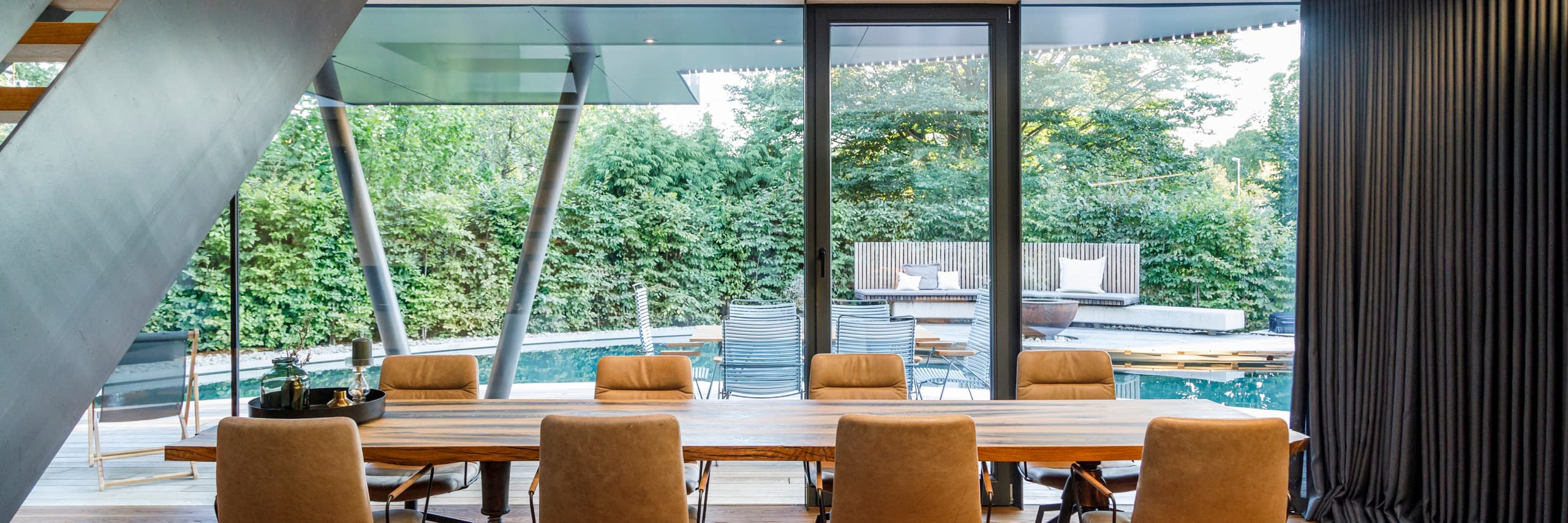
Light supports and structures the spatial experience
Light gives spaces depth and structure. Materials become differentiated and easier to read. Architecture gains atmosphere and identity. Use lighting design as an integral part of your design concept, and not as an addition to it.
Biological needs are largely unconscious needs. They aim at a sense of well-being within a visual environment. Almost always, a person's visual attention is directed toward observing their entire surroundings. In this way, changes in the environment are perceived immediately. Behavior can be adapted spontaneously to the changed situation.
The storyboard as a basis for discussion
As a first step, a storyboard illustrates the sequence of a lighting staging. Sketches show how the light in a space changes over time. This makes it possible to discuss scenographic concepts at an early stage, for example during an imagined walk through a building—ideally along sightlines or aligned with the progression of daylight visible within the space. This makes dynamic light plannable and easy to follow.


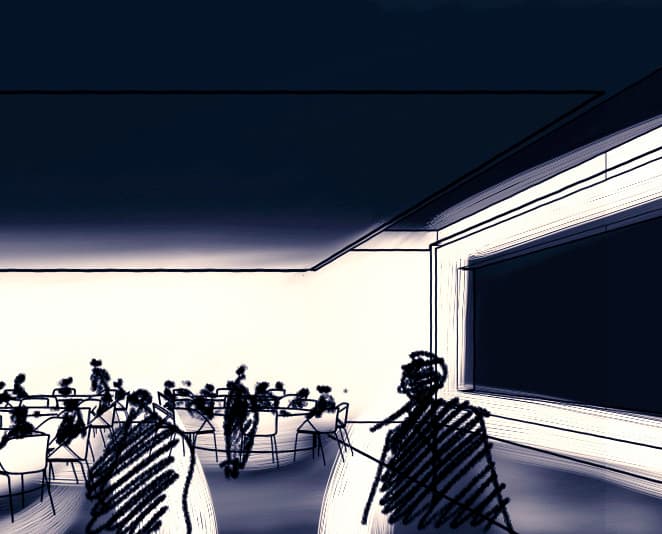
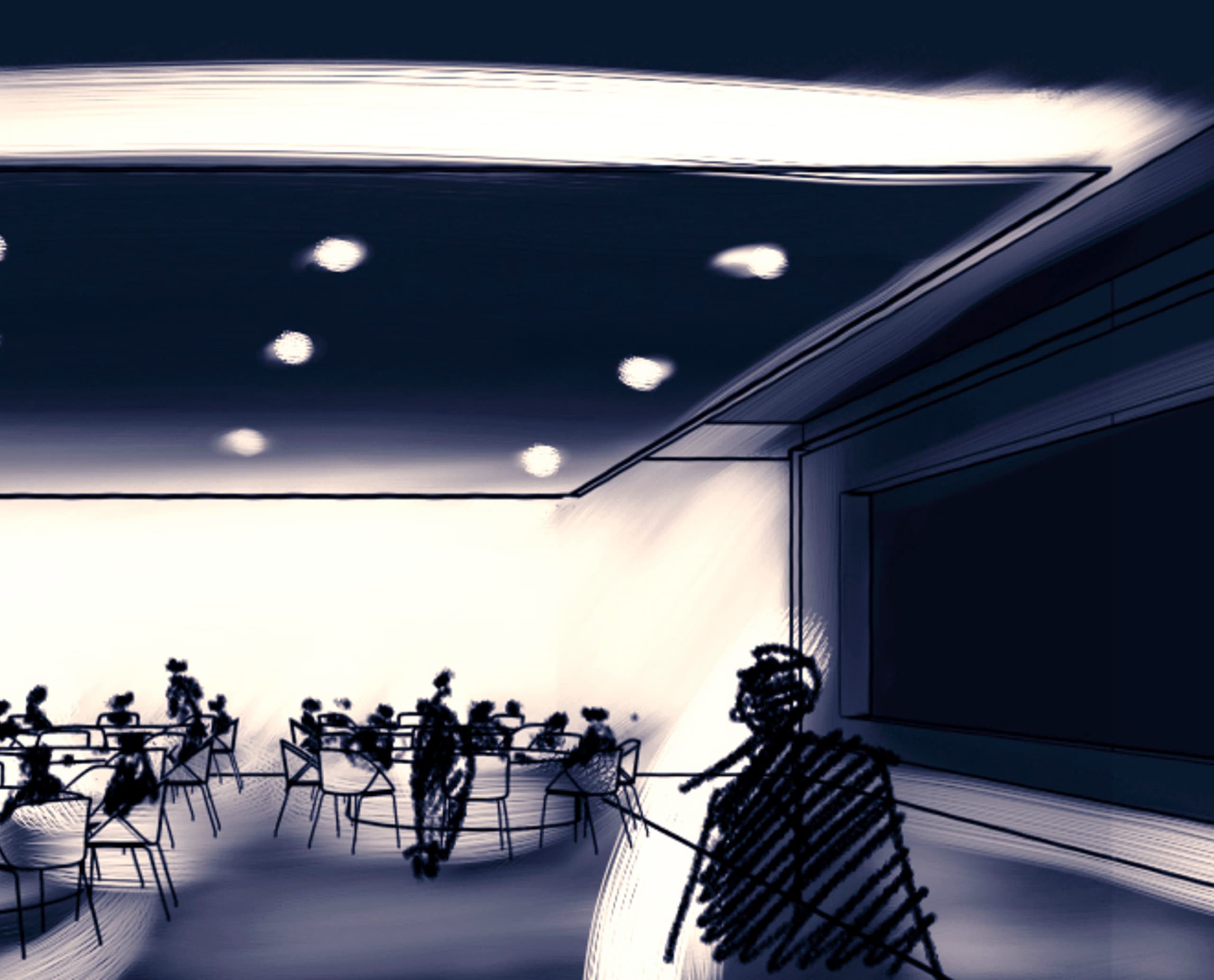

Spatial staging complete!
The most important points
- 1Carefully decide which axes, visual relationships, or materials light should emphasize — and what may recede into the background.
- 2Opt for indirect light via reflective surfaces when you want to create soft, glare-free general lighting in the workspace.
- 3Choose luminaires with tool-free interchangeable lenses so you can adjust the light distribution at the workstation flexibly and effortlessly.


Next lesson