
Energy-efficient lighting design: reduce costs, ensure quality
If you don't plan light with intention, your architecture will fall short of its potential.
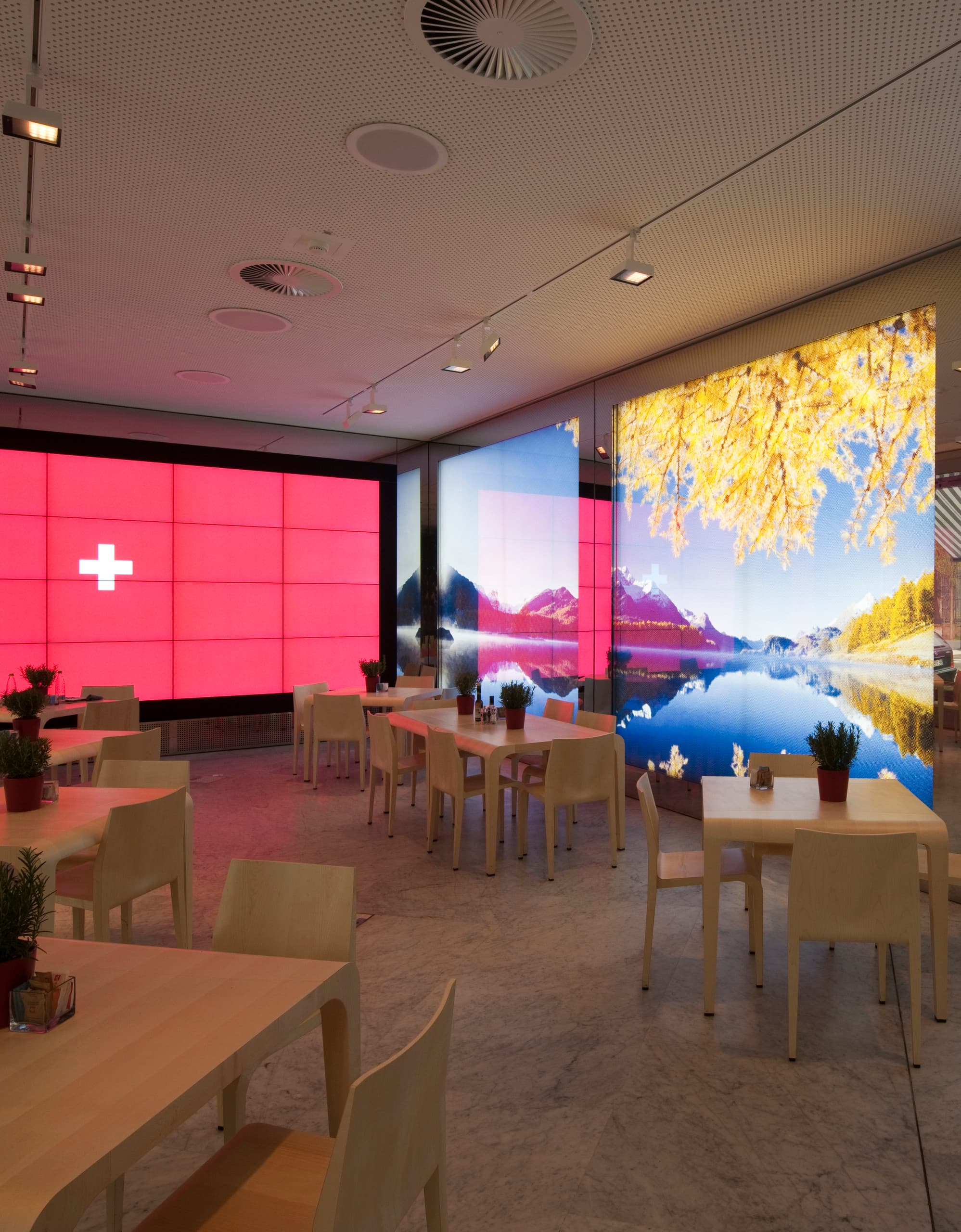
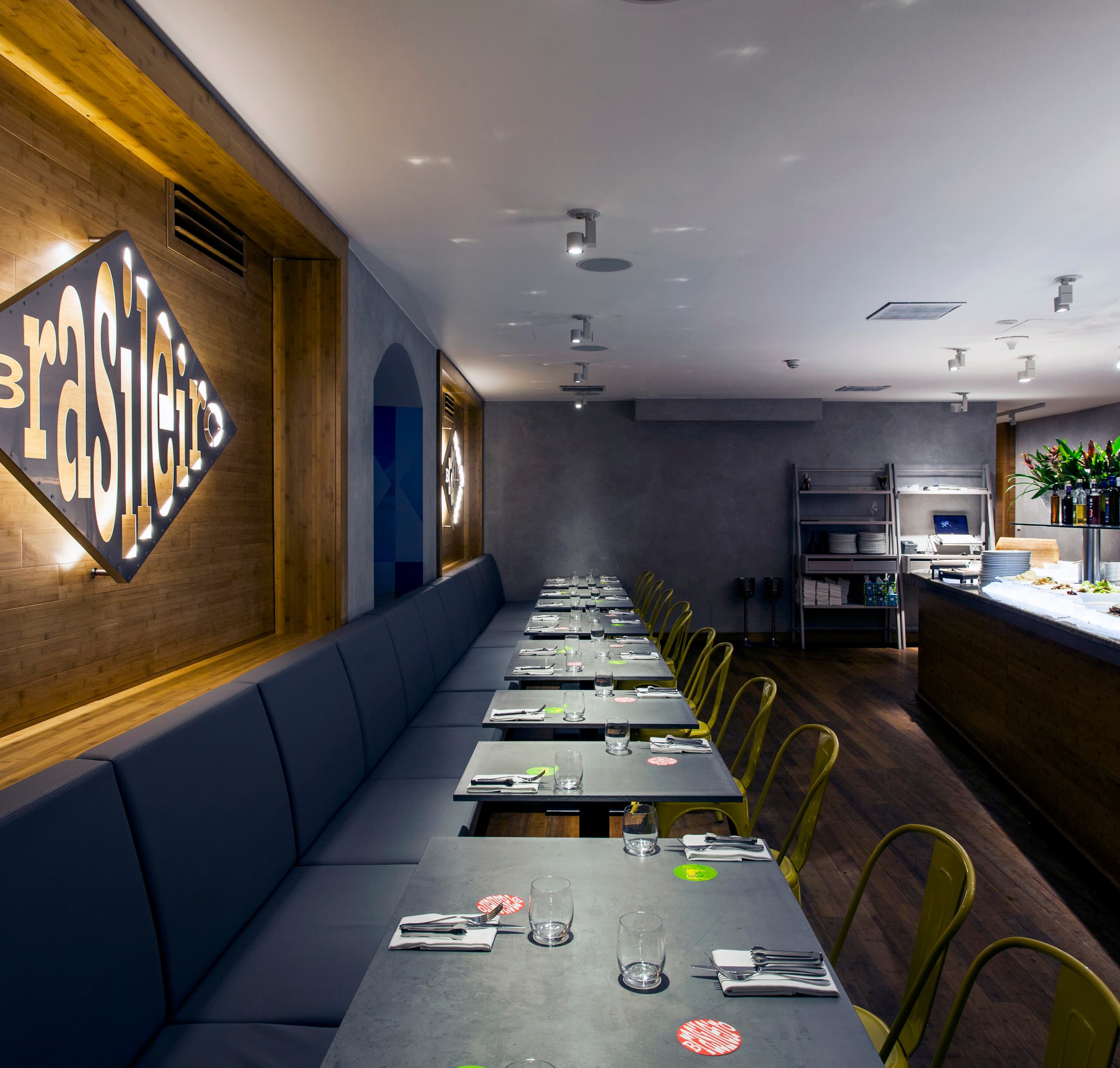
Uniform light without hierarchy makes spaces look flat. It robs them of depth, contrast, and orientation. Materials lose their expression. So show examples of spaces with different lighting effects.
Describe what light changes:
- how it guides the eye,
- the atmosphere,
- the plasticity, and
- the quality of the space.
Ask your clients questions!
Good light in the project
- Are there specific requirements for glare control, contrast, modeling, and color rendering?
- Where do you need especially good visual comfort?
- Goal: a shared understanding of lighting quality
A good lighting designer can answer these questions clearly, concretely, and vividly — not only technically, but also in terms of images and effects.

Functionally lit is not the same as designed
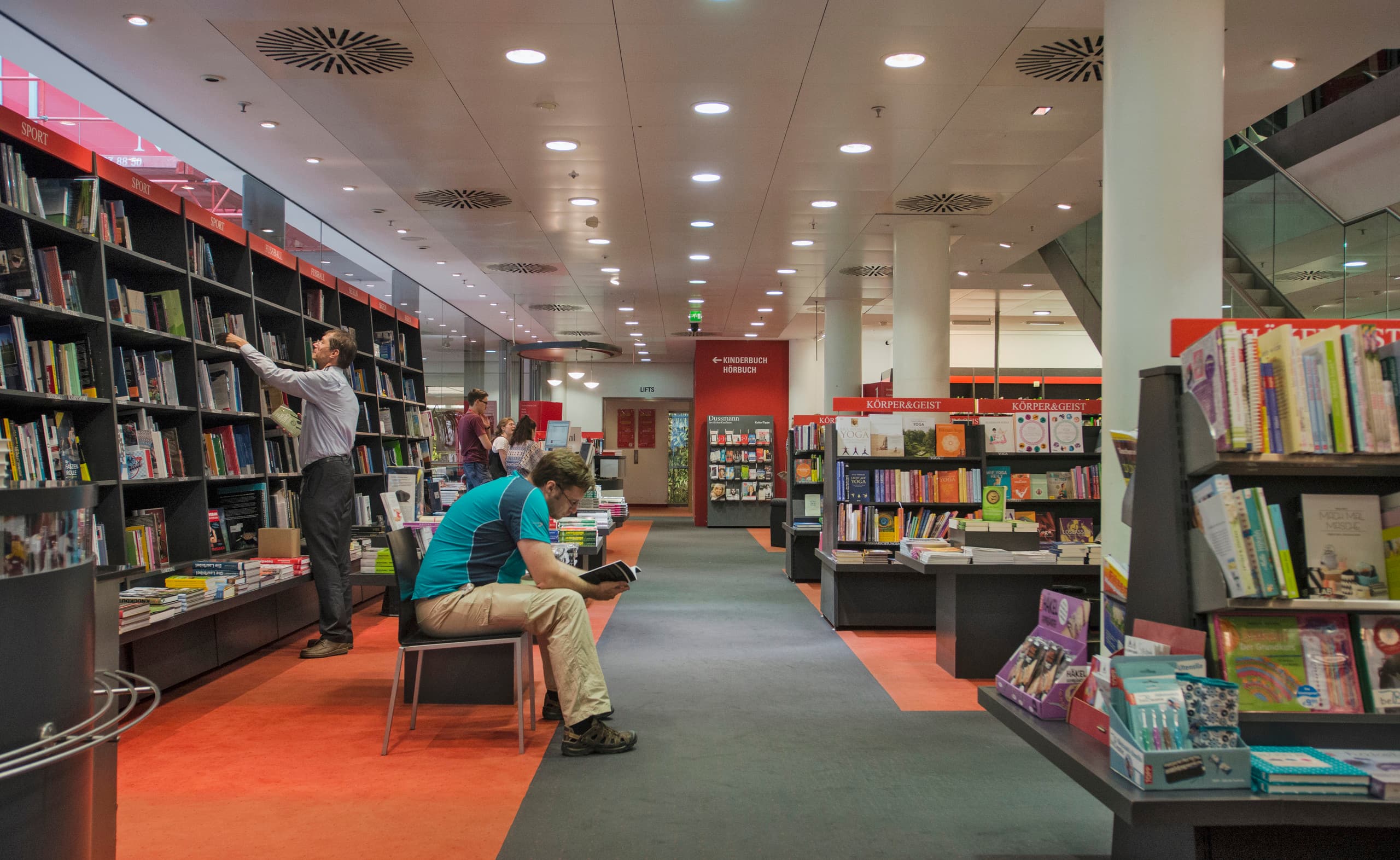
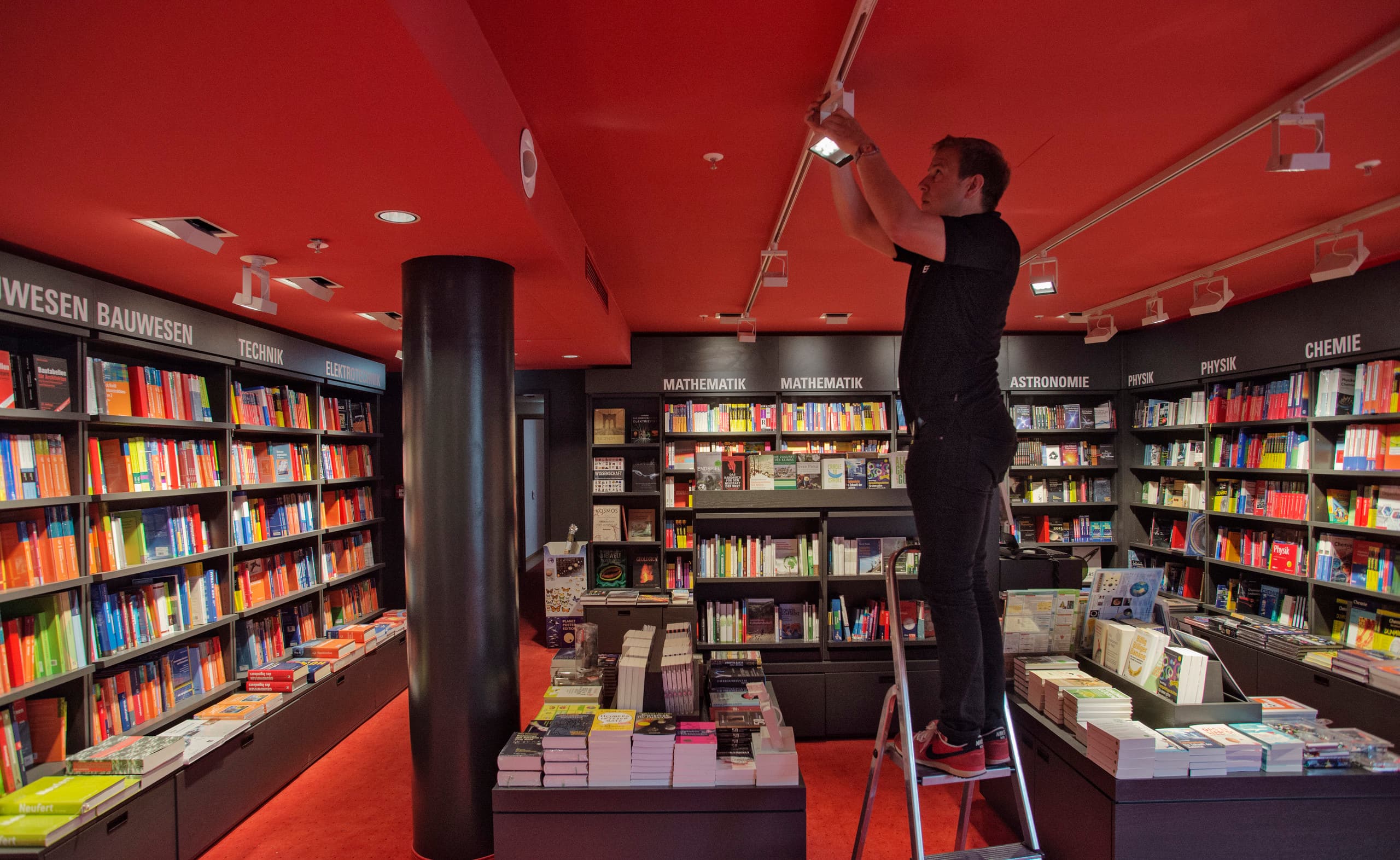
Functionally lit does not mean that something is also designed. Make sure your architecture achieves more than merely fulfilling its function. Plan the light with intention and develop it to support the space, its use, and its furnishings. Avoid uniform light without hierarchies. It merely makes spaces look flat, robs them of depth and contrast, and makes materials seem interchangeable. Only when light reveals them in a differentiated way do stone, wood, textiles, or glossy surfaces unfold their quality.
Directional light models forms. Soft light creates general lighting. Accents guide the eye and give the space a clear order. Show your clients examples of spaces with different lighting effects. Compare a scene that is lit indiscriminately with a carefully differentiated lighting solution.
Actively describe what changes. Where does orientation arise? Which surface defines the space? Which materials gain in expression? Which focal points lead through the architecture? Make it clear that light does not work in isolation. Only in interplay with proportions, surfaces, furniture, and use does it unfold its quality.
A dining table needs different lighting than a wall surface. A work zone calls for different contrasts than a place to retreat. Light can turn a sculpture, a shelf, or a seating group into a spatial anchor. This is how lighting design becomes the shaping of perception. It makes architecture legible, strengthens the atmosphere, and creates spaces that not only function but can be experienced. Spaces for well-being.
Lesson complete—keep it up!
The most important points
- 1Avoid uniform light without hierarchy—it makes spaces look flat and materials seem interchangeable.
- 2Combine directional light to model forms with soft light for general brightness, making the space and its materials visible in a differentiated way.
- 3Show your clients before-and-after comparisons to make the difference between blanket and carefully differentiated lighting tangible.


Next lesson