ERCO Case Study: Lighting Australia's premier visual arts institution
June 2026 Case Study
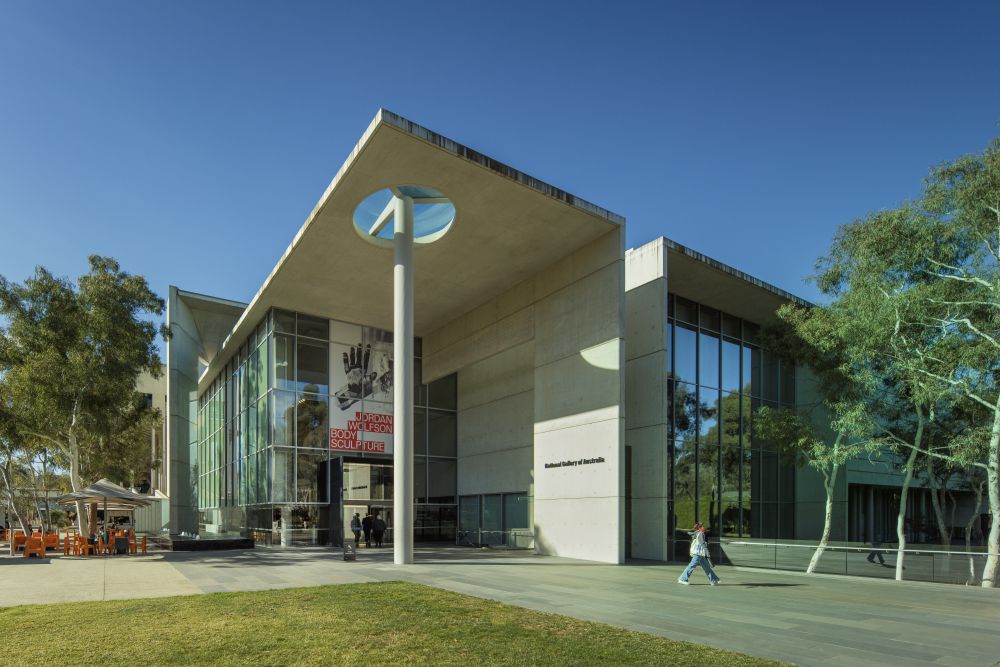
The National Gallery of Australia, Australia’s flagship visual arts institution, spans a three-hectare site within Canberra’s Parliamentary Triangle. It houses a vast collection of art across multiple levels of permanent collection space and temporary exhibition galleries. The heritage listed building, designed by award winning architect Colin Madigan AO, is an excellent example of Brutalist architecture. Construction began in 1973 and the gallery officially opened in 1982. It is currently undergoing a significant capital works improvement program.
Timely technical update
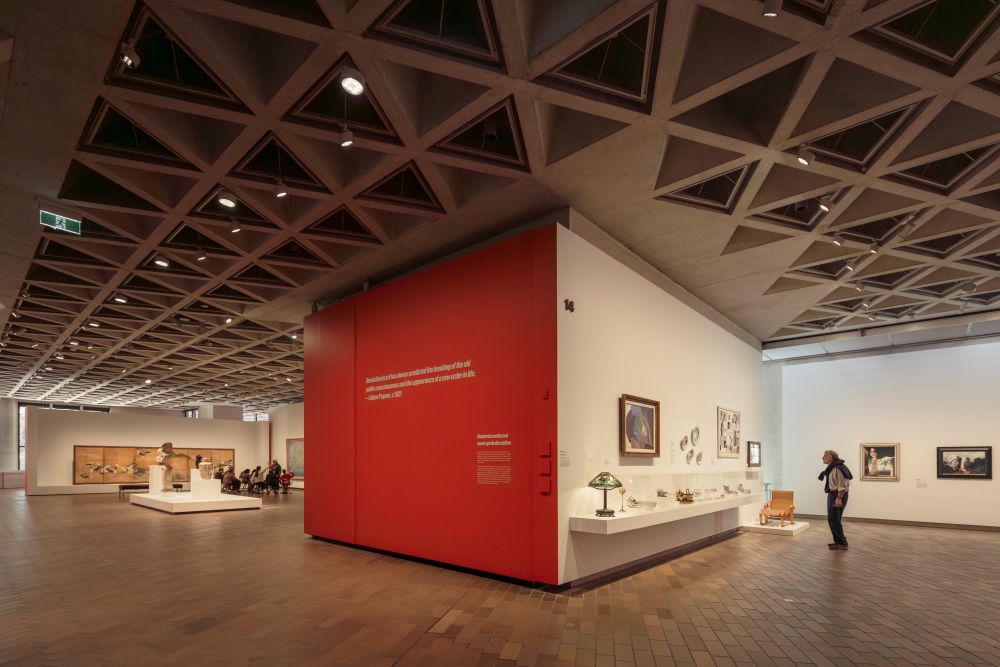
Despite being just one element of the overall infrastructure upgrade, updating the lighting was critical to both the visitor experience and conservation of the diverse collection. It involved replacing ageing halogen lighting technology with modern LED solutions throughout key gallery spaces, a professionally designed transition to a more sustainable, flexible and conservation-focused lighting system. New lighting also ensured improved light quality, energy efficiency and long term operational improvement.
Taron Scholte, National Gallery of Australia
"The National Gallery of Australia recently completed a complex gallery-wide LED lighting upgrade. This project represents a significant technological leap, seamlessly integrating form and function into an intricate heritage-listed building.
The upgrade revitalised the country’s second most valuable cultural asset, injecting new life into the galleries. Custom lighting and infrastructure now illuminate them, propelling the NGA into the 21st century and offering Australians a fresh perspective on thousands of years of art."
Unique project challenges
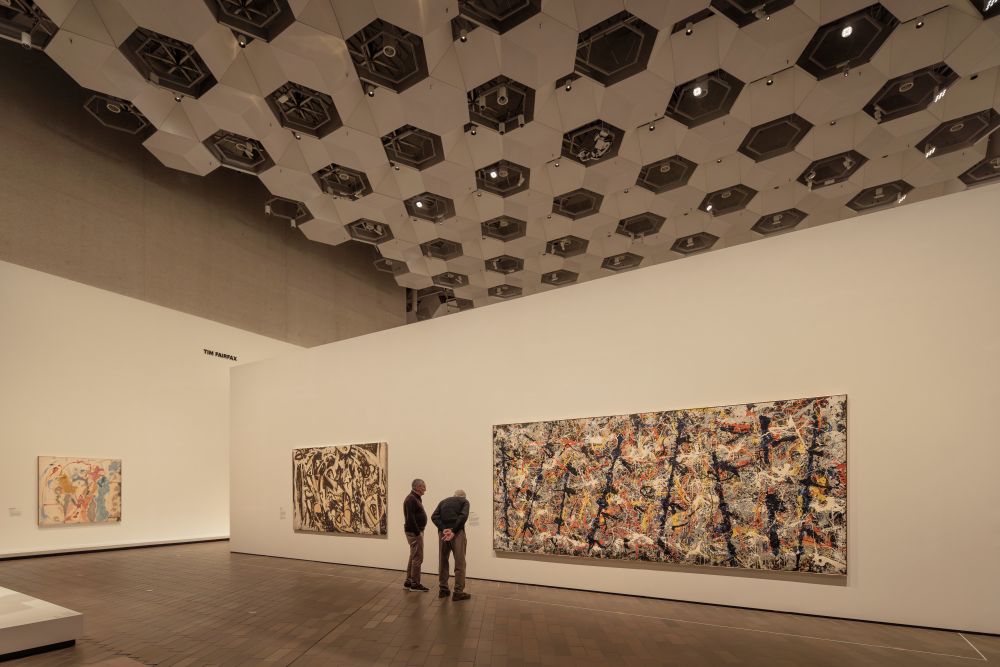
Jackson Pollock — Blue Poles (Number 11, 1952)
Existing NGA halogen lighting had reached the end of its service life. The maintenance burden was increasing, changing lamps was disruptive, the cost of operating the older lamp technology was unnecessary, and the combination of heat generation and UV and infrared emissions posed on-going conservation risks to the collected works. The Gallery commissioned lighting designer Steensen Varming to advise on the lighting upgrade.
Steensen Varming elected to work with ERCO products and local ERCO Channel Partner, Integral Lighting. New LED technology promised museum-grade standards of colour rendering and visual comfort, with an infrastructure platform that could be installed within the existing architectural structure and with minimal disruption to the on-going operations of a high-profile public institution. No rewiring or dedicated control panels were required for the new lighting to be installed.
Luminaires that provide precision and flexibility
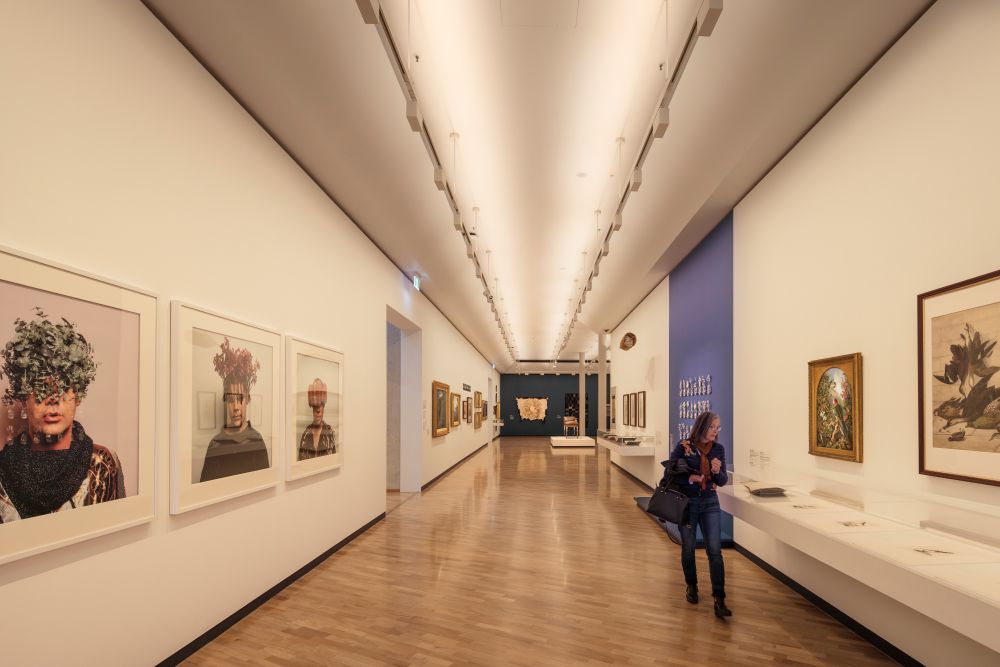
ERCO's track-mounted LED lighting system provides the precision, flexibility and performance required by a gallery of NGA's calibre. Interchangeable optics and individual dimming allow for precise beam control for individual works, ensuring the curatorial team can deliver a viewer experience free from glare or spill light. Track mounting enables luminaires to be re-located, re-aimed or supplemented as exhibitions evolve, without electrical modification.
Finger tip lighting control
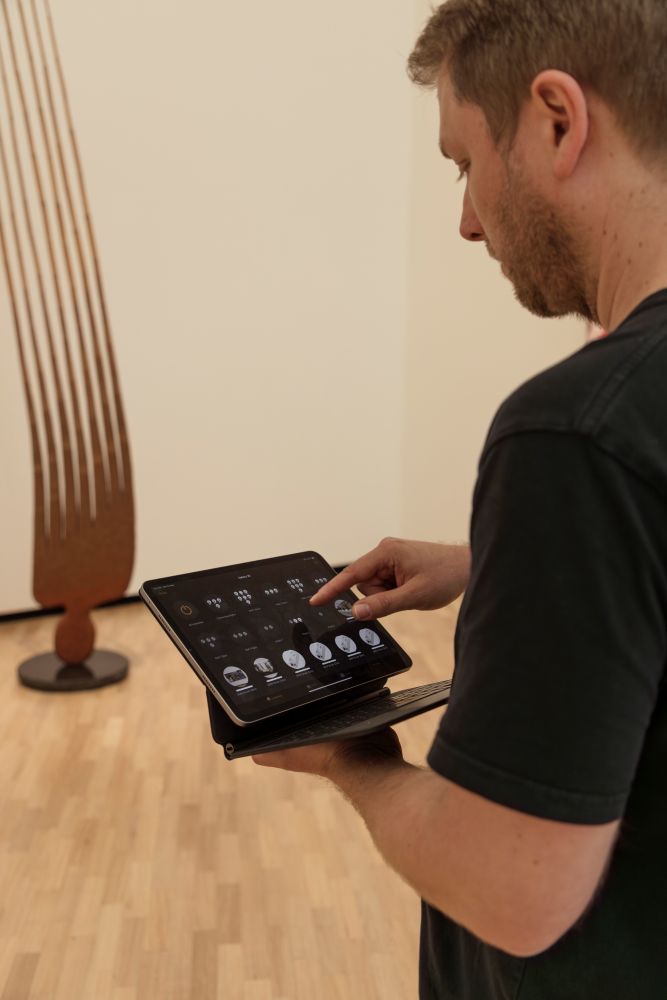
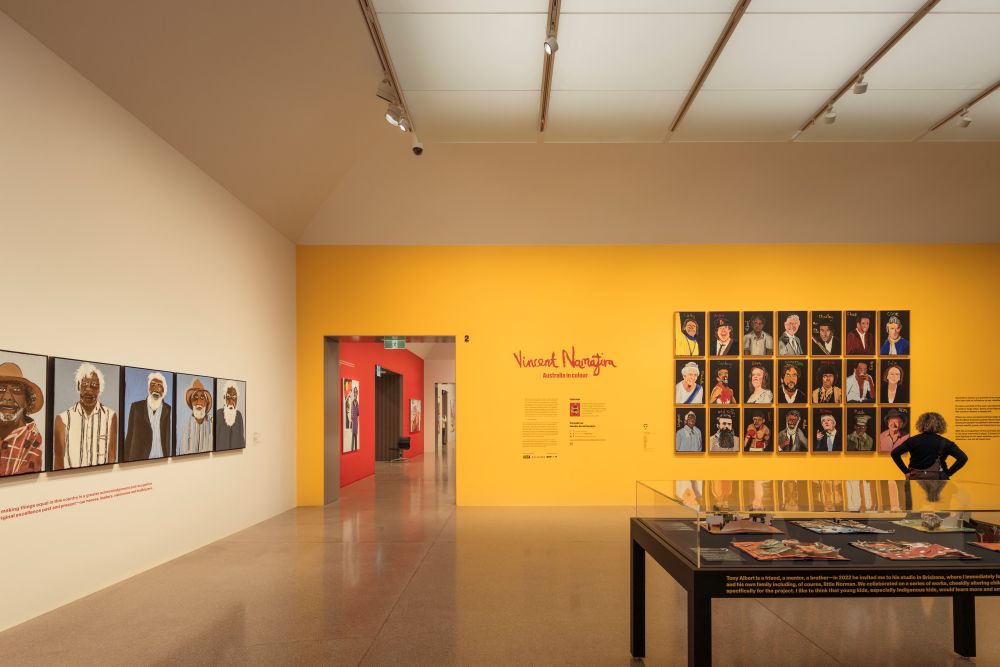
Casambi, a wireless lighting system operated from a mobile device, was used throughout the gallery. Individual luminaires can be controlled remotely, and groups of luminaires can be collected to control together. Scenes can be created, either to operate when triggered, to cycle throughout the day, or to be manipulated by a curator or presenter on demand. Because the entire system is wireless, fine tuning light levels, adjusting groups and switching between scenes can be done on the spot with the artworks visible to the operator. Not only does this simplify the workload for the gallery team, it also minimises interruptions to the public's access to the site.
The Conservation conversation
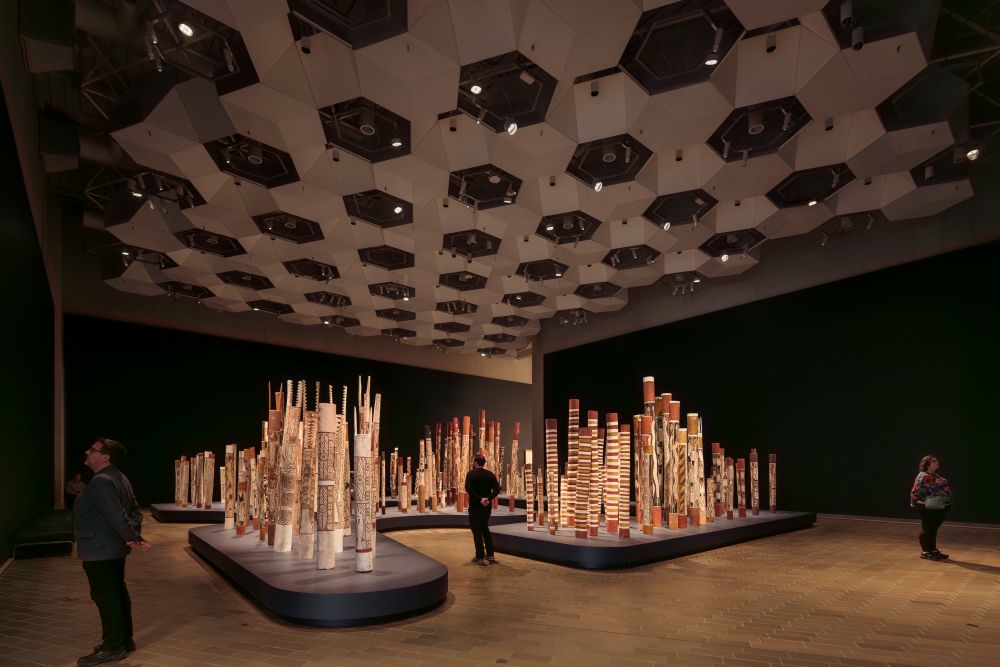
Ramingining artists, Djon Mundine, Bandjalung people, The Aboriginal Memorial, 1987–88, purchased with the assistance of funds from National Gallery admission charges and commissioned in 1987
Conservation was a primary consideration throughout this project. Transitioning from halogen to LED technology significantly reduced the risk of light-related damage to artworks by eliminating UV and infrared radiation. The lighting system also offers precise control over illuminance levels, managed wirelessly via Casambi. This allows curators to tailor lighting conditions to suit the conservation needs of individual works and exhibition types, storing those settings as recallable scenes. This confidence ensures sensitive artworks can be displayed while adhering to appropriate conservation standards.
Exit through the gift shop
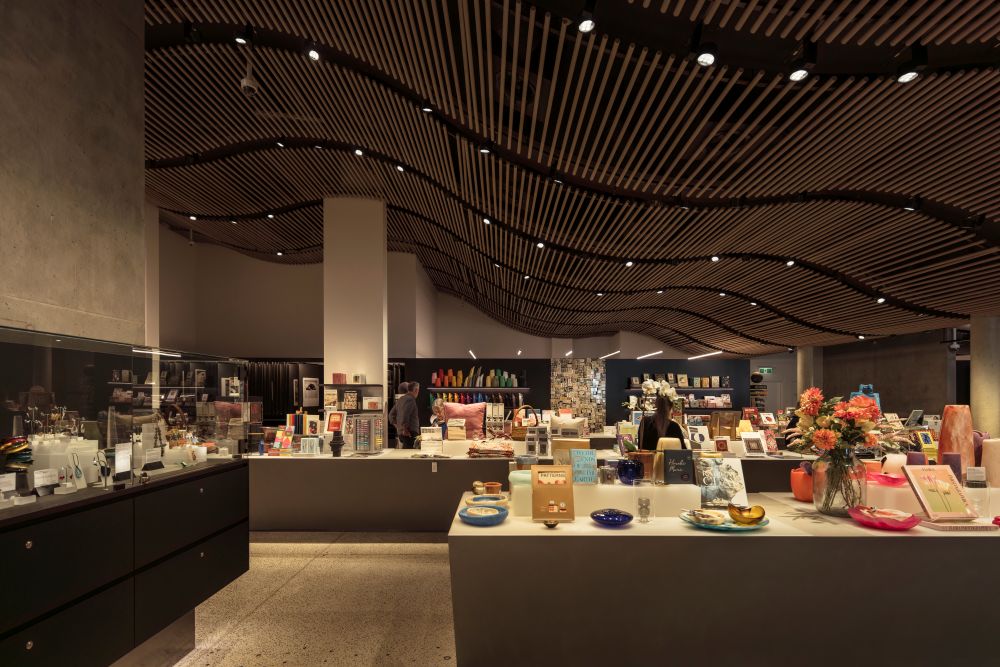
Retail at a gallery or museum is a fun opportunity for visitors to take their experience home, and also an important source of additional revenue for the institution. NGA extended their investment in quality lighting to the NGA Art Store, with ERCO Optec spotlights recessed into channels in the sculptured ceiling. Correctly aimed, the lighting places emphasis on the merchandise and helps visitors navigate the store.
How does the ERCO AAA story apply?
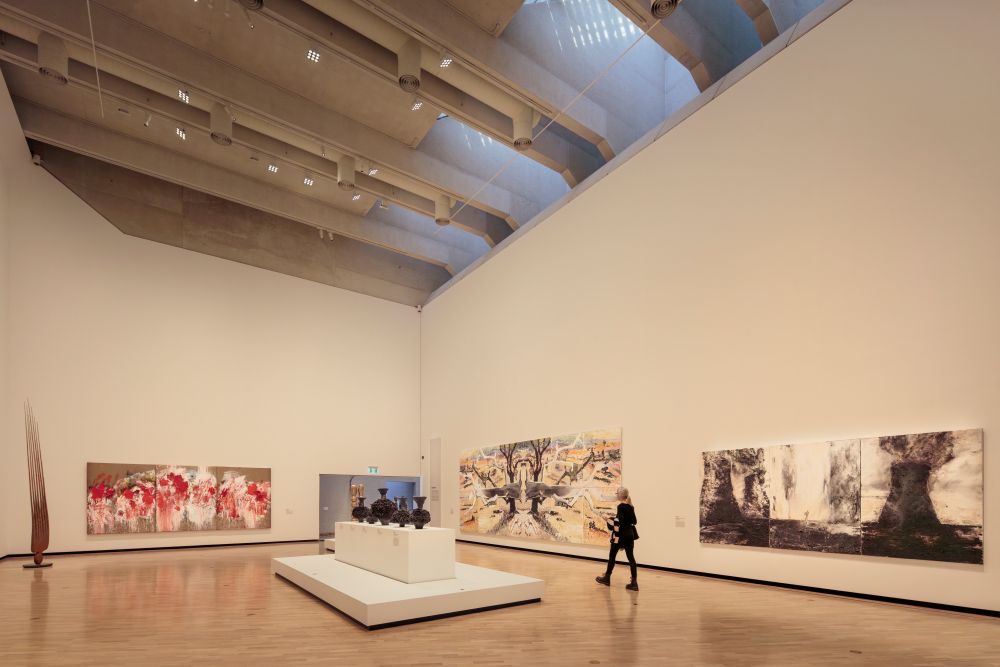
The ERCO AAA Story refers to the three purposes of light: to enhance Architecture, aid Activity, and create Atmosphere. Representing ERCO Channel Partner, Integral Lighting in Canberra, Daniel Clayton explains that the lighting solution for NGA was created to complement the iconic Brutalist architecture, to enhance the experience of the visitor in viewing and interacting with the art, and to ensure a world-class immersive gallery environment.
National Gallery of Australia
Opened by Queen Elizabeth II in 1982, the NGA in Canberra is Australia's second most valuable cultural asset and an iconic visitor destination in Canberra's Parliamentary Triangle.
Steensen Varming
With Danish roots and a global presence, building services consultancy Steensen Varming specialise in mechanical and electrical engineering, lighting and sustainable designs that enhance spatial design.
Integral Lighting
With over a decade of experience in the commercial lighting industry, the Integral Lighting team contributed product and technical support to the NGA relighting project.
Jadecross
ERCO NSW Channel Partner Jadecross also worked closely with the Steensen Varming team on the NGA lighting design.
Built Australia
Built Australia, head contractor on the NGA capital improvement works, is a national contractor seeking to leverage investment in innovation and industry expertise to deliver better outcomes for cities, precincts, and communities.
Next Electrical Technologies
Next Electrical Technologies was created by three experienced electricians in 2015 and has built a great reputation in the ACT based on project delivery, communication, organisation, honesty and expertise.
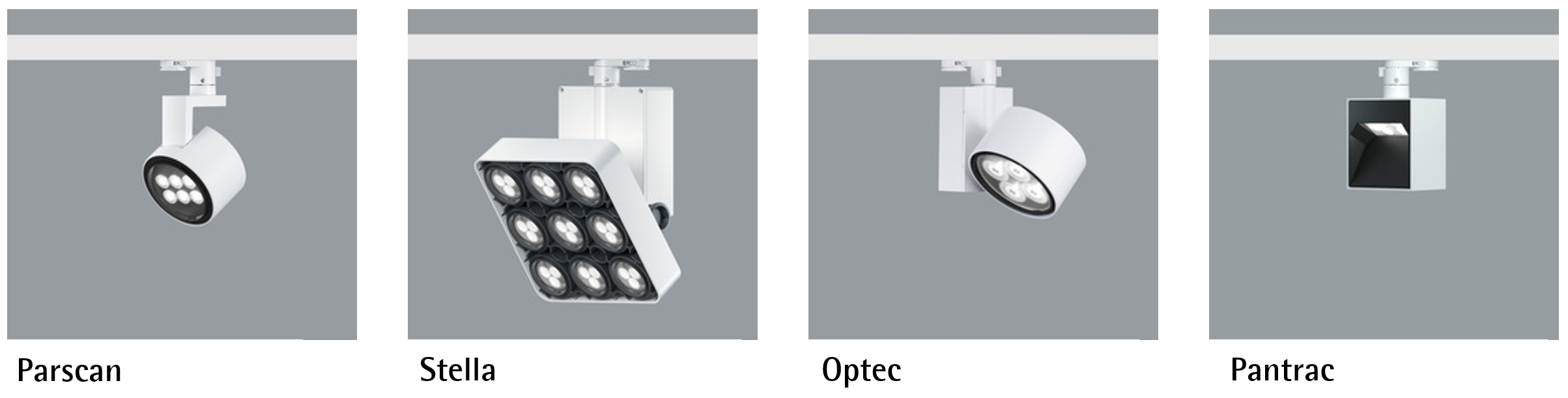
Lighting Designer: Steensen Varming
Channel Partners: Integral Lighting | Jadecross
Contractor: Built Australia
Electricals: Next Electrical Technologies
Photographer: Jackie Chan
How can we support you?
Allow us to approach your new project together.
Return