
Lighting design means directing perception
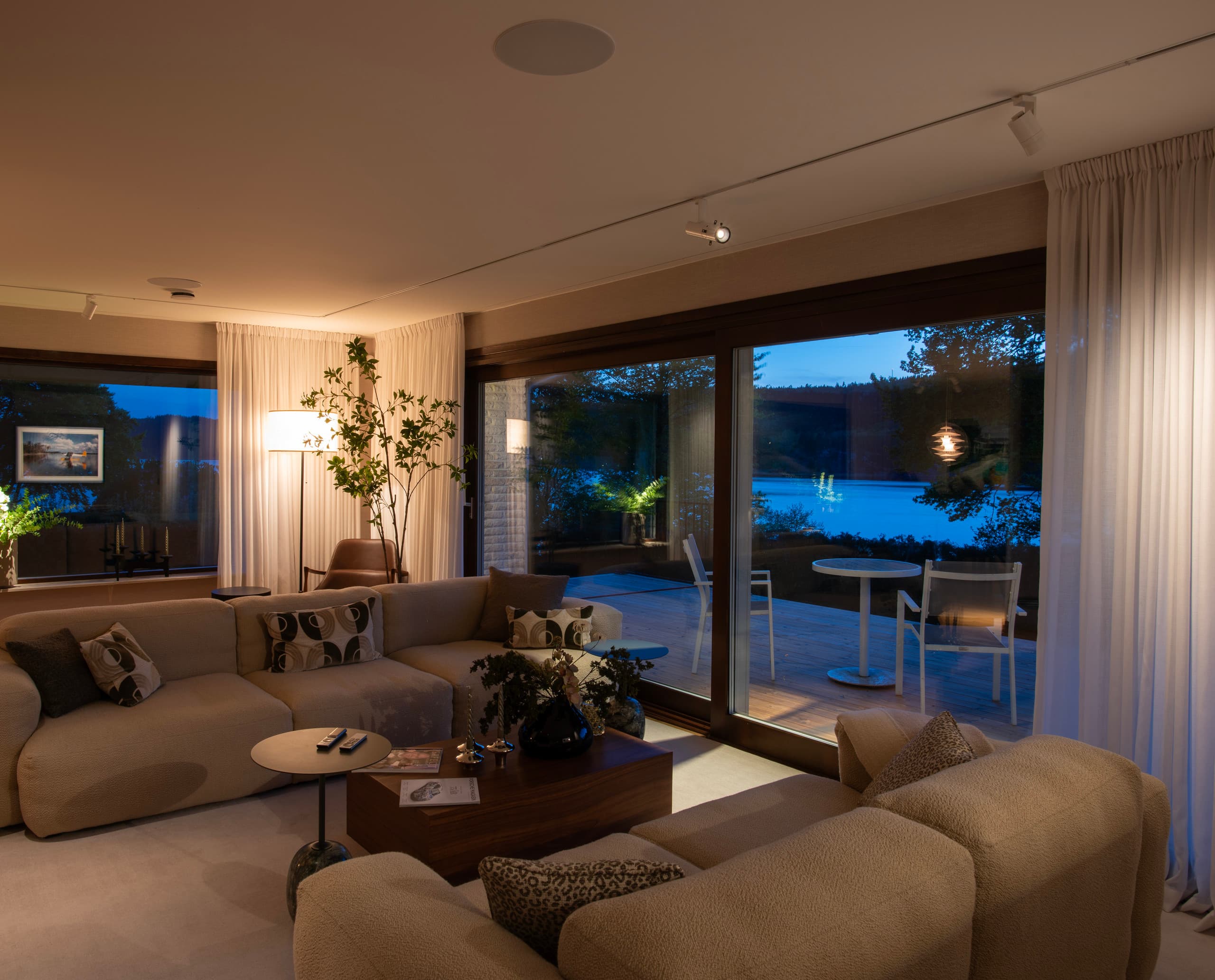
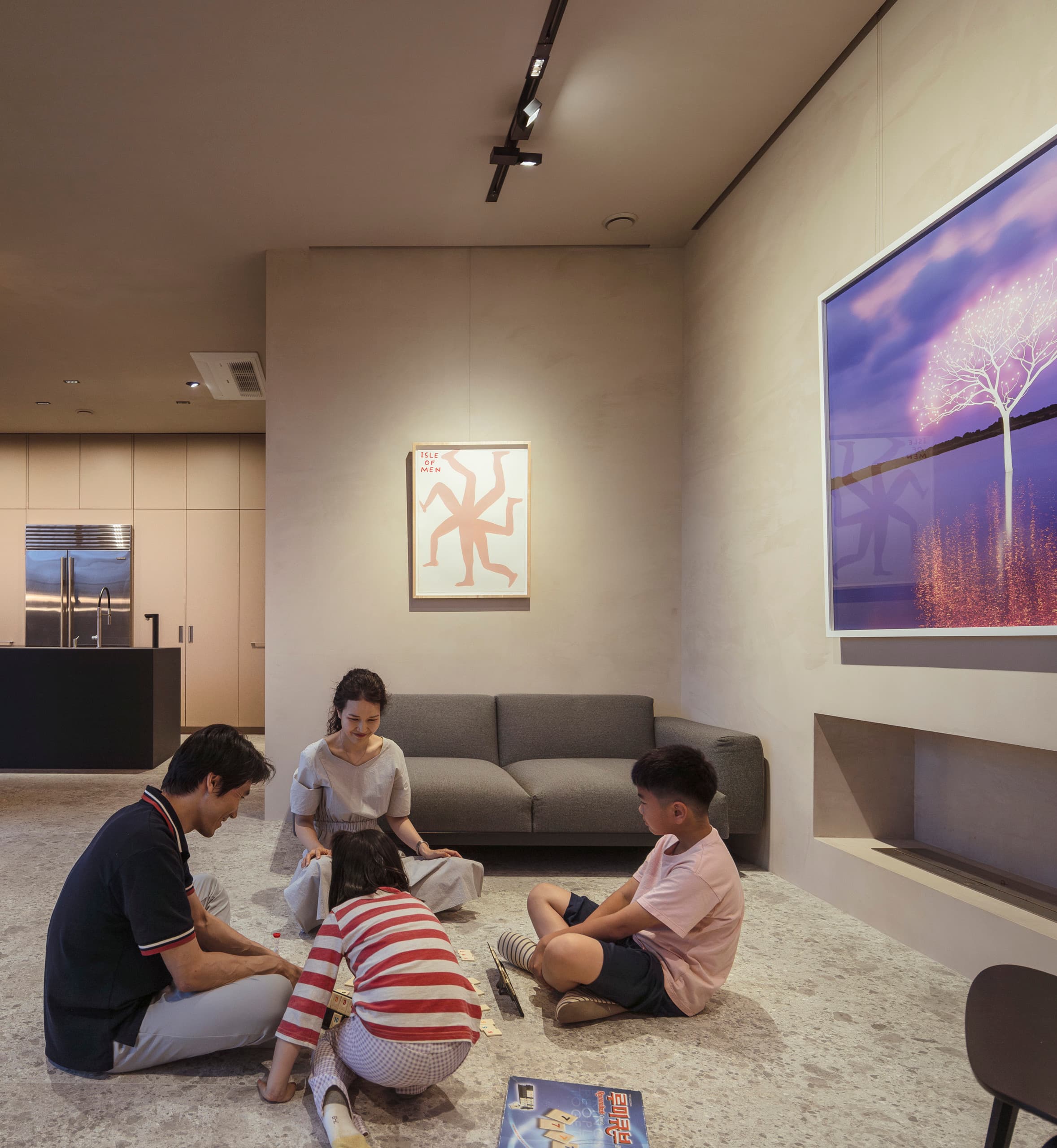
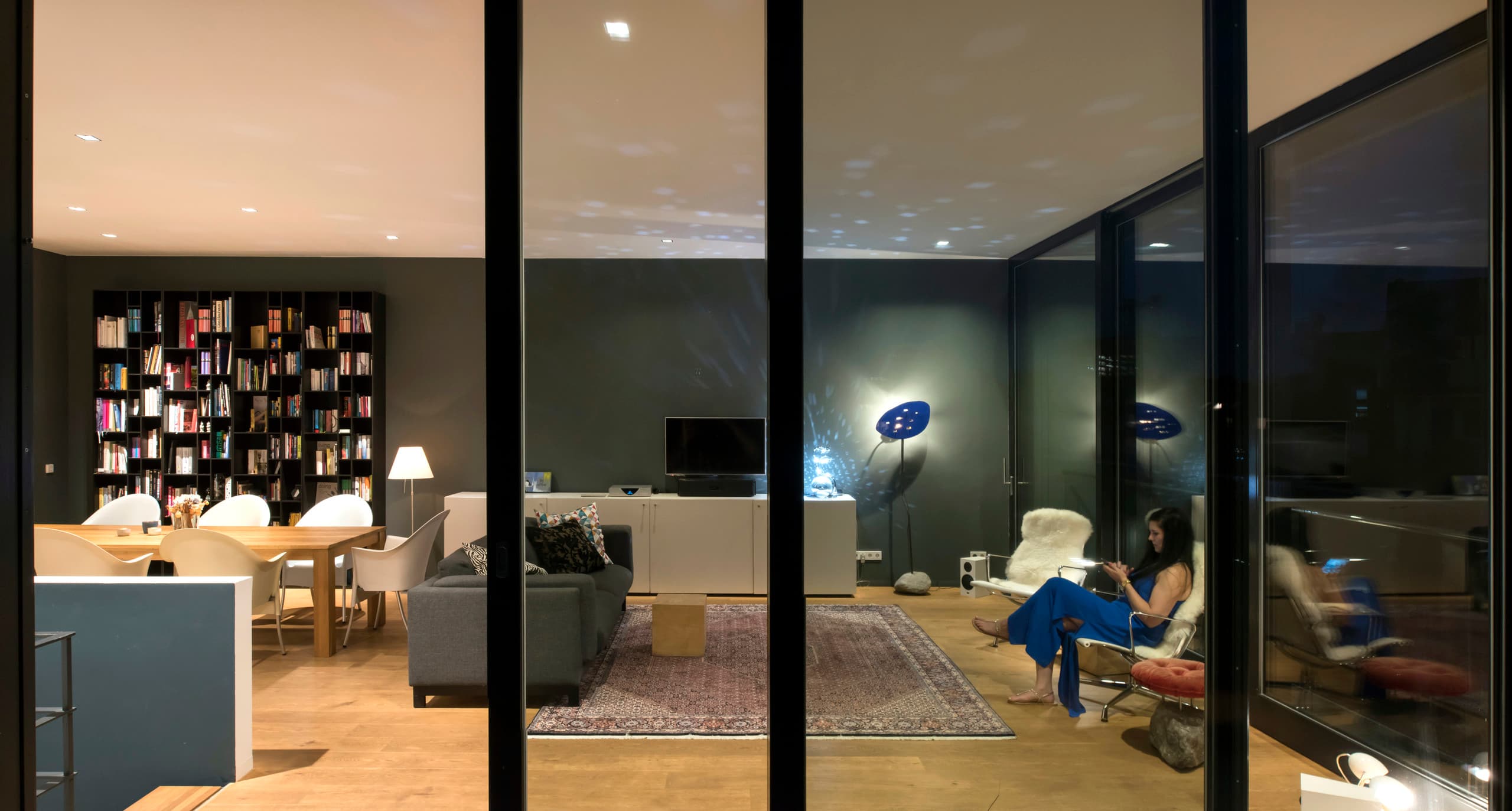
Reveal your architecture through light. Structure spaces, direct attention, and create atmosphere. Good lighting design does not begin with luminaires but with the question: "What is meant to be perceived?" Create different atmospheres — prestigious, functional, or emotional. Develop a visual hierarchy together with your clients.

Ask your clients the right questions!
Clarify the target vision and perception
- What is meant to be seen and experienced?
- Are there references or examples for the desired effect?
- Goal: a shared understanding of visual hierarchy
Good lighting design can answer these questions clearly, concretely, and vividly — not only in technical terms, but also in images and effects.
Introduce your clients to the basic types of light.


Experience light with your clients!
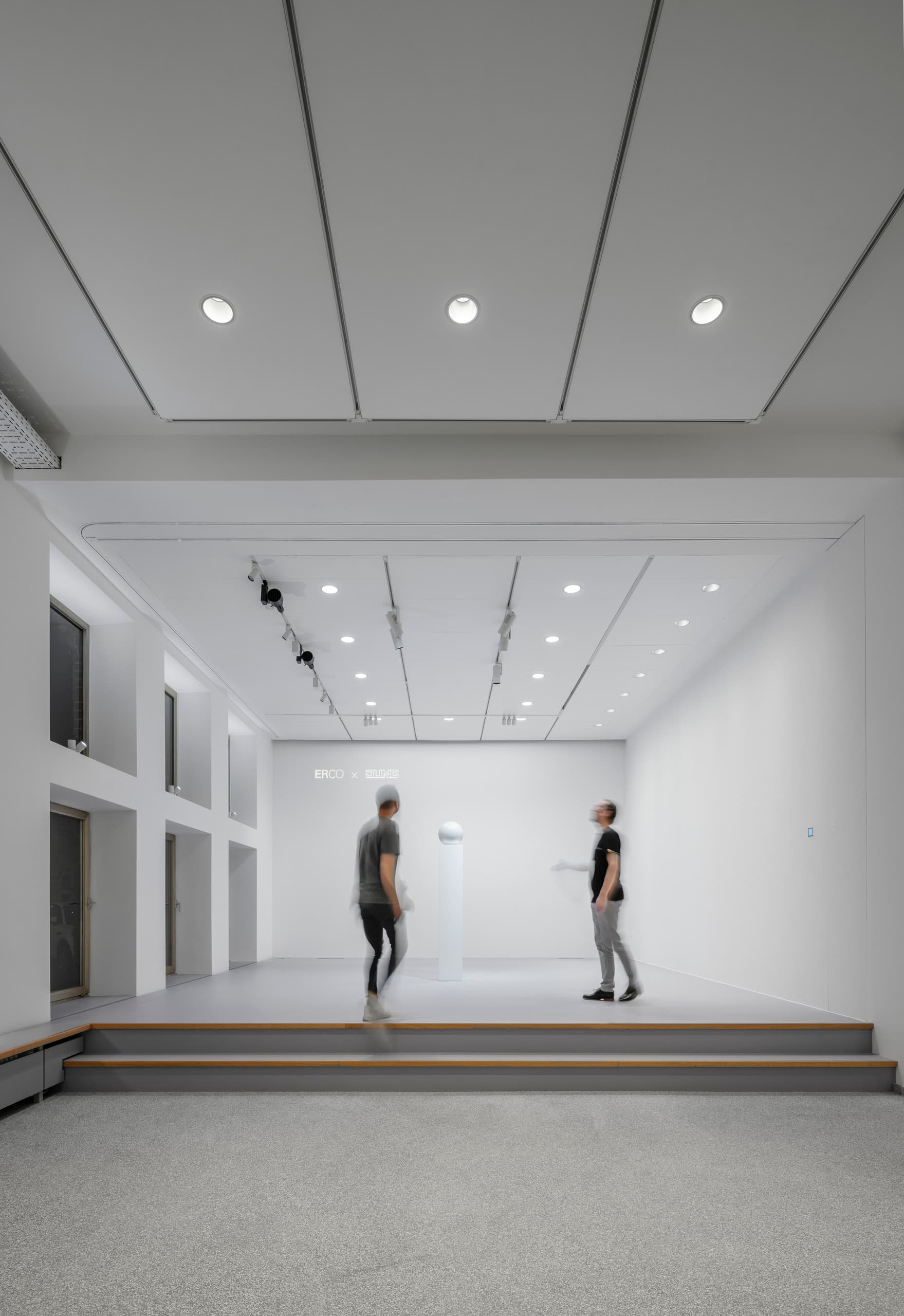
Experience "light instead of luminaires" live in the showroom. The showroom is divided into various (light) zones with presentation areas, experience areas, and meeting zones. The slightly raised area features the characteristic ERCO column with sphere. Here, the effect of light becomes very easy to grasp. In this mock-up area, you can experience the effect of different light moods directly, together with your clients.
This is where the interplay of light and architecture can be discussed convincingly.
- What atmosphere should be created? (prestigious, calm, functional, emotional, and so on)
- Which areas are visually important? (entrance, circulation routes, exhibits, work zones, and so on)
- Where should attention be specifically directed?
Lesson completed!
The most important points
- 1Analyze use, visual tasks, materials, and daylight incidence before planning the artificial lighting.
- 2Alongside general lighting, use accent lighting specifically to create a clear hierarchy of attention.
- 3Use brilliance effects and light reflections intentionally as a design element in their own right, not merely as a by-product of the lighting.


Next lesson