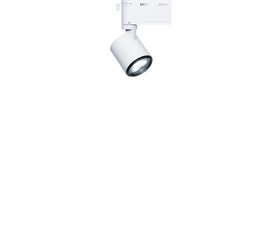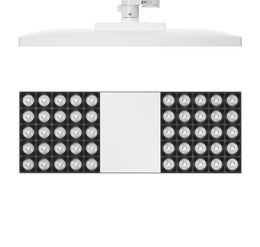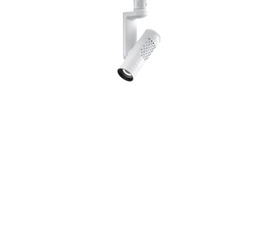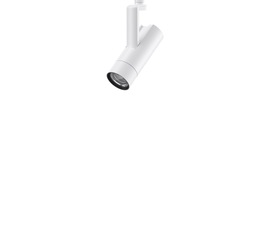
Precise lighting for art and the market.
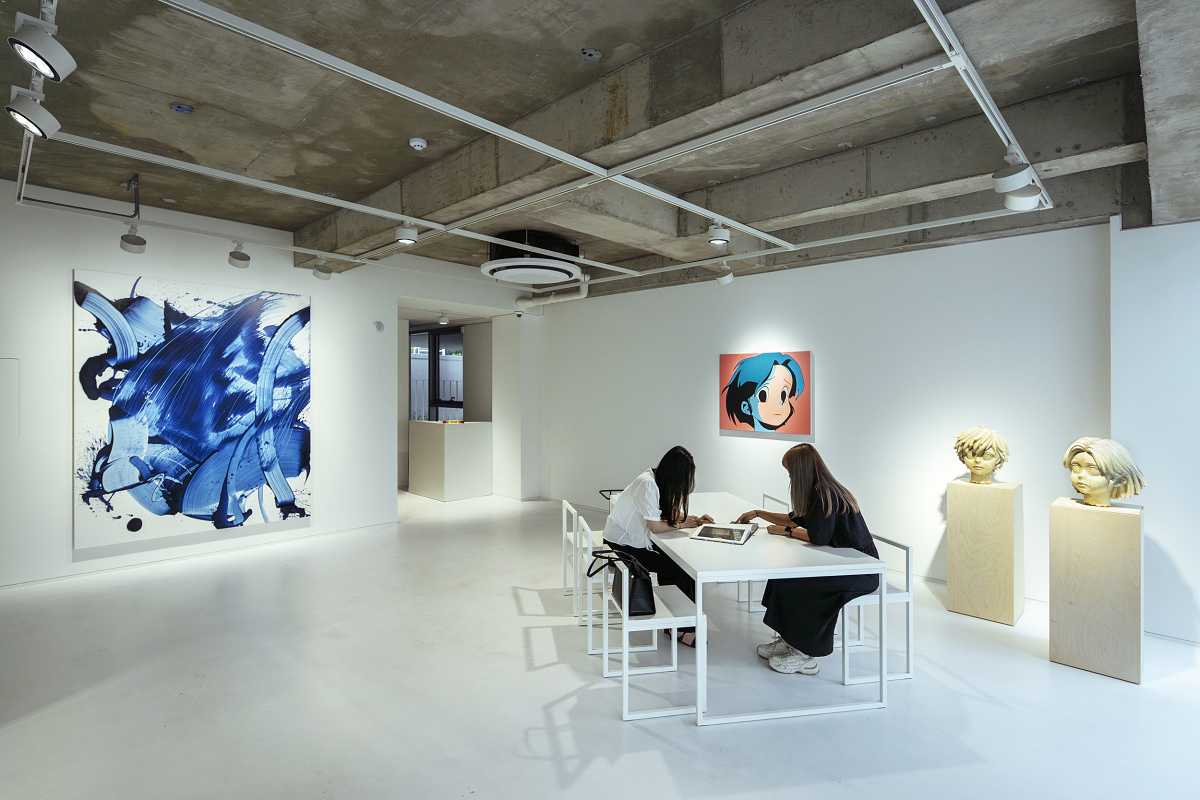
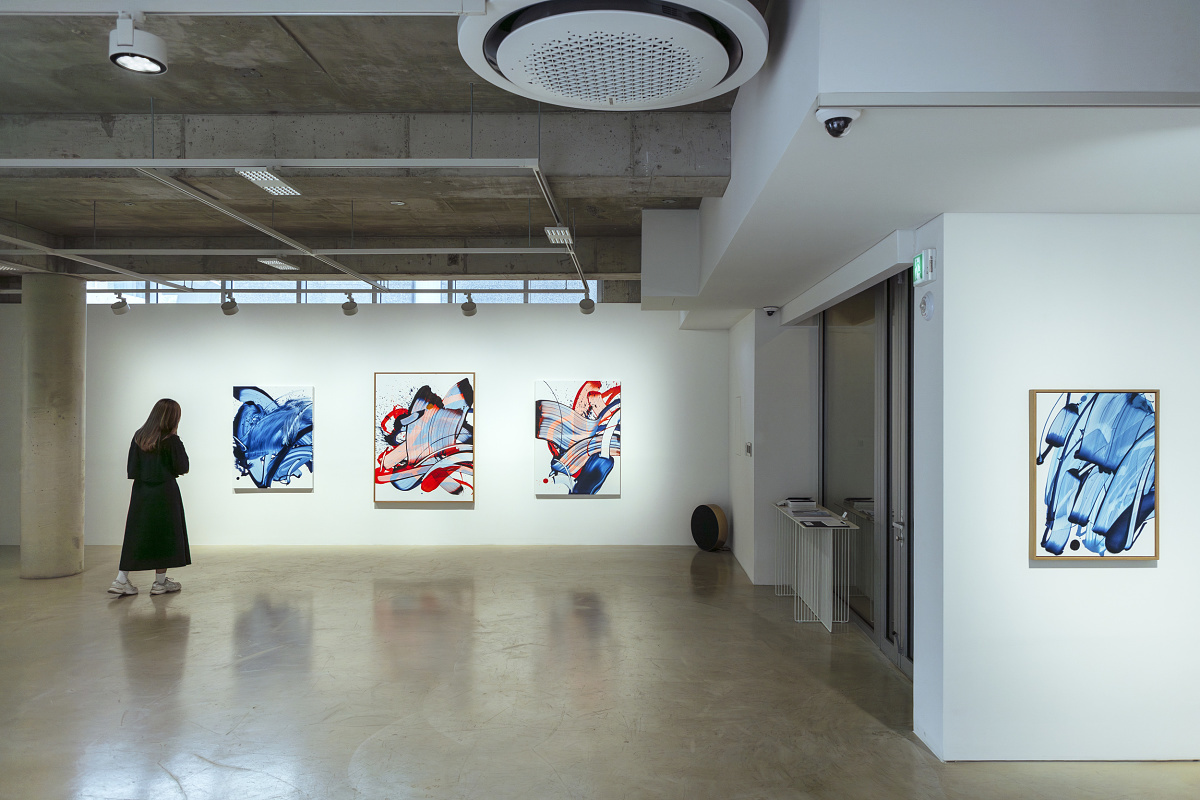
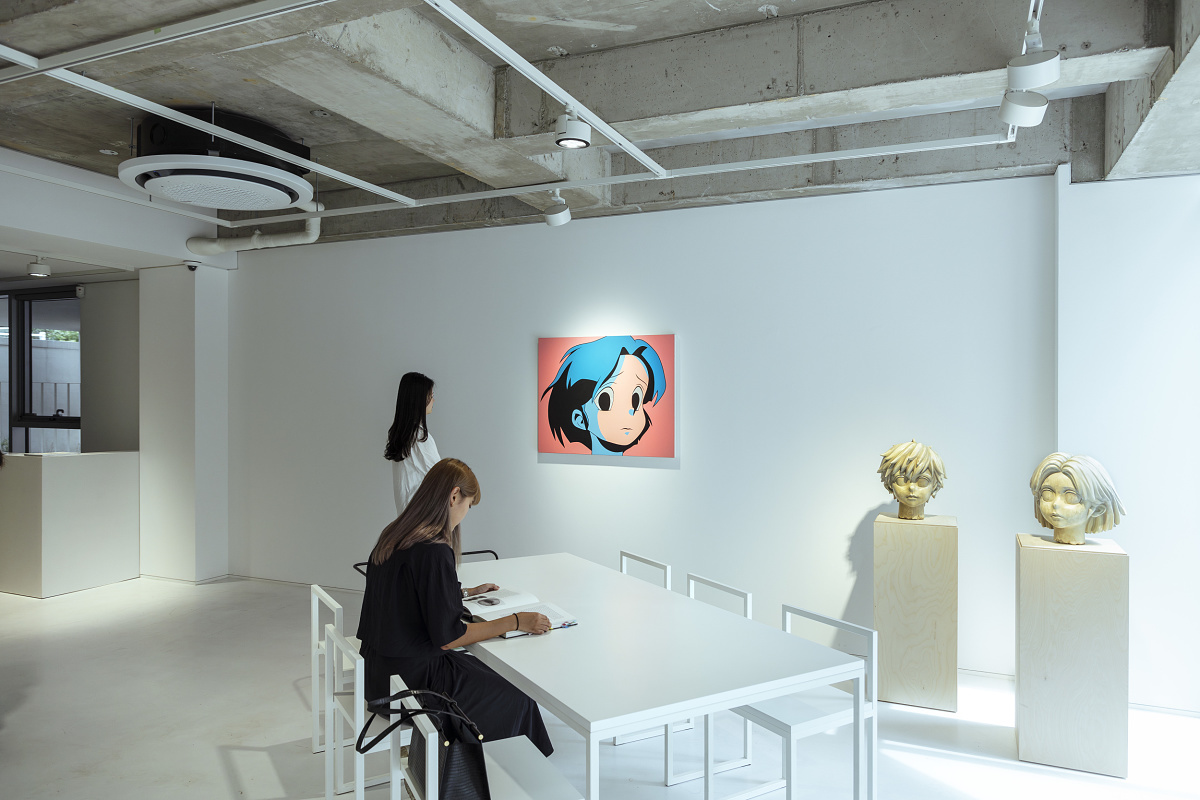
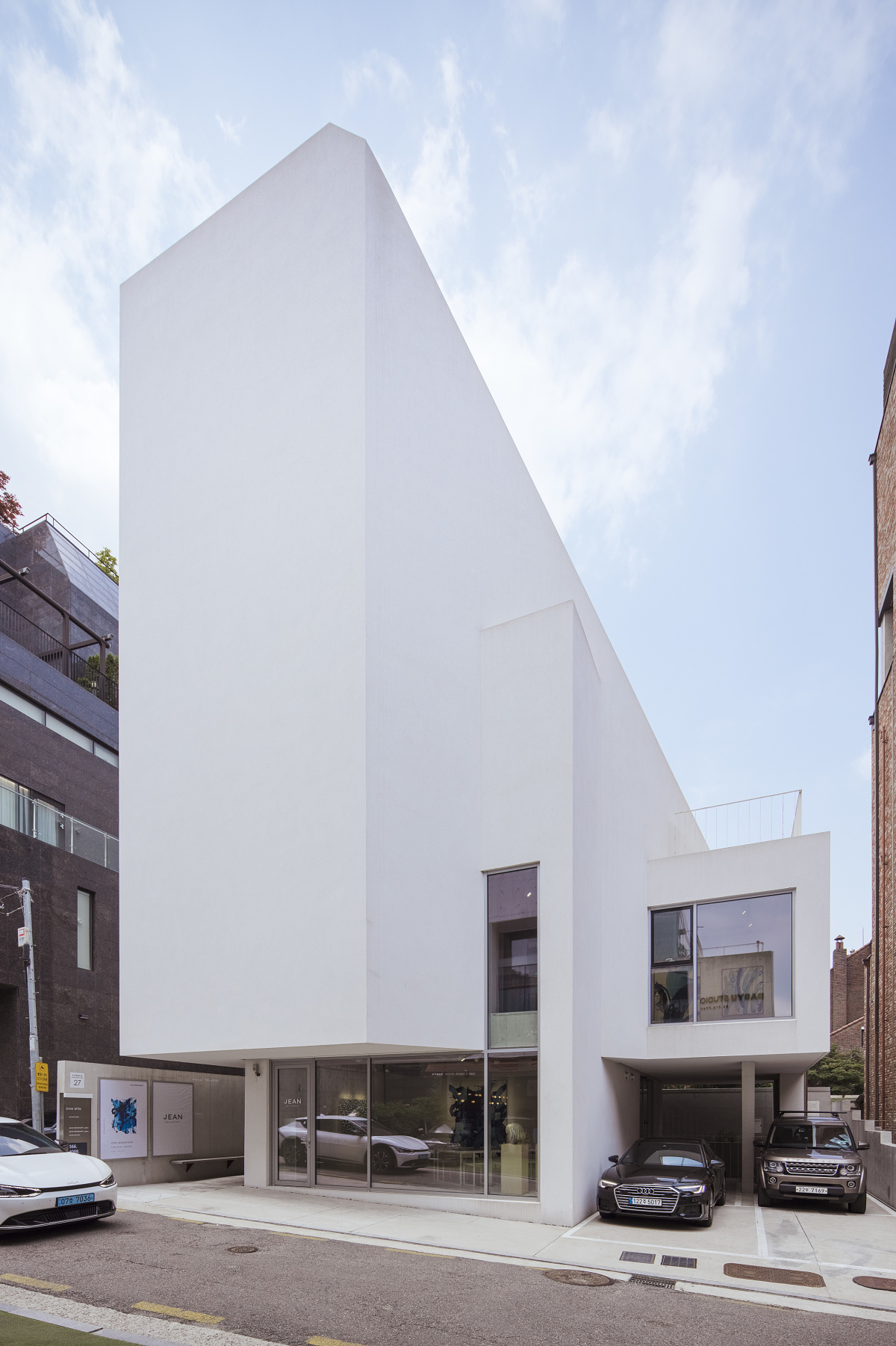
Set within the dense urban fabric of Seoul, the Jean Design Art Gallery establishes itself as a place of focus and clarity. The gallery is conceived not merely as an exhibition space, but as a platform for dialogue between art, design and collectors. Its architecture adopts a restrained, almost contemplative language: pared-back materials, clear geometries, and a deliberately choreographed sequence of spaces form the setting for the works on display. The central challenge lay in developing a lighting concept that does justice to this restraint, while at the same time presenting the artworks with precision and impact.
Light as a tool of curatorial expression
In commercial galleries, light takes on a dual function: it serves both the aesthetic staging and the sales-oriented presentation. At the Jean Design Art Gallery, light was therefore understood as an integral part of the curatorial strategy. The defining factor was a carefully balanced interplay of accent lighting and discreet general illumination.
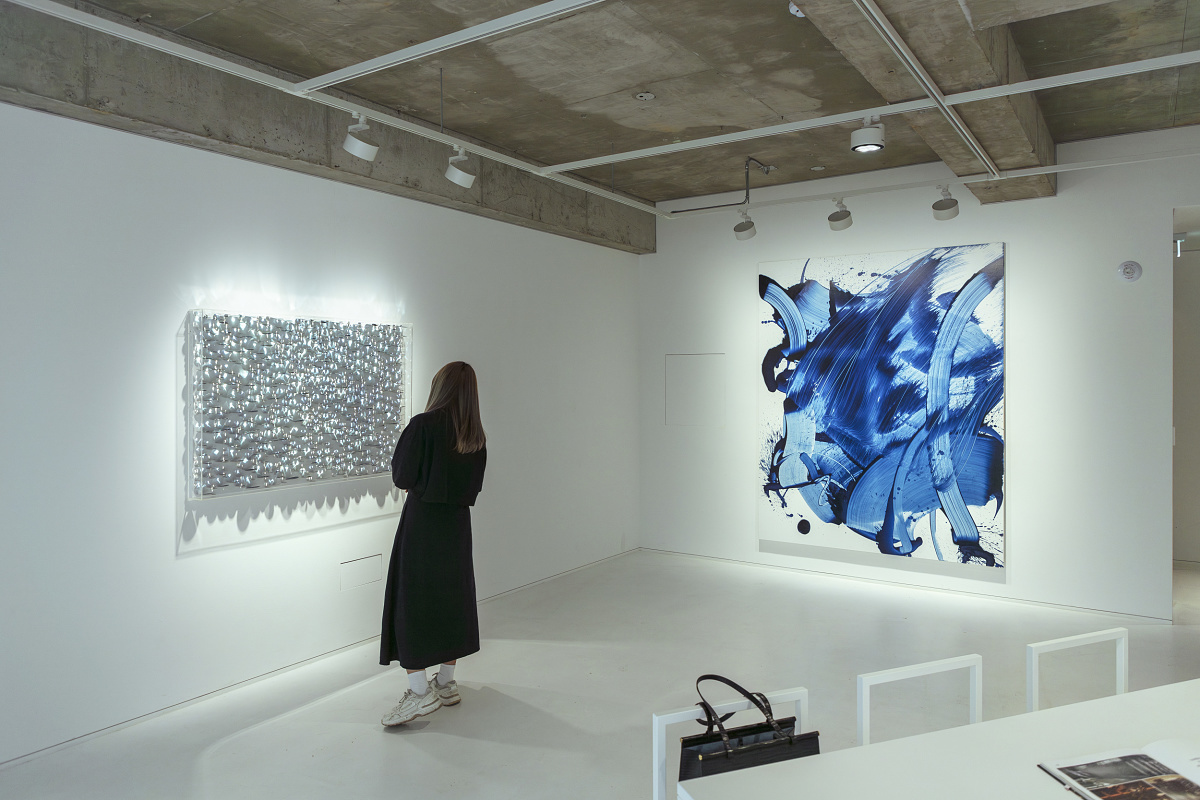
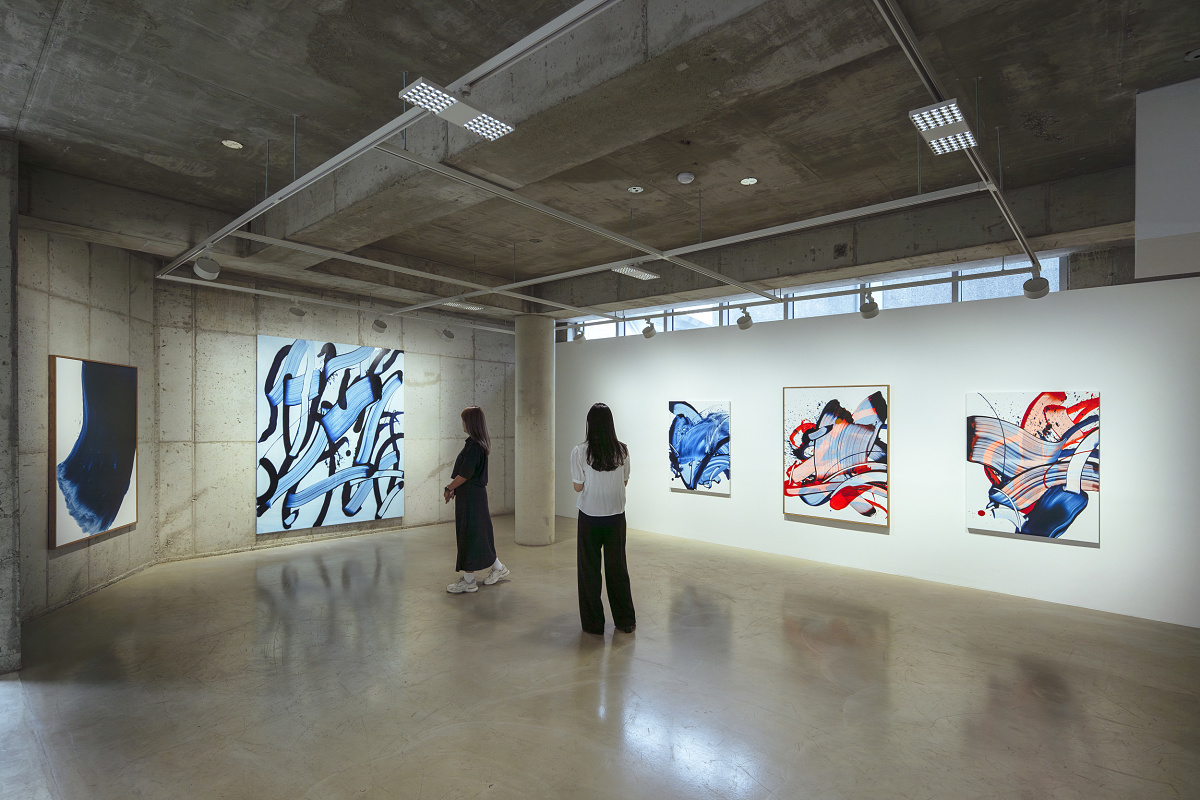
Precisely directed accent lighting highlights individual works, models surfaces and enhances colour effects. High colour rendering (CRI ≥ 92) and consistent light quality are essential to ensure the authenticity of the artworks. At the same time, a uniform, low-glare ambient illumination provides orientation within the space and reinforces visual calm – an essential factor in the perception of art.
Vertical lighting and spatial effect
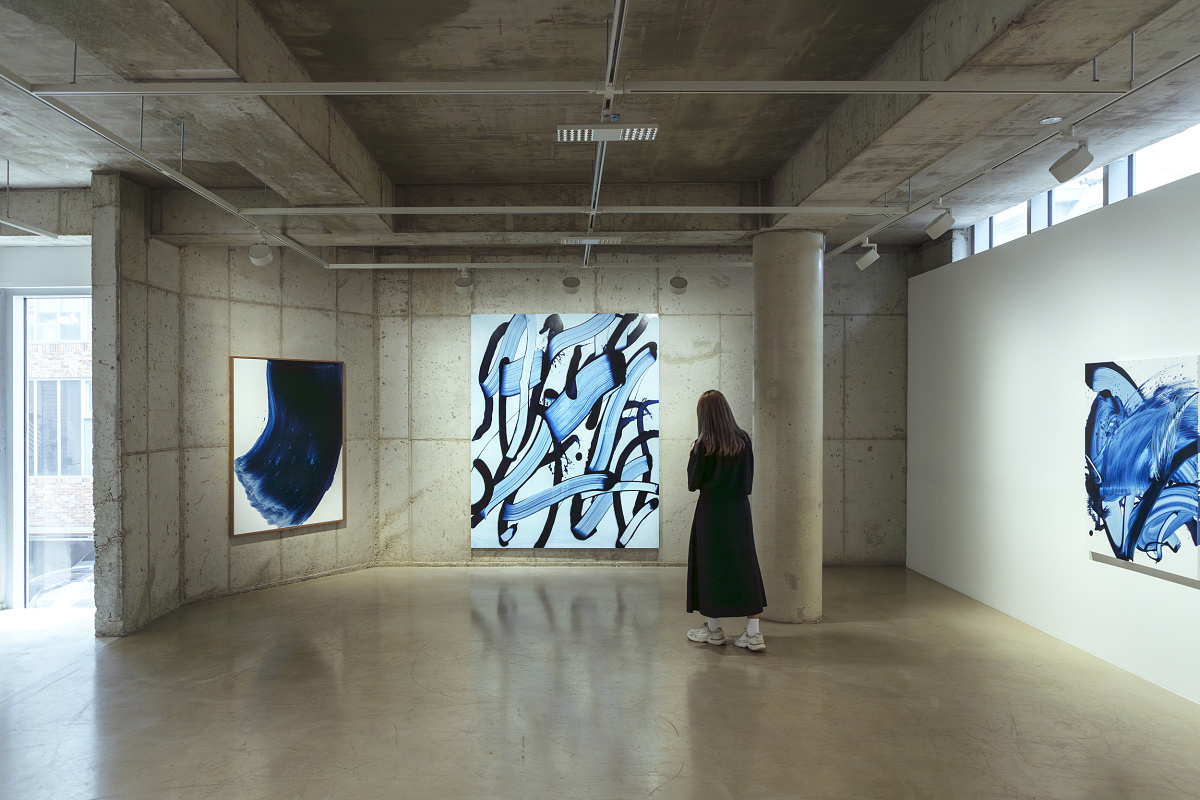
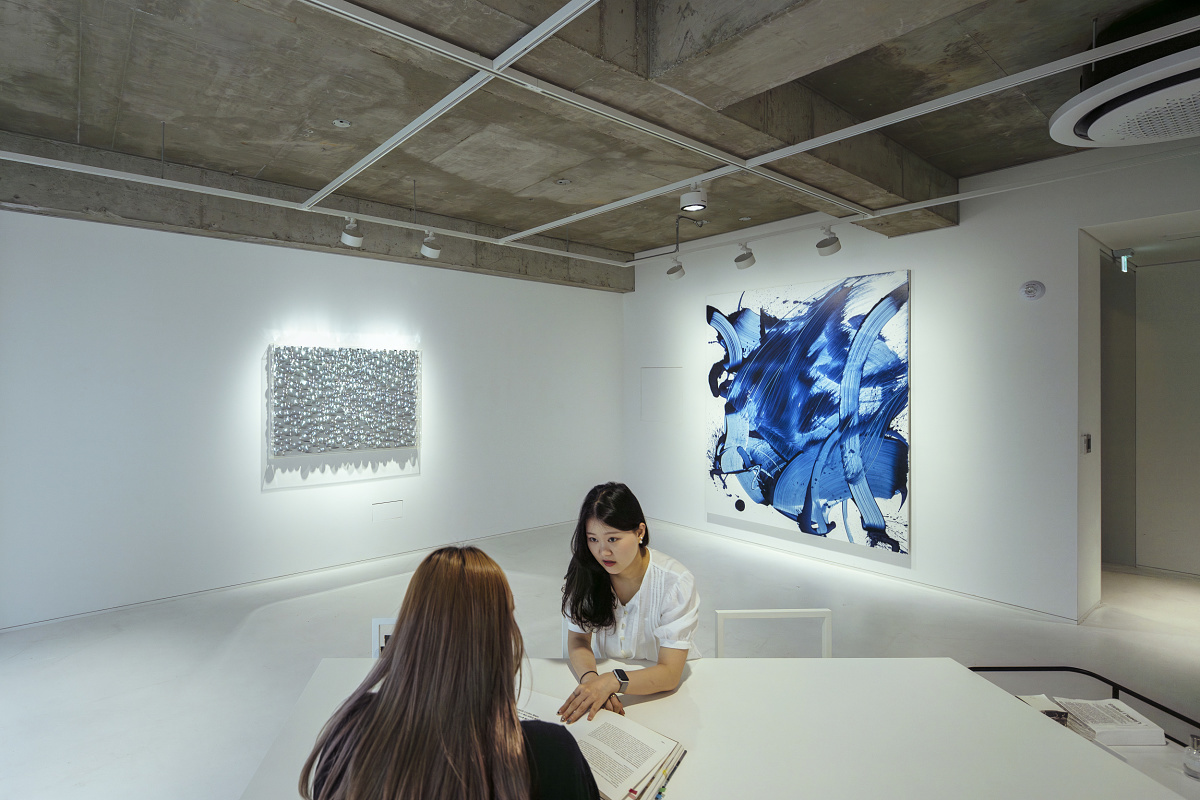
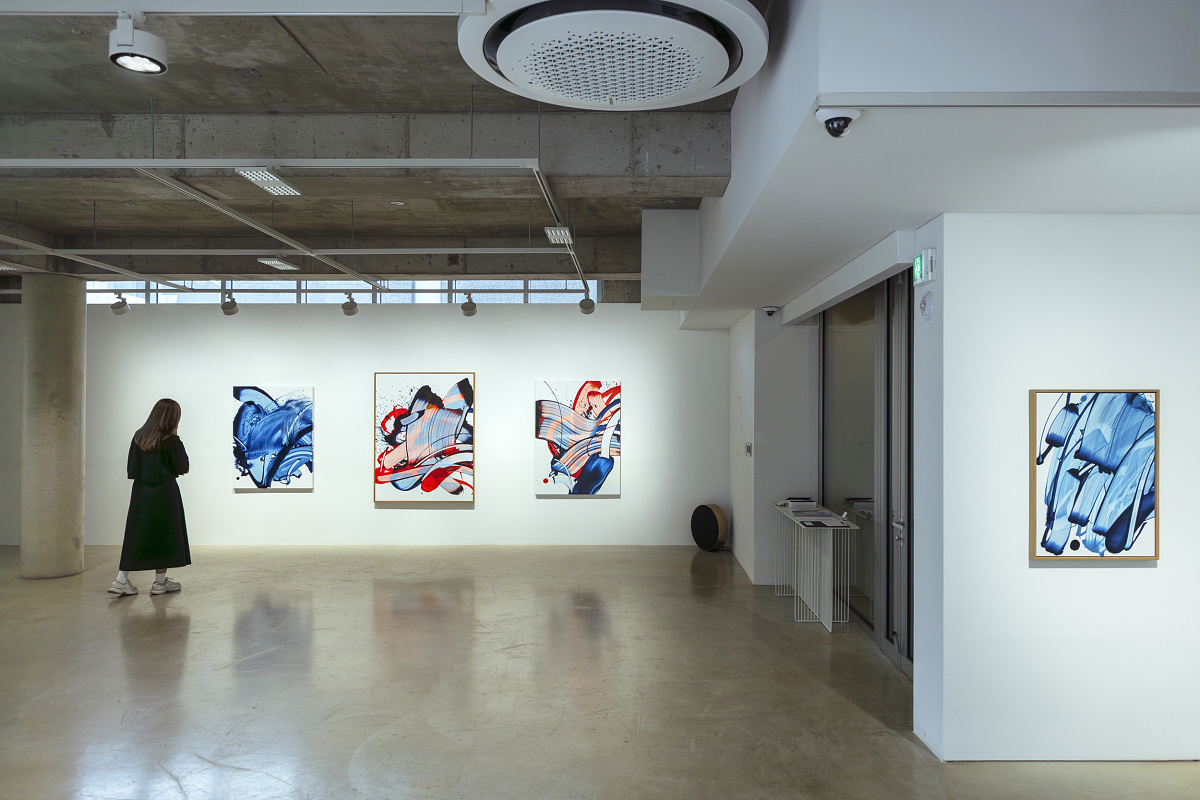
Emphasising vertical surfaces is a key principle of the gallery’s lighting concept. Uniform wallwashing renders artworks clear and high in contrast, regardless of their position. At the Jean Design Art Gallery, this principle is used to strengthen the walls as primary presentation surfaces while simultaneously widening the space visually.
Precise light distribution reduces stray light to a minimum, concentrating the full output exactly on the exhibits. This not only increases the visual quality but also the energy efficiency, as light is only used where it is really needed.
Flexibility for changing exhibitions
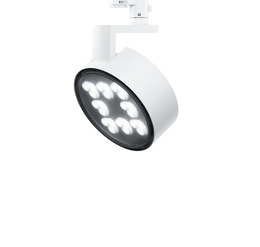
A key characteristic of commercial galleries is their dynamic nature: exhibitions change, formats vary, curatorial concepts evolve. The demand for flexible lighting solutions is correspondingly high. At the Jean Design Art Gallery, this is achieved through the use of track systems and interchangeable optics. Different light distributions allow for precise adaptation to various artwork formats and hanging arrangements.
This flexibility reduces planning efforts in the long term and makes it possible to implement new exhibitions efficiently without changing the existing infrastructure.
Light quality as an economic factor
In the context of the art market, light has a direct economic dimension. High-quality lighting enhances the perception of artworks and influences their perceived value. Colours appear more brilliant, materials more differentiated, details clearer – qualities that are decisive for collectors and buyers.
Furthermore, good lighting significantly contributes to the overall experience. Glare-free lighting, balanced contrasts and a pleasant light colour (typically between 3000K and 4000K) create an atmosphere in which visitors linger longer and engage more deeply with the exhibits. This extended lingering time is a key factor in the success of commercial galleries.
The Jean Design Art Gallery exemplifies how precise lighting design shapes the interface between the presentation of art and market requirements. The targeted application of accent lighting, vertical illumination and flexible systems creates a space that is both aesthetically convincing and fully responsive to the practical requirements of gallery operations. Light is conceived here not simply as a technical medium, but as an active participant in the dialogue between artwork, space and viewer.