Light as a language in shaping the museum experience
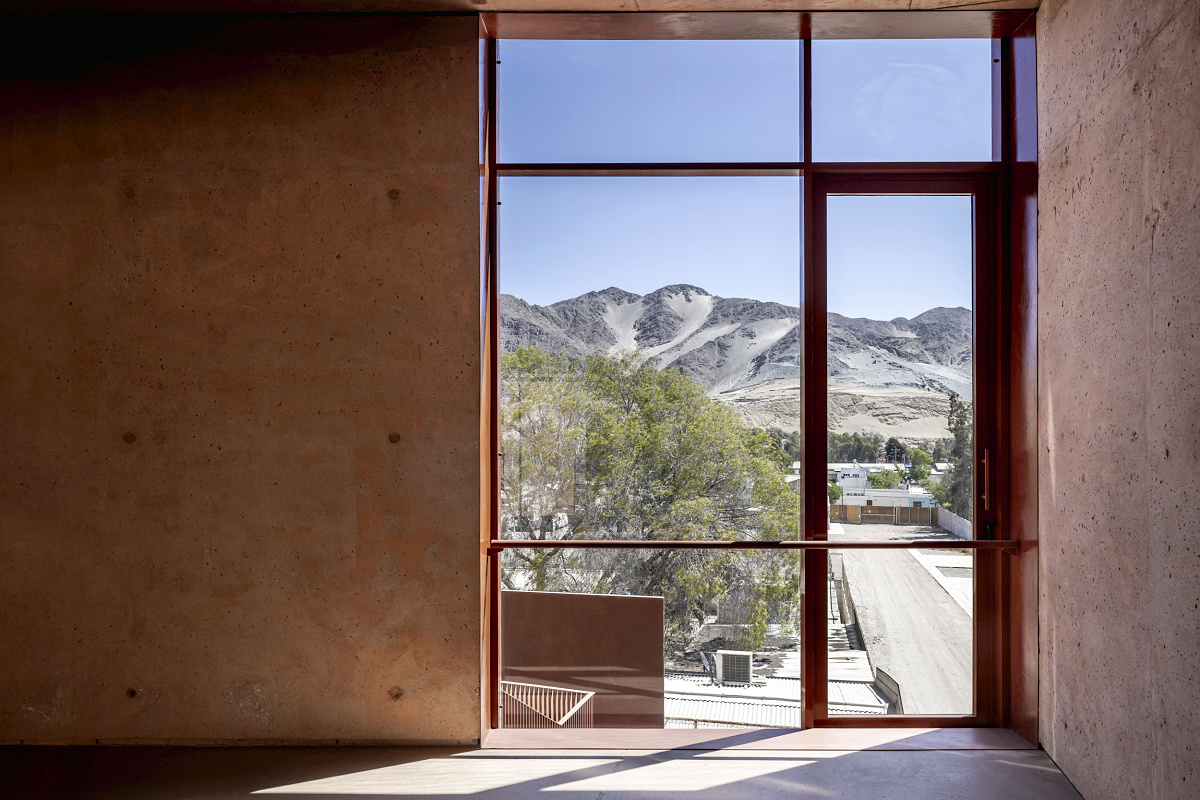
In Copiapó, in the driest desert on Earth, the new Regional Museum of Atacama —designed by Max Núñez Arquitectos— responds to the need to provide the city with cultural infrastructure. It is part of a policy oriented towards the development of museum infrastructure in Chile.
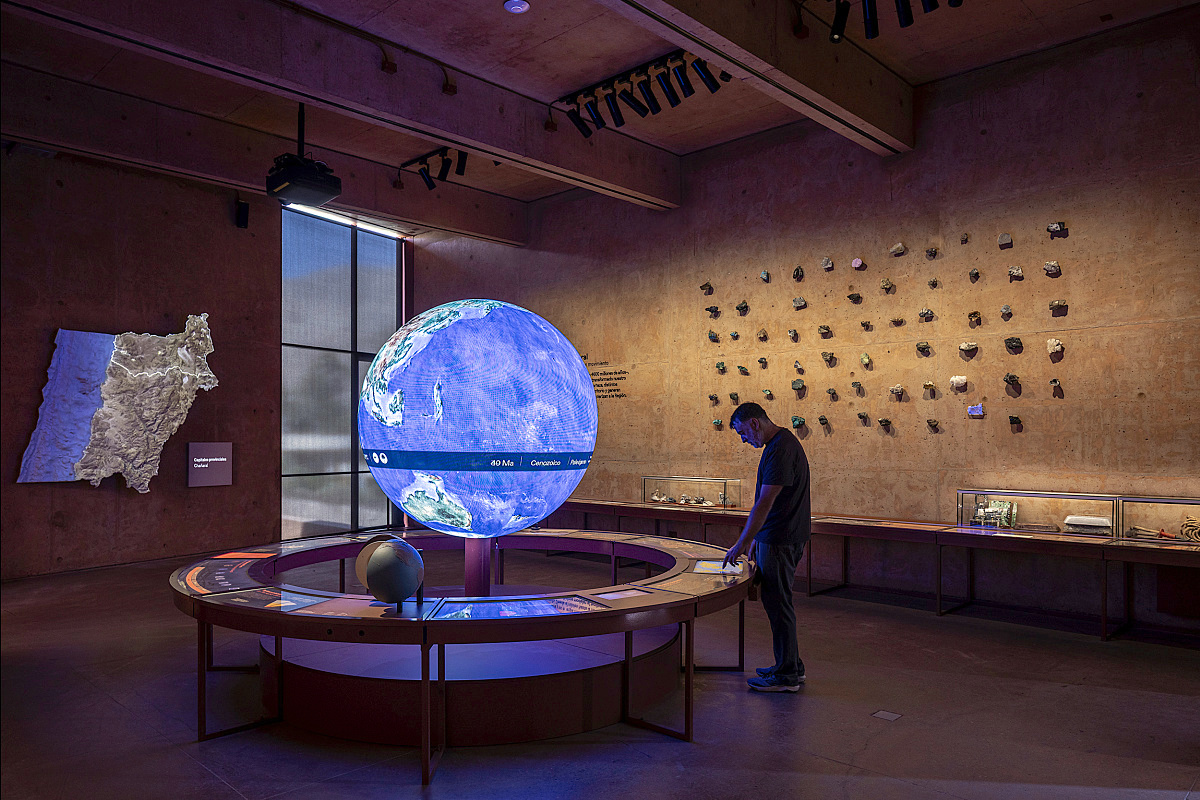
The curatorial narrative articulates a journey through the geological, paleontological, historical, cultural and natural milestones that shape the region’s territorial identity. The lighting aligns with this narrative, configuring a sequence of educational, sensory and memorable experiences for the community.
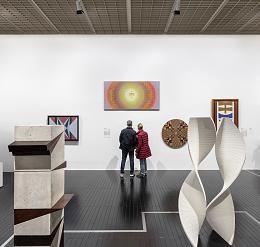
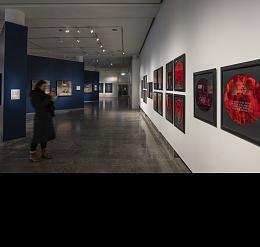
The lighting strategy is conceived as an intervention. Beyond addressing the illumination of the collections in line with conservation criteria, it builds spatial qualities that reinforce the museographic narrative. This atmosphere also enhances the architecture.
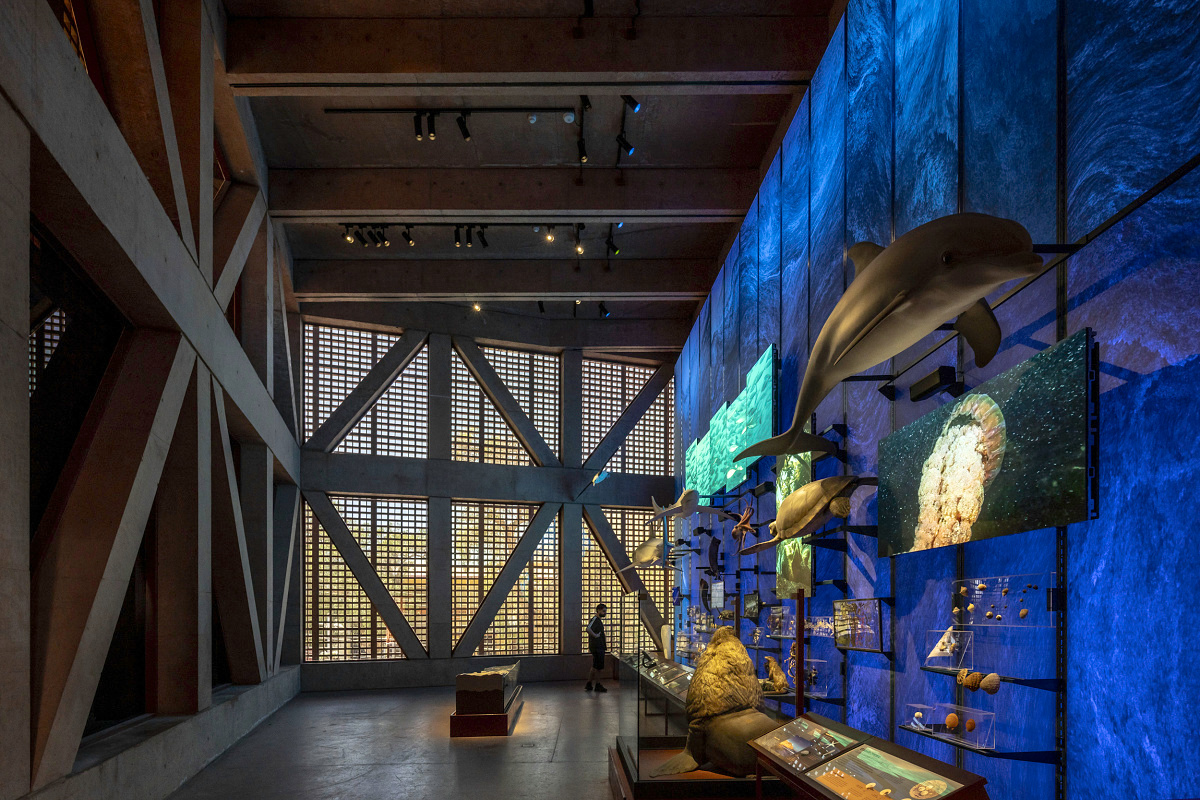
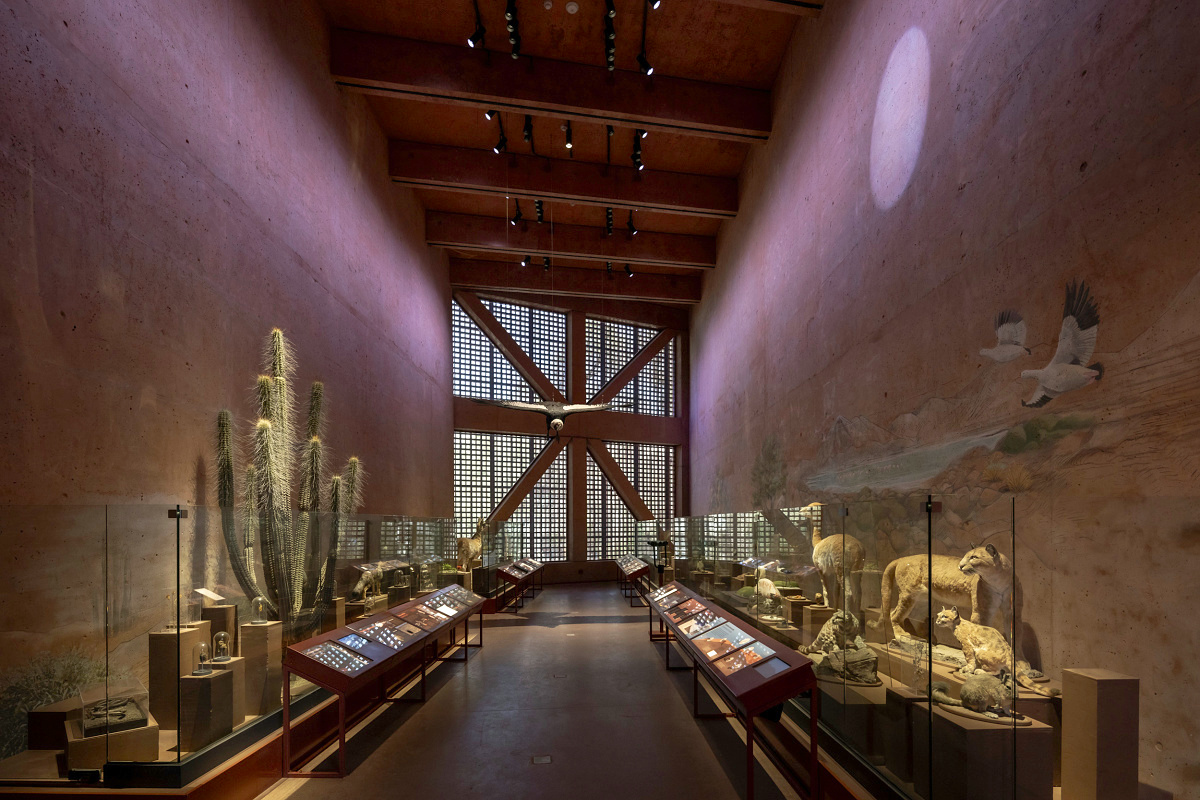
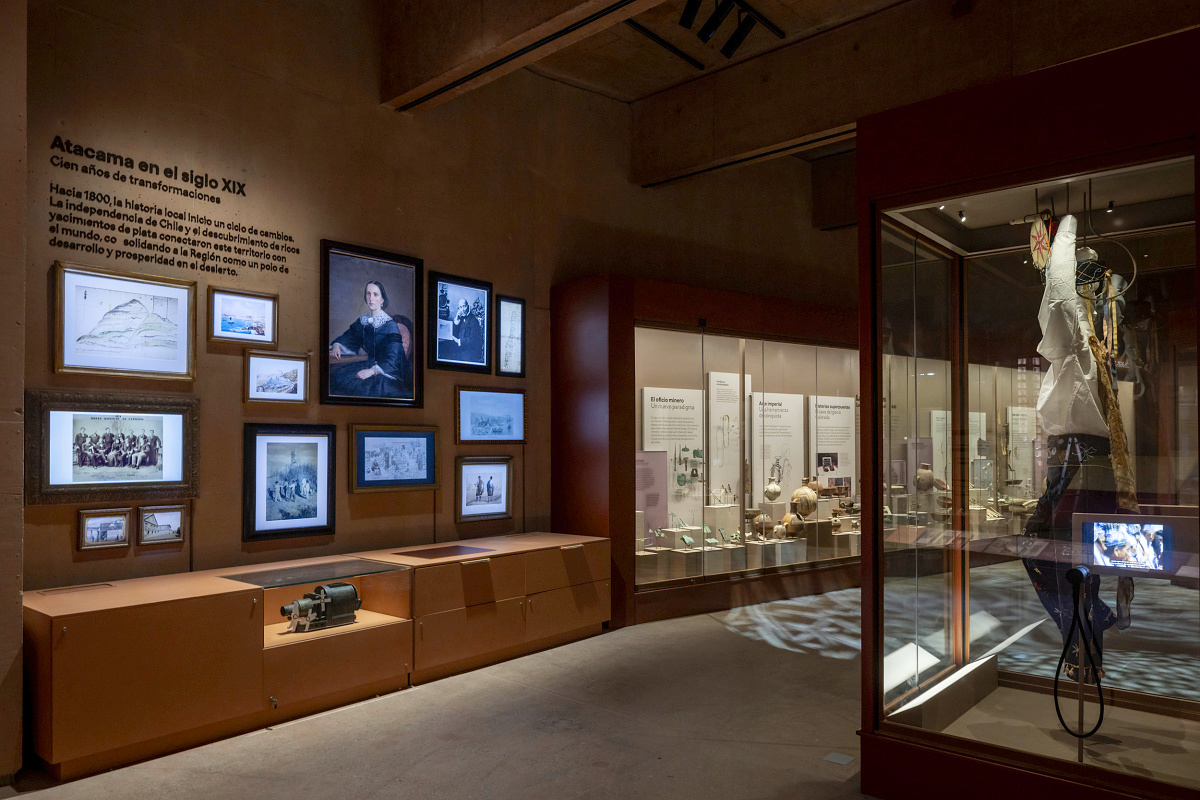
In the marine biodiversity gallery, a translucent wall, backlit in blue tones by means of RGBW grazing light from the floor, emphasizes its 8.5-metre height and generates an immersive atmosphere. In the foreground, the blue is intensified through RGBW spotlights mounted on the front track. In the coastal and high-altitude biodiversity gallery, light recreates the natural conditions of the territory on vertical planes. At floor level in the exhibition “Human life in the region Atacama”, gobo projections are conceived as a resource to generate lighting environments, introducing textures into the spaces dedicated to indigenous cultures, Spanish colonization and modernity.
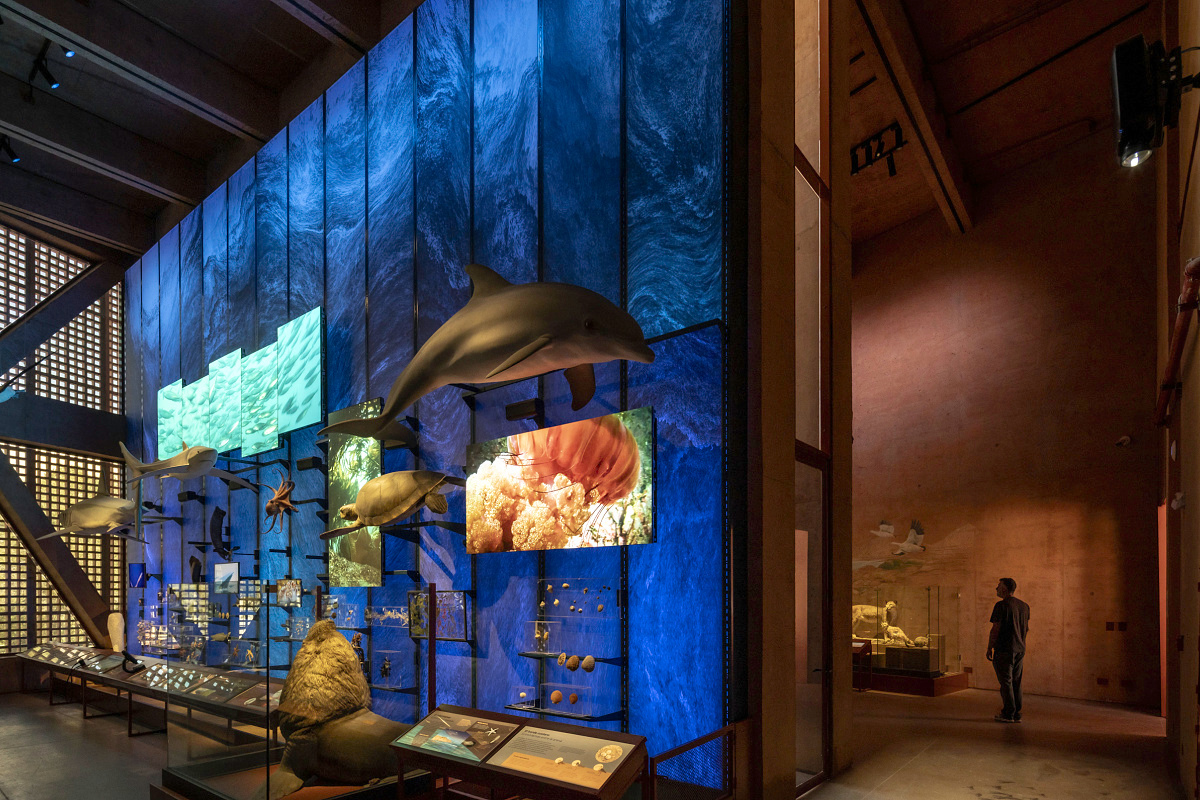
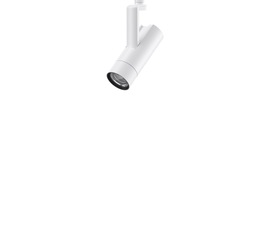
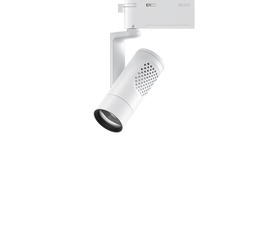
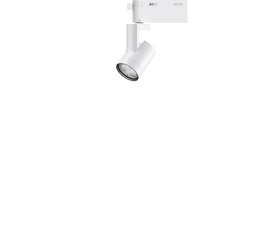
Uniscan spotlights with darklight technology ensure visual comfort throughout the route, while the different light distributions —from narrow spot to flood, as well as contour projection— allow each scene to be precisely defined using a single tool. The combination of colour temperatures —3500 K, tunable white and RGBW— accompanies the different sequences of the exhibition path.
The use of RGBW technology, still uncommon in museum environments, introduces an additional narrative dimension through wallwashing, chromatic accents and projections that evoke the landscape and identity of Atacama.
The project has been recognised with the Premio Aporte Urbano (PAU) 2025 in the Public Building category, highlighting its contribution to the urban, cultural and heritage development of the region.